
Noticeably Ligther: Hands On Preview of the new NIKKOR Z 70-200MM F/2.8 VR S II LENS

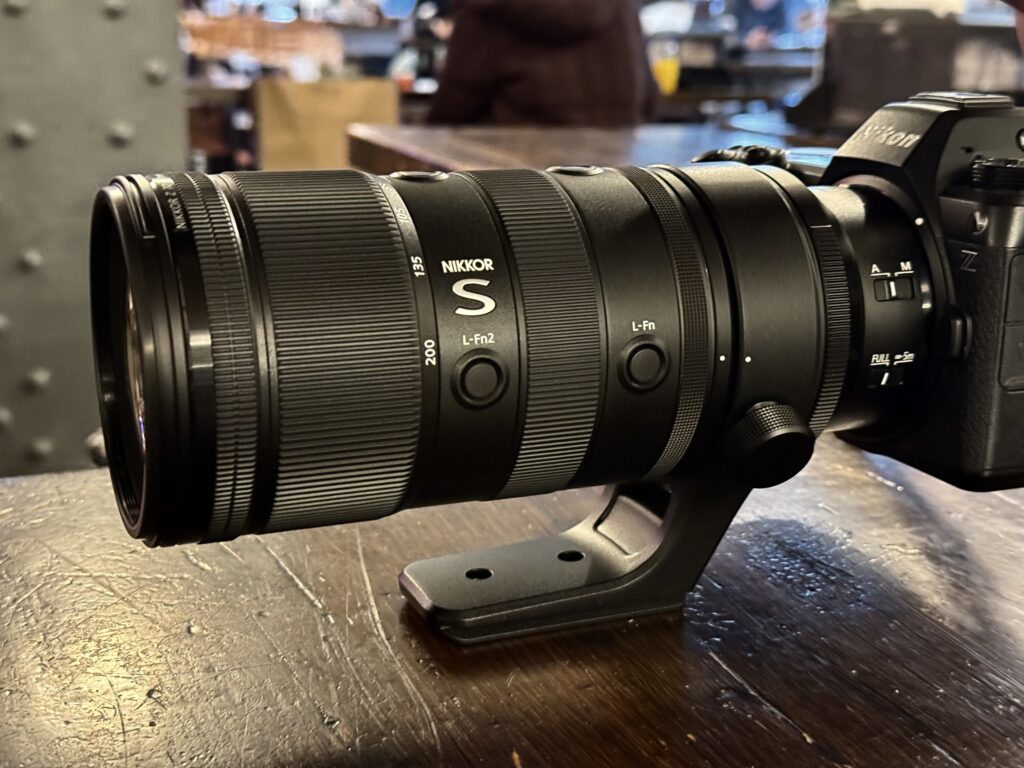
Table of Contents
 Grand Central Terminal Gallery
Nikon’s new NIKKOR Z 70-200mm F/2.8 VR S II lens is a big update to its flagship 70-200mm lens, but it’s also a light(er) update.
The new lens will be available in March, and can be preordered now.
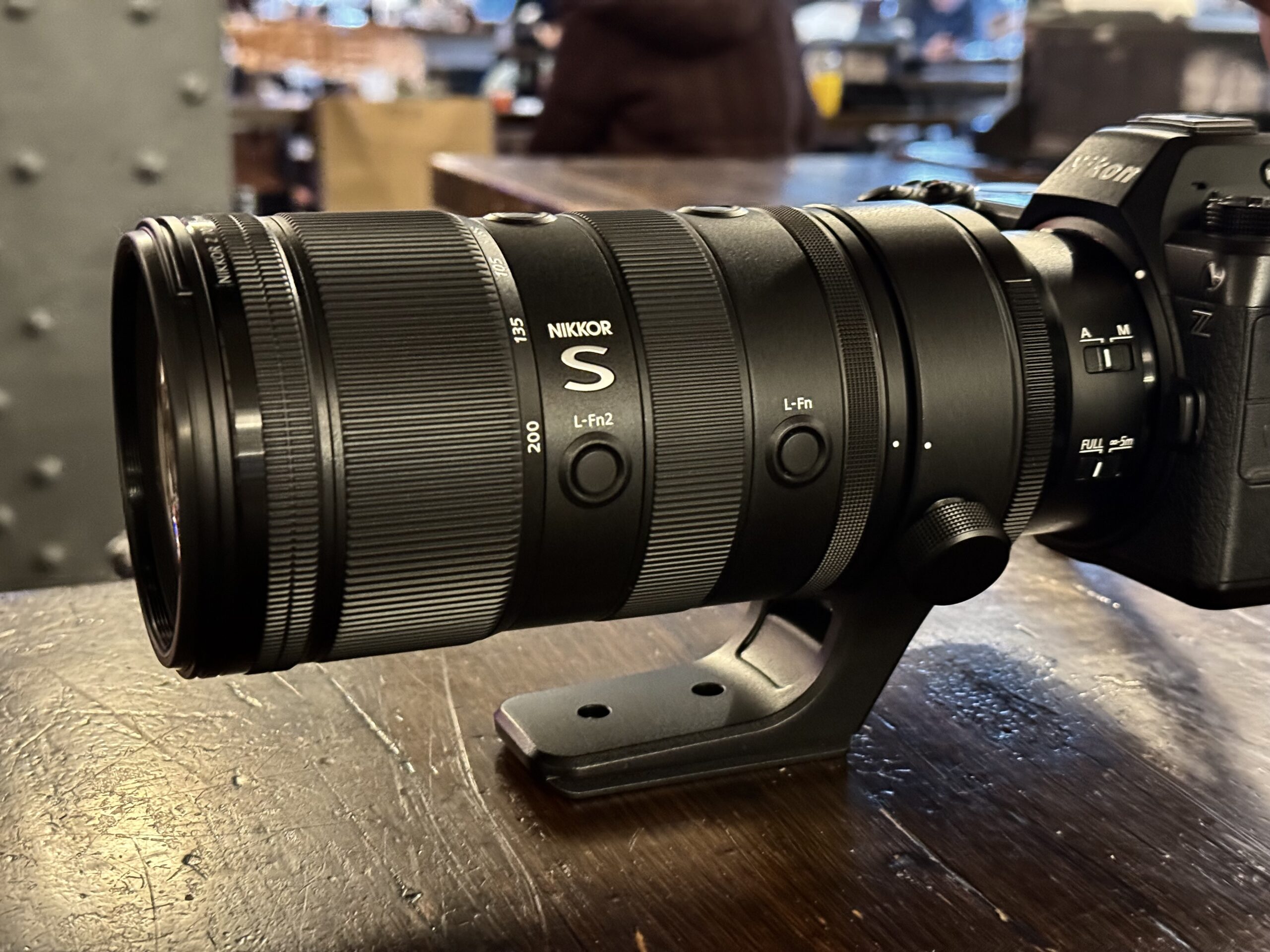
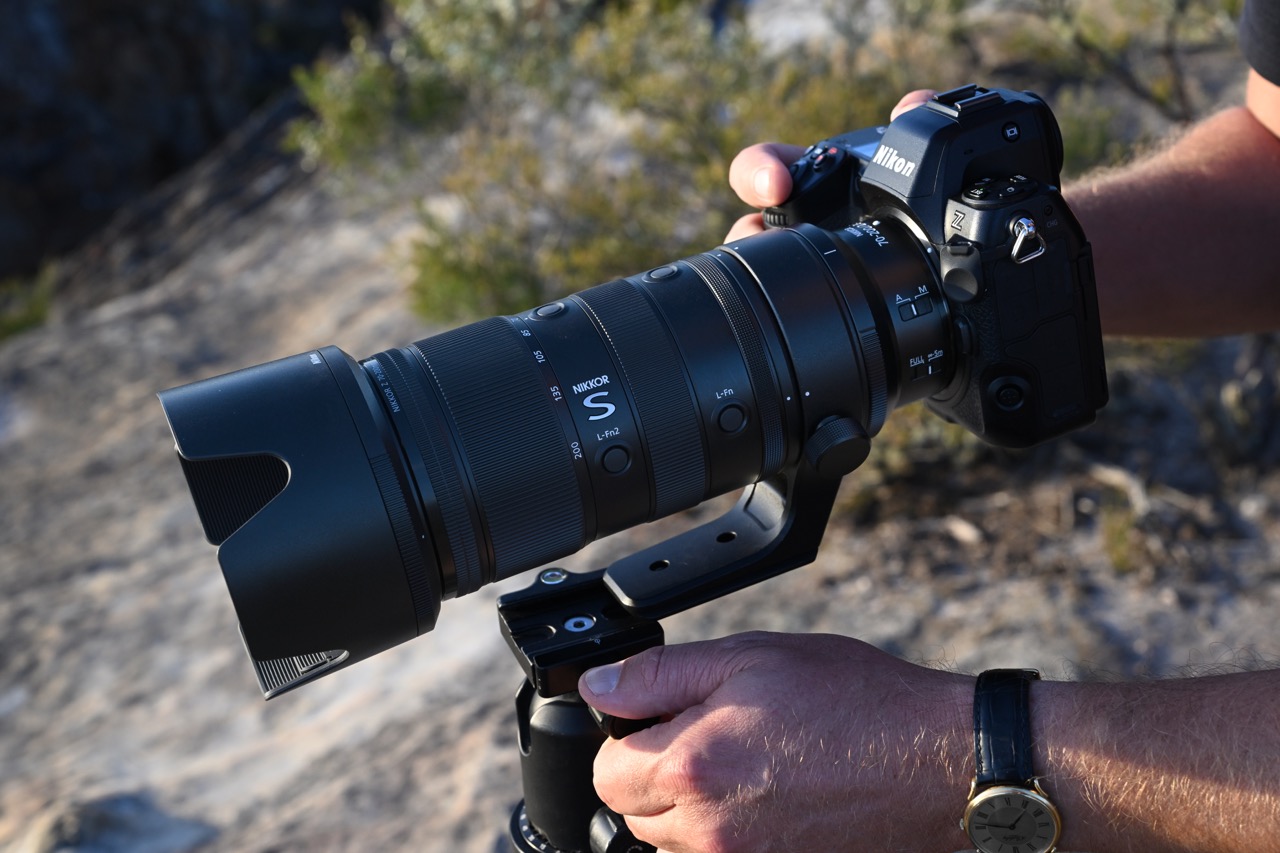
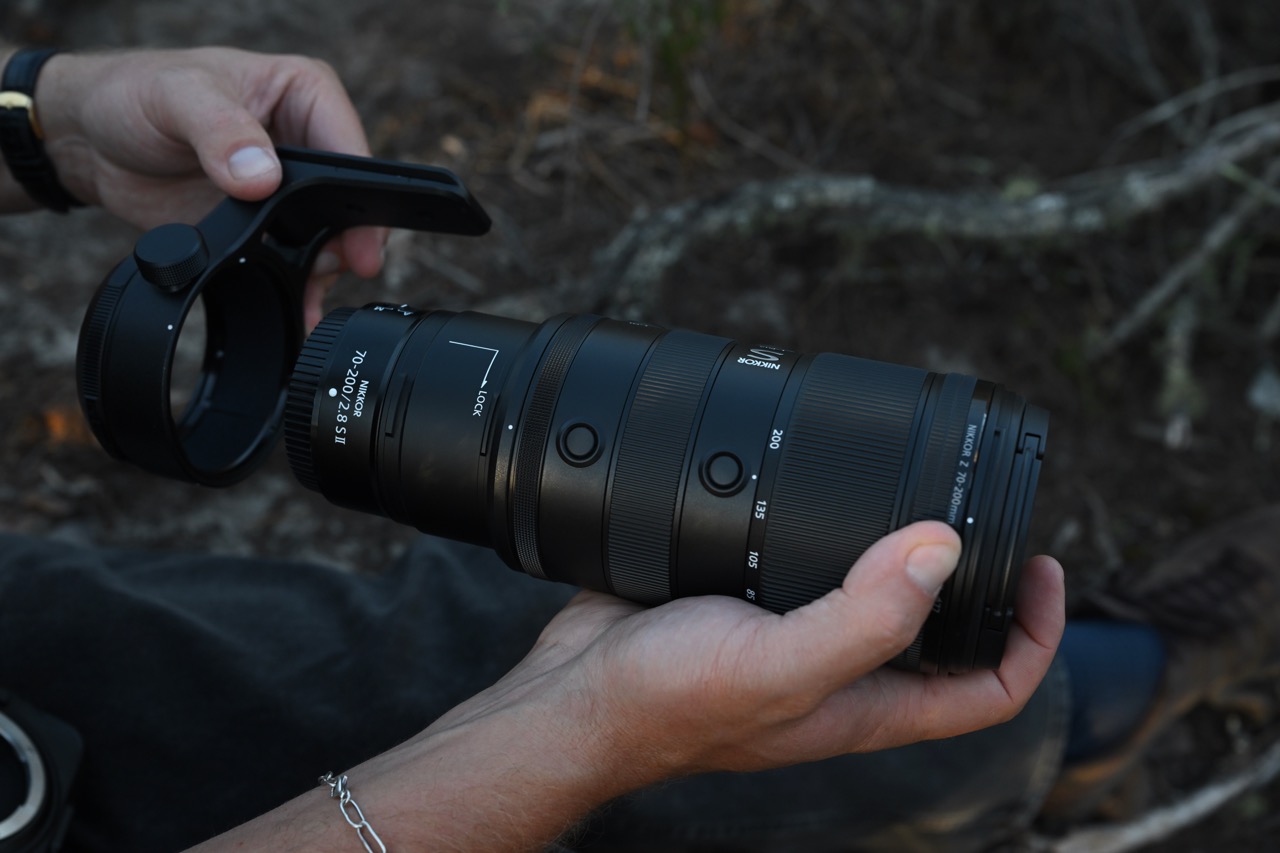
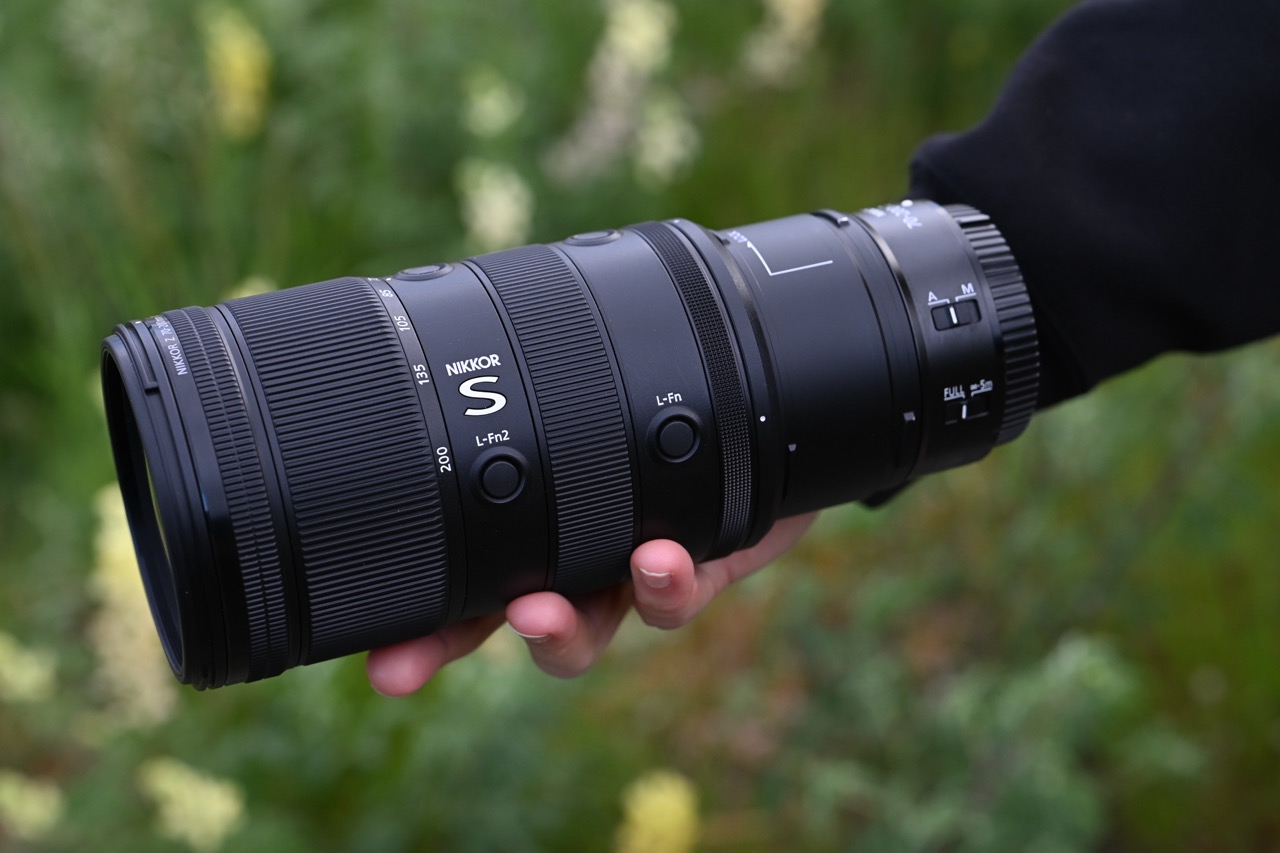
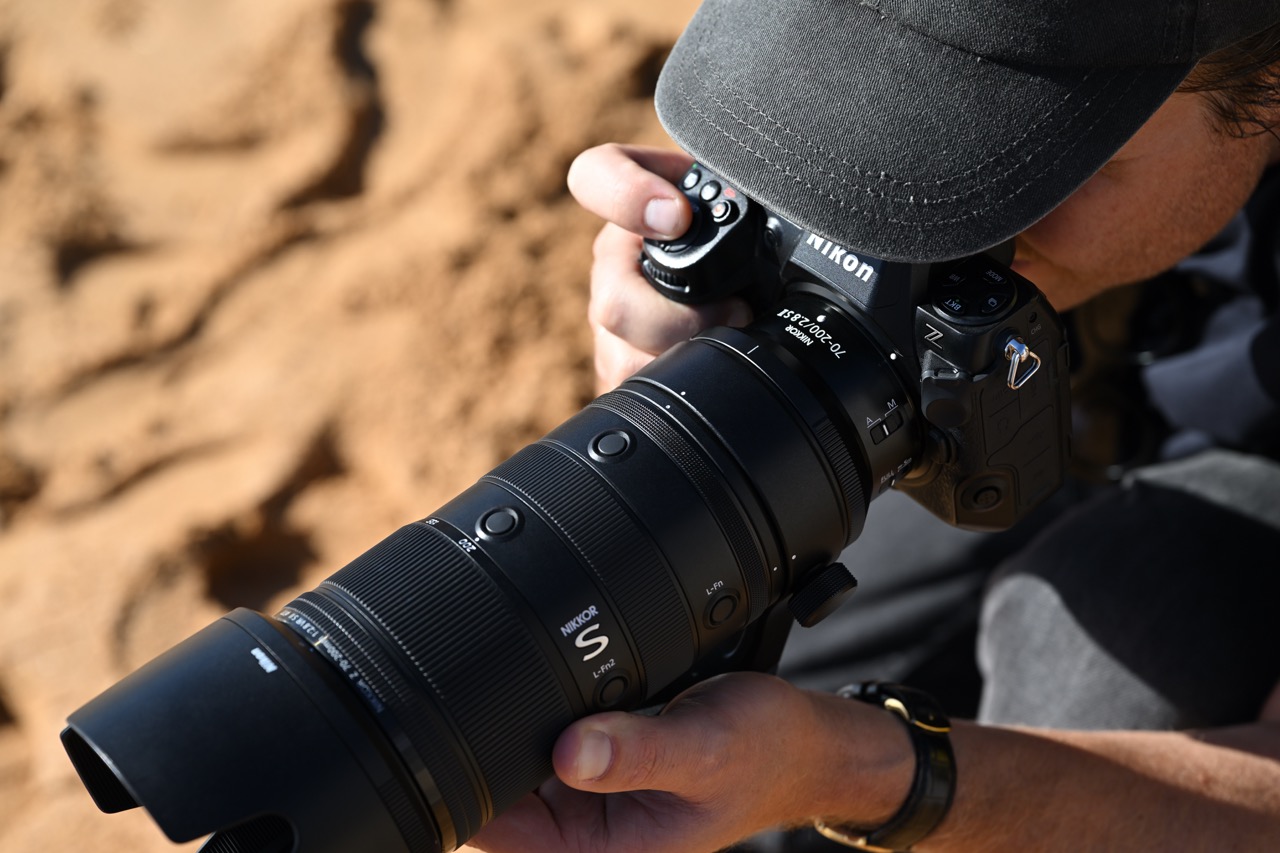
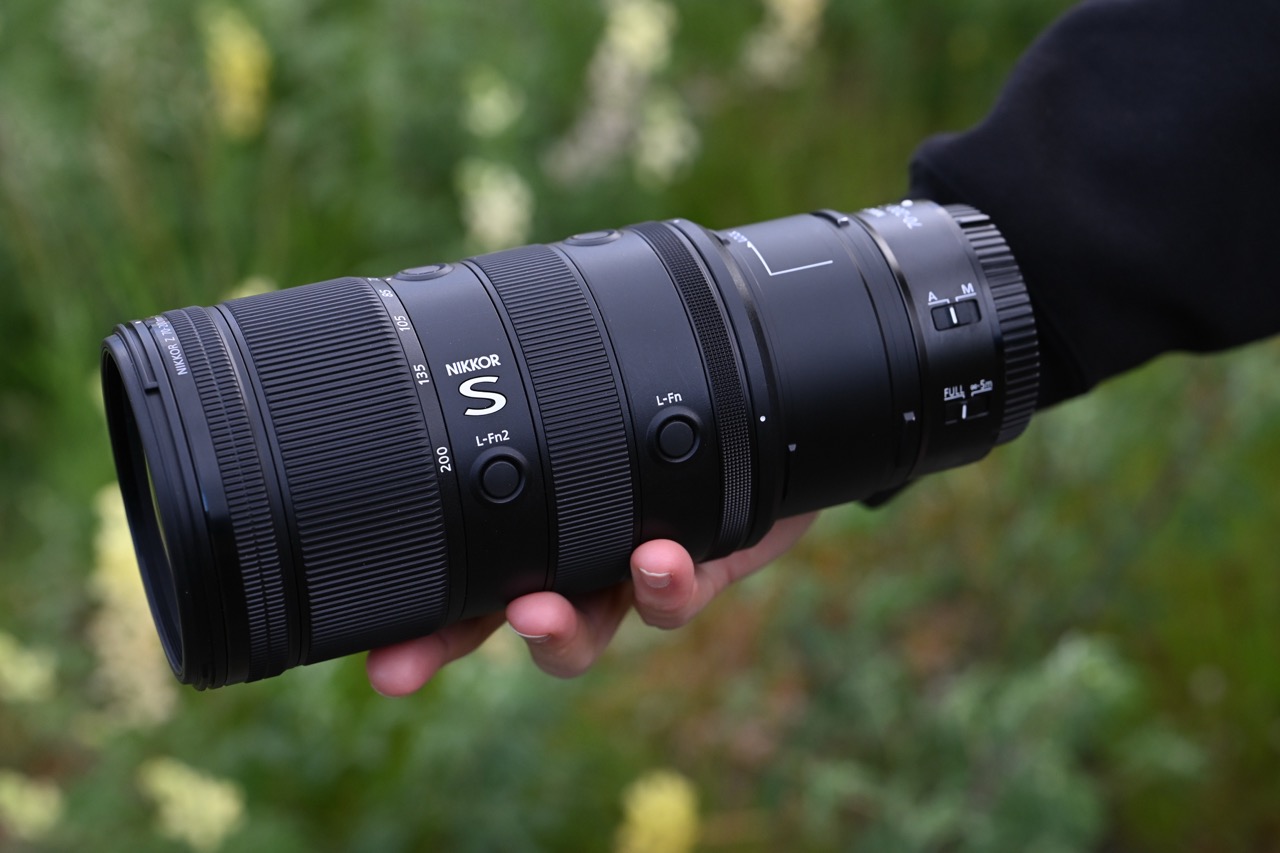
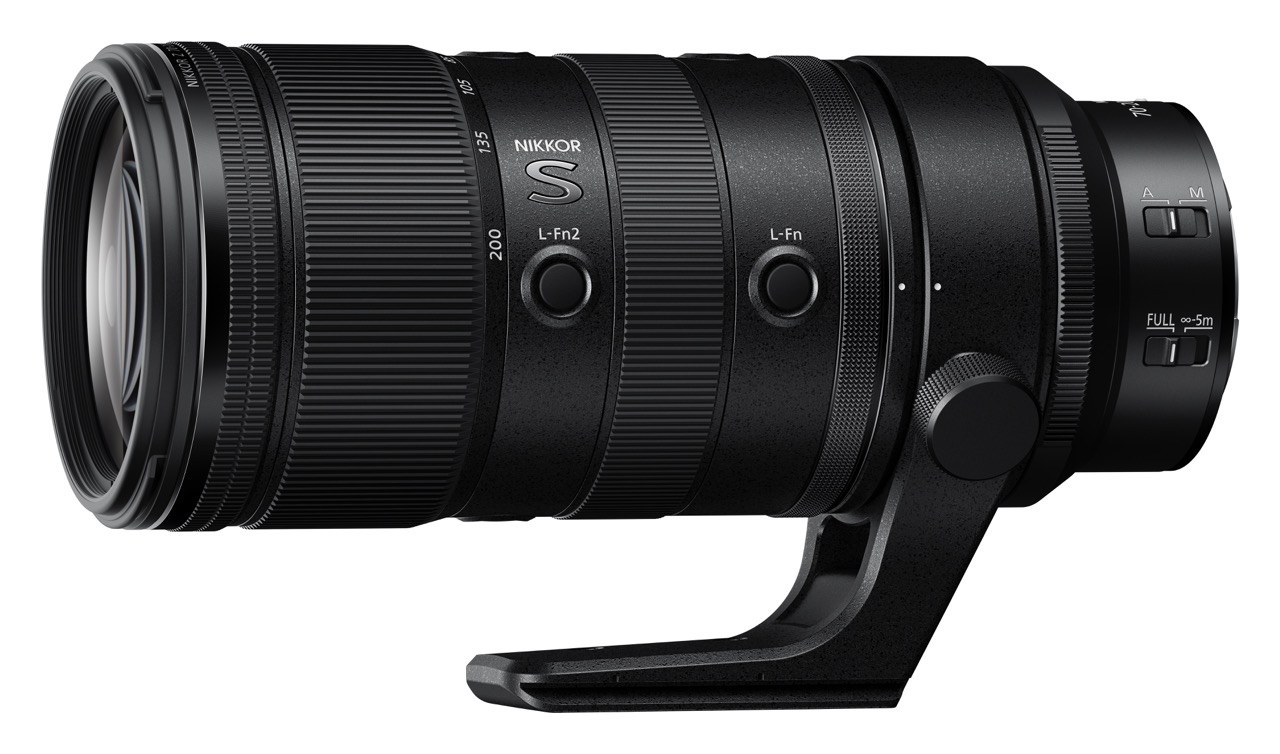
I had the opportunity to test the new lens for several hours with Nikon in New York City’s Grand Central Terminal, and it has the feel and image quality of Nikon’s famous pro-level zooms. The second-generation lens is claimed to be 26 percent lighter than the predecessor, coming in at 998 grams (2.18 pounds) without the collar, and 1180 grams (2.6 pounds) with the collar. In a bit of “I wish they’d all do this,” the tripod mount on the collar is Arca-Swiss compatible.

In addition to being lighter than the previous 70-200mm, it’s also noticeably faster to focus. The lens uses Nikon’s Silky Swift VCM 2 autofocus motors for focusing, which Nikon claims is 3.5x faster than the earlier model, which used an STM focusing system. Nikon says that AF while zooming is 40 percent faster, and without one of the original lenses to test along with the new model, it was impossible to tell, but the focus does indeed feel faster than I remember the first generation to be.

A note on sample images: WordPress is particularly harsh when it comes to compressing images for webpages. All images, both ours and Nikon’s, are sharper and more color accurate in real life.
Standing in the atriums around Grand Central, there are plenty of people to test autotocus with. The lens was easily able to lock onto people across the concourse and track them. As fun as it is to photograph slowly moving people and taxi cabs around a train station, I’m looking forward to giving it a real test when a production model is ready for us to test.


The optical formula of this lens has been improved, leading to both the claimed increase in image quality and also to the weight reduction. The new elements are smaller and lighter than the earlier lens, and this update has Super Extra-low Dispersion (Super Ed) glass and aspherical ED elements plus fluorite, and Short-wavelength Refractive (SR) elements designed to correct for chromatic aberration.

In a way that’s similar to the early digital camera megapixel wars, lenses seem to be seeing aperture blade wars. The more blades, and their shapes, determine background defocus (often called Bokkeh), and while. Most pro-grade 70-200mm lenses would have had six or eight blades; this one goes to 11. The result is smooth background defocus.

Image quality of my test shots is very good, though again I’ll need to shoot in more situations to be able to give my final opinion on the optical quality. Grand Central Terminal has low enough light for slow exposures, which introduce noise, so we’ll be taking this outsidde when we get our test unit.

Typical shots for a 70-200 were great, and the short minimum focus distance of .38 meters at 70mm and .8 meters at 200, plus a 0.3× (wide) /0.25× (tele) reproduction ratio makes the lens particularly good for small details and textures. It’s by no means a macro lens, but if anyone needs a close-up shot of a bar stool in a train station food hall, this lens is for you.

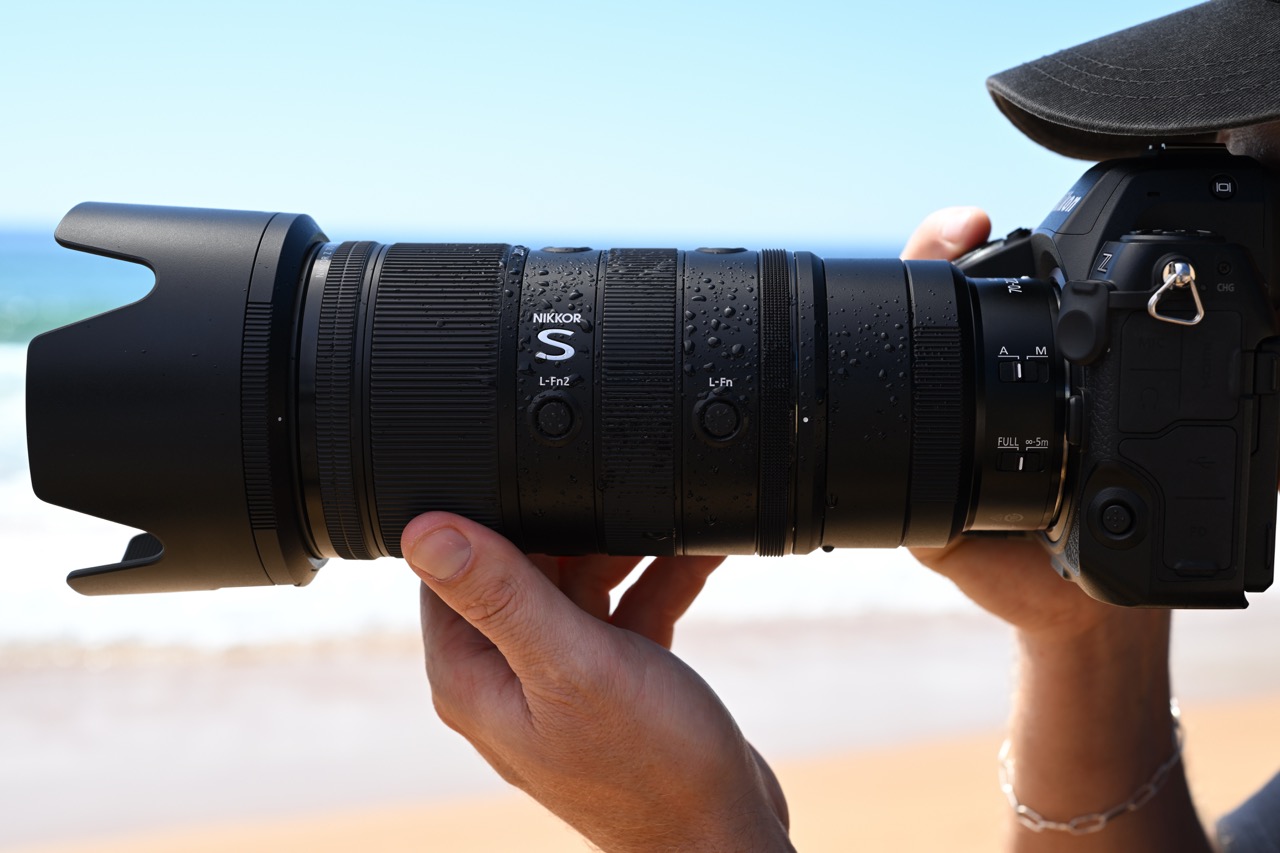
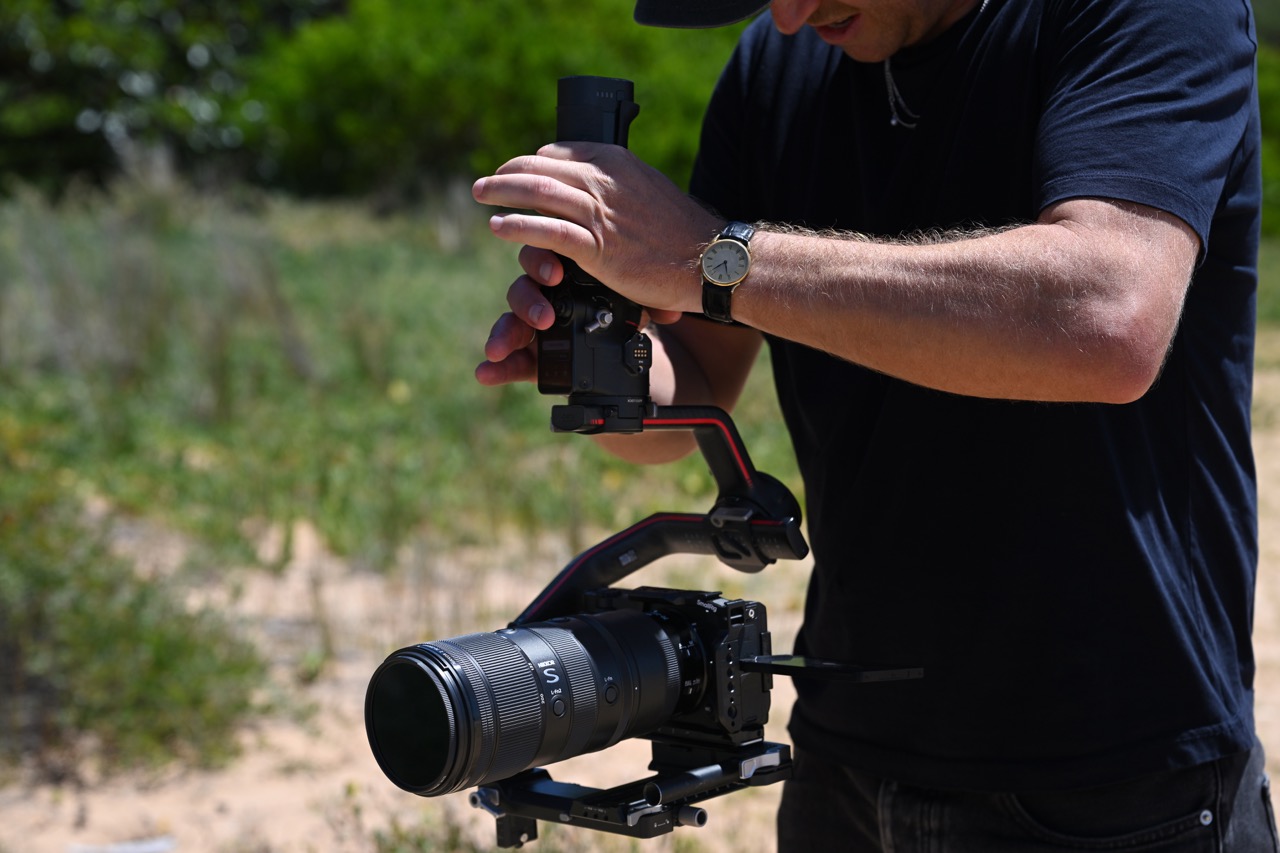
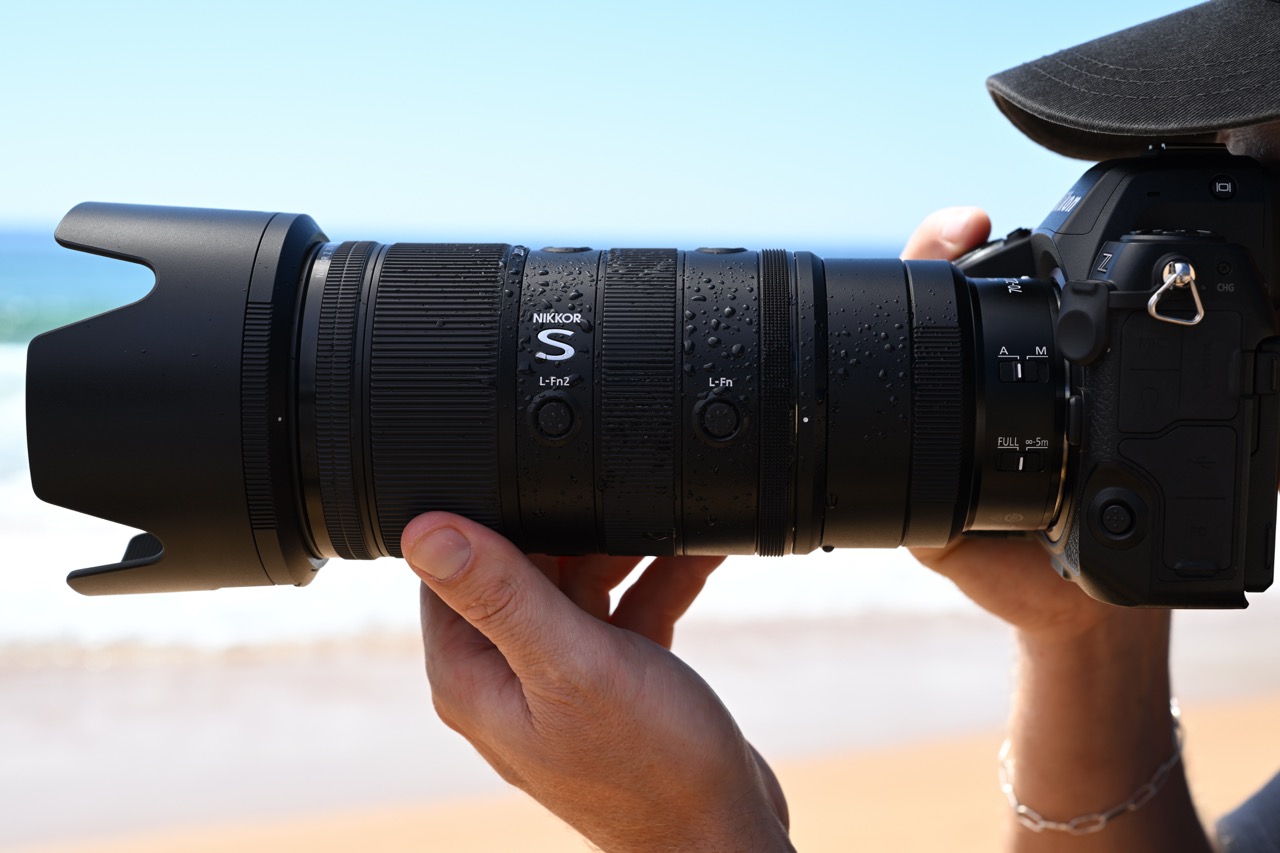
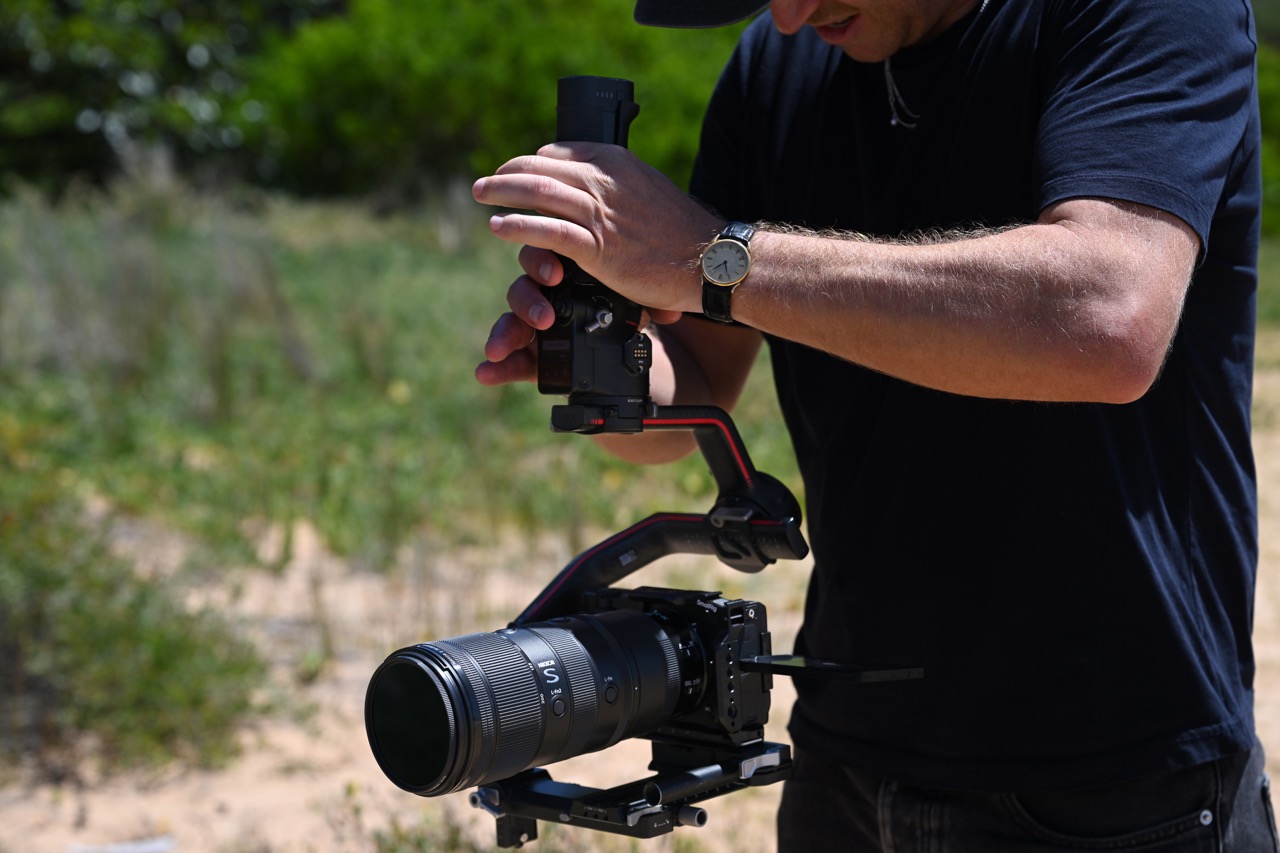
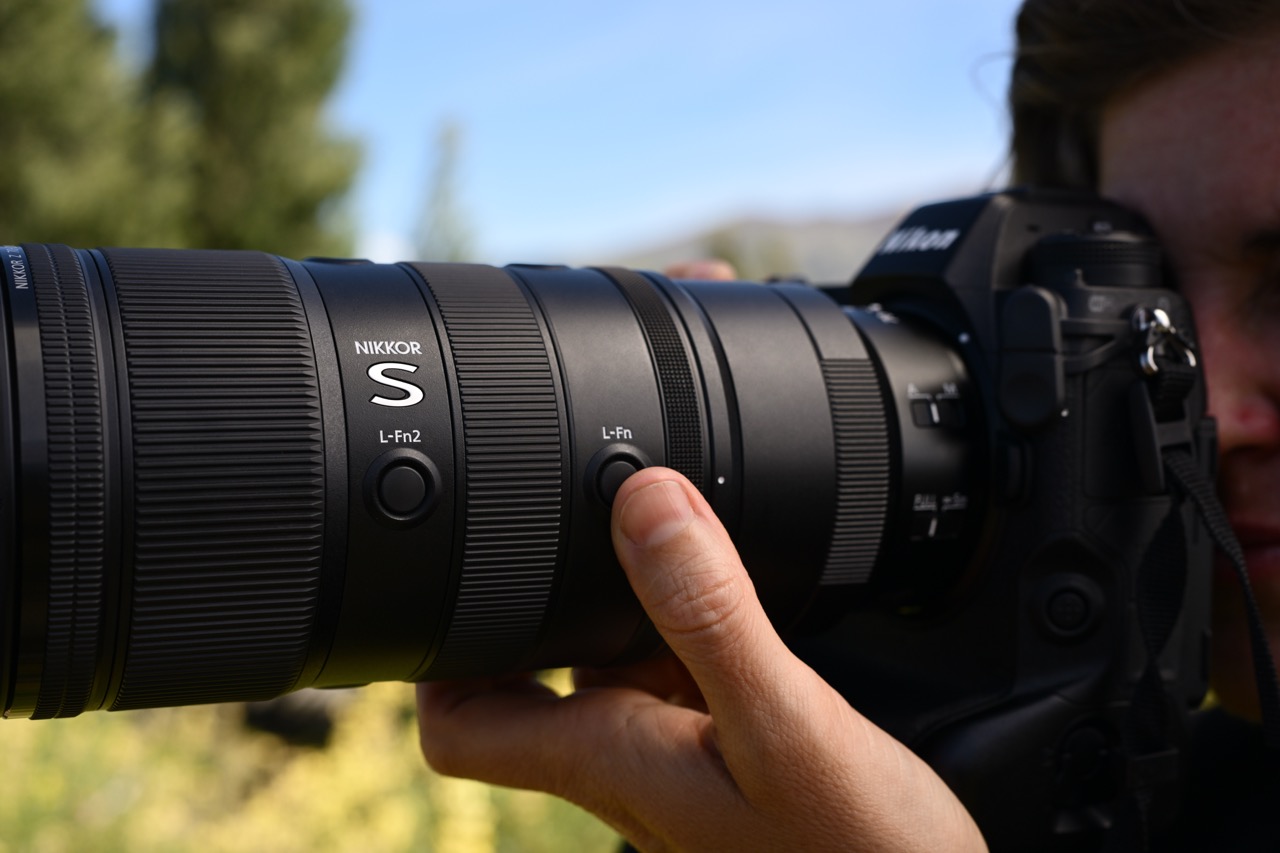
The internal zoom design means that this lens would be a nice companion for gimbal use, since the center of gravity doesn’t shift when zooming. I’m looking forward to putting this on the DJI RS5 we’re currently testing. The 70-200mm F/2.8 VR S II has a switch on the barrel to enable or disable the control ring’s tactile “click.” The lens is also compatible with the 1.4x and 2.0x Nikon Z teleconverters.

When used with a camera with Synchro VR, the combination is a six-stop reduction in vibration. This is not the highest amount of vibration compensation in today’s cameras with comparable lenses, though. The Sony 70-200mm f/2.8 GM OSS II, when combined with the Sony Alpha 1 II, has a claimed 8.5 stop reduction. For a medium telephoto lens, six stops is more than enough for most typical situations.
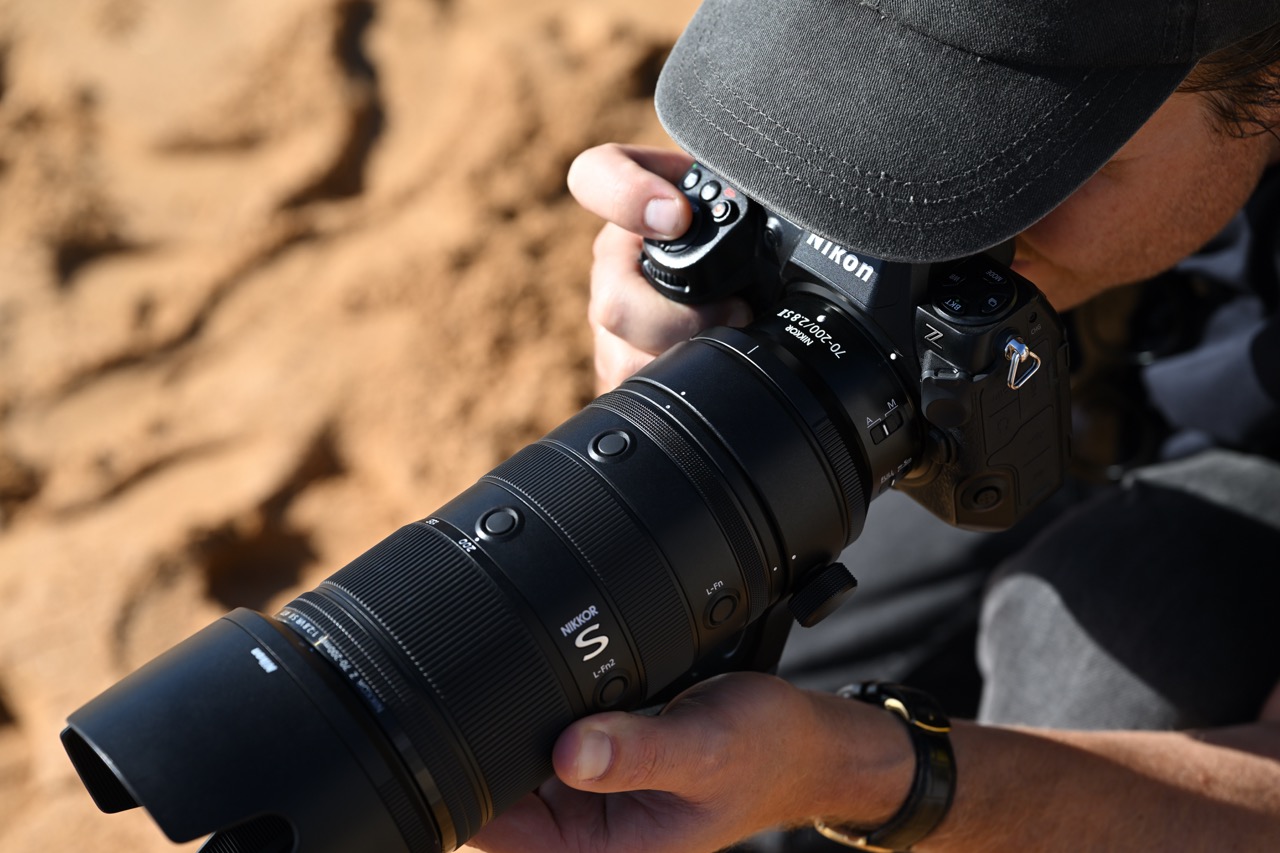
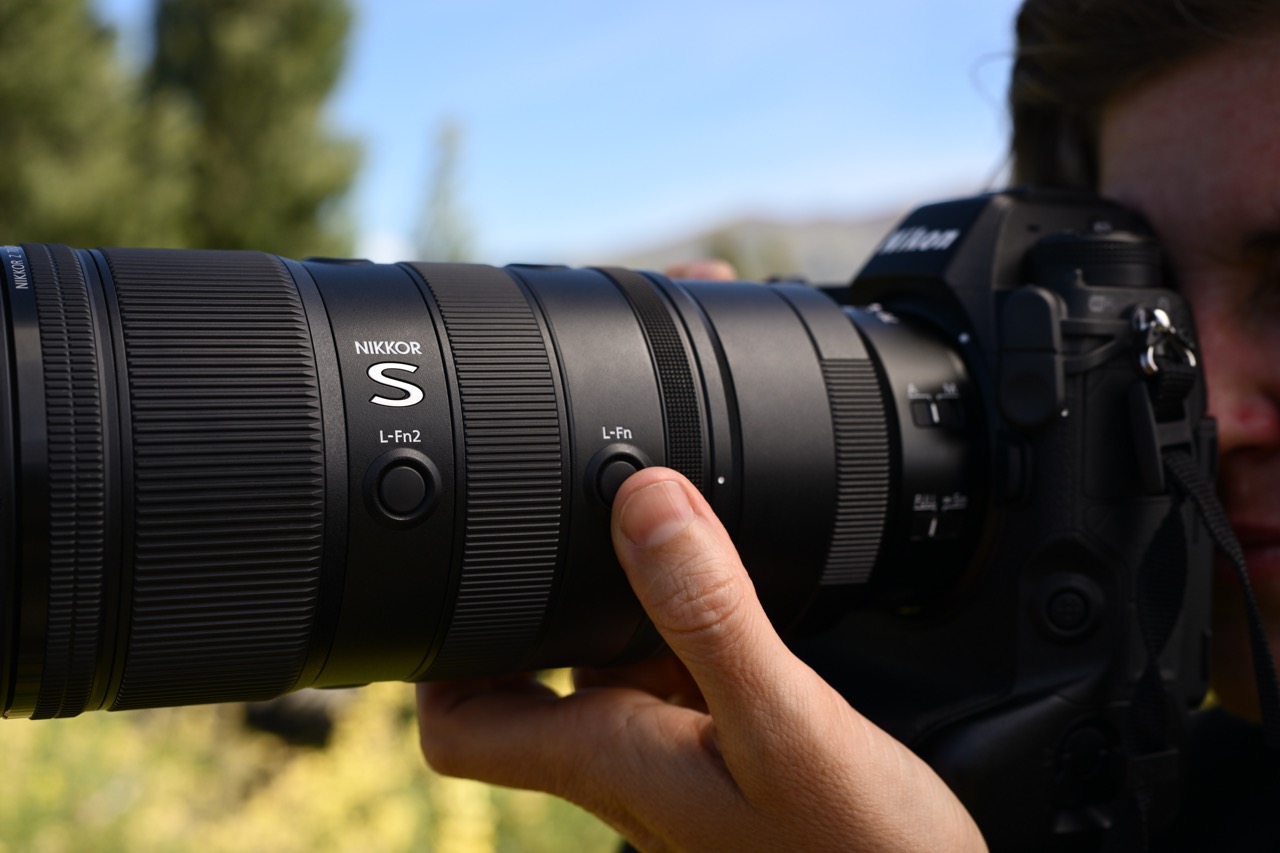
The lens is noticeably light and feels great to use. I’m an admitted fan of Nikon’s glass, having grown up using Nikon lenses. I like the original 70-200mm lens, but I love the feel of this one. Walking around with the camera on a strap, I felt surprisingly unencumbered, and holding it by the tripod mount, it felt nicely balanced.
The new NIKKOR Z 70-200mm f/2.8 VR S II lens will be available in late March 2026 for a suggested retail price of $3199.95. We will start testing the lens as soon as it arrives, and will bring you a review. In the meantime, I consider this a tremendous update to one of the most important lenses in most photographers’ arsenals.
The full press release is below after the galleries.
Grand Central Terminal Gallery












Nikon Image Samples



WANAKA, NEW ZEALAND – DECEMBER 08: <> on December 08, 2025 in Wanaka, New Zealand. (Photo by Hannah Peters/Getty Images)







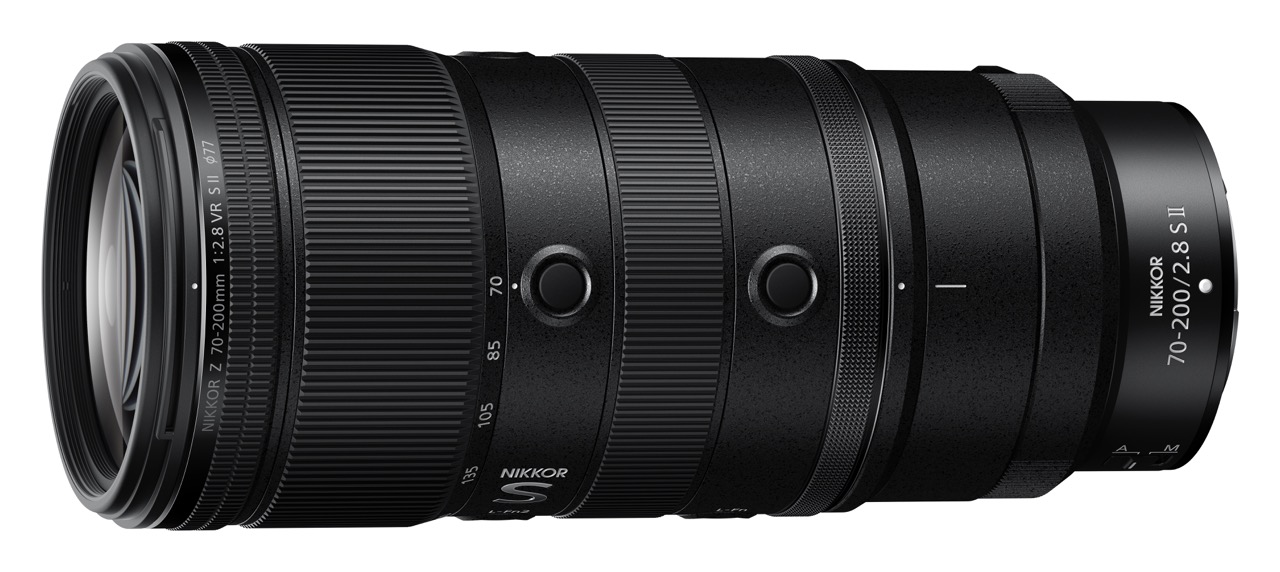
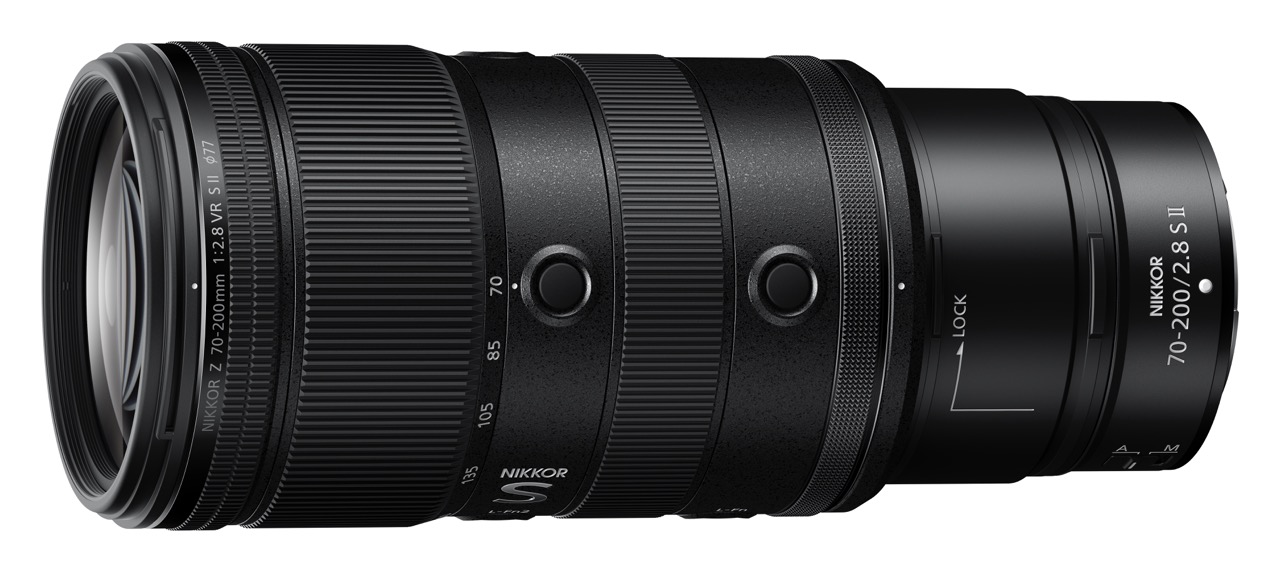
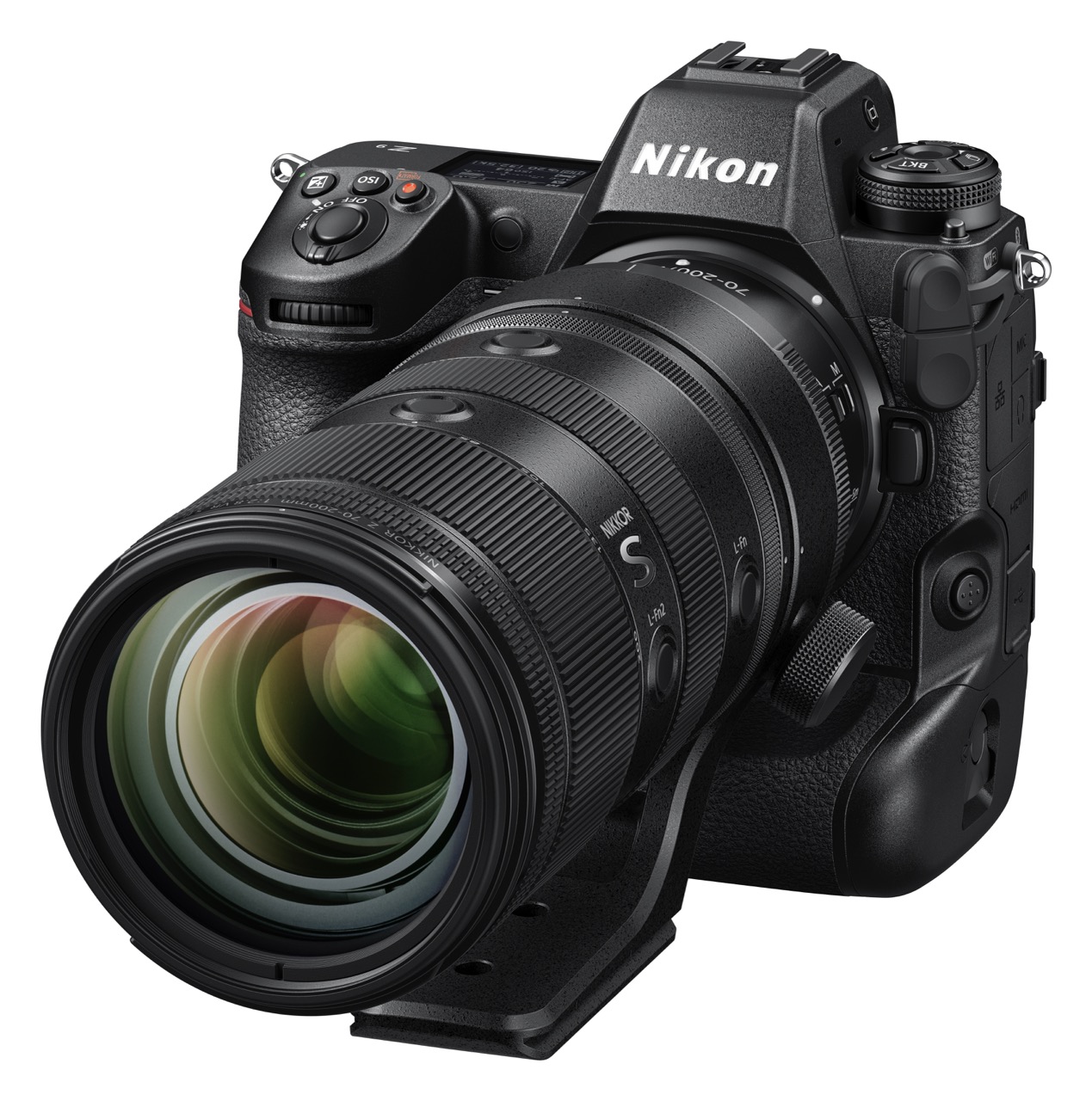
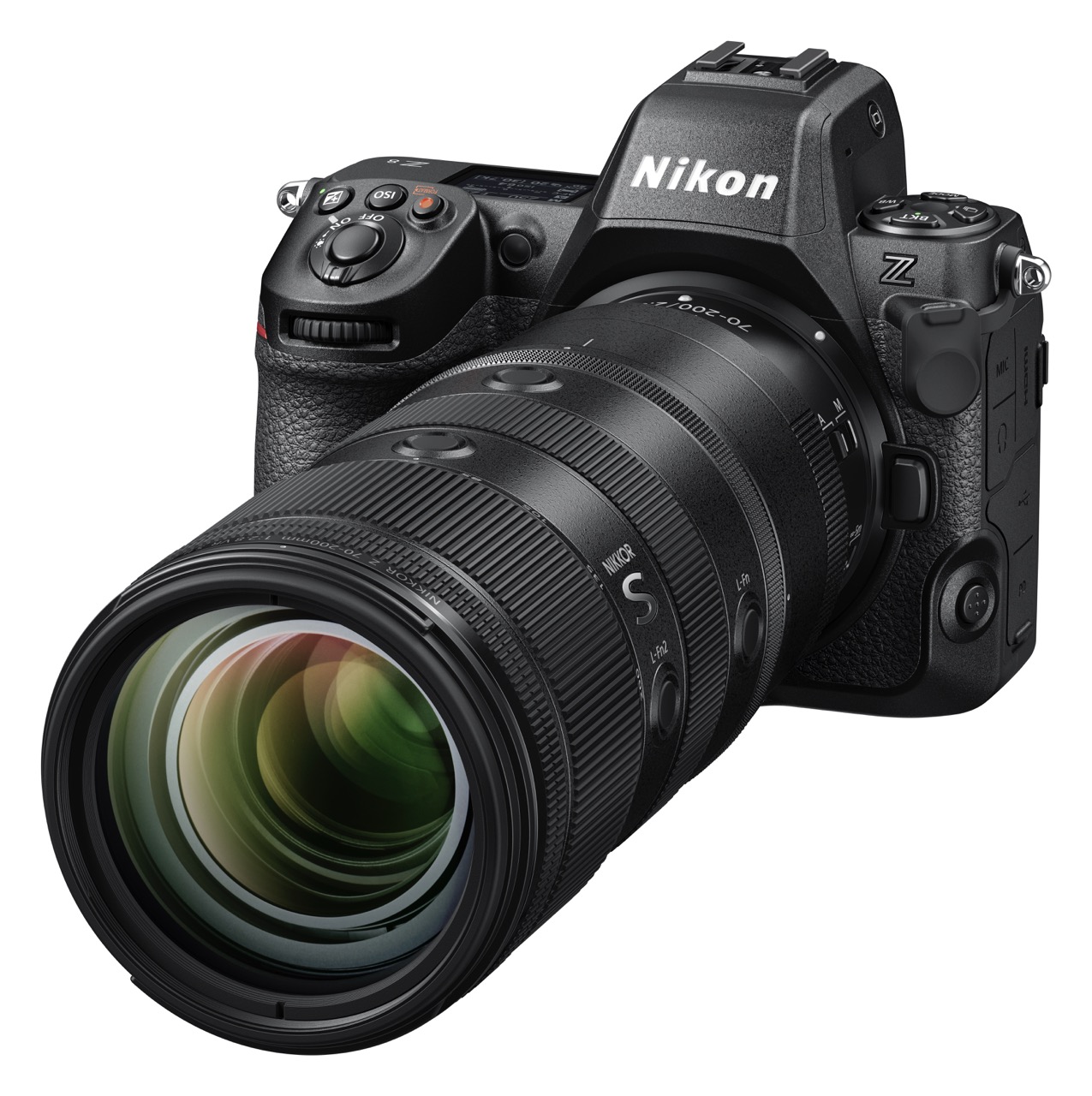
Product Photos




Full Nikon Press Release
FASTER, LIGHTER, MORE PRECISE: THE NEW NIKKOR Z 70-200MM F/2.8 VR S II LENS IS ENGINEERED FOR THE PROFESSIONAL IN PURSUIT OF PERFECTION
The Second Generation of Nikon’s Renowned Z 70-200mm f/2.8 is the Lightest in its Class1.
MELVILLE, NY (February 23, 2026) Nikon Inc. has announced the NIKKOR Z 70-200mm f/2.8 VR S II, a premium-grade fast telephoto zoom lens for full-frame/FX format mirrorless cameras. This second-generation version of Nikon’s most popular pro-level fast telephoto zoom delivers improved optical performance, faster focusing, and a 26% lighter weight than its first-generation predecessor.
With a fast f/2.8 constant aperture and versatile focal range, the 70-200mm f/2.8 is well established as the essential lens for capturing sports, portraits, weddings, and more, with excellent low light performance and naturally beautiful bokeh. This latest S-Line lens improves upon this classic recipe – specifically created for professional photographers and videographers who will not compromise on image quality and capability.
“This lens is a true demonstration of the optical superiority and expertise that Nikon pours into NIKKOR Z S-Line optics, giving professionals ultimate confidence in performance and reliability, day in and day out,” said Fumiko Kawabata, Sr. Vice President of Marketing and Planning, Nikon Inc.
This evolved 70-200mm f/2.8 employs Nikon’s Silky Swift VCM (SSVCM)2 autofocus drive system for highly precise, smooth, and quiet autofocus (AF) control when shooting. Autofocusing is approximately 3.5× faster3, and AF tracking while zooming is approximately 40% better than its well-regarded predecessor, enabling more accurate focusing on rapidly moving subjects like athletes, animals, and vehicles. The optical formula has been thoroughly revised, with a reduction in the number of lens elements and a more optimal placement of aspherical elements. Additionally, Super Extra-low Dispersion (ED) and aspherical ED elements have been adopted for chromatic aberration correction. This formula achieves both a lightweight design and the highest level of rendering performance. What’s more, the lens is exceptionally balanced and features an internal zoom design, making it ideal for gimbal use and comfortable for handheld shooting.
Features of the NIKKOR Z 70-200mm f/2.8 VR S II lens
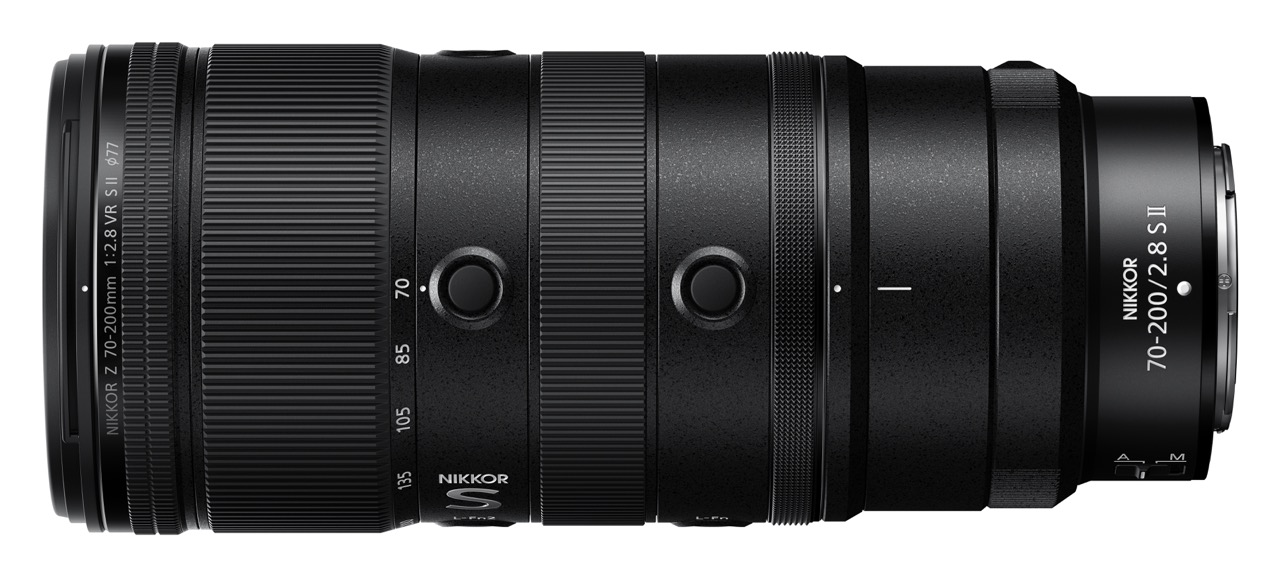
* · The NIKKOR Z 70-200mm f/2.8 VR S II has the lightest weight in its class (998 g*1), achieved by modifying the front lens group configuration and eliminating mechanical components in the moving lens groups. This makes the lens easy to carry and comfortable to use for extended shooting periods. Overall, the lens is 26% lighter and 12mm shorter than its predecessor.
* · The multi-focusing system now utilizes a Silky Swift VCM (SSVCM) to achieve extremely fast, precise, and quiet autofocus for both stills and video.
* · A revised optical formula uses six different types of lens elements – Super ED, aspherical ED, ED, aspherical, fluorite, and Short-wavelength Refractive (SR) to effectively correct lens aberrations for clearer and more natural rendering. Additionally, the lens now features 11 rounded diaphragm blades for more natural, circular bokeh.
* · The lens adopts a Meso Amorphous Coat, which offers the best anti-reflection performance in Nikon history4, and an ARNEO Coat which effectively suppresses ghosting and flares.
* · The minimum focus distance is 0.38 m (wide) and 0.8 m (tele), with a maximum reproduction ratio of 0.3× (wide) /0.25× (tele), letting users get closer to their subjects than ever before.
* · This is the first ever NIKKOR lens to support the use of Arca-Swiss tripod heads5, for smoother tripod mounting and dismounting. A removable tripod collar ring enables smooth switching between portrait and landscape orientation, and a protective cover is included for comfortable hand-held shooting.
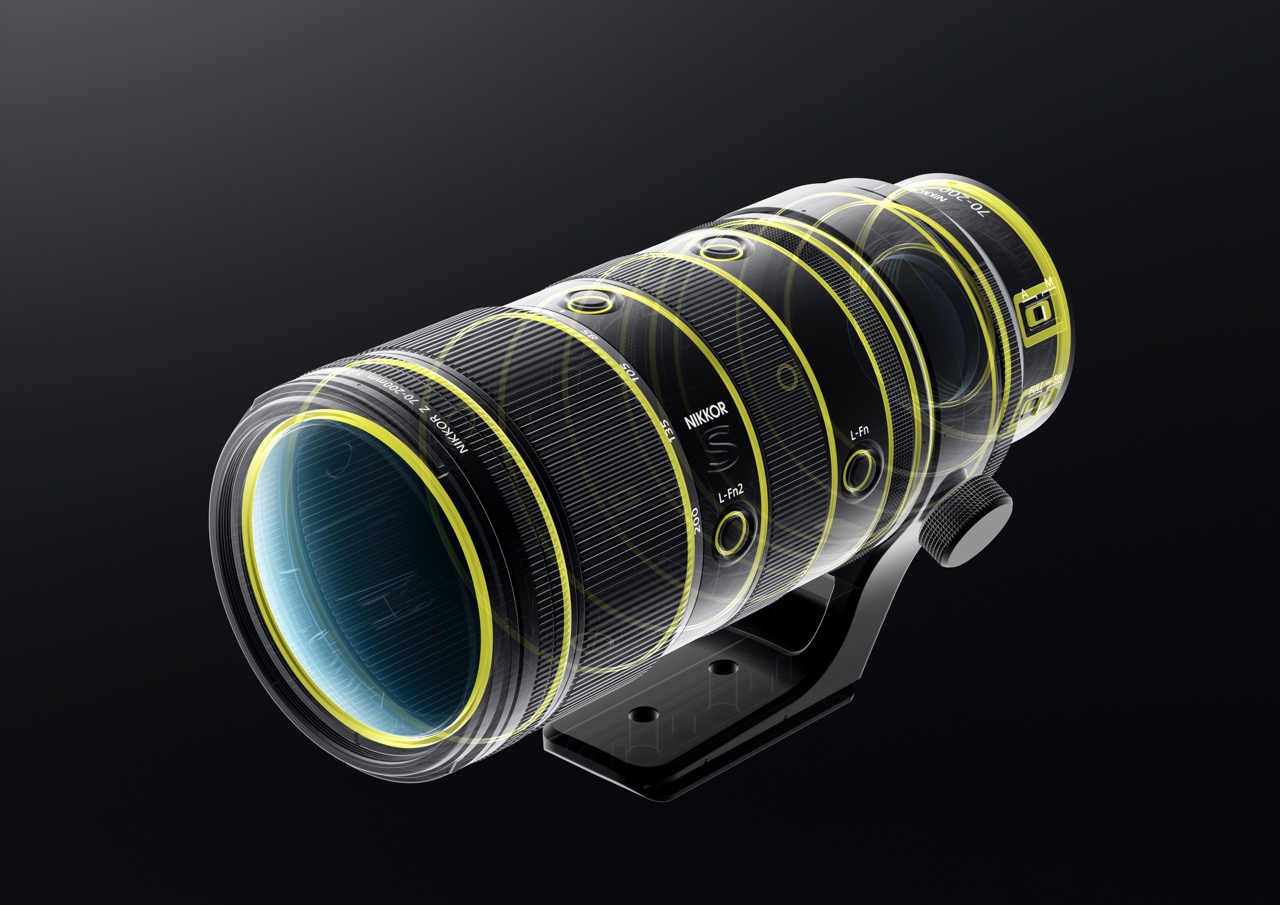
* · The lens offers superior strength and durability for worry-free shooting. The internal zoom mechanism, which maintains a constant lens length when zooming, enables stable operation and contributes to its superior dust- and drip-resistant performance6. A fluorine coating on the front element further protects against dirt and smudges.
Price and Availability
The new NIKKOR Z 70-200mm f/2.8 VR S II lens will be available in late March 2026 for a suggested retail price of $3199.95*. It is available to order now.
For more information about the latest Nikon products, including the vast collection of NIKKOR Z lenses and the entire line of Z series cameras, please visit nikonusa.com.