
Ultimate Guide to the Best Lenses for Food Photography

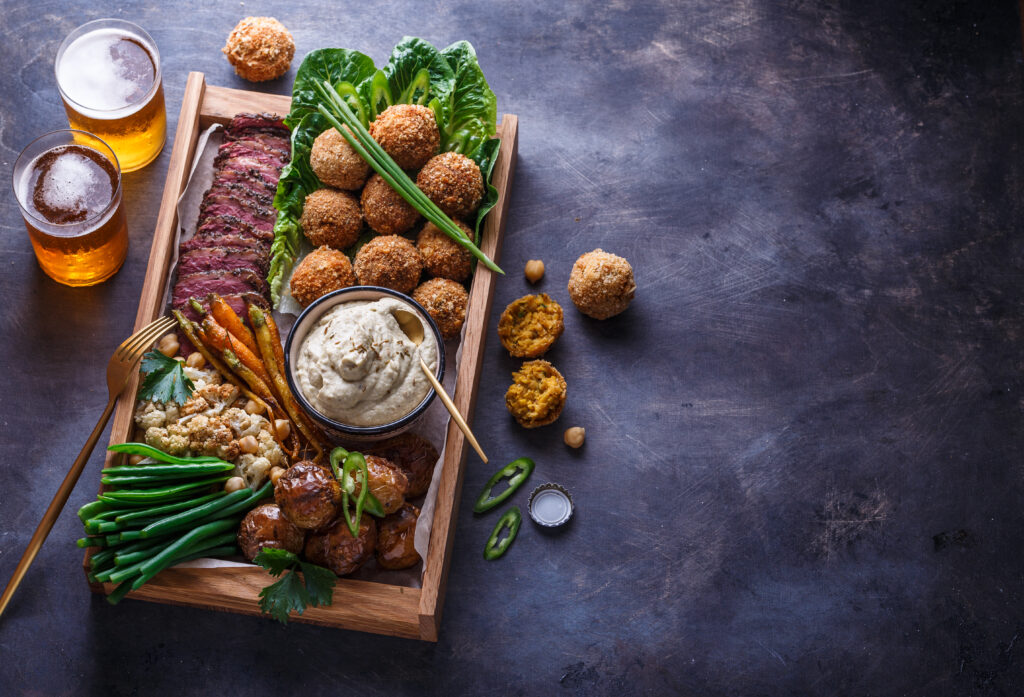
Table of Contents
-
 Canon RF 50mm f/1.8 STM
 -
Canon RF 35mm f/1.8 Macro IS STM
-
Nikon Z 50mm f/1.8 S
-
Nikon Z MC 50mm f/2.8 Macro
-
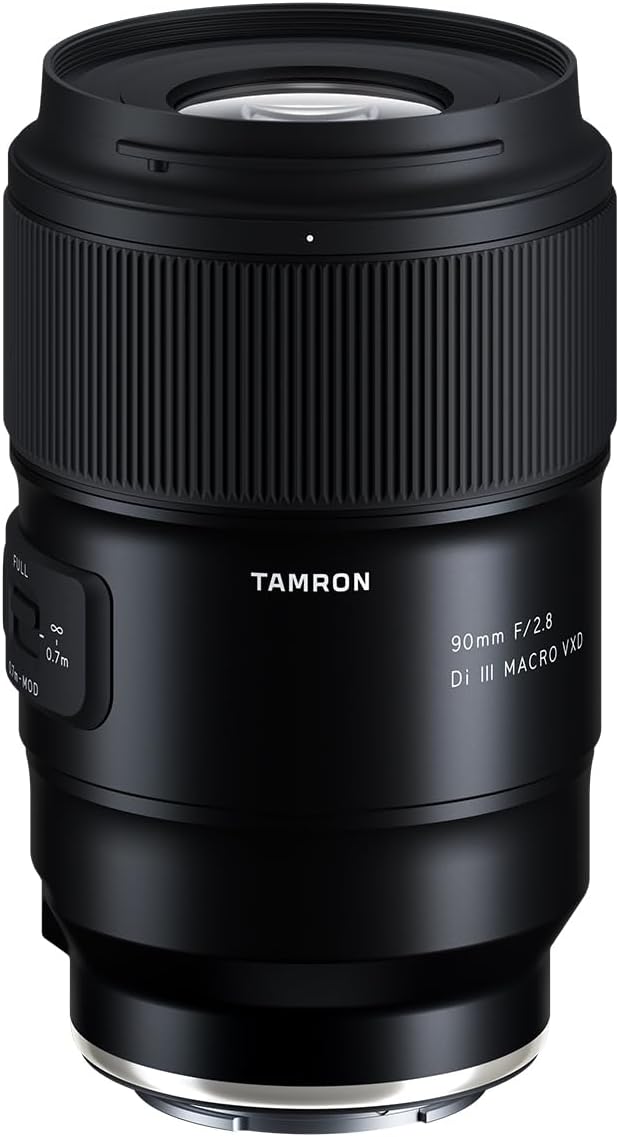
Tamron 90mm f/2.8 Di III VXD Macro
-
Sony 50mm f/2.8 Macro
-
Viltrox 85mm f/1.8 II
-
Tamron 90mm f/2.8 Di III VXD Macro for Z-Mount
-
Sigma 50mm f/1.4 DG DN Art
-
Sigma 105mm f/2.8 DG DN Macro ART
-
FujiFilm XF 35mm f/1.4 R
-
Fujifilm XF 56mm f/1.2 R
-
Sigma 50mm f/1.4 DG DN Art
-
Sigma 105mm f/2.8 DG DN Macro ART
I love eating good food almost as much as I love photographing it. For many, capturing a great meal is an essential part of enjoying it. During a two-week trip to Singapore, famous for its food scene, I photographed nearly every meal, coffee, and drink. And photographed those meals with a lens found here in our lenses for food photogrpahy guide.
For photographers working in editorial or commercial roles, food photography is essential to their careers. Modern cameras all handle food photography well, but not all lenses excel at it. The kit lenses that come bundled with cameras generally lack the aperture size and sharpness required, resulting in images that lack impact.
Good food photography starts with good lenses. You’re looking for great image quality, wide-open apertures to make the food stand out from the background, and close-focus or macro abilities. Our list of tips for food photography can help you make your food look its best.
Most of the time, you’re going to want a lens with a wide aperture like f/1.8 or f/1.4 because with food as such a small subject, you want it to jump out without a distracting background. A wide aperture gives great separation between the food and the colors and shapes in the background. If you want to show off the food in its environment (say, a cocktail with the hands of the bartender handing it to you), you can still adjust the aperture for more detail in the background.
From angled styling shots to overhead detailed layouts, all of these qualities are essential, and in this guide, I’ll show you my favorite lenses in each platform.
Several of the lenses in this guide are macro lenses, and if you’d like to know more about a macro lens, you can find more information in our guide to macro photography.
Why Trust Us
As a travel photographer, I’ve photographed food all over the globe, both on assignment and for myself. I’ve personally reviewed almost all of the lenses in this guide, and the IR staff has evaluated them as well.
Between the IR staff and me, we have photographed food and drinks with dozens of lenses, including all of the lenses in this guide.
Canon RF Mount
Canon’s mirrorless lenses are known for their excellent image quality, and the lenses here offer great image quality, stabilization, and autofocus. Unlike other brands, though, Canon does not license its lens mount information to other manufacturers, so there aren’t good (and less expensive) third-party options.
Canon RF 50mm f/1.8 STM
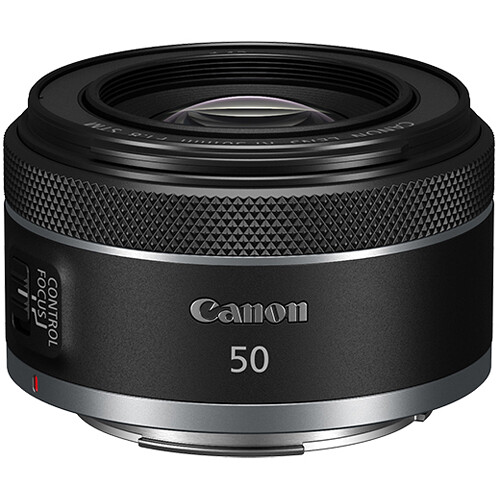
The RF 50mm f/1.8 STM delivers classic 50mm perspective in Canon’s most affordable RF lens package. At 30cm minimum focus distance with 0.25x magnification, it focuses closer than most 50mm lenses, enabling frame-filling shots of individual plates or desserts from a comfortable working distance. The f/1.8 maximum aperture provides strong background separation when shooting at typical food photography apertures of f/2.8 to f/4. Optical construction includes one aspherical element with Super Spectra coating to minimize flare and ghosting. A stepping motor provides smooth, quiet autofocus suitable for video work. The customizable control ring allows direct adjustment of aperture, ISO, or exposure compensation. At 160g, it barely adds weight to mirrorless camera bodies.
- Excellent optical value
- Very compact and light
- Smooth STM autofocus
- Plastic build
- No weather sealing
- AF may hunt in low light
- Focal Length: 50mm
- Aperture: f/1.8
- Weight: 160 g (0.35 lbs)
- Aperture Blades: 7 rounded
- Compatible Mountings : Canon RF
This all-around excellent Canon lens is one I shoot with regularly, not just for food photography, but also as my go-to lens for general portrait and some close sports work. It also makes a great food photography lens because of its wide open aperture and super-sharp image quality.
The f/1.8 aperture blurs the background beautifully, which is why I use this as a portrait lens. This lens has a 30cm (12-inch) minimum focal distance, which is great if you want to get up close to your subject.
Find this lens in our Best Canon Budget Lenses Guide
Canon RF 35mm f/1.8 Macro IS STM
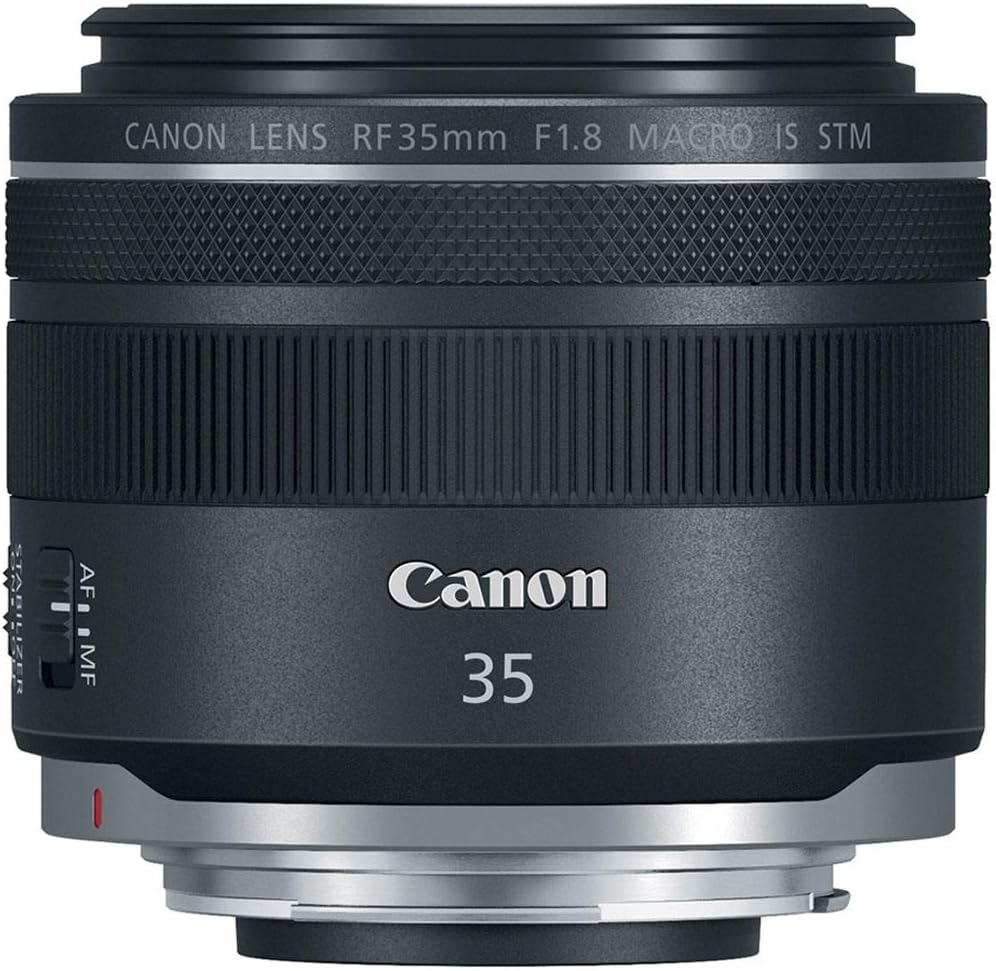
Canon’s versatile 35mm prime combines traditional focal length with true 0.5x macro magnification capability. The f/1.8 maximum aperture provides good low-light performance, while the 5-stop optical stabilization enables sharp handheld shooting in challenging conditions. The STM autofocus motor delivers smooth, quiet focusing for both stills and video applications.
- The 0.5x macro magnification capability eliminates the need for separate macro lenses when photographing small subjects and details.
- The 5-stop optical image stabilization enables sharp handheld shooting in low-light conditions and at slower shutter speeds.
- The 35mm focal length provides versatile framing for street photography, environmental portraits, and general travel shooting.
- The pricing exceeds basic 35mm prime alternatives that lack macro capability and image stabilization features.
- The lens lacks weather sealing protection for shooting in challenging environmental conditions.
- The autofocus performance slows when operating in the macro focus range compared to standard focusing distances.
- Focal Length: 35mm
- Aperture: f/1.8
- Stabilization: 5 stops
- Weight: 305 g (0.67 lbs)
- Compatible Mountings: Canon RF
- Optical Construction: 9 rounded aperture blades
Another great lens that lives in my camera bag full time, the Canon 35mm f/1.8 Macro IS STM has a great wider field of view than the 50mm (for more of the background in your shots), but has an extra feature that the 50mm does not have. As a macro lens, you can get super-detailed shots of your food or drinks. When you want details on the food, like individual garnishes, the shape of stemware, and details of the ingredients, a macro lens rules supreme.
Find this lens in our Best Canon Budget Lenses Guide and the Best Travel Lens guide.
Nikon Z Mount
Nikon is known for optical performance, and the Z-mount lenses deliver that, often in lenses that are smaller than its previous DSLR counterparts. Nikon’s S-line lenses are more pro-oriented, so they feature weather sealing and premium construction. These two features aren’t strictly needed for food photography, but one is included in this guide because of its great image quality and wide aperture.
Unlike Canon, Nikon has a wider selection of third-party lenses, though not nearly as many as Sony, and the Tamron lens in this guide can be found in the Sony mount as well.
Nikon Z 50mm f/1.8 S
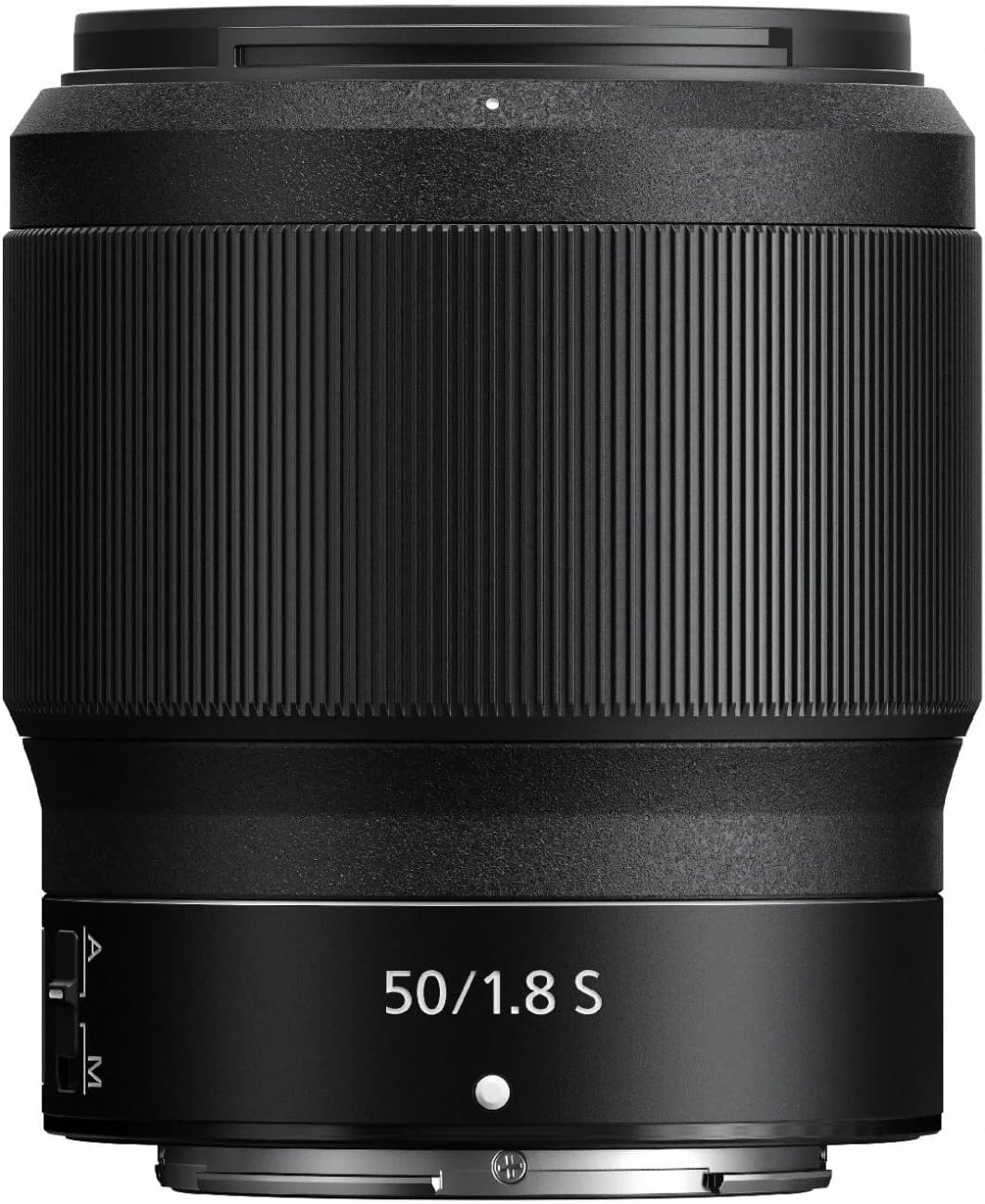
The Z 50mm f/1.8 S represents Nikon’s S-line commitment to exceptional optical quality in an accessible package. Weather-sealed construction and premium materials exceed typical f/1.8 prime standards. Optical construction includes twelve elements in nine groups with two ED elements, two aspherical elements, plus Nano Crystal and ARNEO coatings for superior flare resistance. The lens focuses to 40cm with 0.15x magnification, adequate for framing individual plated dishes though not true close-up work. Dual stepping motors provide fast, silent autofocus that tracks reliably even in challenging restaurant lighting. The nine-blade aperture diaphragm creates smooth bokeh with minimal onion-ring artifacts in out-of-focus highlights. Focus breathing is essentially eliminated, making this lens equally capable for video work. A customizable control ring provides direct lens-based adjustment of aperture, ISO, or exposure compensation. At 415g, it balances well on Z-mount bodies.
- Exceptional corner-to-corner sharpness even at f/1.8 delivers professional image quality on high-resolution sensors.
- Weather-sealed construction with fluorine coating on front element provides confidence in demanding restaurant environments.
- Nano Crystal and ARNEO coatings effectively suppress flare and ghosting when shooting toward windows or artificial lights.
- Minimum focus distance of 40cm with 0.15x magnification limits close-up capability compared to dedicated macro lenses.
- Premium pricing at approximately $600 reflects S-line construction quality beyond typical f/1.8 prime expectations.
- 62mm filter thread represents less common size requiring dedicated filters or step-up rings.
- Focal Length: 50mm
- Maximum Aperture: f/1.8
- Minimum Aperture: f/16
- Aperture Blades: 9 (rounded)
- Image Stabilization: No (relies on in-body stabilization)
- Autofocus Motor: Dual stepping motors
This is a tremendous 50mm lens that I have used constantly, especially in testing new Nikon bodies. It has superb image quality, and a focus distance of around 40cm (about 16 inches) makes it perfect for up-close shots of food that still has some background elements. This lens is a fantastic choice if you’re into food photography but also want a perfect portrait and general-purpose lens.
See this lens in our Best Nikon Budget Lens Guide.
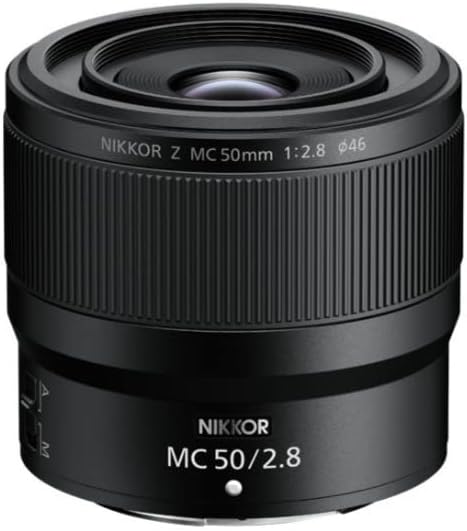
Nikon Z MC 50mm f/2.8 Macro
The Z 50mm f/1.8 S represents Nikon’s S-line commitment to exceptional optical quality in an accessible package. Weather-sealed construction and premium materials exceed typical f/1.8 prime standards. Optical construction includes twelve elements in nine groups with two ED elements, two aspherical elements, plus Nano Crystal and ARNEO coatings for superior flare resistance. The lens focuses to 40cm with 0.15x magnification, adequate for framing individual plated dishes though not true close-up work. Dual stepping motors provide fast, silent autofocus that tracks reliably even in challenging restaurant lighting. The nine-blade aperture diaphragm creates smooth bokeh with minimal onion-ring artifacts in out-of-focus highlights. Focus breathing is essentially eliminated, making this lens equally capable for video work. A customizable control ring provides direct lens-based adjustment of aperture, ISO, or exposure compensation. At 415g, it balances well on Z-mount bodies.
- Exceptional corner-to-corner sharpness even at f/1.8 delivers professional image quality on high-resolution sensors.
- Weather-sealed construction with fluorine coating on front element provides confidence in demanding restaurant environments.
- Nano Crystal and ARNEO coatings effectively suppress flare and ghosting when shooting toward windows or artificial lights.
- Minimum focus distance of 40cm with 0.15x magnification limits close-up capability compared to dedicated macro lenses.
- Premium pricing at approximately $600 reflects S-line construction quality beyond typical f/1.8 prime expectations.
- 62mm filter thread represents less common size requiring dedicated filters or step-up rings.
- Focal Length: 50mm
- Maximum Aperture: f/1.8
- Minimum Aperture: f/16
- Aperture Blades: 9 (rounded)
- Image Stabilization: No (relies on in-body stabilization)
- Autofocus Motor: Dual stepping motors
As a macro lens, the Nikon Z MC 50mm 2/2.8 Macro is a great choice for food photography if you’re looking to capture every detail of your food or drink subjects. With an f/2.8 aperture, it doesn’t provide as blurry a background when used as a standard 50mm, but when focused at macro distances, things truly pop off the plate. This is one of my favorite macro lenses on the market today.
Tamron 90mm f/2.8 Di III VXD Macro
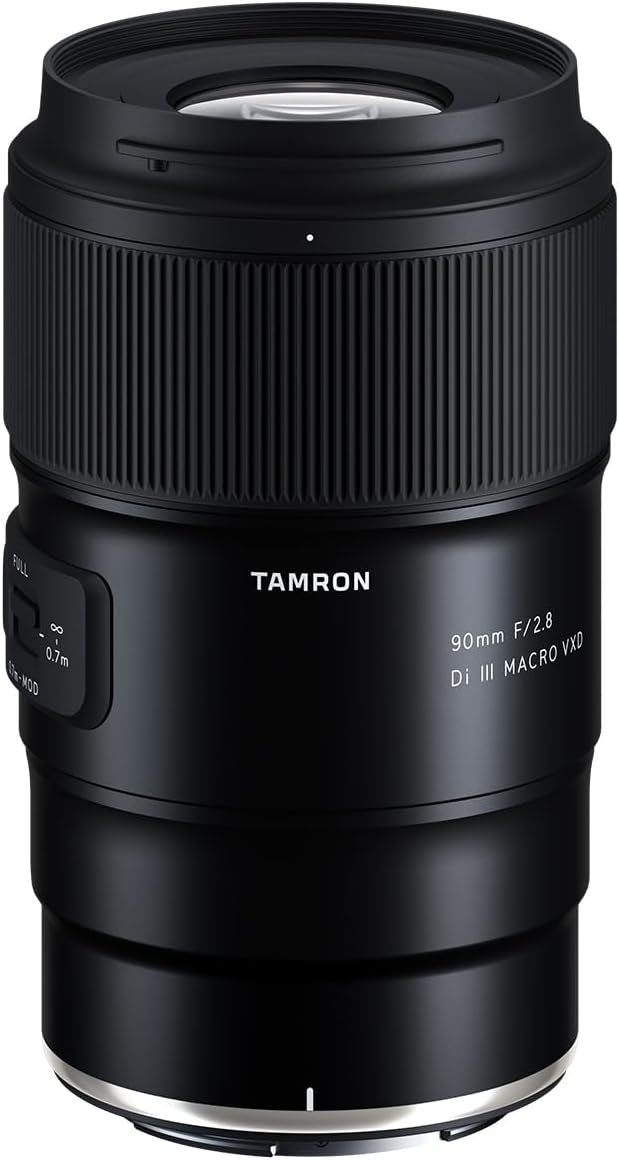
A mid-telephoto macro lens featuring 90mm focal length with f/2.8 maximum aperture and 1:1 life-size magnification. It includes a VXD linear motor for autofocus, optics with 15 elements in 12 groups, including four LD elements, and measures 126.5mm in length with a 67mm filter thread. The lens weighs 630g (22.2 oz) for Sony E-mount and 640g (22.6 oz) for Nikon Z-mount, and offers a minimum focus distance of 0.23m (9.1″) with true 1:1 macro reproduction. Construction features moisture-resistant seals, BBAR-G2 coating, Tamron’s first 12-blade circular aperture diaphragm, and a three-position focus limiter switch.
- Image quality is sharp from the center to the edge.
- The 12-blade circular aperture produces smooth, perfectly circular bokeh and creates distinctive 12-ray starburst effects when stopped down.
- The lens hood features a sliding window that allows filter rotation without removal, particularly useful when working close to subjects.
- The lens lacks optical image stabilization, requiring reliance on in-body stabilization or tripod use for sharpest results.
- Focal Length: 90mm
- Maximum Aperture: f/2.8
- Minimum Aperture: f/16
- Aperture Blades: 12 (circular)
- Optical Construction: 15 elements in 11 groups
- Minimum Focus Distance: 9.1 inches (23cm)
- Maximum Magnification: 1:1 (life-size)
- Filter Diameter: 67mm
- Dimensions (L x Ø): 5.0 x 3.1 inches (126.5 x 79.2mm) for Sony E / 5.1 x 3.1 inches (128.2 x 79.2mm) for Nikon Z
- Weather Sealing: Moisture-resistant construction
- Image Stabilization: None (relies on in-body stabilization)
- Autofocus Motor: VXD (Voice-coil eXtreme-torque Drive) linear motor
- Focus Limiter: Yes (three ranges)
- Mount Compatibility: Sony E-mount (full-frame and APS-C), Nikon Z-mount (full-frame and APS-C)
I’ve shot extensively with this lens in both Nikon and Sony mounts. It’s a true 1:1 macro lens, which means a one-inch-tall shot glass of Russian caviar appears at one inch on the sensor. This lens reveals incredible detail for macro photography, while a 12-bladed aperture produces backgrounds that are as smooth and creamy as a fine sauce.
At 90mm, it’s a bit long for some food photography unless you can back up a bit, but it’s a perfect portrait lens, so you’re getting two types of lenses at one price. It is a tremeound lens, optically speaking, and has pro construction and features without the price of many pro lenses.
This exceptional third-party lens is available in Sony E-Mount as well.
Sony E-Mount
Sony’s E-Mount has the most lens options by far, thanks to its headstart over the competition and its embrace of third-party manufacturers, and we include two in this list.
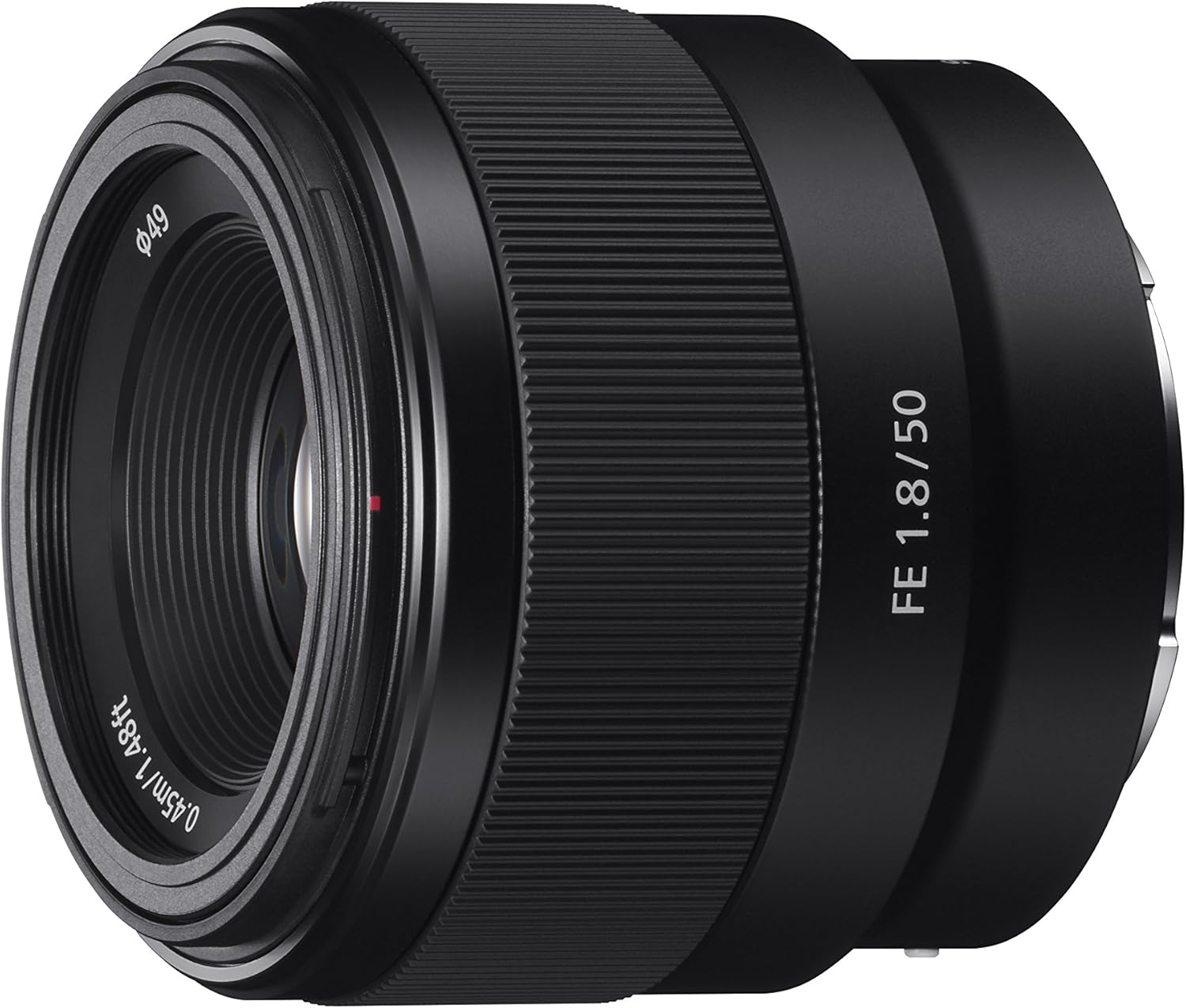
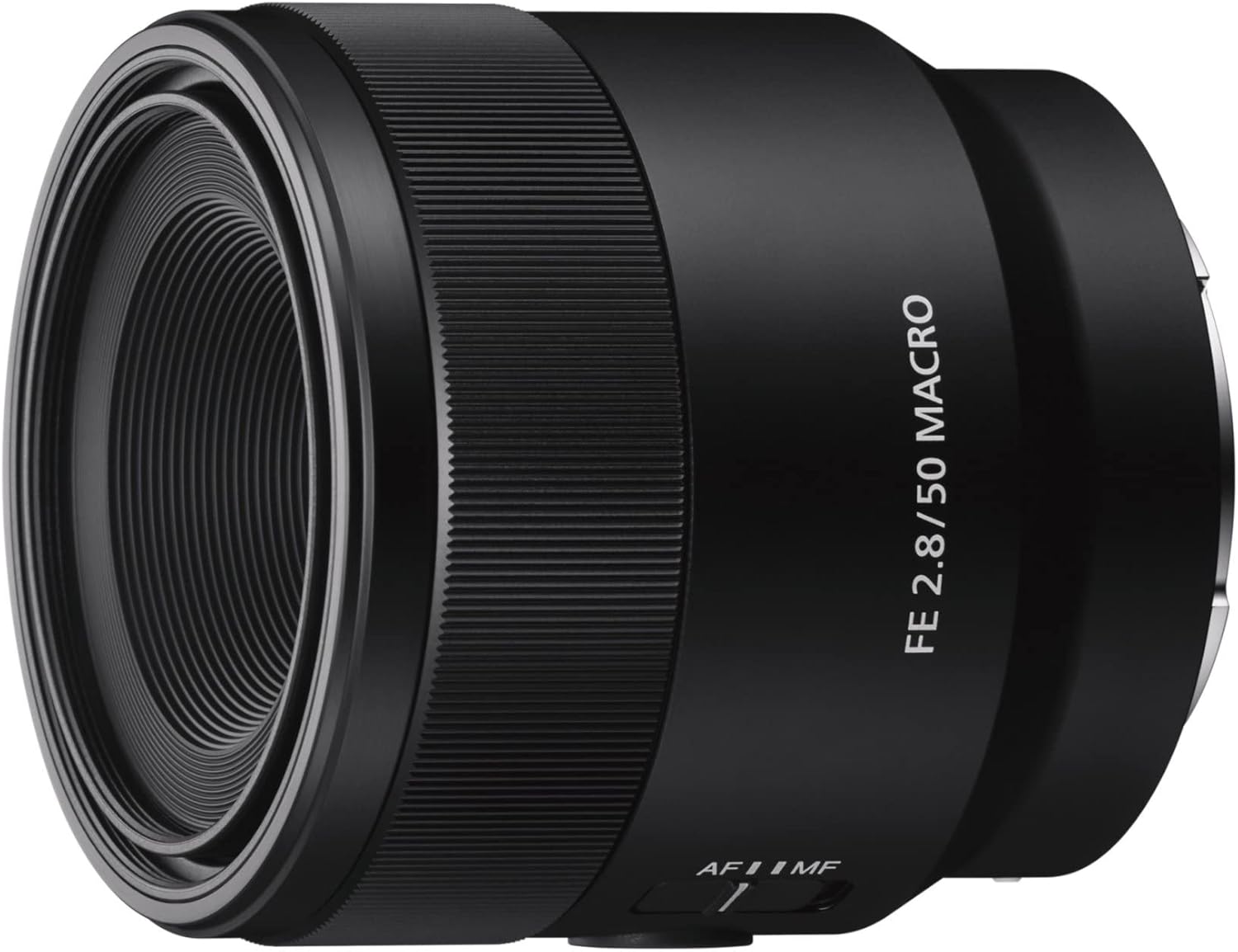
Sony 50mm f/2.8 Macro
This is an excellent macro lens, with a close 16cm (about 6 inches) focus distance. The macro nature means that images are reproduced in life size. A one-inch-tall piece of otoro tuna sushi reproduces at one inch on the sensor. You could make a foot-long portrait of your meal.
It’s one of my favorite lenses because not only is it a great macro lens, it’s a great general portrait lens as well. The f/2.8 aperture means it doesn’t have as blurry a background in typical portrait use compared to an f/1.8, but the blur when used as a macro lens is superb.
Viltrox 85mm f/1.8 II
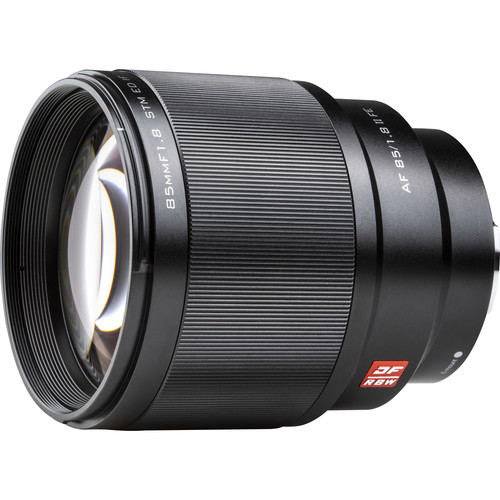
- Autofocus Motor Type: STM (Stepping Motor)
- Image Stabilization: No (Relies on IBIS)
- Lens Mount Compatibility: Sony E (Full-Frame)
- Weather Sealing: No (No weather gasket at the mount)
In the last few years, Viltrox has changed from being a producer of low-end glass to a manufacturer providing excellent image quality and optical performance at a great price. This is a great all-around portrait lens, and the f/1.8 aperture makes it superb for food photography, thanks to the soft, blurry background it produces.
Don’t let the low price of this lens fool you; it’s a great lens, especially for those who are just starting out in food photography.
Tamron 90mm f/2.8 Di III VXD Macro for Z-Mount
A mid-telephoto macro lens featuring 90mm focal length with f/2.8 maximum aperture and 1:1 life-size magnification. It includes a VXD linear motor for autofocus, optics with 15 elements in 12 groups, including four LD elements, and measures 126.5mm in length with a 67mm filter thread. The lens weighs 630g (22.2 oz) for Sony E-mount and 640g (22.6 oz) for Nikon Z-mount, and offers a minimum focus distance of 0.23m (9.1″) with true 1:1 macro reproduction. Construction features moisture-resistant seals, BBAR-G2 coating, Tamron’s first 12-blade circular aperture diaphragm, and a three-position focus limiter switch.
- Image quality is sharp from the center to the edge.
- The 12-blade circular aperture produces smooth, perfectly circular bokeh and creates distinctive 12-ray starburst effects when stopped down.
- The lens hood features a sliding window that allows filter rotation without removal, particularly useful when working close to subjects.
- The lens lacks optical image stabilization, requiring reliance on in-body stabilization or tripod use for sharpest results.
- Focal Length: 90mm
- Maximum Aperture: f/2.8
- Minimum Aperture: f/16
- Aperture Blades: 12 (circular)
- Optical Construction: 15 elements in 11 groups
- Minimum Focus Distance: 9.1 inches (23cm)
- Maximum Magnification: 1:1 (life-size)
- Filter Diameter: 67mm
- Dimensions (L x Ø): 5.0 x 3.1 inches (126.5 x 79.2mm) for Sony E / 5.1 x 3.1 inches (128.2 x 79.2mm) for Nikon Z
- Weather Sealing: Moisture-resistant construction
- Image Stabilization: None (relies on in-body stabilization)
- Autofocus Motor: VXD (Voice-coil eXtreme-torque Drive) linear motor
- Focus Limiter: Yes (three ranges)
- Mount Compatibility: Sony E-mount (full-frame and APS-C), Nikon Z-mount (full-frame and APS-C)
This is the same lens featured in the Nikon section and has all the same great benefits. Read more about it above.
Sigma 50mm f/1.4 DG DN Art
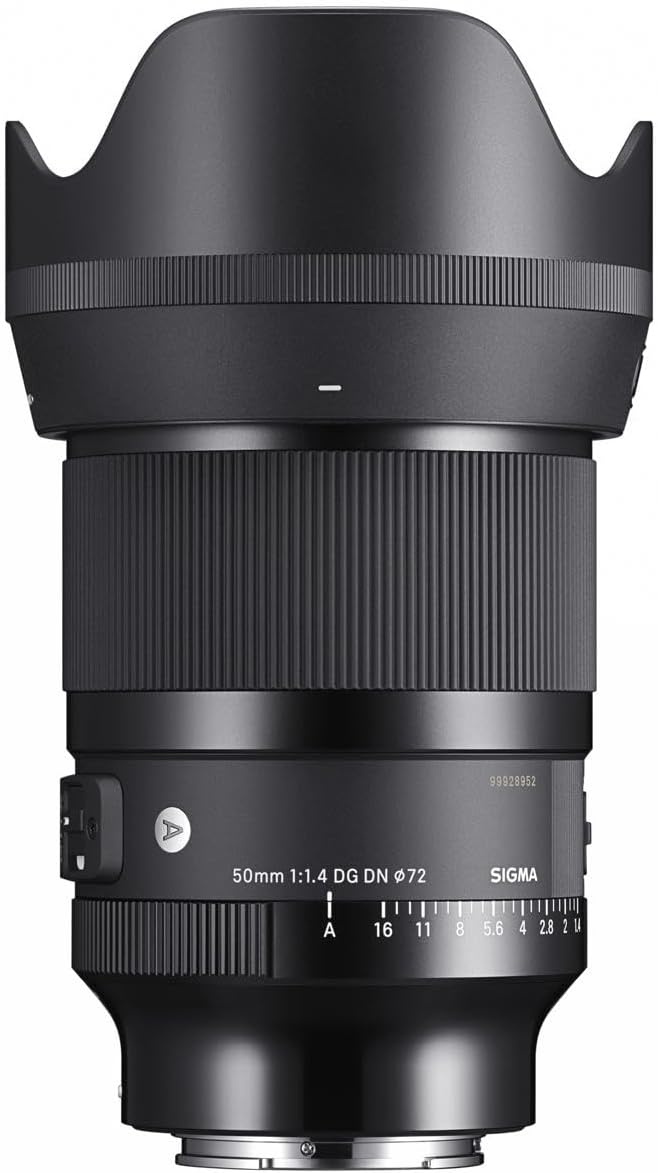
The Sigma 50mm f/1.4 DG DN Art delivers professional-grade optical performance designed specifically for mirrorless systems. At 40cm minimum focus distance with 0.15x magnification, it provides comfortable working distance for framing plated dishes. The fast f/1.4 maximum aperture enables dramatic subject isolation and excellent low-light performance. Optical construction includes thirteen elements in eleven groups including three aspherical elements and two SLD elements. A stepping motor provides fast, quiet autofocus suitable for both stills and video. The de-clickable aperture ring adapts to both photo and video workflows. Dust and splash-resistant construction provides confidence in demanding environments. At 645g, it represents a substantial lens but delivers exceptional optical quality across the frame.
- Fast f/1.4 maximum aperture delivers dramatic background separation and excellent low-light capability for food photography.
- Exceptional optical quality with sharp corners even wide-open rivals prime lenses costing significantly more.
- De-clickable aperture ring with lock function adapts to both photo-focused and video-centric workflows.
- Weight of 645g represents substantial mass for extended handheld shooting sessions.
- Minimum focus distance of 40cm with 0.15x magnification limits close-up capability without extension tubes.
- Premium pricing reflects professional optical design though remains competitive with manufacturer equivalents.
- Focal Length: 50mm
- Maximum Aperture: f/1.4
- Minimum Aperture: f/16
- Aperture Blades: 11 (rounded)
- Image Stabilization: No (relies on in-body stabilization)
- Autofocus Motor: Stepping motor
This lens is also available for Sigma’s L-Mount, and the full description can be found below.
Sigma 105mm f/2.8 DG DN Macro ART
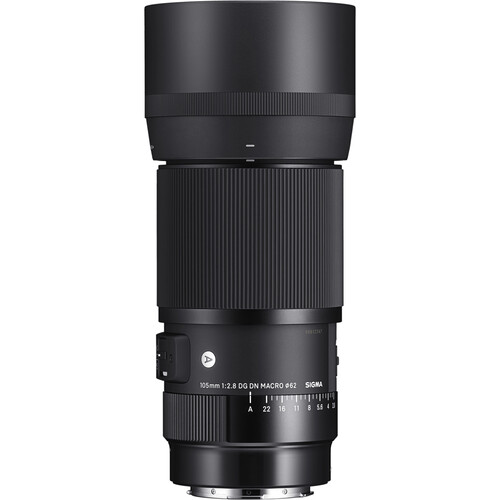
The Sigma 105mm f/2.8 DG DN Macro Art delivers true 1:1 life-size reproduction with professional optical quality throughout the focus range. The longer 105mm focal length provides generous working distance even at 1:1 magnification, preventing lens shadows and enabling comfortable lighting setup for macro food photography. At 29.5cm minimum focus distance, it captures food details at life-size while maintaining excellent subject isolation. Optical construction includes seventeen elements in twelve groups including three SLD elements and one aspherical element. A stepping motor provides fast, accurate autofocus with minimal noise. Dust and splash-resistant construction ensures reliability in demanding environments. A focus limiter switch reduces hunting during macro work. At 710g, it represents professional-grade construction with exceptional build quality.
- High optical quality
- Strong macro performance
- Useful working distance
- Reduced autofocus speed at close range
- Limited stabilization on some models
- Working distance challenges at higher magnifications
- Magnification: One times
- Minimum Focus Distance: 0.295 meters
- Stabilization: None
- Weight: 710 grams
- Aperture Blades: 9 (rounded)
- Autofocus Motor: Stepping motor
This lens is also available for Sigma’s L-Mount, and the full description can be found below.
Fujifilm X-Mount
Fujifilm’s cameras are known for their excellent image quality and small size, due to the exclusively APS-C nature of Fujifilm’s cameras.
That said, APS-C lenses have a “crop” in the background defocus. While an /f1.2 lens lets in as much light on both APS-C and full frame, an f/1.2 lens has the background defocus of an f/1.8 lens, and an f/1.4 lens has the equivalent background defocus of about f/2.1.
They also have an equivalent focal length crop of about 1.5x, so a 35mm lens has the equivalent focal length of a 50mm lens in full frame. In other words, you’ll have less background defocus (or, more background sharpness) with these apertures than equivalent full-frame lenses, and appear longer than their equivalent full-frame lenses.
Food photography and other wide-angle-wide-aperture subjects are one of the weaknesses of the APS-C nature of the Fujifilm system, something to keep in mind when selecting lenses.
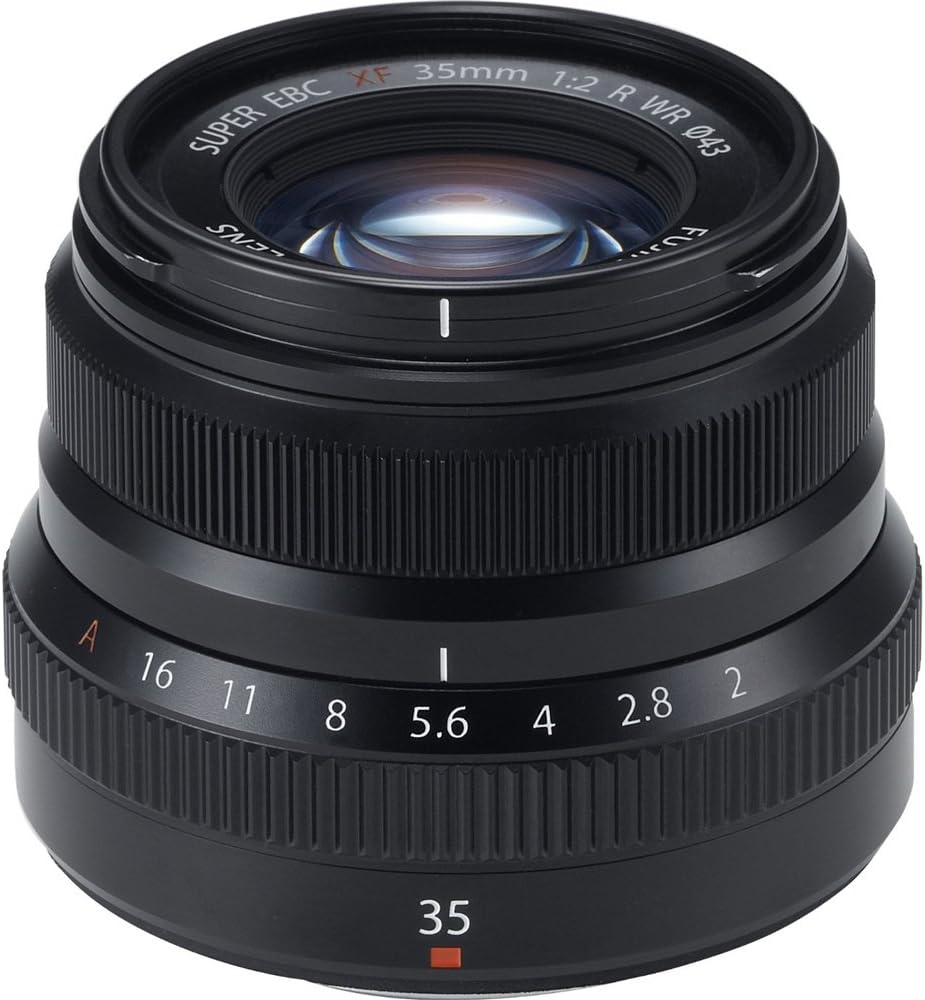
FujiFilm XF 35mm f/1.4 R
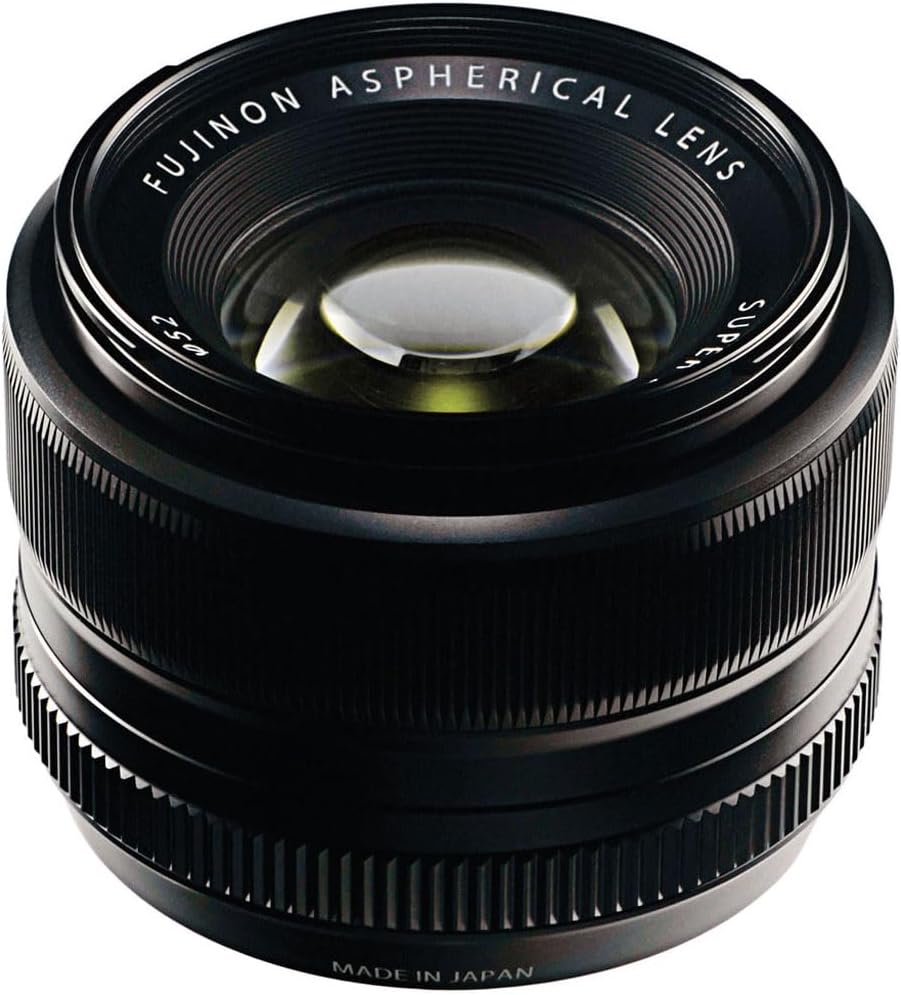
A classic 35mm (52mm equiv.) with a bright f/1.4 aperture and a beloved rendering that gives photos character. It’s compact enough for travel yet delivers the shallow depth and low-light reach many shooters crave.
- Beautiful rendering
- Fast f/1.4
- Compact size
- Older autofocus design
- Not weather sealed
- Focal Length: 35mm (52mm FF equivalent)
- Aperture: f/1.4
- Aperture Blades: 7 (rounded)
- Image Stabilization: No
- AF Motor: Older DC motor
- Weather Sealing: No
This 50mm f/2.1 equivalent lens is a great choice for food photography because it still provides a relatively wide aperture and comes out looking like a 50mm lens, a great focal length for both food photography and portraits. It’s optically an amazing lens, and I have always liked Fujifilm’s more “analog” feel. This lens has a traditional aperture ring with click-stops that make it easy to dial in the perfect amount of background blur.
Fujifilm XF 56mm f/1.2 R
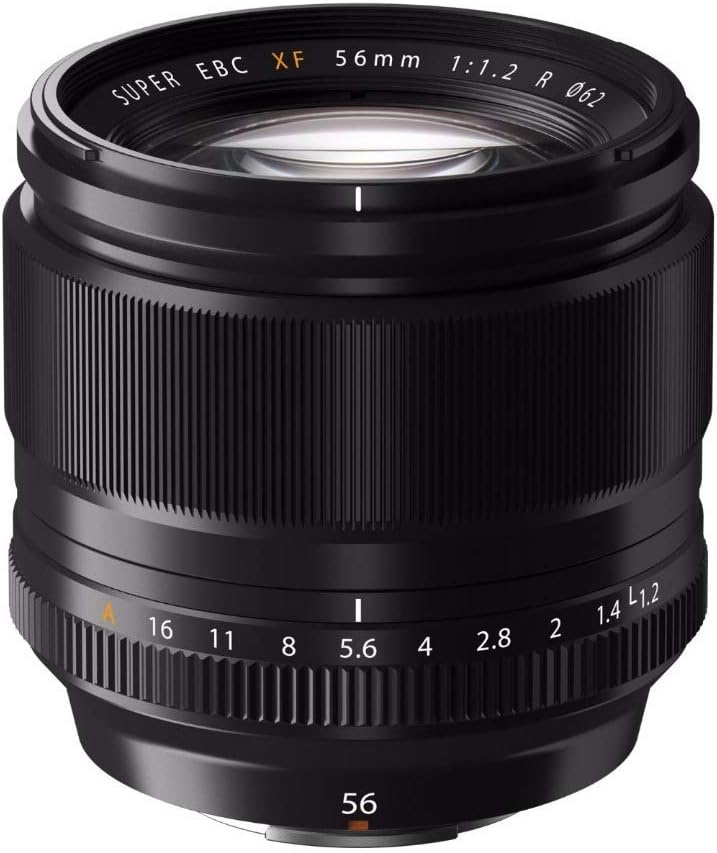
The Fujifilm XF 56mm f/1.2 R is a classic short-telephoto prime that excels at portraits, low-light shooting, and subject isolation. On Fujifilm’s APS-C system, it gives an 85mm full-frame equivalent field of view—ideal for flattering portrait compression and natural background separation. Its bright f/1.2 maximum aperture not only delivers beautiful, creamy bokeh but also helps you shoot in challenging light without pushing ISO too high. The lens combines strong optics with reliable autofocus and a build quality that feels built to last in a travel or everyday kit.
- Beautiful bokeh: The wide f/1.2 aperture creates smooth, creamy background blur that’s perfect for portraits.
- Strong optics: Excellent sharpness wide open and superb contrast.
- Flattering focal length: On APS-C bodies, the 56mm (≈85mm equiv.) is a go-to portrait length.
- No weather sealing: Lacks full dust/moisture protection, so extra care is needed in rough conditions.
- Size and weight: A bit chunky compared to smaller primes in the XF lineup.
- Price: More expensive than basic primes, though performance justifies the cost.
- Mount: Fujifilm X
- Focal Length: 56mm (≈ 85mm full-frame equivalent)
- Maximum Aperture: f/1.2
- Minimum Aperture: f/16
- Optical Construction: 9 elements in 7 groups
- Aperture Blades: 7 (rounded)
With the aperture and focal length crops, this lens works like an 85mm f/1.8, a nice working distance, and a perfect aperture for food photography. That 85mm focal length is important because the minimum focus distance on this lens is farther than any other in this guide. You’ll still be able to focus nicely on food, you just might have to step back a bit to do so.
L-Mount Alliance
The L-Mount Alliance unites Panasonic, Sigma, and Leica under a common lens mount for interchangeability between Panasonic and Leica bodies. This collaboration provides access to lenses from multiple manufacturers. Most, if not all, of Sigma’s L-Mount lenses are available in Sony’s E-Mount as well.
Sigma 50mm f/1.4 DG DN Art
The Sigma 50mm f/1.4 DG DN Art delivers professional-grade optical performance designed specifically for mirrorless systems. At 40cm minimum focus distance with 0.15x magnification, it provides comfortable working distance for framing plated dishes. The fast f/1.4 maximum aperture enables dramatic subject isolation and excellent low-light performance. Optical construction includes thirteen elements in eleven groups including three aspherical elements and two SLD elements. A stepping motor provides fast, quiet autofocus suitable for both stills and video. The de-clickable aperture ring adapts to both photo and video workflows. Dust and splash-resistant construction provides confidence in demanding environments. At 645g, it represents a substantial lens but delivers exceptional optical quality across the frame.
- Fast f/1.4 maximum aperture delivers dramatic background separation and excellent low-light capability for food photography.
- Exceptional optical quality with sharp corners even wide-open rivals prime lenses costing significantly more.
- De-clickable aperture ring with lock function adapts to both photo-focused and video-centric workflows.
- Weight of 645g represents substantial mass for extended handheld shooting sessions.
- Minimum focus distance of 40cm with 0.15x magnification limits close-up capability without extension tubes.
- Premium pricing reflects professional optical design though remains competitive with manufacturer equivalents.
- Focal Length: 50mm
- Maximum Aperture: f/1.4
- Minimum Aperture: f/16
- Aperture Blades: 11 (rounded)
- Image Stabilization: No (relies on in-body stabilization)
- Autofocus Motor: Stepping motor
The Sigma 50mm f/1.4 DG DN Art is one of my go-to lenses, and I think it’s one of the strongest offerings from Sigma. I’ve shot this lens extensively on Sony, and it’s one of my favorite all-around lenses.
The optical quality is superb, and the f/1.4 aperture is excellent for background blur. It’s dust and splash resistant, which isn’t so important in the dining room, but makes this a great choice for an all-around travel lens that also happens to take great travel food photos.
Sigma’s “Art” lineup is known for its image quality; it’s the company’s highest-end glass from an optical standpoint. The tradeoff is that it’s a very large, heavy lens compared to others in this guide.
This lens is also available in Sony’s E-Mount.
Sigma 105mm f/2.8 DG DN Macro ART
The Sigma 105mm f/2.8 DG DN Macro Art delivers true 1:1 life-size reproduction with professional optical quality throughout the focus range. The longer 105mm focal length provides generous working distance even at 1:1 magnification, preventing lens shadows and enabling comfortable lighting setup for macro food photography. At 29.5cm minimum focus distance, it captures food details at life-size while maintaining excellent subject isolation. Optical construction includes seventeen elements in twelve groups including three SLD elements and one aspherical element. A stepping motor provides fast, accurate autofocus with minimal noise. Dust and splash-resistant construction ensures reliability in demanding environments. A focus limiter switch reduces hunting during macro work. At 710g, it represents professional-grade construction with exceptional build quality.
- High optical quality
- Strong macro performance
- Useful working distance
- Reduced autofocus speed at close range
- Limited stabilization on some models
- Working distance challenges at higher magnifications
- Magnification: One times
- Minimum Focus Distance: 0.295 meters
- Stabilization: None
- Weight: 710 grams
- Aperture Blades: 9 (rounded)
- Autofocus Motor: Stepping motor
Another fantastic lens that’s focal length is a bit long for most food photography, but has exceptional macro capabilities that make food images that really stand out. This is a great lens to use if you’re highlighting the individual details in food, like the moisture on the side of a cocktail glass or a garnish on a cut of fish. Like the 50mm ART lens, it’s large and heavy, but I think it is also one of the best portrait lenses available today, so it’s the equivalent of two lenses in your bag.
FAQ – Food Photography
What focal length works best for food photography?
Focal lengths between 35mm and 100mm work best for food photography, with 50mm representing the sweet spot for most situations. Wider focal lengths like 35mm excel for overhead flat lays and environmental shots showing context, while 50-85mm focal lengths work beautifully for 45-degree angles and intimate detail shots. Macro lenses in the 90-105mm range provide a comfortable working distance for extreme close-ups without casting lens shadows on subjects.
Do I need a dedicated macro lens for food photography?
Not necessarily, though macro capability significantly expands creative possibilities. Standard fast-aperture primes like 50mm f/1.8 lenses handle most food photography situations, including plated dishes, styled table scenes, and modest close-ups. However, true macro lenses with 0.5x to 1:1 magnification reveal food textures, structures, and garnish details impossible with standard lenses, making them invaluable for cookbook work, editorial assignments, and detail-focused social media content.
What aperture should I use for food photography?
Typical food photography apertures range from f/2.8 to f/5.6, balancing subject sharpness with background separation. Shooting wide-open at f/1.4 or f/1.8 creates dramatic isolation but risks losing important elements to shallow depth of field. Apertures around f/4 keep most of a plated dish sharp while blurring backgrounds pleasingly. Overhead shots often benefit from f/5.6 to f/8 to maintain sharpness across the entire styled scene.
How does APS-C sensor size affect depth of field in food photography?
APS-C sensors require wider apertures to achieve the same depth of field as full-frame cameras. An f/2.8 lens on APS-C delivers depth of field equivalent to approximately f/4.2 on full-frame, significantly limiting background separation. APS-C shooters benefit from f/1.2-f/1.4 lenses to achieve depth of field control comparable to f/1.8-f/2.1 on full-frame, making faster apertures more important for achieving professional-looking subject isolation.

Is image stabilization important for food photography?
Image stabilization helps significantly for handheld shooting in a restaurant’s ambient light or when working without tripod support. Five-stop stabilization systems enable sharp handheld shots at shutter speeds several stops slower than traditional handholding rules would suggest. However, much food photography occurs on tripods with controlled lighting, where stabilization becomes less critical. If shooting primarily in studios or with flash, prioritize close-focusing capability and aperture speed over stabilization.
Can I use zoom lenses for food photography?
Zoom lenses work for food photography, but rarely match prime lens performance. Food photography prioritizes close-focusing capability, wide maximum apertures, and exceptional optical quality—characteristics where prime lenses excel. A 24-70mm f/2.8 zoom provides versatility but typically focuses less closely and costs significantly more than fast-aperture primes while delivering less dramatic background separation.
What’s the minimum magnification needed for food detail shots?
Most food photography succeeds with 0.15x to 0.25x magnification, enough to frame individual plated dishes or small desserts. Half-life-size reproduction at 0.5x magnification captures garnishes, sauce drizzles, and texture details True 1:1 macro capability reveals things like sea salt crystals, bread crumb details, and herb leaf veins, but that is a specialized capability needed primarily for extreme close-ups in cookbook and editorial work.
Should I choose manufacturer lenses or third-party alternatives?
Third-party manufacturers like Sigma, Tamron, and Viltrox deliver exceptional optical quality, often matching or exceeding manufacturer lenses at 50-70% of the cost. However, manufacturer lenses typically provide better autofocus, firmware updates, and complete feature support. For food photography specifically, where autofocus speed matters less than optical quality and close-focusing capability, third-party options represent compelling value.
Do I need weather sealing for food photography?
Weather sealing is great when shooting in steamy restaurant kitchens, outdoor dining environments, or locations where moisture and dust present concerns. However, much food photography occurs in controlled studio environments where weather sealing becomes less critical. Prioritize optical quality, close-focusing capability, and maximum aperture over weather sealing unless you regularly shoot in challenging conditions.
What’s the advantage of 90-105mm macro lenses over 50mm macro lenses?
Longer macro focal lengths provide significantly more working distance between the lens and the subject at 1:1 magnification. A 50mm macro lens at 1:1 positions its front element just centimeters from the subject, complicating lighting setup and risking lens shadows. A 90-105mm macro lens maintains comfortable clearance, enabling proper lighting while providing stronger background compression and subject isolation. However, longer macros weigh more and cost more than 50mm alternatives.
Should I shoot food photography in natural light or artificial light?
Both approaches deliver professional results when done properly. Natural light from large windows provides beautiful soft illumination ideal for lifestyle food photography, though you’re limited by time of day and weather conditions. Artificial continuous lighting or flash offers complete control regardless of ambient conditions, enabling consistent results for commercial work. Many professional food photographers use hybrid approaches, combining window light with fill cards or subtle artificial lighting.
What camera settings work best for food photography?
Shoot in manual mode or aperture priority to control depth of field precisely. Use apertures between f/2.8 and f/5.6 for most situations, adjusting based on desired sharpness across the dish. Keep ISO as low as possible (100-400) when working with tripods or adequate lighting to minimize noise. Shutter speed becomes secondary when shooting static subjects on tripods, though handheld shooting requires maintaining speeds above 1/focal length as a minimum guideline.

How important is lens sharpness for food photography?
Sharpness matters, but it’s not the only consideration. Most modern lenses deliver adequate sharpness for food photography at typical working apertures of f/4-f/5.6. More important factors include close-focusing capability, bokeh quality, color rendering, and handling characteristics. Extremely sharp lenses can actually reveal too much detail in food texture, so slight softness at wide apertures often creates more appealing results than clinical sharpness.
Can APS-C lenses work for food photography?
APS-C lenses designed for crop sensors work excellently for food photography on appropriate camera bodies. The smaller image circle requires less optical correction, often resulting in sharper performance and more compact designs. A 35mm lens on APS-C provides a 50 mm-equivalent field of view, ideal for food work. However, APS-C lenses cannot be used on full-frame bodies without severe vignetting, limiting flexibility if you later upgrade camera systems.
What’s the difference between 0.5x and 1:1 macro magnification?
Half-life-size (0.5x or 1:2) magnification captures subjects at half their actual size on the sensor, adequate for most food detail work, including individual garnishes and texture shots. True macro (1:1 or 1.0x) magnification captures subjects at actual size on the sensor, enabling extreme close-ups. Most food photography succeeds with 0.5x magnification, reserving 1:1 capability for specialized extreme close-up work.
Do I need fast autofocus for food photography?
Fast autofocus matters less for food photography than for action or wildlife work, since most subjects remain static. However, reliable autofocus that locks accurately and doesn’t hunt excessively improves your workflow. Manual focus becomes important for macro work where precise focus placement is key
Should I use a tripod for food photography?
Tripods provide stability for precise composition, enable slower shutter speeds with lower ISO, and free your hands for adjusting styling elements between shots. They become essential for overhead flat lay photography, where the camera position must remain consistent while styling elements are adjusted. However, handheld shooting offers flexibility for exploring angles quickly and responding to changing light conditions. Many professional food photographers use tripods for controlled studio work while shooting handheld for editorial and restaurant assignments where mobility matters more.