Best Vlogging Camera 2026: Choices for Every Creators Budget

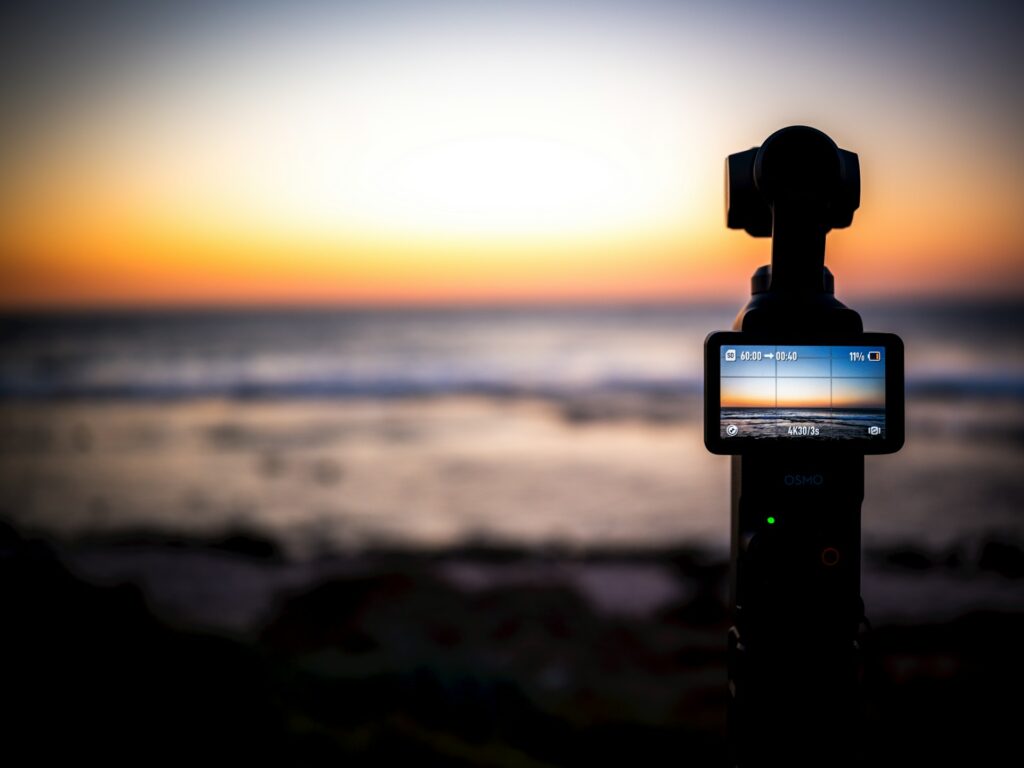
Table of Contents
 Our Picks at a Glance
Vlogging has changed a lot from the early days of grainy, shaky videos and bad audio. Today’s creators expect clean 4K video, good stabilization, and audio that doesn’t sound like it was recorded in a wind tunnel. The good news is that you no longer need a big, expensive setup to get professional results. The best vlogging cameras, hybrids, and even gimbal-based systems now deliver the kind of quality that used to require a full production kit.
This guide breaks down the best cameras across every budget and skill level. Some are simple, pocketable tools designed for daily use, while others offer pro-grade features like interchangeable lenses, fast autofocus, and 10-bit recording. Whether you’re filming travel videos, lifestyle vlogs, or vertical content for social platforms, there’s a camera here perfectly suited to how and where you shoot.
Our Picks at a Glance
Why Trust Us
Our team has shot with nearly every camera category in this guide. And when we haven’t had hands-on access on a camera, we turn to our network of working creators for their real-world impressions.
We judge vlogging cameras on the things creators actually care about: stabilization you can trust while walking, autofocus that finds your face every time, audio quality that doesn’t need heavy post-processing, and ergonomics that let you shoot comfortably for long stretches.
Our picks aren’t sponsored, and brands can’t pay to appear in our guides. While affiliate links support our work, they never influence our rankings.
Best Cameras for Vlogging
Budget Tier cameras are ideal for new creators who want great 4K video in small, easy-to-use bodies. The Sony ZV-1F offers an ultra-wide prime lens perfect for handheld vlogs, while the Canon PowerShot V10 brings a built-in stand and vertical-ready design for creators who shoot on the move.
Best Tier models serve creators who want stronger autofocus, more flexibility, and better image quality. The Sony ZV-1 II adds a versatile zoom lens for tighter framing, the Nikon Z30 and Sony ZV-E10 offer interchangeable lenses for long-term growth, and the DJI Osmo Pocket 3 stands out with its 3-axis gimbal and 1-inch sensor for buttery-smooth footage with no rigging.
Ultimate Tier cameras are for creators who want professional-level video features in compact bodies. The Sony a6700 delivers elite autofocus, 10-bit recording, and IBIS for stable shooting. The Canon EOS R50 V offers oversampled 4K and livestreaming tools for fast publishing. And the Fujifilm X-S20 brings excellent stabilization, a dedicated Vlog mode, and all-day battery life for creators who shoot a lot.
1. DJI Osmo Pocket 3
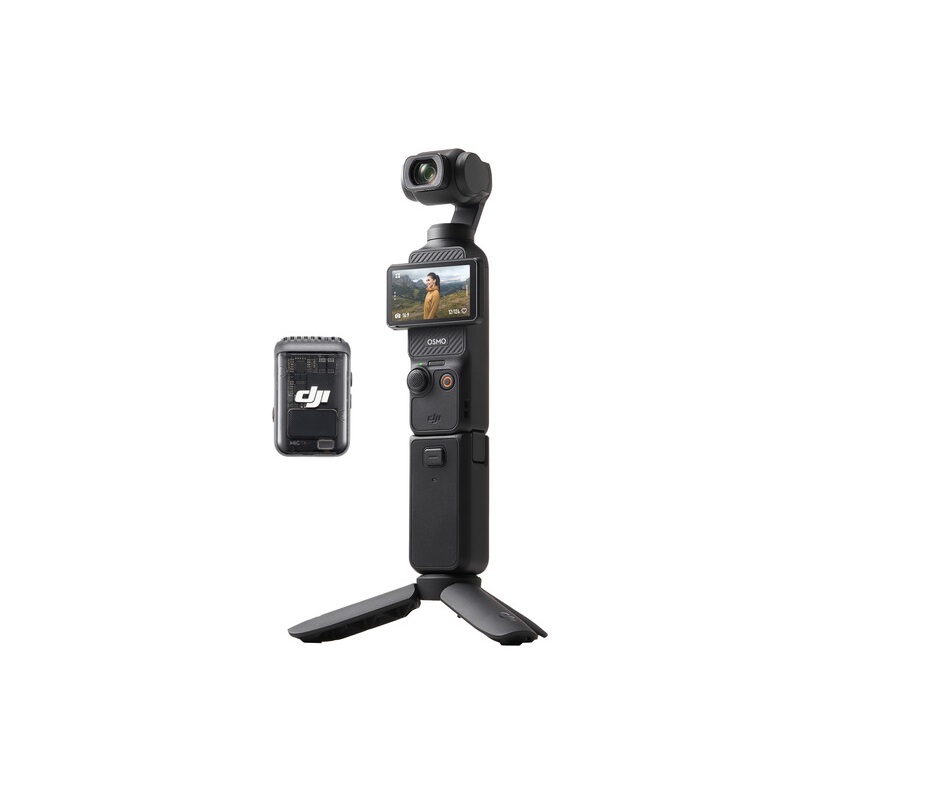
A compact all-in-one vlogging camera featuring a 1-inch CMOS sensor paired with a 20mm-equivalent f/2.0 lens mounted on a mechanical 3-axis gimbal. It records 4K/120p and 10-bit D-Log M, includes a 2.0-inch rotating OLED touchscreen, and supports DJI wireless microphones. The camera weighs 179 g (0.39 lbs) and is designed for stabilized handheld shooting without additional gear.
- 1-inch CMOS sensor captures rich detail and dynamic range
- Gimbal-based 3-axis stabilization for cinematic smoothness
- If you get the Creator Combo, it comes with mic, tripod, and carrying case
- Shorter battery life in 4K/120fps mode
- Limited zoom range compared to larger cameras
- No weather sealing
- Sensor: 1-inch CMOS
- Video: Up to 4K at 120 fps
- Stabilization: 3-axis mechanical gimbal
- Display: 2-inch rotatable touchscreen
- Audio: Includes DJI Mic 2 wireless system
The DJI Osmo 3 isn’t your typical vlogging camera, but it’s my favorite vlogging tool. It has a built-in camera that’s stabilized with a gimbal. The camera can be turned from front-facing to rear-facing with the push of a button. Since the whole camera pivots, you don’t have to choose between a high-quality rear-facing camera or a lower-quality front-facing camera. The Osmo 3 has excellent image stabilization in three axes (up and down, side to side, and tilt) while stabilized “standard” cameras only stabilize in two axes.
The Osmo 3 features DJI’s simple menu system, can be controlled by an app, and can be used for livestreaming. It also works out of the box with DJI’s wireless mics, as well as any other Bluetooth mic.
2. Sony ZV-1F
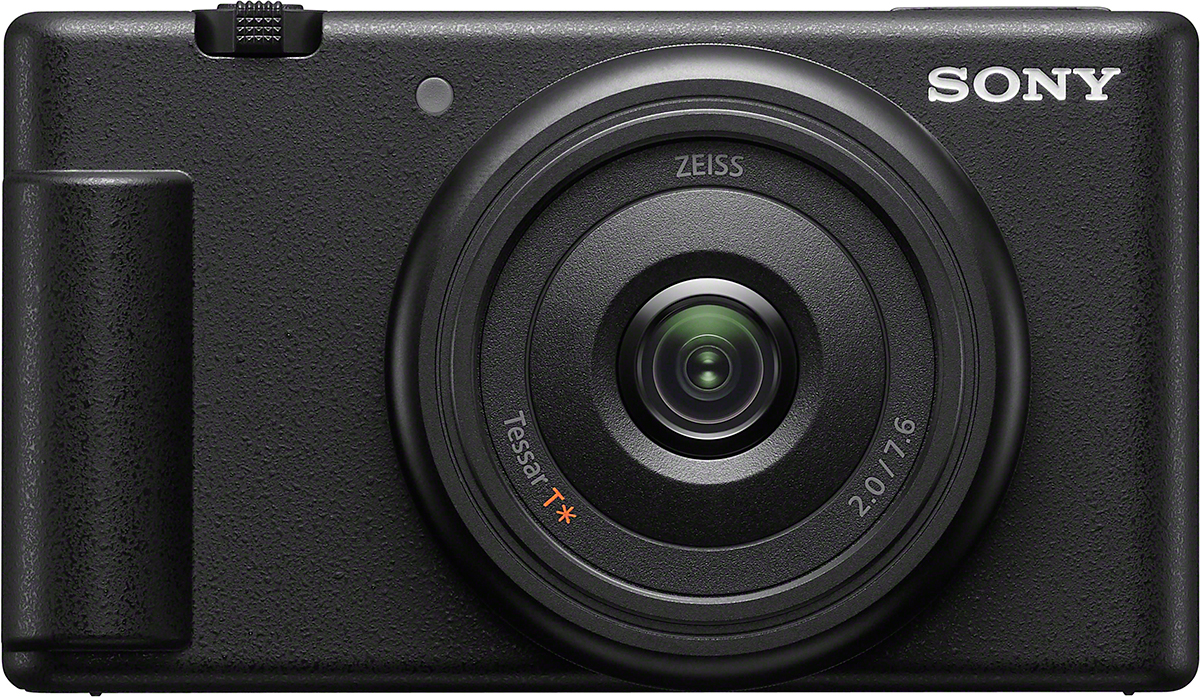
A compact vlogging camera built around a 20.1-megapixel 1-inch Exmor RS CMOS sensor paired with a fixed 20mm-equivalent f/2.0 lens. It records 4K/30p and Full HD/120p video and includes a side-flip LCD, directional 3-capsule microphone, USB-C connectivity, and digital stabilization. The camera is designed for lightweight handheld use with face- and eye-tracking autofocus.
- Compact, lightweight, and beginner-friendly
- Wide fixed lens ideal for handheld vlogging
- Reliable Eye AF and face tracking
- Good color science straight out of camera
- Built-in directional mic with windscreen
- Fixed-focus lens limits flexibility
- No electronic viewfinder
- Mediocre stabilization for walking shots
- Contrast-detect AF slower than hybrid systems
- Sensor: 20.1 MP 1-inch Exmor RS CMOS
- Lens: 20 mm f/2.0 fixed (equiv.)
- Video: 4K 30p, Full HD 120p
- Autofocus: Contrast-detect with Eye AF for humans
- Display: 3-inch fully-articulating touchscreen
- Microphone: Directional 3-capsule array with windscreen included
- Connectivity: USB-C, Wi-Fi, Bluetooth
- Weight: 256 g (body only)
If you’re making your first leap into dedicated camera gear, the Sony ZV-1F is a good place to start. Designed specifically for vloggers and social media video creators. I’ve been using the ZV series of cameras since the ZV-1 launched, and they’re great creator tools. The models with zoom lenses are more versatile than his model (see the ZV-1 II below). The fixed focal length lens is great for selfie recording, and it keeps the costs down while providing a better image than a smartphone can make.
It’s also one of the few pocket cameras that feels purpose-built for creators. A dedicated background-defocus button, front tally lamp, side-flip screen, and directional three-capsule mic make it easy to record yourself without extra gear. There’s no viewfinder or zoom versatility here, but for beginners who want simplicity and portability, I think this is a great choice.
3. Canon PowerShot V10
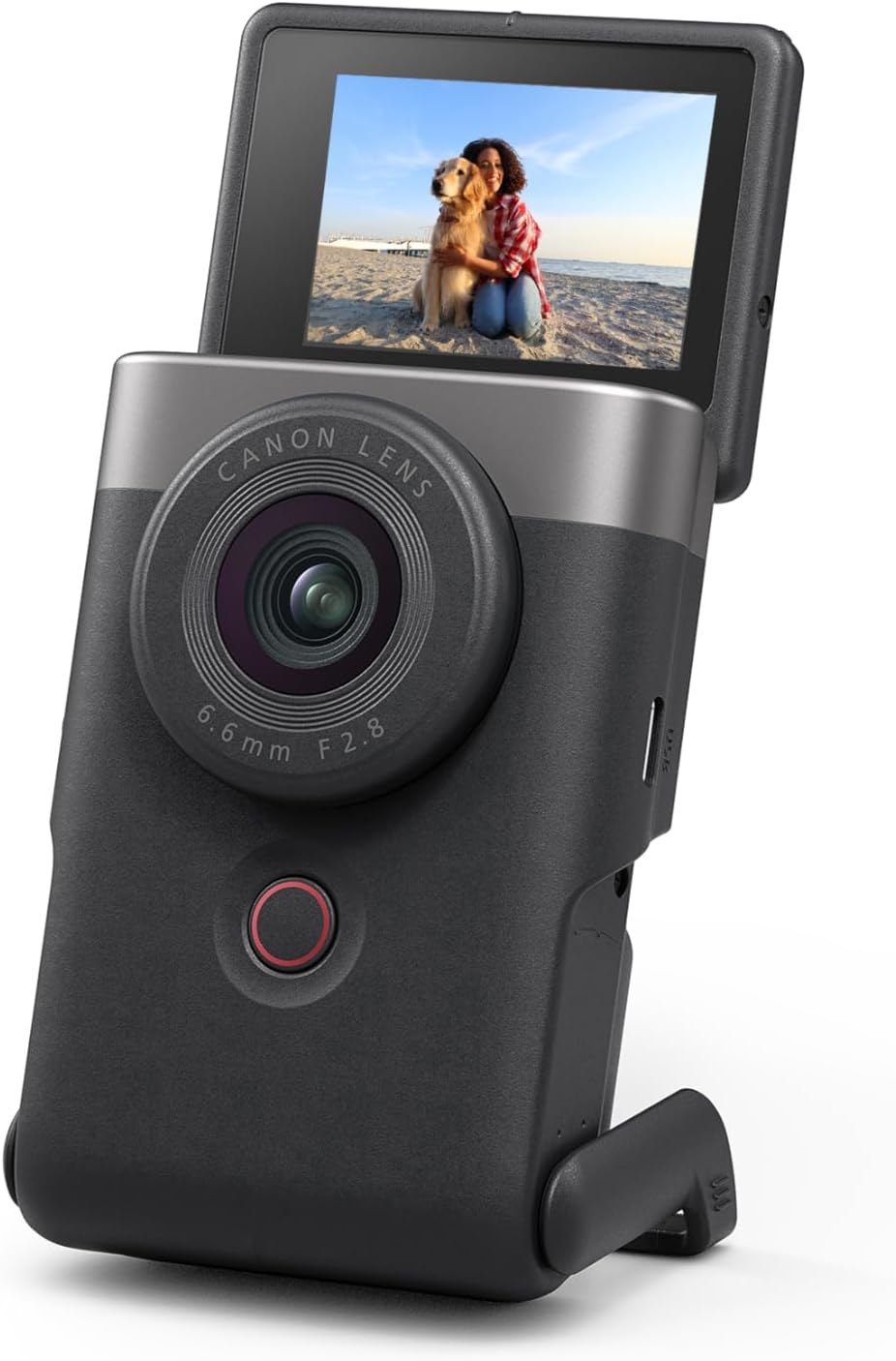
A pocket-sized vlogging camera built around a 1-inch 20.9-megapixel sensor with an 18mm-equivalent f/2.8 prime lens. It records 4K/30p and 1080/60p, features a 2.0-inch flip LCD, and includes stereo microphones with a 3.5mm input. The camera provides digital IS only, supports instant vertical shooting, includes a built-in stand, and weighs 211 g (0.46 lbs).
- Built-in stand
- Vertical-ready design
- Stereo microphones
- No IBIS
- No interchangeable lenses
- Fixed focal length lens limits composition choices
- Sensor: 1-inch, 20.9 MP
- Lens: Fixed 18mm-equiv f/2.8
- Video: 4K/30p, Full HD 60p
- Screen: 2.0-inch flip LCD
- Audio: Stereo mics, 3.5mm mic input
This is one of the most interesting-looking cameras I’ve ever seen, with a design that’s designed for hands-free selfie shooting, or fold up the stand and take it with you. It supports vertical recording natively, which is great if your videos are for TikTok or Instagram, etc.
Like other cameras in the budget tier, it lacks In-Body Image Stabilization (IBIS) and has a fixed focal length lens, but these are typical trade-offs for a lower price and a small size.
4. Sony ZV-1 II
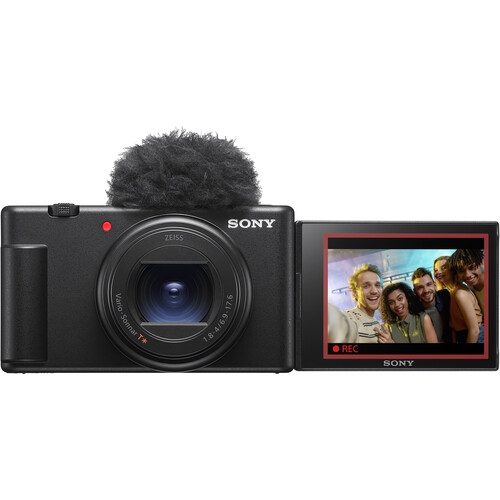
A compact fixed-lens camera using a 1-inch 20.1-megapixel sensor paired with an 18–50mm-equivalent f/1.8–4.0 zoom lens. It records 4K/30p and 1080/120p, includes a 3.0-inch vari-angle LCD, and features a 3-capsule directional microphone with a 3.5mm input and MIS wireless support. Stabilization is digital only, and the camera weighs 292 g (0.64 lbs) with battery and card.
- High Quality Sony video.
- Compact and lightweight.
- Reliable Autofocusing abilities.
- Fully articulating screen.
- Solid built-in stereo microphone and a port for an external microphone.
- No Image Stabilization (IBIS).
- Lack of an Electronic Viewfinder.
- Limited manual controls and buttons.
- No headphone jack to monitor audio levels.
- Sensor: 20.1MP 1″, Type Exmor RS BSI CMOS Sensor.
- Lens: ZEISS Vario-Sonnar T* 18-50mm (35mm Equivalent) f/1.8-4 Lens.
- Video: 4K/30p, Full HD (1080p)/120p.
- Codecs: XAVC S (H.264).
- Features: Cinematic Vlog setting, Product Showcase mode, Background Defocus, Soft Skin Effect, Multi-Face Recognition.
- Audio: Built-in 3-capsule directional microphone with windscreen, 3.5 mm external mic input.
- Connectivity: Wi-Fi, Bluetooth, USB-C, Micro-HDMI.
- Storage: Single SD/SDHC/SDXC/Memory Stick Duo Hybrid card slot.
5. Nikon Z30
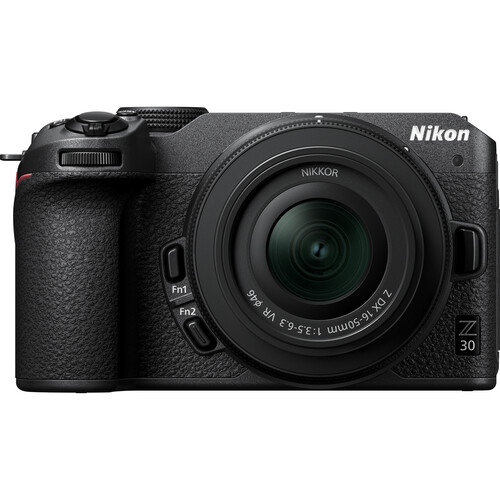
The Nikon Z30 is an APS-C mirrorless camera designed for vloggers and content creators who need interchangeable lenses and better image control than a smartphone can provide. It uses a 20.9-megapixel DX-format CMOS sensor paired with the EXPEED 6 processor and records 4K UHD video up to 30 fps with no crop. The camera includes a fully articulating touchscreen, eye- and face-detection autofocus, built-in stereo microphones, and USB-C power delivery for extended shooting. It lacks an electronic viewfinder but remains lightweight and compact for handheld or tripod-mounted use.
Compact and lightweight body ideal for vlogging
No crop in 4K recording
Fully articulating screen with good touch response
Reliable autofocus with eye detection
USB-C power delivery for long shooting sessions
No in-body image stabilization
No viewfinder for traditional shooting
Single card slot with slower UHS-I speeds
Limited weather sealing
Shorter battery life compared to larger Z bodies
- Sensor: 20.9MP APS-C CMOS
- Lens mount: Nikon Z
- Video: 4K/30p, Full HD 120p
- Screen: 3.0-inch vari-angle LCD
- Audio: Stereo mics; 3.5mm mic input; headphone jack
- Stabilization: Digital only
- Dimensions: 128 × 73.5 × 59.5 mm (5.04 × 2.89 × 2.34 in)
- Weight: 405 g (0.89 lbs) with battery and card
The Nikon Z30 has an APS-C sensor, bigger than your typical point-and-shoot camera, and much larger than the sensor on your smartphone. Larger sensors mean better low-light capabilities and less “noise” in your images, so I recommend APS-C vlogging cameras for people who are also looking for a reliable studio camera, and people who want to take production-quality video for either A or B roll footage.
6. Sony ZV-E10
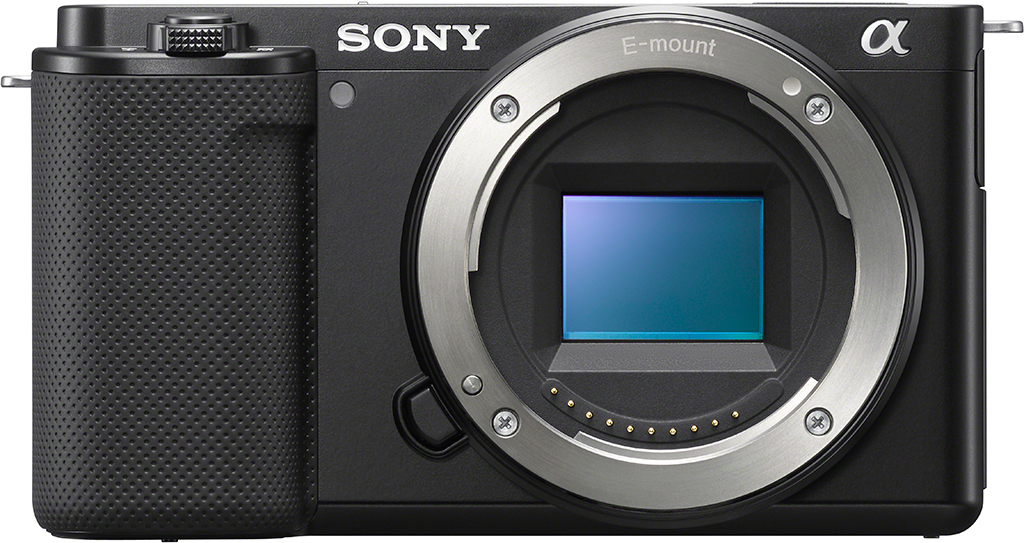
An APS-C interchangeable-lens camera with a 24.2-megapixel sensor and Sony E-mount. It captures oversampled 4K/30p and 1080/120p, features a 3.0-inch vari-angle LCD, stereo mics, 3.5mm mic and headphone jacks, and MIS wireless support. Stabilization is digital only, and the camera weighs 343 g (0.76 lbs) with battery and card.
- Interchangeable lenses
- Oversampled 4K
- Excellent autofocus
- No IBIS
- No viewfinder
- Rolling shutter at 4K
- Sensor: 24.2MP APS-C CMOS
- Lens mount: Sony E
- Video: 4K/30p, Full HD 120p
- Screen: 3.0-inch vari-angle LCD
- Audio: Stereo mics; 3.5mm mic input; headphone jack; wireless mic support
- Stabilization: Digital only
The Sony ZV-E10 is the company’s big sibling to the point-and-shoot ZV cameras in our guide above. The ZV-E10 is an interchangeable lens camera, and I like that it can use a huge array of lenses from Sony and from the dozen-plus companies that make lenses for the system. The ZV-E10 has vlogging-style controls and features, but is a very capable camera as well. If you want one device for video and still photography, but with an emphasis on video, this is the best bet in Sony’s ecosystem.
7. Sony a6700
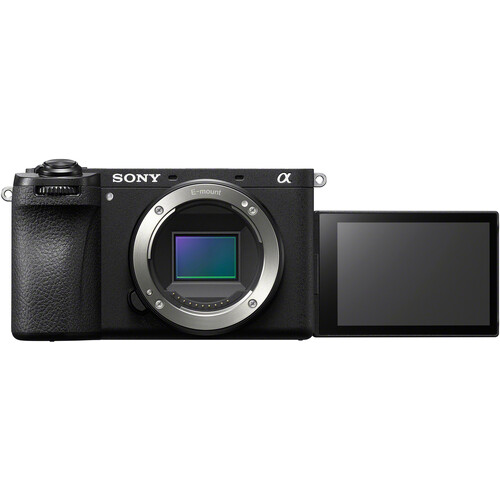
A high-end APS-C mirrorless camera featuring a 26-megapixel BSI sensor and Sony E-mount, offering 4K/120p recording in 10-bit 4:2:2 and 5-axis in-body stabilization up to 5 stops. It includes a 3.0-inch vari-angle LCD, stereo microphones, 3.5mm mic and headphone jacks, and wireless audio support. The camera weighs 493 g (1.09 lbs).
- Class-leading auto-focusing abilities.
- Excellent video capabilities.
- 5-axis in-body image stabilization (IBIS)
- Good Image Quality.
- The menu system can be a little counterintuitive.
- Significant crop at 4K/120p slow-motion mode.
- Single SD card slot.
- A rolling shutter might be visible when panning quickly.
- Sensor: 26.0MP APS-C Exmor R BSI CMOS Sensor.
- Video: 4K/60p (oversampled from 6K, uncropped), 4K/120p (with 1.58x crop), Full HD (1080p)/240p.
- Codecs: XAVC S, XAVC HS (H.265/HEVC, H.264/MPEG-4), supports S-Log3, S-Cinetone, HLG.
- Audio: Built-in stereo microphone, 3.5 mm external mic input, 3.5 mm headphone output
- Connectivity: Wi-Fi, Bluetooth, USB-C, Micro-HDMI.
- Storage: Single SD/SDHC/SDXC (UHS-II) card slot.
- More Features: BIONZ XR Processor & AI Processing Unit, 5-Axis In-Body Image Stabilization (IBIS), AI-powered subject recognition AF, vari-angle touchscreen.
Sony’s a6700 isn’t a “vlogging” camera specifically, but it is an interchangeable APS-C camera from Sony that has all the features a video creator could need. In fact, the video features in the a6700 are straight-up professional level. You get 4K/60p from a 6K sensor, slow-motion 4K/120, and full support for Sony’s professional video standards, like S-Log3, and it can record in Hybrid-Log Gamma, a format that gives you an extended range of colors compared to standard resolution images.
I have used this camera extensively since it was launched, and it’s my go-to recommendation for anyone looking for the best video features in Sony’s APS-C lineup, which also has fantastic image quality and a photo-centric design.
8. Canon EOS R50 V
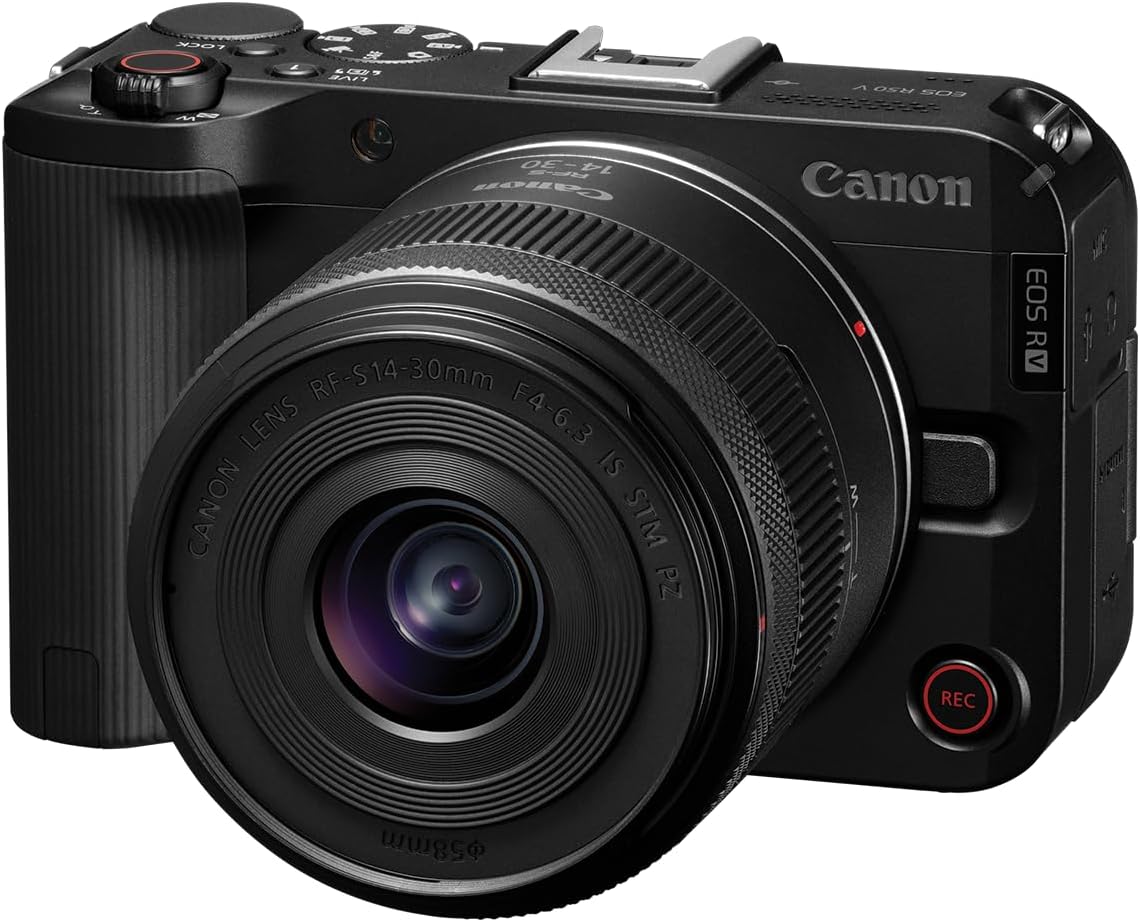
An APS-C RF-mount camera with a 24-megapixel sensor capable of oversampled 4K/30p and 1080/120p recording. It includes a 3.0-inch vari-angle LCD, stereo mics, a 3.5mm mic input, digital stabilization, vertical-video support, and livestreaming capability. The camera weighs 375 g (0.83 lbs).
- Creator streaming tools
- Compact RF APS-C system
- Excellent autofocus
- Limited RF-S lens lineup
- No IBIS
- Sensor: 24 MP APS‑C CMOS
- Processor: DIGIC X
- Autofocus: Dual Pixel CMOS AF II
- Video: 4K 60p, 6K oversample to 4K, FHD 120p; Canon Log 3 / 10‑bit in modes
The Canon EOS R50 V is the company’s interchangeable lens camera designed for vlogging and video creators. It has an APS-C sensor, which provides much better image quality than company cameras and smartphones, and is able to work with all of Canon’s APS-C format lenses. The 24-megapixel sensor can record 4K/30p and HD/120p, which is lower resolution than some other APS-C cameras in their lineup, but still more than good enough for vlogging.
I like the feel of this camera; it’s one of the most comfortable APS-C entry-level-style cameras to use. It lacks IBIS but includes digital stabilization, which crops the image slightly in order to provide stabilized footage. It’s able to capture vertical video when turned sideways, and it can livestream as well.
9. Fujifilm X-S20
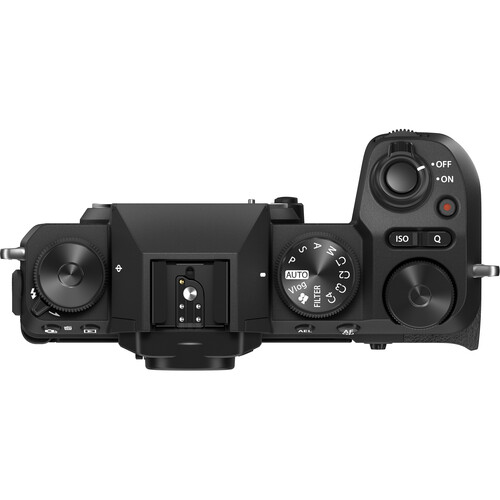
An APS-C mirrorless camera with a 26-megapixel BSI sensor, 5-axis in-body stabilization rated up to 7 stops, and a dedicated Vlog mode. It records up to 6.2K/30p, 4K/60p, and 1080/240p, includes a 3.0-inch vari-angle LCD, and provides stereo mics, 3.5mm mic and headphone jacks, and wireless audio support. The camera weighs 491 g (1.08 lbs).
- Excellent in-body image stabilization (IBIS).
- Improved battery timing due to the NP-W235 battery.
- Good video performance.
- Fujifilm’s widely-appreciated image quality.
- Small and low-resolution electronic (2.34 million dots) viewfinder.
- Single SD card.
- Uses a Micro-HDMI port.
- Sensor: 26.1MP APS-C X-Trans CMOS 4 Sensor
- Video: 6.2K/30p, 4K/60p, Full HD (1080p)/240p (10-bit internal)
- Codecs: Apple ProRes, Blackmagic RAW (via HDMI), F-Log2, H.265/HEVC, H.264/MPEG-4
- Audio: Built-in stereo microphone, 3.5 mm external mic input, headphone output
- Connectivity: Wi-Fi, Bluetooth, USB-C, Micro-HDMI
- Storage: Single SD/SDHC/SDXC (UHS-II) card slot
- More Features: 5-Axis In-Body Image Stabilization (IBIS), X-Processor 5, dedicated “Vlog” mode on dial, subject-detection AF (animals, birds, cars, etc.), vari-angle touchscreen
Fujifilm’s most compact video-centric camera has all the recording specs you could want. The 26-megapixel APS-C camera can record in 6.2K/30p, 4K/60p, and super-slow-motion 1080/240p. All of these video resolutions are recorded in 10-bit, which means that the footage keeps as much color information as possible, making it easy to adjust colors in the footage in your video editing software. The list of video features keeps going, so it’s better to think of this as a pro video
It also has the best stabilization out of any camera in this guide, with a full seven stops of image stabilization. It’s not specifically designed as a vlogging camera, but the feature set is hard to beat, and it does have a “vlog mode” for better selfie shooting. I like that you get a huge range of lenses to choose from because all of Fujifilm’s X-series cameras are APS-C. There’s a wide selection of both native and third-party lenses.
Camera VS Phone for Vlogging in 4K
Smartphones are great for casual video, but compact vlogging cameras offer larger sensors, better lenses, and more reliable autofocus, all of which improve image quality in challenging light. If you want better background separation, cleaner low-light performance, or more control over your footage, a dedicated camera is worth it.on
The Nikon Z30 has an APS-C sensor, bigger than your typical point-and-shoot camera, and much larger than the sensor on your smartphone. Larger sensors mean better low-light capabilities and less “noise” in your images, so I recommend APS-C vlogging cameras for people who are also looking for a reliable studio camera, and people who want to take production-quality video for either A or B roll footage.
The Sony ZV-E10 is the company’s big sibling to the point-and-shoot ZV cameras in our guide above. The ZV-E10 is an interchangeable lens camera, and I like that it can use a huge array of lenses from Sony and from the dozen-plus companies that make lenses for the system. The ZV-E10 has vlogging-style controls and features, but is a very capable camera as well. If you want one device for video and still photography, but with an emphasis on video, this is the best bet in Sony’s ecosystem.
Sensor Size, Lenses, and the “Look” of Your Vlogs
When choosing a vlogging camera, sensor size plays a far bigger role than many beginners realise. For compact vlogging cameras, a one-inch sensor is widely considered the sweet spot. It delivers noticeably better image quality than a smartphone, particularly in low light, while keeping the camera small enough for everyday carry and handheld use.
Stepping up to APS-C sensors brings advantages such as improved dynamic range, better subject separation, and more flexibility in challenging lighting. However, these benefits come with trade-offs: larger bodies, heavier lenses, and a less discreet setup. For many vloggers, especially those filming travel or daily content, portability remains just as important as image quality.
Lens choice also shapes the overall feel of your footage. Fixed-lens cameras appeal to creators who value simplicity and speed; there’s nothing to change, nothing extra to carry, and fewer decisions to make. Interchangeable-lens cameras, on the other hand, allow you to tailor your setup for different styles of content, from wide-angle walk-and-talk videos to more cinematic shots. The added flexibility is appealing, but it requires a greater investment and a willingness to manage additional gear.
For most handheld talking-head videos, an equivalent focal length between 18mm and 24mm works best. This range provides enough width to comfortably frame yourself at arm’s length without introducing the unflattering distortion that ultra-wide lenses can cause.
Stabilization, Autofocus, and Ease of Use When Shooting Solo
Vlogging is often a one-person operation, which makes certain features far more important than they would be for traditional filmmaking. Image stabilization is one of the most critical. If you film handheld, walk while talking, or record on the move, effective stabilization can mean the difference between watchable footage and something viewers click away from immediately.
Some cameras rely on electronic stabilization, which can smooth footage but may crop the image or reduce overall quality. Others offer in-body image stabilization (IBIS), which physically compensates for movement and generally delivers better results without sacrificing resolution. If you mostly film from a tripod or desk setup, stabilization becomes less crucial, but for active vloggers, it’s essential.
Autofocus is equally important, particularly if you shoot alone. Fast, reliable face and eye-detection autofocus keeps you sharp even as you move through the frame or change distance from the camera. Modern systems from leading manufacturers have become incredibly dependable, but weaker autofocus can still ruin otherwise great footage. For beginners, especially, strong autofocus removes a major source of stress and technical failure.
Ease of use also extends to monitoring your shot. A fully articulating or flip-out screen isn’t strictly mandatory, but it dramatically reduces mistakes. Being able to see your framing, exposure, and focus while recording yourself helps ensure you don’t end up with clipped heads, soft focus, or poorly exposed footage, issues that are frustrating to discover only in the edit.
Audio Quality, Video Formats, and Practical Battery Life
While image quality often gets the most attention, audio quality is arguably more important for vlogging. Viewers will tolerate imperfect visuals far more readily than muffled, echoing, or distorted sound. Most compact vlogging cameras include usable built-in microphones, but all benefit from an external mic. For anyone serious about growing a channel, a camera with a dedicated microphone input is a must-have feature.
On the video side, beginners don’t need to be overly concerned with advanced recording formats. Standard 8-bit 4K video is more than sufficient for YouTube and most social platforms. Higher-end features such as 10-bit recording and advanced codecs become valuable only if you plan to colour grade heavily, shoot in high-contrast lighting, or want maximum flexibility in post-production.
Battery life is another practical consideration that often gets overlooked. Compact cameras, particularly when shooting 4K, can have relatively short runtimes. This isn’t necessarily a deal-breaker, but it does affect how you shoot. If you vlog for extended periods or travel frequently, look for cameras that support USB-C charging or power delivery, and consider carrying spare batteries to avoid interruptions.
Final Word
The best vlogging camera is the one that fits how you actually shoot. Image quality matters, but ease of use, reliable autofocus, good audio support, and practical battery life often make a bigger difference to your day-to-day experience. Whether you choose a compact fixed-lens camera or a more advanced interchangeable-lens model, prioritise features that help you work quickly and confidently when filming alone. A camera that’s easy to carry, simple to set up, and dependable in real-world conditions is far more likely to help you stay consistent, and consistency is what ultimately makes a vlogging channel grow.