
Best Travel Lenses for Fujifilm

Table of Contents
 Why Fujifilm X Mount Is a Great Choice for Travel Photographers
Travel photography setups may differ a bit from your everyday lens setup. Usually, the best travel lenses include wider-angle and (depending on the type of trip) longer telephoto lenses. The top travel lenses are lightweight, versatile, and perform well, though you might have to give up a little optical quality for the versatility.
For photographers newer to interchangeable-lens systems, the easiest way to think about travel lenses is by role. Most kits start with a versatile zoom, add an ultra-wide lens for landscapes, and optionally include a telephoto for distant subjects like sports or wildlife. The goal isn’t maximum coverage—it’s a kit that supports the way you actually travel and shoot.
In this guide, we selected lenses that are great for travel photography, but won’t sit idle when you get home. Every lens in this guide is one that we’d put in our own camera bags.
Why Fujifilm X Mount Is a Great Choice for Travel Photographers
Fujifilm’s X-mount system was designed to be compact and lightweight. Fujifilm’s entire X-Mount lineup is APS-C, and the company’s focus has always been on exceptional glass and exceptional image quality.
An APS-C sensor is smaller than a full frame, and the smaller sensor format allows Fujifilm to create lenses that are significantly lighter and more portable than their full-frame counterparts, making X-mount cameras ideal for travelers who don’t want to sacrifice image quality for portability.
Fujifilm’s ecosystem offers an extensive range of lenses, from fast primes to versatile zooms, all designed to complement Fujifilm’s renowned color science and film simulation modes. Whether you’re shooting street photography in Tokyo or landscapes in Iceland, Fujifilm’s compact system won’t weigh you down while still delivering professional-grade results.
Why Trust Us?
I have tested and shot with almost every lens in this guide, and have tested Fujifilm cameras for around a decade. Between myself and the Imaging Resource staff we have tested all of them.
At Imaging Resource, we’ve tested travel-friendly lenses across Fujifilm’s X mount system in real-world scenarios—from street shooting and landscape hikes to on-the-go video—so you can see how they perform where it matters. For lenses we haven’t personally tested, we draw on trusted feedback from industry reviewers and working creators to ensure accuracy and fairness.
We never accept payment for placement, and even though our articles contain affiliate links, they do not influence our editorial rankings.
General Purpose Zooms
A general-purpose zoom is the cornerstone of any travel kit, covering everything from wide landscapes to portraits. The best options strike a balance between flexibility and portability, allowing you to leave the lens on your camera all day. For Fujifilm’s APS-C system, a 16-55mm or 18-55mm lens provides the classic 24-70mm equivalent field of view that’s proven essential for travel photography.
Fujifilm offers both native options, and there are also excellent third-party choices in this category. The native lenses benefit from Fujifilm’s renowned optical quality and weather sealing, while third-party options from Tamron and Sigma can offer additional features like image stabilization and extended zoom ranges at competitive prices. Your choice depends on whether you prioritize compact size, maximum aperture, zoom range, or overall value.
Fujifilm XF 16-55mm f/2.8 R LM WR
Equivalent to 24–84mm in full-frame terms, this lens is Fujifilm’s premium standard zoom. Its weather resistance and fast aperture make it my favorite choice for serious travel photography with the Fujifilm system. Its relatively small size is perfect with Fujifilm’s compact system.
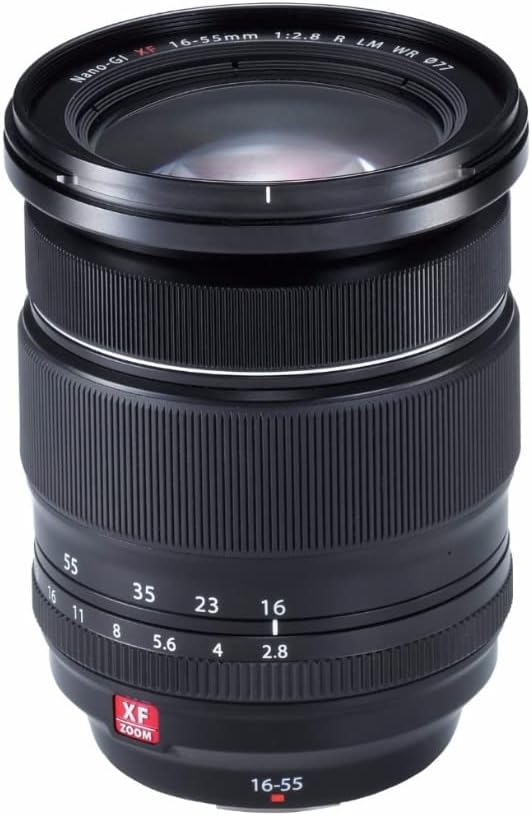
A flagship standard zoom for X-series shooters that delivers edge-to-edge sharpness and consistent f/2.8 performance across 16–55mm (24–84mm equivalent). It uses an advanced optical formula (17 elements in 12 groups, including three aspherical and three extra-low-dispersion elements) to control aberrations, while a fast linear motor AF keeps focus quick and quiet.
- Excellent sharpness
- Weather-sealed
- Constant f/2.8
- Larger than Fuji’s smallest zooms
- Pricier than some third-party options
- Focal length: 16–55mm (24–84mm FF equivalent)
- Aperture: f/2.8 constant
- Aperture blades: 9 (rounded)
- Image stabilization: None (relies on IBIS in newer bodies)
- AF motor: Twin linear motors
- Weight: 655 g (1.44 lbs)
Fujifilm Fujinon XF18-120mmF4 LM PZ WR Lens
Equivalent to 27–180mm full-frame, this versatile power zoom is designed with hybrid shooters in mind. It’s especially useful for vloggers and travel videographers who want smooth focal transitions in a single compact lens. I’ve used this for stills and for video work, and the image quality is excellent.
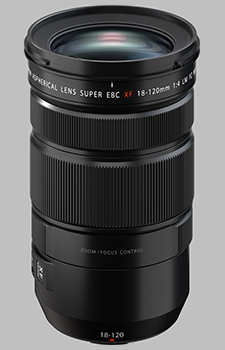
A versatile 18–120mm power zoom (27–180mm equiv.) that’s aimed at hybrid shooters — smooth, repeatable zooming for video plus solid stills performance. It’s weather-resistant and compact for its range, making it a single-lens solution when you need long reach without swapping glass.
- Power zoom for video
- Wide focal range
- Weather-sealed
- Slower f/4 aperture
- Bulkier than compact primes
- Focal length: 18–120mm (27–180mm FF equivalent)
- Aperture: f/4 constant
- Aperture blades: 7 (rounded)
- Image stabilization: None (relies on IBIS in newer bodies)
- AF motor: Linear motor with power zoom
- Weather sealing: Yes
Tamron 17-70mm f/2.8 Di III-A VC RXD (Fujifilm X)
Equivalent to a 25.5–105mm full-frame lens, this third-party zoom combines stabilization with a broad, flexible zoom range. With an extra 35mm over a 24-70, there’s enough reach for distant subjects, and it’s great for portraits too. It’s a fantastic all-in-one solution for travelers who want a single lens to capture landscapes, paintings, and everyday scenes.
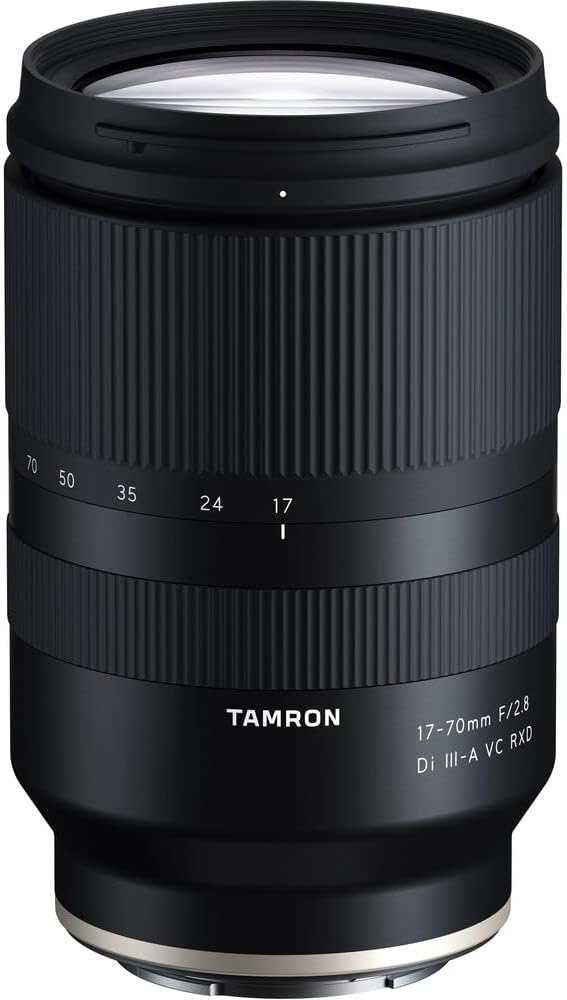
An all-in-one 17–70mm (25.5–105mm equiv.) with a constant f/2.8, built-in Vibration Compensation, and quick RXD autofocus. It’s the travel lens for photographers who want low-light speed and extra reach from a single stabilized zoom.
- Affordable
- Stabilized
- Versatile focal range
- Larger than Fuji’s tiniest lenses
- Weather sealing not on par with Fujifilm’s WR-level lenses
- Focal length: 17–70mm (25.5–105mm FF equivalent)
- Aperture: f/2.8 constant
- Aperture blades: 9 (rounded)
- Image stabilization: Yes (VC – Vibration Compensation)
- AF motor: RXD (Rapid eXtra-silent Drive) stepping motor
- Weather sealing: Yes (basic)
Sigma 18-50mm f/2.8 DC DN Contemporary (Fujifilm X)
Equivalent to 27–75mm full-frame, this is the smallest and lightest constant-aperture zoom available for Fujifilm. It’s perfect for photographers who want to travel light without sacrificing sharpness or low-light capability. With its small size, it helps you avoid looking like you have expensive gear hanging from your neck, which is essential in many travel locations.
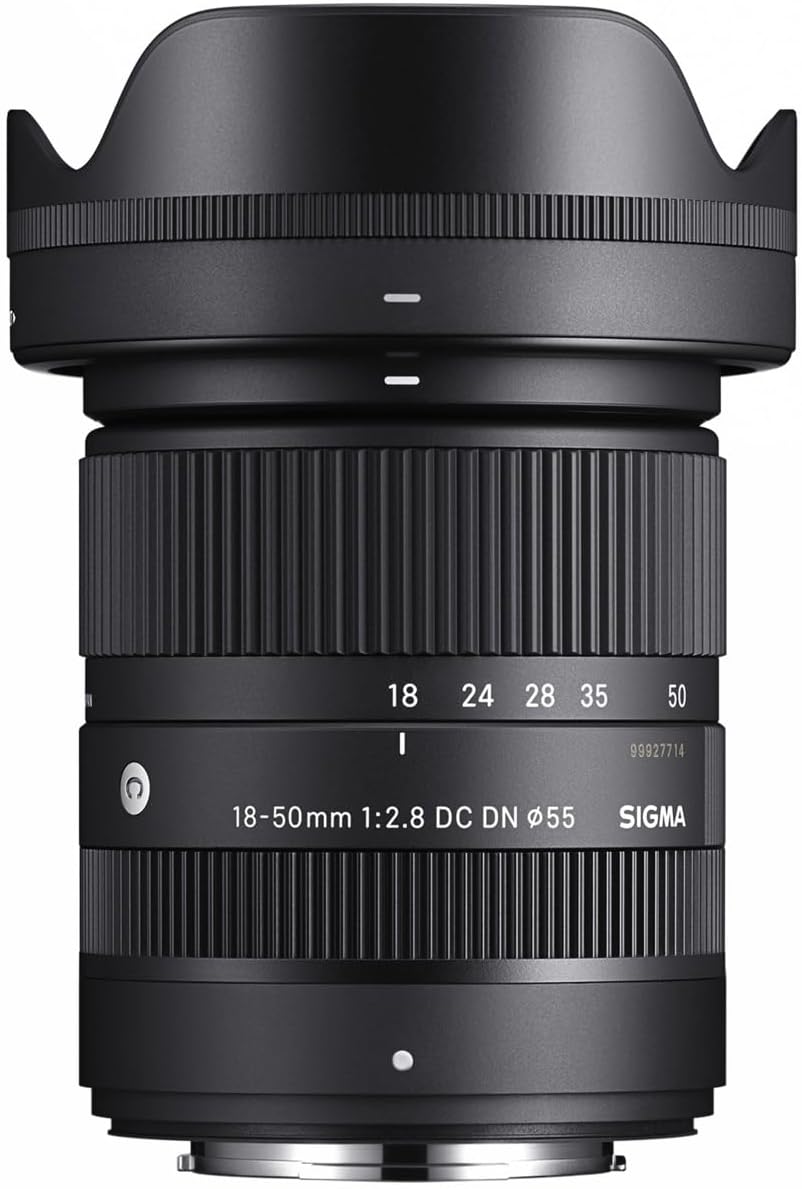
The smallest constant-aperture zoom in this group — 18–50mm (27–75mm equiv.) with f/2.8 speed in a tiny, lightweight package. It’s perfect when minimal bulk matters most but you still want sharp images and usable low-light performance.
- Extremely lightweight
- Sharp
- Affordable
- Limited to ~75mm equivalent on the long end
- No weather sealing
- Focal length: 18–50mm (27–75mm FF equivalent)
- Aperture: f/2.8 constant
- Aperture blades: 7 (rounded)
- Image stabilization: None (relies on IBIS)
- AF motor: Stepping motor
- Weather sealing: Yes (basic)
Wide and Standard Primes
Prime lenses offer superior optical quality and faster apertures than zooms in a more compact package. For Fujifilm travelers, a 23mm (35mm equivalent) or 35mm (52mm equivalent) prime can be the perfect companion lens when you want minimal weight and maximum image quality. These focal lengths are ideal for street photography, environmental portraits, and low-light situations where the wide apertures excel.
Fujifilm’s prime lens lineup is one of the system’s greatest strengths, with compact f/2 options that balance size and performance, and faster f/1.4 lenses for those who need ultimate light-gathering capability or shallow depth of field. Third-party manufacturers like Viltrux also offer affordable alternatives that punch well above their price point, making prime lenses accessible to every budget level.
Fujifilm Fujinon XF 23mm f/2 R WR
Equivalent to a 35mm full-frame lens, this compact, weather-sealed lens is excellent for street and travel photography. Its discreet size makes it a natural choice for crowded environments, and it’s one of my favorite Fujifilm lenses. I’ve paired this with the Fuji X-system for travel around cities, and like the fact that it doesn’t look professional yet gives pro results.
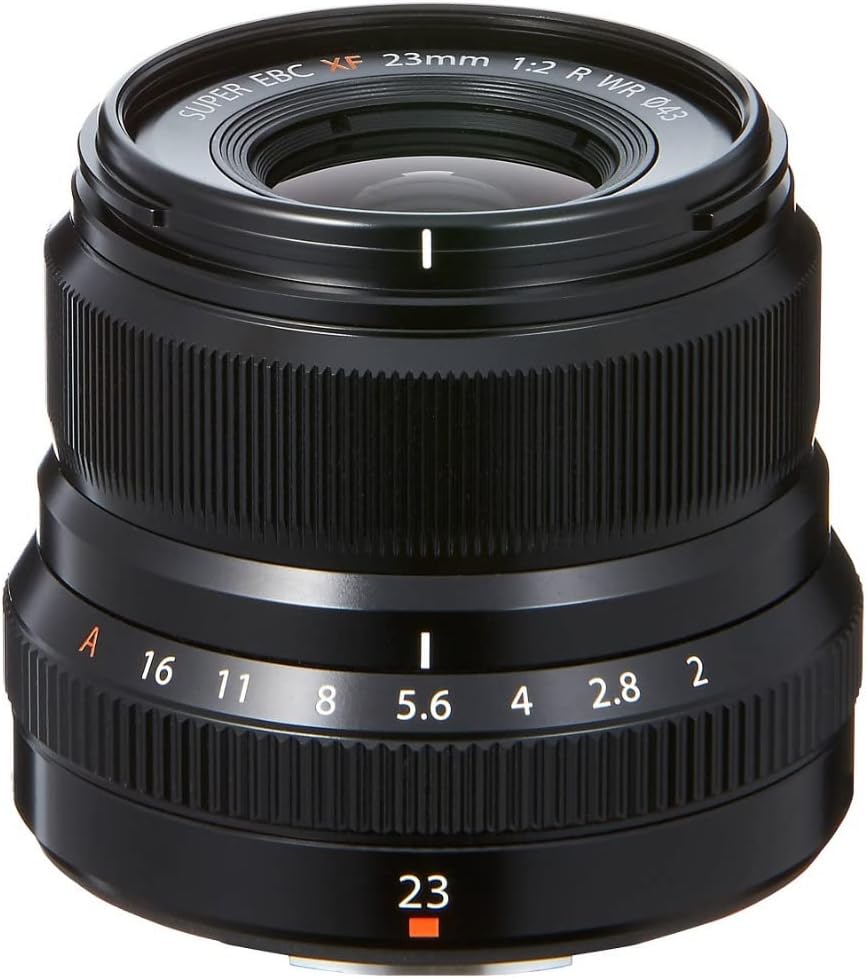
A compact 23mm prime (35mm equiv.) with a tidy f/2 aperture and weather sealing — discreet, fast, and ideal for street and travel work. It’s the “leave it on the camera” lens that’s easy to carry and quick to use in crowded or wet conditions.
- Compact
- Weather-sealed
- Versatile 35mm equivalent focal length
- Slower f/2 compared to Fuji’s f/1.4 primes
- Focal Length: 23mm (35mm FF equivalent)
- Aperture: f/2
- Aperture Blades: 9 (rounded)
- Image Stabilization: No
- AF Motor: Stepping motor
- Weight: 180 g (0.40 lbs)
Fujifilm XF 35mm f/1.4 R
Equivalent to a 52mm full-frame lens, this classic Fujifilm lens is renowned for its rendering and fast aperture. Its small form factor and beautiful image quality make it a staple in many travel kits.
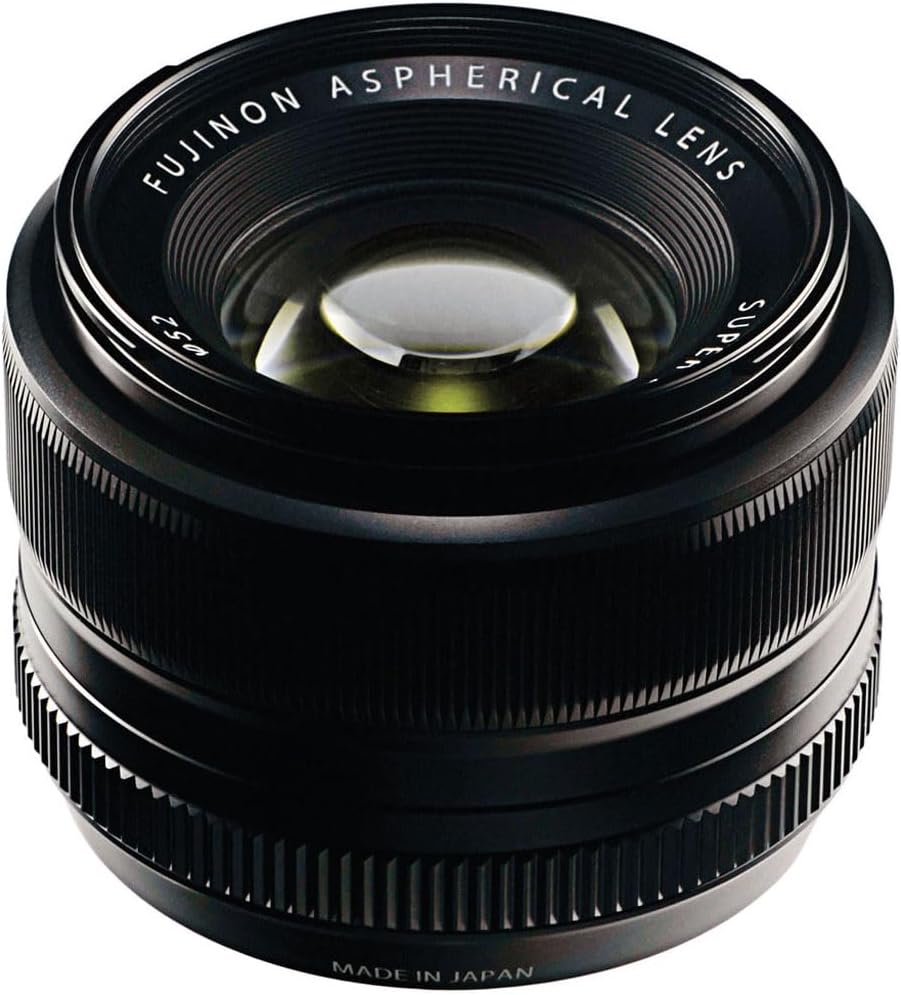
A classic 35mm (52mm equiv.) with a bright f/1.4 aperture and a beloved rendering that gives photos character. It’s compact enough for travel yet delivers the shallow depth and low-light reach many shooters crave.
- Beautiful rendering
- Fast f/1.4
- Compact size
- Older autofocus design
- Not weather sealed
- Focal Length: 35mm (52mm FF equivalent)
- Aperture: f/1.4
- Aperture Blades: 7 (rounded)
- Image Stabilization: No
- AF Motor: Older DC motor
- Weather Sealing: No
Viltrox 23mm f/1.4 XF
Equivalent to a 35mm full-frame lens, this third-party prime combines a bright aperture with affordability. It’s great for low-light travel shooting and is as versatile as it is affordable. If you’re looking to complement a more expensive Fujifilm zoom, this is a great choice.
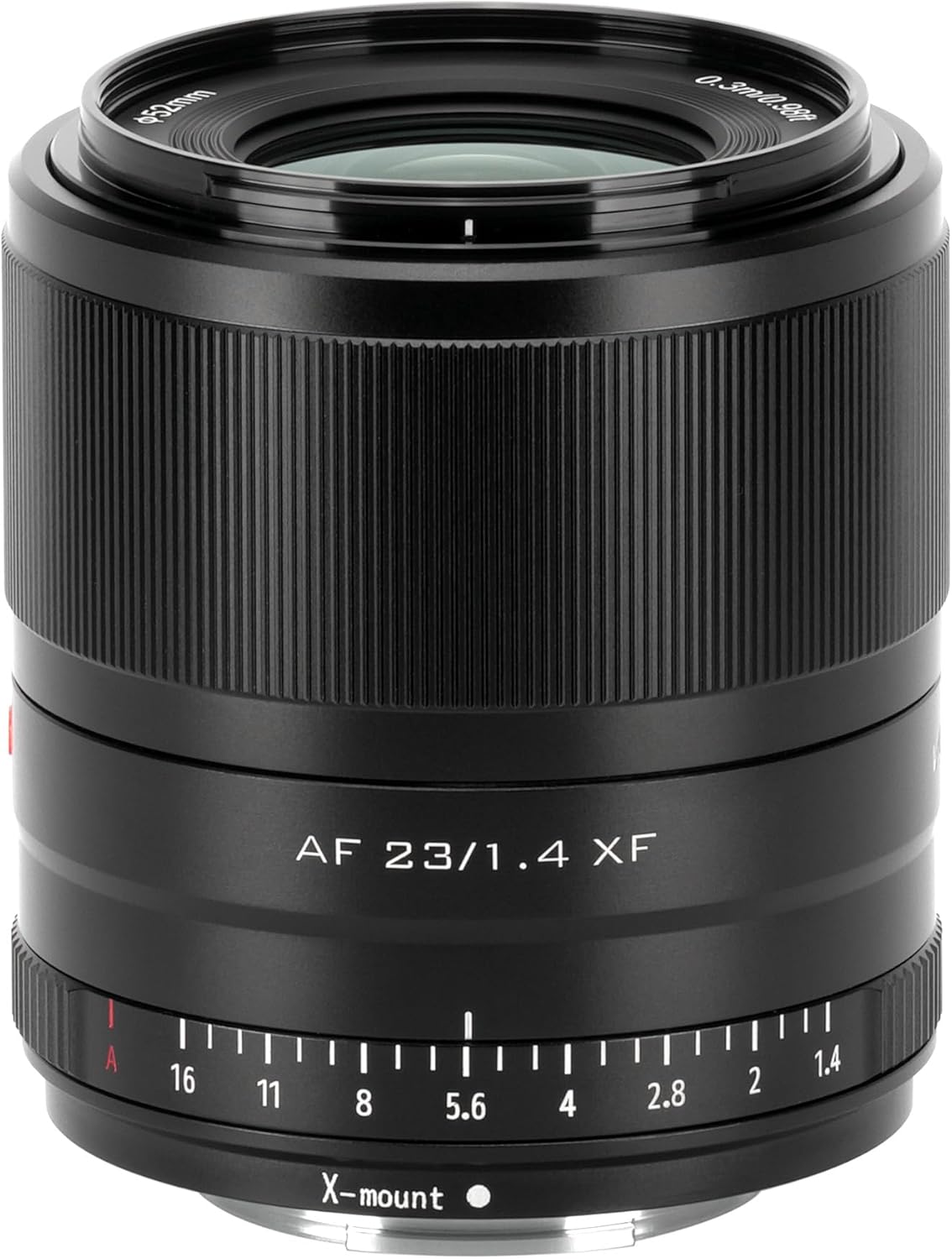
A third-party 23mm prime (35mm equiv.) that brings a fast f/1.4 aperture and strong value to Fuji shooters. It’s heavier than Fuji’s f/2 option but rewards you with better low-light ability and pleasing bokeh at a much friendlier price.
- Bright f/1.4 aperture
- Versatile focal length
- Heavier than Fuji’s native 23mm f/2
- AF not as refined
- Focal Length: 23mm (35mm FF equivalent)
- Aperture: f/1.4
- Aperture Blades: 9 (rounded)
- Image Stabilization: No
- AF Motor: STM stepping motor
- Weight: 260 g (0.57 lbs)
Sigma 16mm f/1.4 DC DN Contemporary (Fujifilm X)
Equivalent to a 24mm full-frame lens, this wide-angle option is perfect for landscapes and immersive scenes. It’s affordable, sharp, and a favorite among travel videographers. Fujifilm is known for its optical engineering, but this Sigma gives them a run for their money.
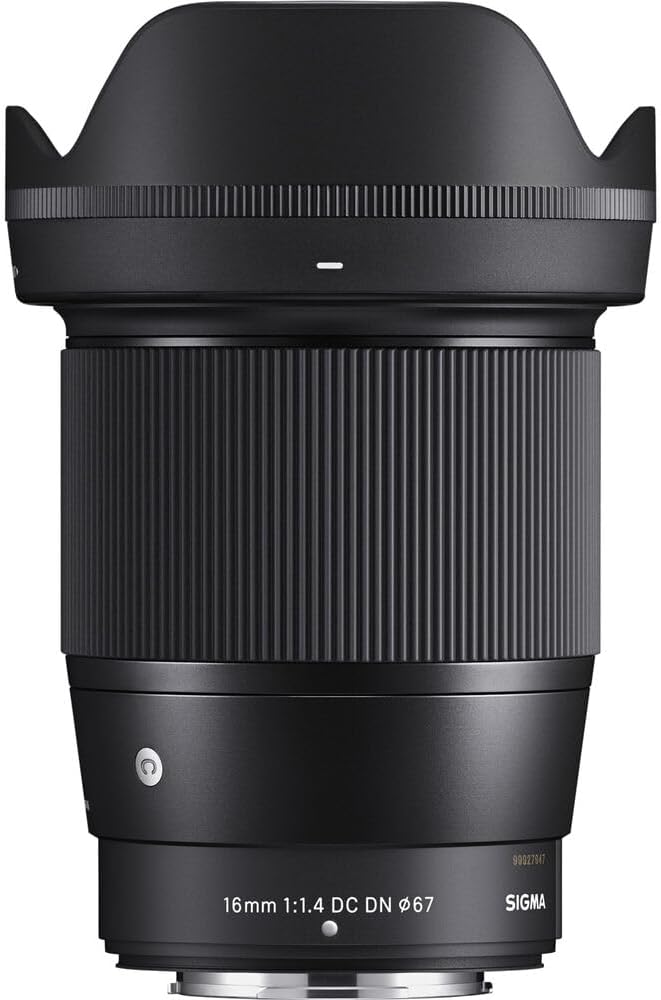
A bright 16mm wide prime (24mm equiv.) with an f/1.4 aperture that excels for landscapes, astro, and immersive travel scenes. It’s a favorite for video creators and photographers who want a wide, fast lens without breaking the bank.
- Bright f/1.4
- Affordable
- Intense sharpness
- Larger than Fuji’s small primes
- No weather sealing
- Focal Length: 16mm (24mm FF equivalent)
- Aperture: f/1.4
- Aperture Blades: 9 (rounded)
- Image Stabilization: No
- AF Motor: Stepping motor
- Weight: 405 g (0.89 lbs)
Telephoto Zooms
Telephoto zooms extend your creative reach for wildlife, sports, and distant subjects. For travel photographers, a telephoto in the 100-400mm equivalent range provides the flexibility to capture everything from architectural details to safari animals without getting uncomfortably close. The key is finding a lens that balances reach with portability—nobody wants to carry a massive telephoto on a day of sightseeing.
Fujifilm’s native telephoto options are designed specifically for the X system’s APS-C sensor, keeping size and weight manageable while delivering excellent optical performance. Third-party options can offer even more compact designs or extended reach, though they may sacrifice some build quality or weather sealing compared to Fujifilm’s premium offerings.
Fujifilm Fujinon XF 70-300mm f/4-5.6 R LM OIS WR
Equivalent to a 105–450mm full-frame lens, this compact telephoto zoom covers a wide range in a travel-friendly size. It’s stabilized, weather-resistant, and a great example of the size savings APS-C lenses provide.
I love this lens because it’s a perfect example of why the APS-C format is so popular. You get a super-long effective focal length of 100-450mm, complete with image stabilization, but in a lens that’s a fraction of the size of an equivalent full-frame lens. I think the images from this lens are exceptional.
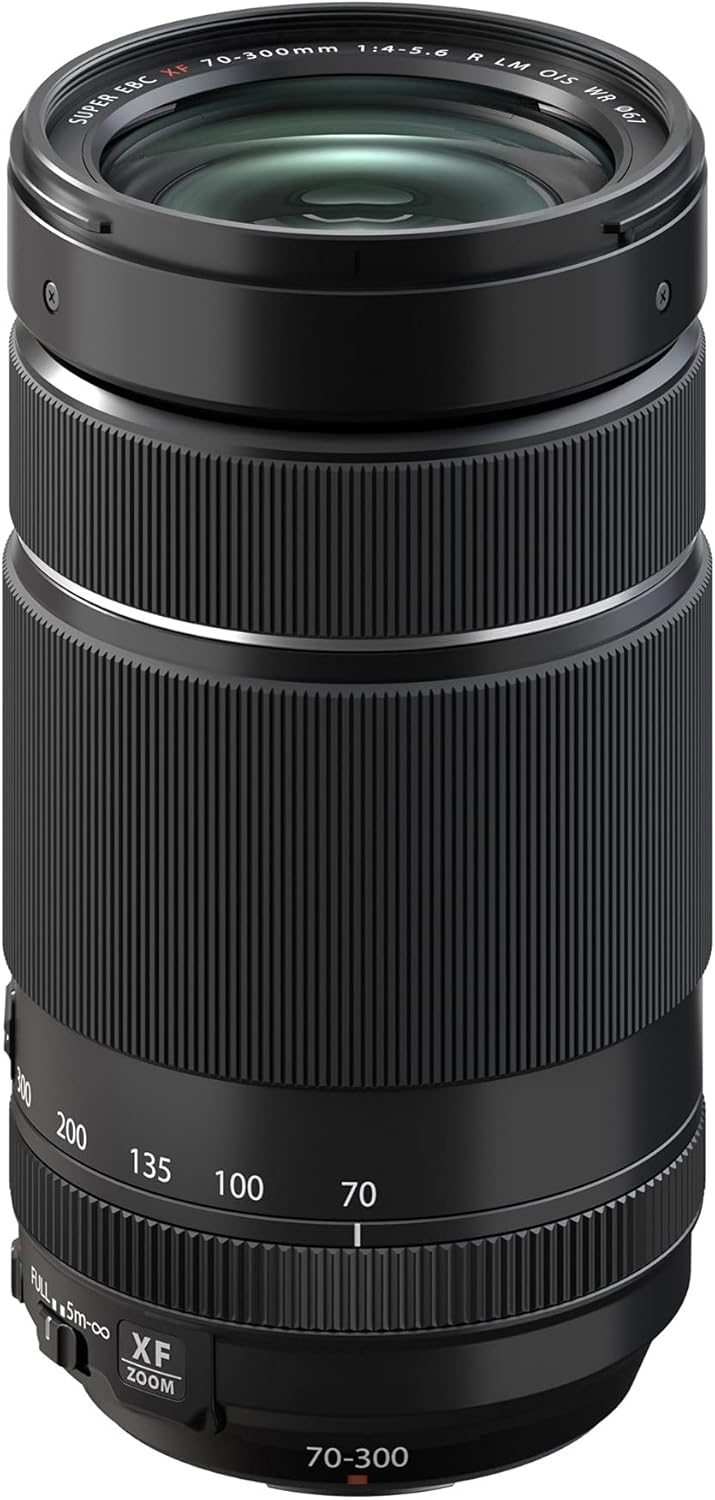
A compact, stabilized 70–300mm telephoto (105–450mm equiv.) that delivers impressive reach in a travel-friendly size. Its OIS and weather sealing make it a practical choice for wildlife and distant subjects while keeping pack weight reasonable.
- Lightweight
- Weather-sealed
- Stabilized
- Not as bright as f/2.8 options
- Limited to a 450mm equivalent focal length
- Focal length: 70–300mm (105–450mm FF equivalent)
- Aperture: f/4–5.6 variable
- Aperture blades: 9 (rounded)
- Image stabilization: Yes (OIS, up to 5.5 stops)
- AF motor: Linear motor
- Weight: 580 g (1.28 lbs)
Fujifilm Fujinon XF 100-400mm f/4.5-5.6 R LM OIS WR
Equivalent to 150–600mm full-frame, this long telephoto lens offers excellent reach while remaining manageable in weight. It’s a perfect choice for wildlife and distant subjects when traveling, as the 600mm equivalent focal length can capture animals and birds hundreds of meters away without a problem. The image stabilization on Fuji is known for its performance, and coupled with this lens, you get amazing handheld abilities.
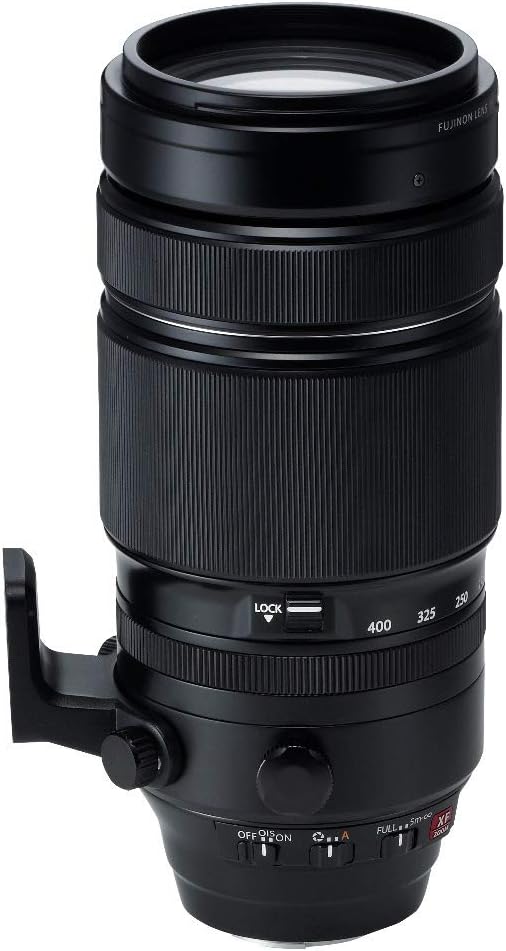
A long-reach 100–400mm (150–600mm equiv.) built for serious travel telephoto work — tack-sharp, stabilized, and weather-sealed. It’s heavier but still manageable for trips where maximum reach for wildlife and birds is a priority.
- Superb reach
- Weather sealed
- Stabilized
- Large for travel
- More expensive than shorter zooms
- Focal length: 100–400mm (150–600mm FF equivalent)
- Aperture: f/4.5–5.6 variable
- Aperture blades: 9 (rounded)
- Image stabilization: Yes (OIS, up to 5 stops)
- AF motor: Twin linear motors
- Weight: 1375 g (3.03 lbs)
Sigma 100-400mm f/5-6.3 DG DN OS Contemporary (Fujifilm X)
Equivalent to 150–600mm full-frame, this super-telephoto zoom offers impressive long-reach capability in a surprisingly compact body. Its excellent optical stabilization, solid build, and affordability make it a perfect third-party solution for travel photographers seeking enormous reach without the bulk or price of native Fuji pro glass.
It’s my go-to sports lens when shooting on the Fujifilm X platform, and I’ve recommended it to multiple Fujifilm shooters headed on a safari or birding trip. Thanks to the APS-C format’s smaller size, this lens gives you the reach of a full-frame super-telephoto at a fraction of the weight and length.
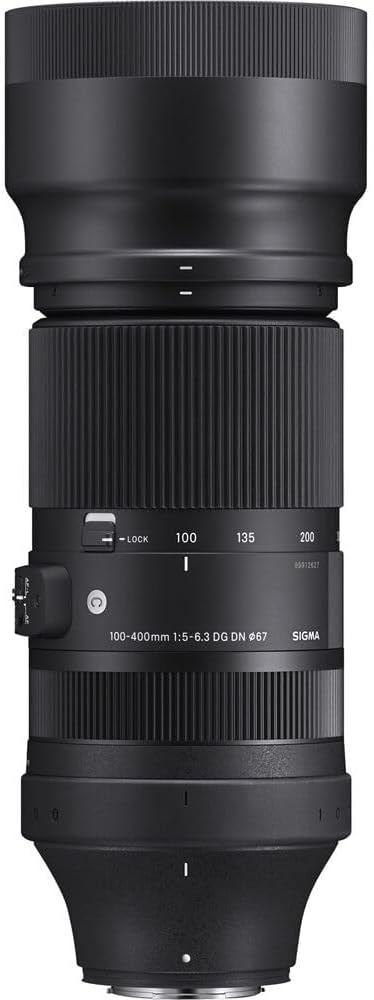
An affordable 100–400mm super-telephoto (150–600mm equiv.) that pairs strong optical stabilization with surprisingly compact handling. It’s the go-to third-party option when you want true long reach on a budget without the bulk and cost of pro native glass.
- Affordable
- Stable
- Offers a long reach
- Slower aperture
- Heavier than Fuji’s 70–300mm
- Focal length: 100–400mm (150–600mm FF equivalent)
- Aperture: f/5–6.3 variable
- Aperture blades: 9 (rounded)
- Image stabilization: Yes (Optical Stabilizer)
- AF motor: Stepping motor
- Weight: 1135 g (2.50 lbs)
See our Complete List of Other Buyer’s Guides
Frequently Asked Questions About Travel Lenses
How many lenses should I bring on a trip?
For most travel situations, 2-3 lenses is the sweet spot. A versatile zoom like the 16-55mm f/2.8 or 18-120mm f/4 can handle 80% of situations, with a compact prime (like the 23mm f/2) as a lightweight backup and optionally a telephoto for wildlife or sports. Bringing more lenses means more weight, more decisions, and more time swapping glass instead of shooting. Consider your trip type—street photography needs fewer lenses than a safari.
Should I prioritize weight or versatility in travel lenses?
This depends on your travel style and physical constraints. If you’re hiking extensively or have back issues, prioritize weight—a single 18-120mm f/4 beats carrying three lenses you’re too tired to use. For city travel with easy camera access, versatility wins since you’re not carrying gear for miles. The Sigma 18-50mm f/2.8 represents an excellent compromise at just 285g, while the Tamron 17-70mm f/2.8 adds reach for only 240g more. Consider your typical shooting day to determine which matters more.
How important is image stabilization for travel photography?
For travel, stabilization is extremely valuable, especially in low light situations where you can’t use a tripod. Modern Fujifilm cameras include excellent in-body image stabilization (IBIS), which works with any lens but performs best with newer lenses that communicate with the camera body. Lenses with optical stabilization (like the Tamron 17-70mm) provide additional steadiness when combined with IBIS. If your camera lacks IBIS, prioritize stabilized lenses or plan to shoot at higher ISOs.
Can I learn new focal lengths while traveling, or should I stick with what I know?
Travel is actually an excellent time to expand your focal length vocabulary, but bring one familiar lens as a safety net. If you normally shoot with a 35mm equivalent (23mm on Fujifilm), try adding an ultra-wide like the 10-24mm for dramatic landscapes. The new perspectives will push your creativity, and travel subjects are forgiving while you learn. However, don’t experiment with completely unfamiliar focal lengths during once-in-a-lifetime moments—that family reunion in Scotland isn’t the time to figure out wildlife telephoto technique.
What is the difference between a full-frame and APS-C travel lens?
Fujifilm’s X mount is an APS-C system, which means the sensor is smaller than full-frame cameras. This allows Fujifilm lenses to be significantly more compact and lightweight while maintaining excellent image quality. APS-C lenses have a crop factor of 1.5x, so a 16-55mm Fujifilm lens provides the same field of view as a 24-82.5mm lens on full-frame. The smaller system size is a major advantage for travel photographers who value portability.
Should I buy weather-sealed lenses for travel?
Weather sealing provides peace of mind when traveling, especially in unpredictable climates or near water. Fujifilm’s WR (Weather Resistant) lenses like the 16-55mm f/2.8 and 18-120mm f/4 can handle light rain and dusty conditions without issue. However, weather sealing only works if your camera body is also sealed, and you still need to exercise common sense—no lens is waterproof. For destination travel where you can’t easily replace damaged gear, weather sealing is worth the investment.
Are third-party lenses as good as Fujifilm native lenses?
Third-party lenses from Tamron, Sigma, and Viltrux offer excellent value and often match or exceed Fujifilm’s optical performance at lower price points. The Sigma 18-50mm f/2.8 is incredibly compact, while the Tamron 17-70mm adds optical stabilization that Fujifilm’s 16-55mm lacks. However, native Fujifilm lenses typically offer superior weather sealing, better build quality, and perfect integration with camera features like film simulations. For critical travel work, Fujifilm’s premium lenses justify their cost, but third-party options are excellent for budget-conscious travelers.
What focal length is most useful for travel photography?
The 24-70mm equivalent range (16-55mm on Fujifilm APS-C) is the most versatile for general travel, handling everything from architecture to portraits. However, ultra-wide lenses (10-24mm) transform landscape photography, while telephotos (100-400mm) are essential for wildlife. Your ideal focal length depends on your travel style—street photographers thrive with a 23mm or 35mm prime, while safari travelers need longer reach. Most photographers build around a standard zoom and add specialty lenses based on trip requirements.