Tamron 16-30mm F2.8 Di III VXD G2 Review: The Best Value Wide-Angle Zoom for Sony E-Mount and Nikon Z

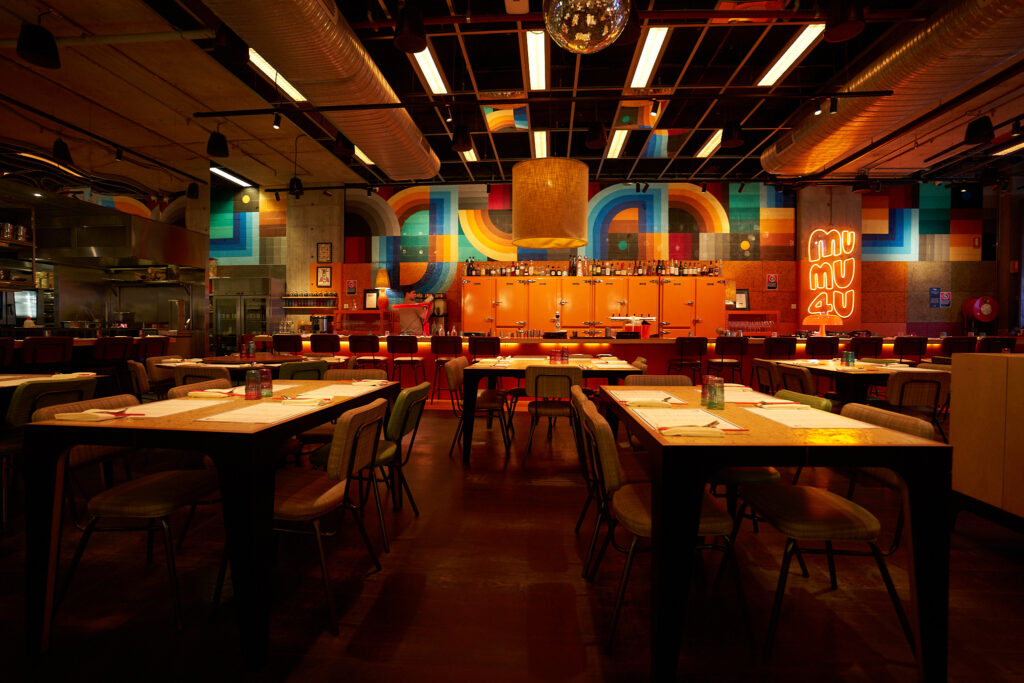
Table of Contents
-
 Tamron 16-30mm F2.8 Di III VXD G2 – What’s in a Name?
 -
Tamron 16-30mm G2 Image Quality in Real-World Use
-
Tamron 16-30mm F2.8 Di III VXD G2 Optical Performance
-
Watch Our Hands On Video Review
-
Tamron 16-30mm G2 Build Quality and Handling.
-
Tamron 16-30mm F2.8 Di III VXD G2 vs Sony 16-35mm F2.8 GM2
-
Price and Availability of the Tamron 16-30mm F2.8 Di III VXD G2
-
Should You Buy This Lens?
-
Images From the Tamron 16-30mm F2.8 Di III VXD G2
-
Check out our Buyer’s Guide to Best Sony Cameras
A recent two-week trip to Australia gave me the opportunity to shoot thousands of images with the Tamron 16-30mm F2.8 Di III VXD G2, and it quickly became my go-to lens. From the salt flats to mountain summits, from the iconic Uluru to the streets of Sydney, this lens handled every situation I threw at it. The image quality impressed me enough that my Sony 24-70mm GM stayed in my bag nearly the entire trip.
This lens was one of the winners in our 2025 Imaging Resource Editor’s Choice Awards.
The Tamron 16-30mm G2 delivers excellent sharpness, fast autofocus, and weather-sealed build quality at a price that makes it an easy recommendation for anyone shooting Sony E-mount. At $929, this lens costs less than half what Sony charges for their comparable 16-35mm GM2, yet it performs admirably in real-world shooting conditions.
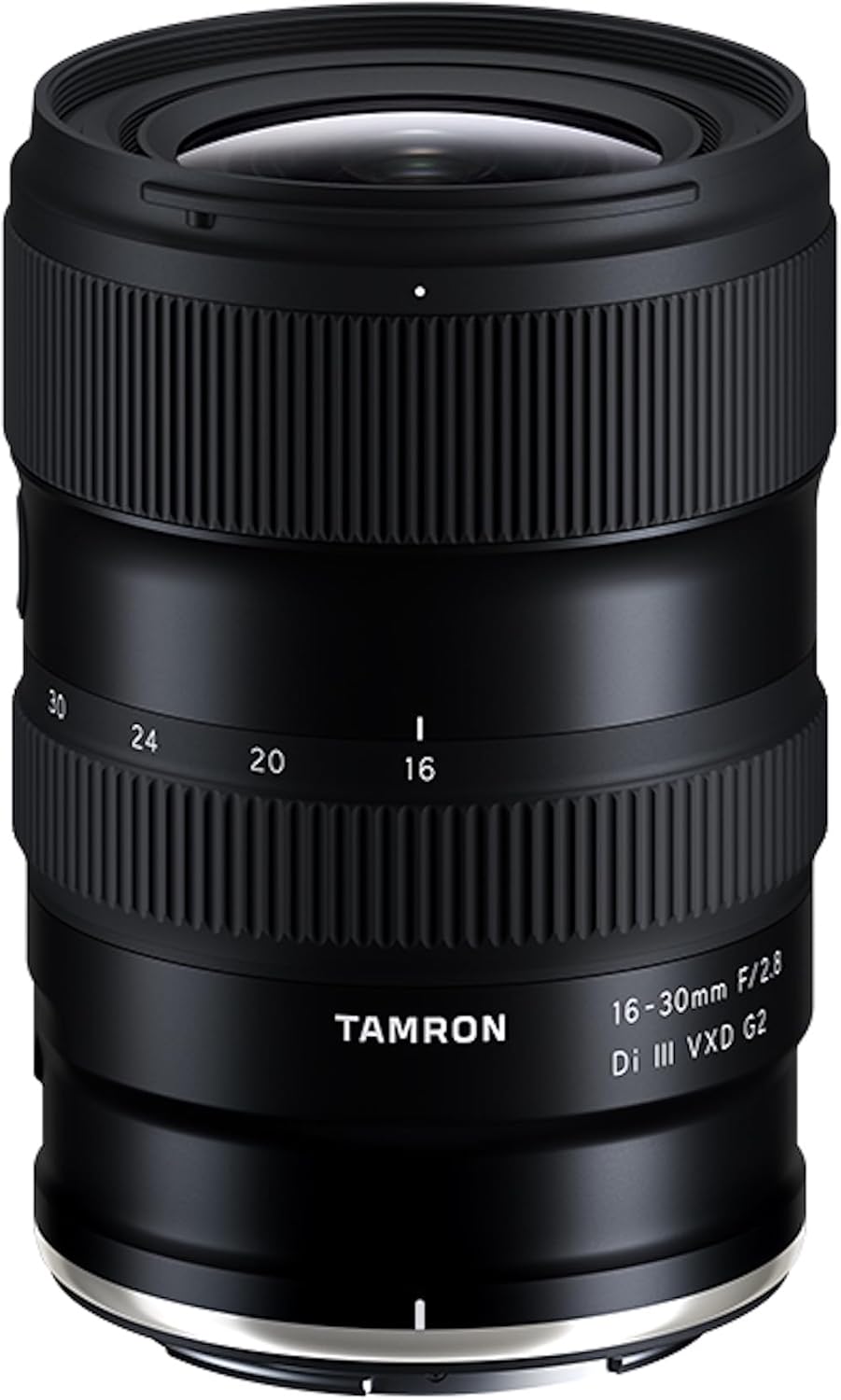
The Tamron 16-30mm F2.8 Di III VXD G2 is a compact wide-angle zoom lens designed specifically for Sony E-mount mirrorless cameras. This second-generation lens features improved optics, faster autofocus, and weather sealing, making it an excellent choice for landscape, architecture, travel, and street photography. The 16-30mm focal range covers ultra-wide to natural wide-angle perspectives with a constant f/2.8 aperture throughout.
- Excellent sharpness across the focal range
- Fast and silent VXD autofocus motor
- Weather-sealed build with USB-C port for firmware updates –
- Minimal distortion at 30mm
- Outstanding value at $929 vs. $2,498 for Sony 16-35mm GM2 – Compact and lightweight for travel – Constant f/2.8 aperture
- No aperture ring on the lens barrel
- Some lens flare when shooting directly into the sun
- More flare than the Sony 16-35mm GM2 in backlit situations
- Focal Length: : 16-30mm
- Maximum Aperture: /2.8 (constant throughout zoom range)
- Minimum Aperture: f/16
- Lens Construction: 16 elements in 12 groups
- Aperture Blades: 9 (circular diaphragm stays nearly circular up to two stops down)
- Minimum Focus Distance: 0.19m (7.5 inches) at 16mm, 0.3m (11.8 inches) at 30mm
- Autofocus Motor: VXD (Voice-coil eXtreme-torque Drive) linear motor
- Weather Sealing: : Yes, with moisture-resistant construction
- Lens Mount: Sony E-mount and Nikon Z-mount
- Weight: 440g (15.5 ounces)
- Length: 101.8mm (4 inches)
- Diameter: 74.8mm
Tamron 16-30mm F2.8 Di III VXD G2 – What’s in a Name?
Understanding the Tamron naming convention helps explain what you’re getting with this lens. The “Di III” designation means this lens was designed for mirrorless cameras from the ground up, not an SLR lens adapted for mirrorless use. VXD refers to Tamron’s fast and silent linear motor autofocus system, and G2 signifies that this is the second generation of this lens.
With a constant f/2.8 aperture throughout the 16-30mm focal range, the aperture does not change as you zoom, something that less expensive variable-aperture lenses do. The f/2.8 aperture is wide enough for good light gathering, which makes low-light shooting capable without too much noise in your image.
The 16-30mm focal range covers everything from ultra-wide landscapes and architecture work at 16mm to a more natural look. Almost “standard” look at 30mm. I found the minimal distortion at 30mm particularly useful when shooting on the Sony A7R V, since I could crop in when needed without significant quality loss.
Tamron 16-30mm G2 Image Quality in Real-World Use
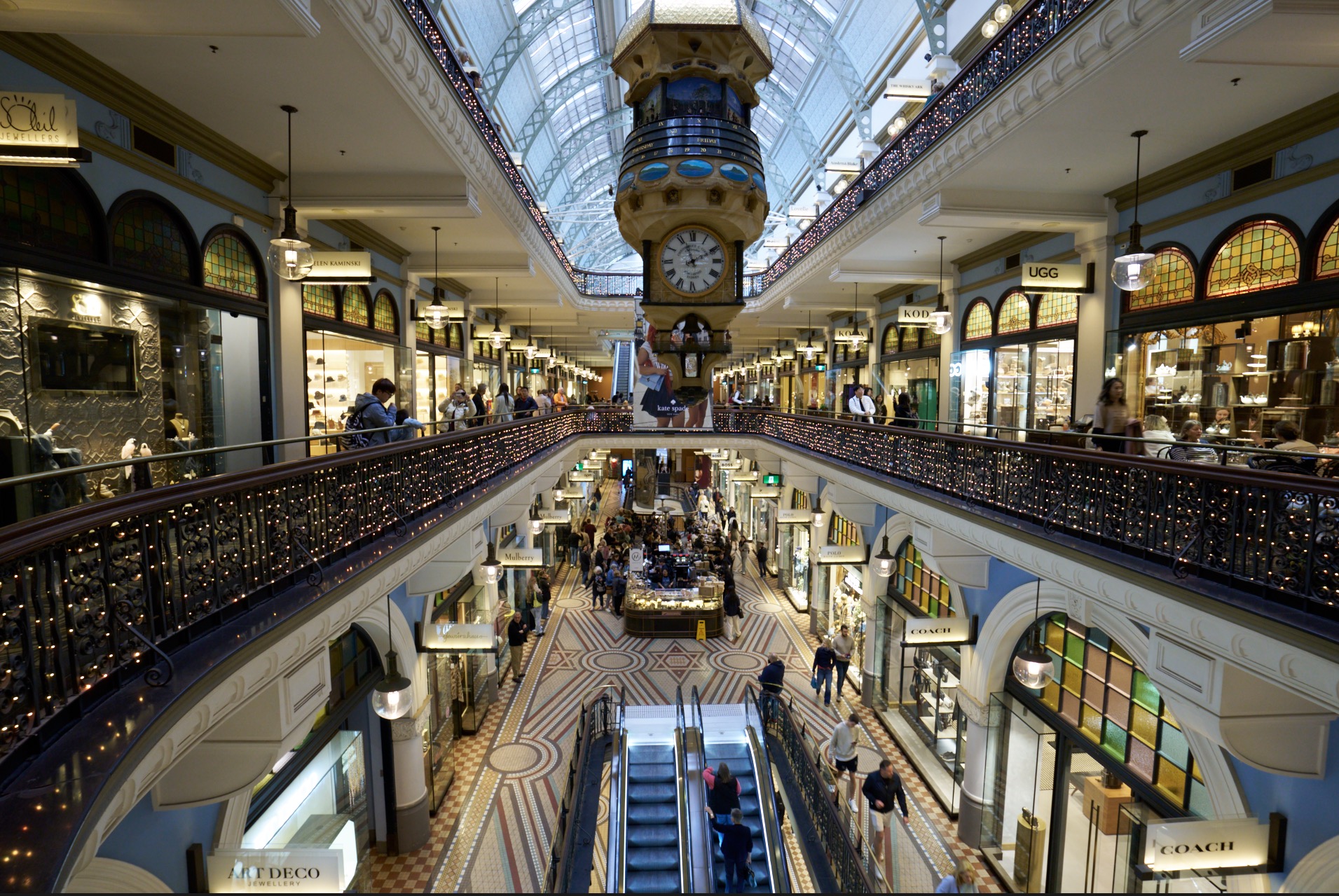
While 16mm will always show some distortion due to the wide field of view, I really loved the images I captured with this lens, especially at the wide end. A wide-angle shot of a restaurant in Sydney shows what I think makes this lens special. A few millimeters of extra range at the wide end matters much more than at the zoomed end. The seven millimeters from 16mm to 24mm on my 24-70mm Sony lens has much more effect than at the 30mm end.
A good example of the benefit of the 16mm focal length, even for things other than a landscape. My photo of a restaurant in Sydney (found at the top of this article) was shot at 16mm, I captured more of the interior and the vibe of the interior design than I would have at 24mm.
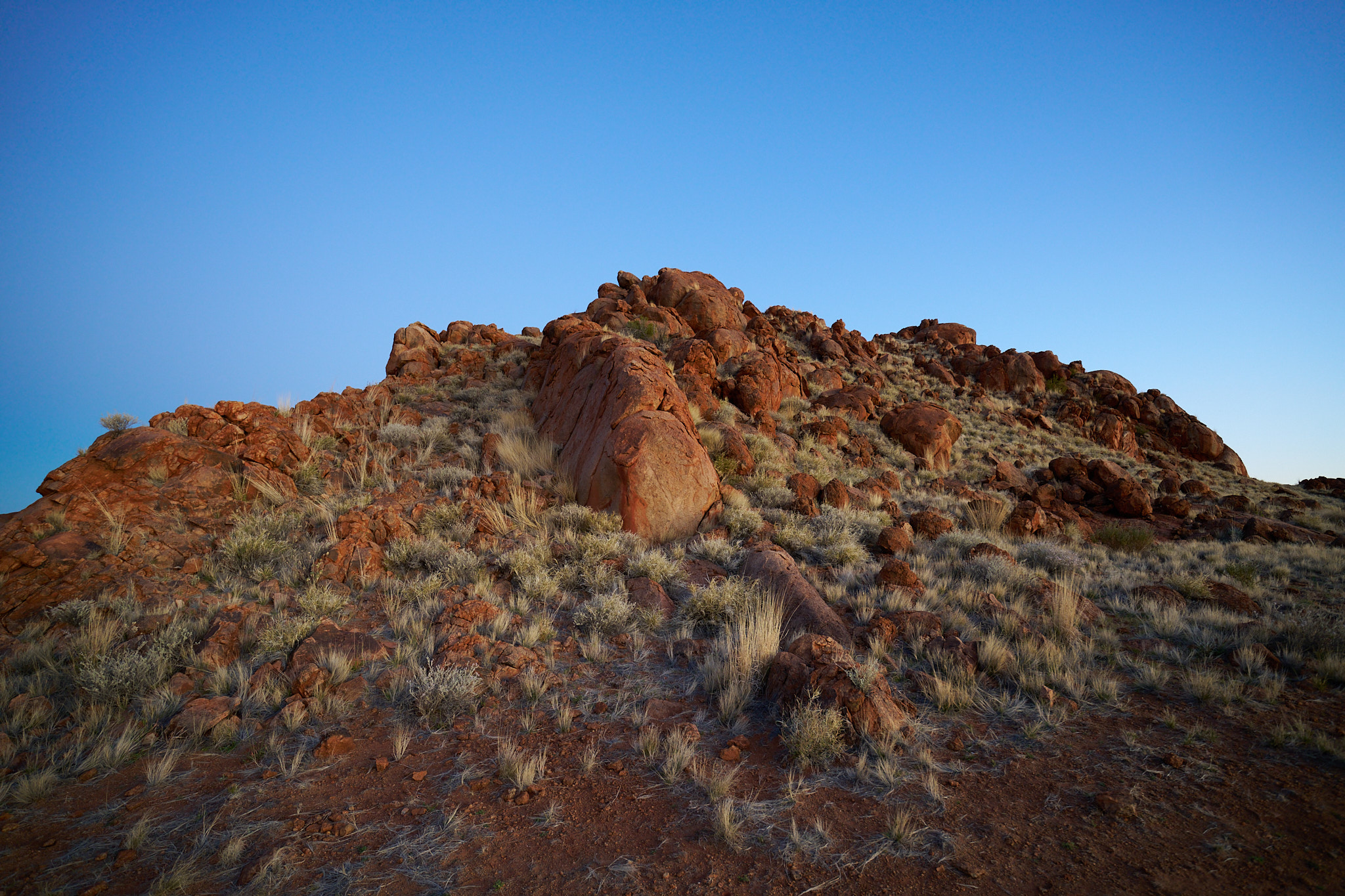
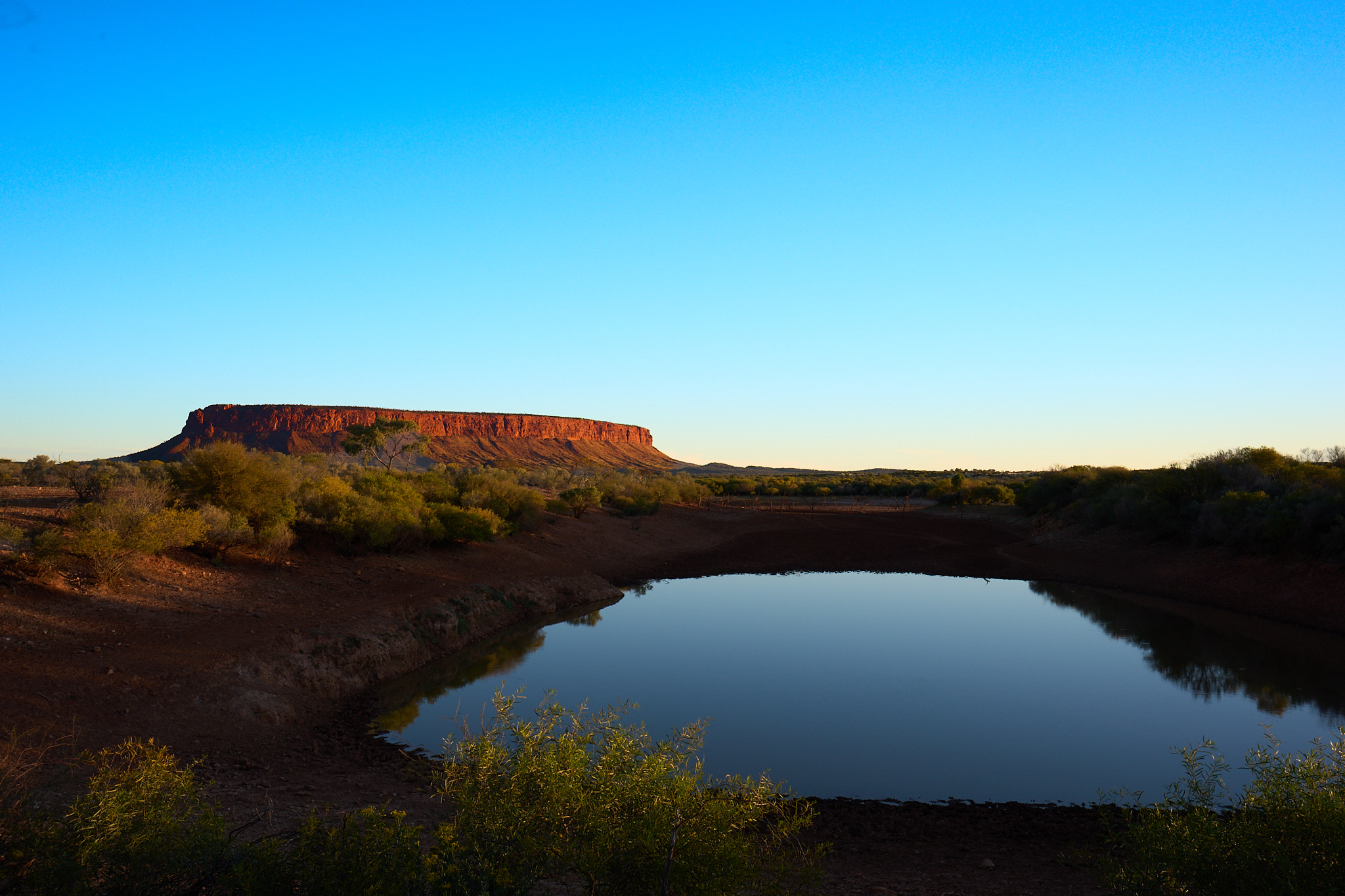
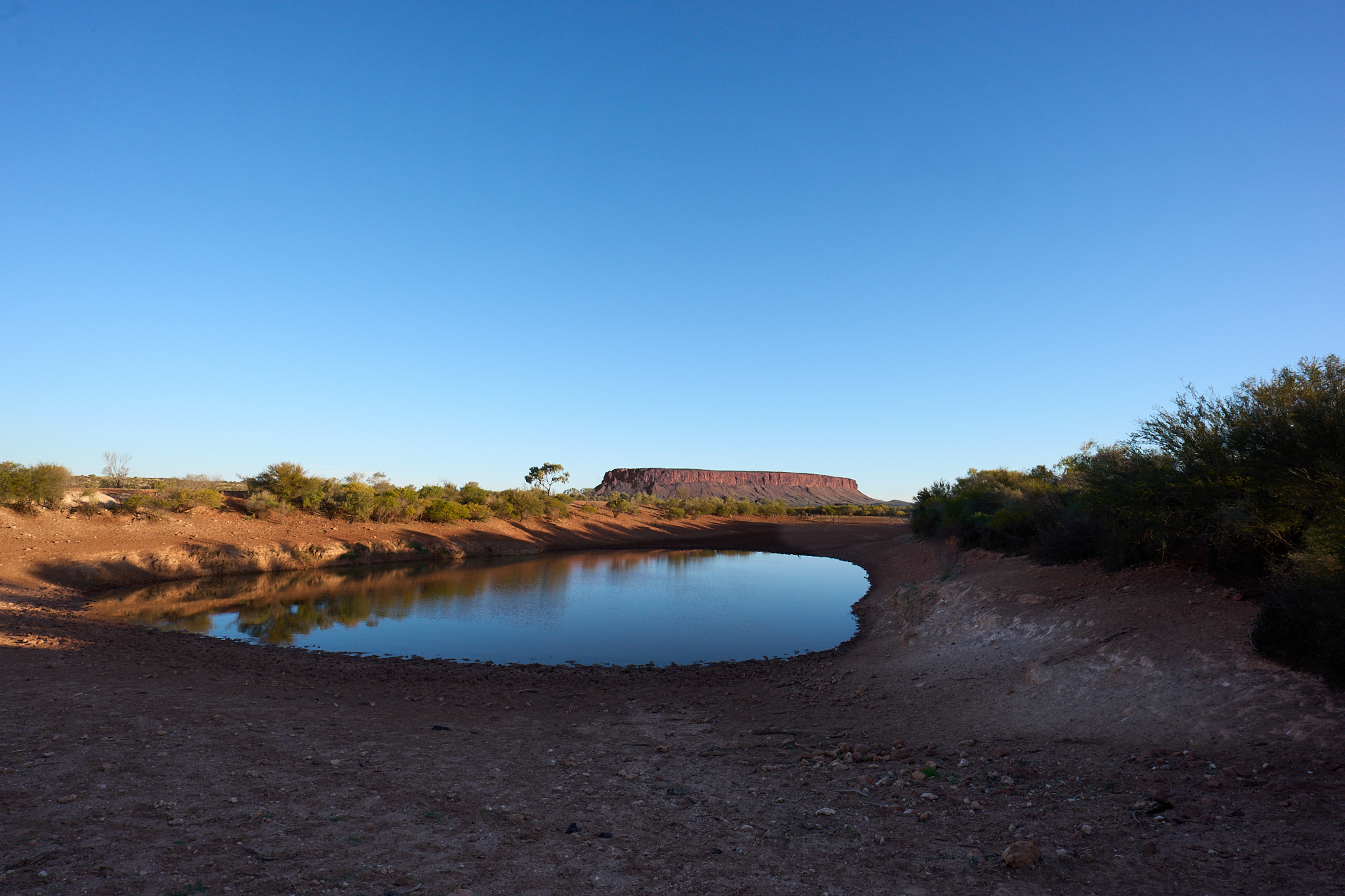
Along the coast near Melbourne, where blue penguins waddle in from the ocean each night to roost in their nests, the lens captured the sea crashing against the waves beautifully. Towards sunset one day, I photographed Mount Connor, which locals call “Fooluru” because travelers in planes often mistake it for the historically significant Uluru they’re coming to see.
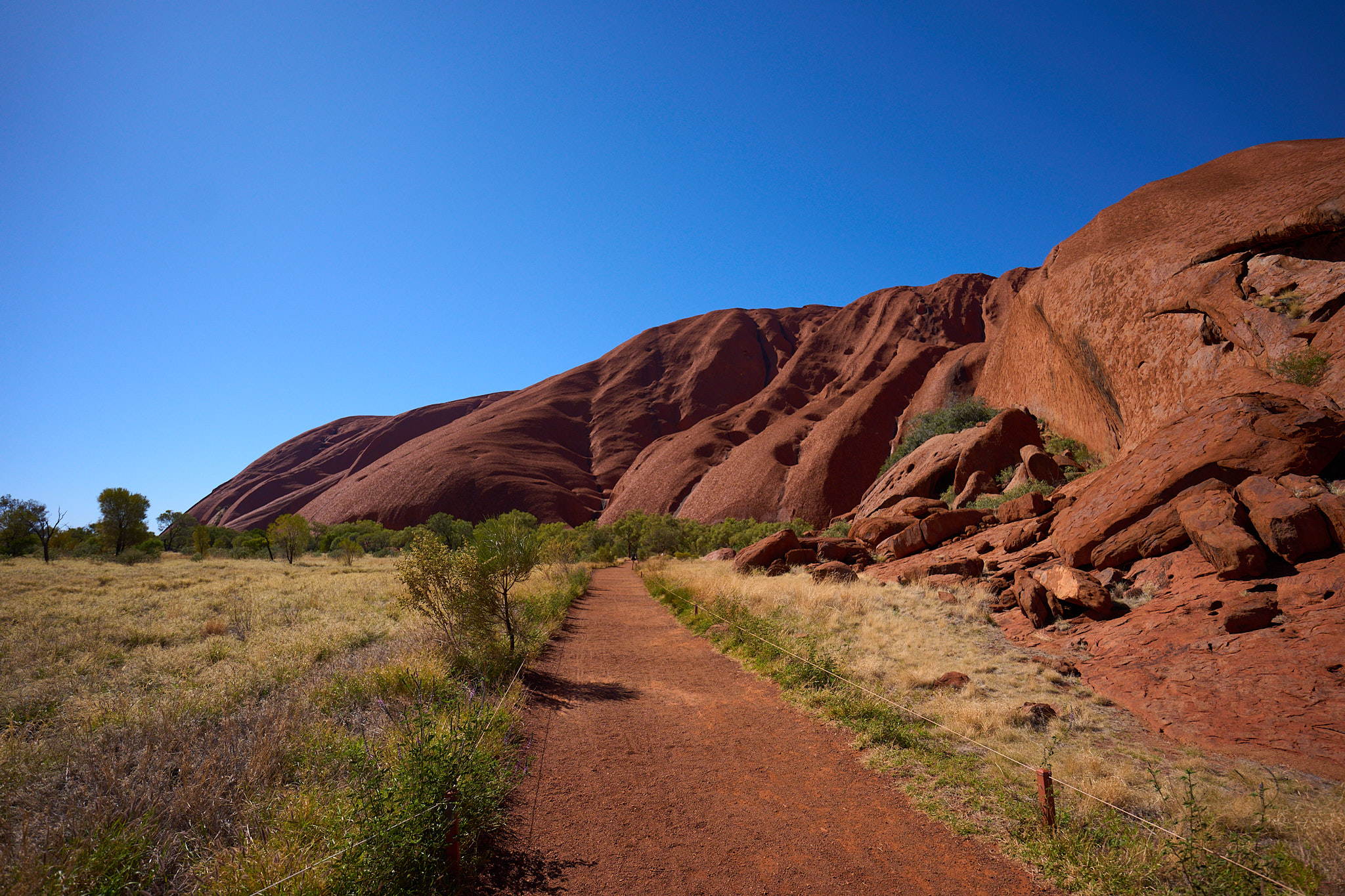
In the protected area around Uluru, shooting with an indigenous guide, I captured images of abandoned cars that demonstrate some of the harshness of the climate, and the heartiness of the indigenous people who live there.
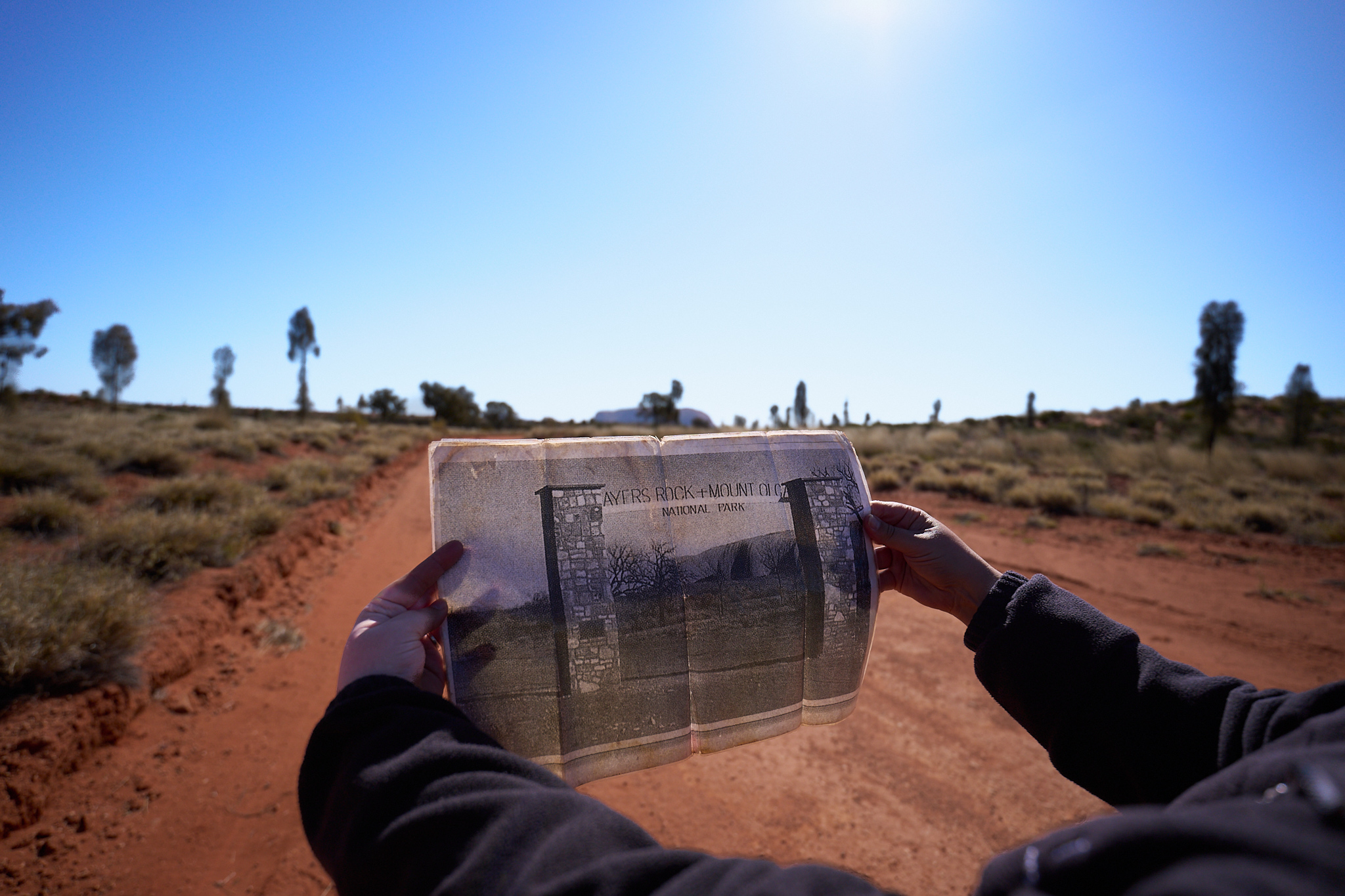
When vehicles die out here, it’s not worth dragging them back out. People flip the car over so the engine and catalytic converter face up, strip the car, sell it for parts, and leave what’s left. The same fate would have befallen an animal unlucky enough to die, out here, every piece of meat and any other useful part would be quickly stripped.
Even shooting at noon in the desert, where light is traditionally harsh, the lens had enough contrast and reproduction quality to make an image that is one of my favorite photos from the trip.

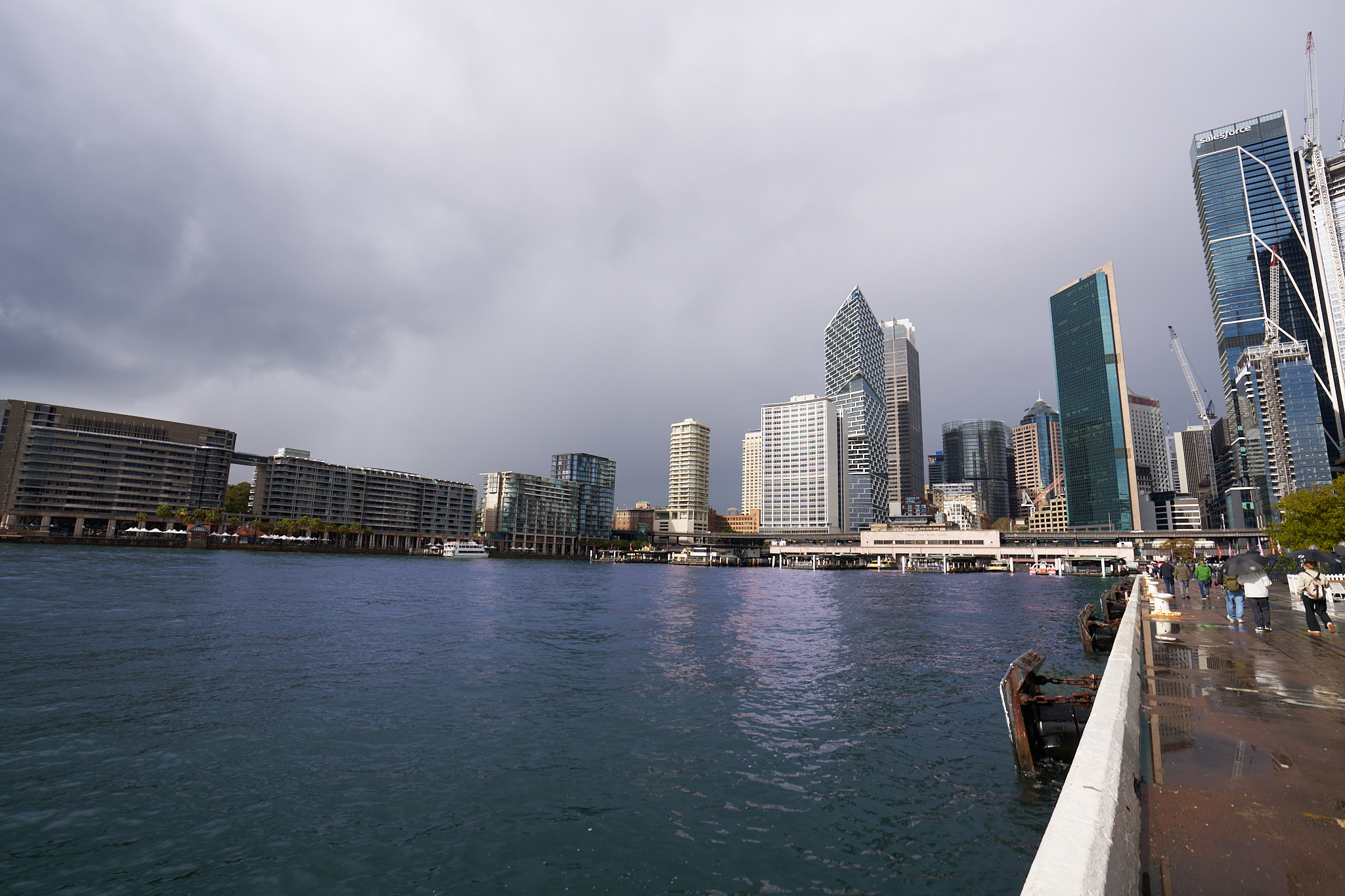
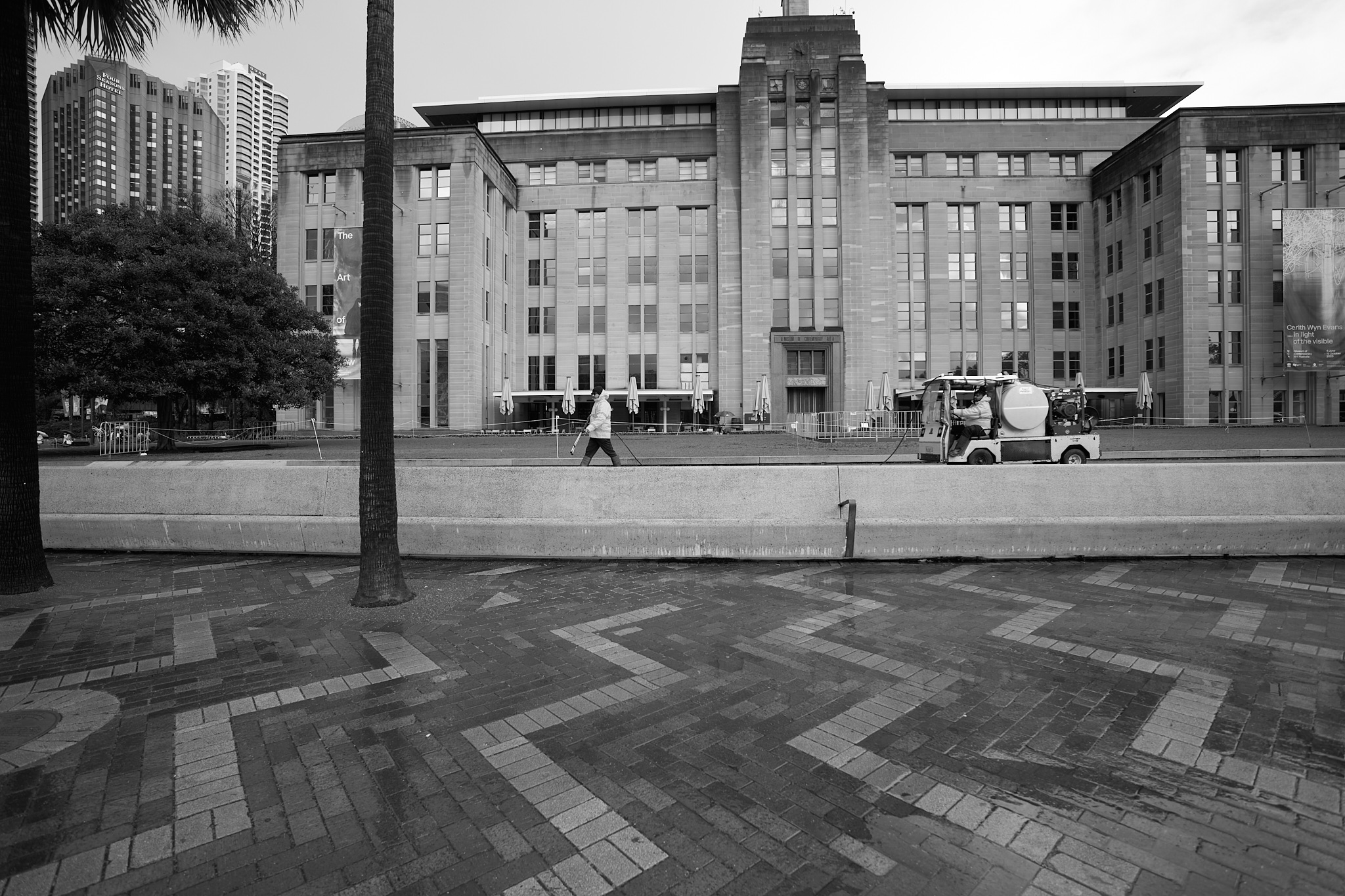
I used the lens extensively for street photography around Sydney, capturing a protest and the looming buildings of the business district.

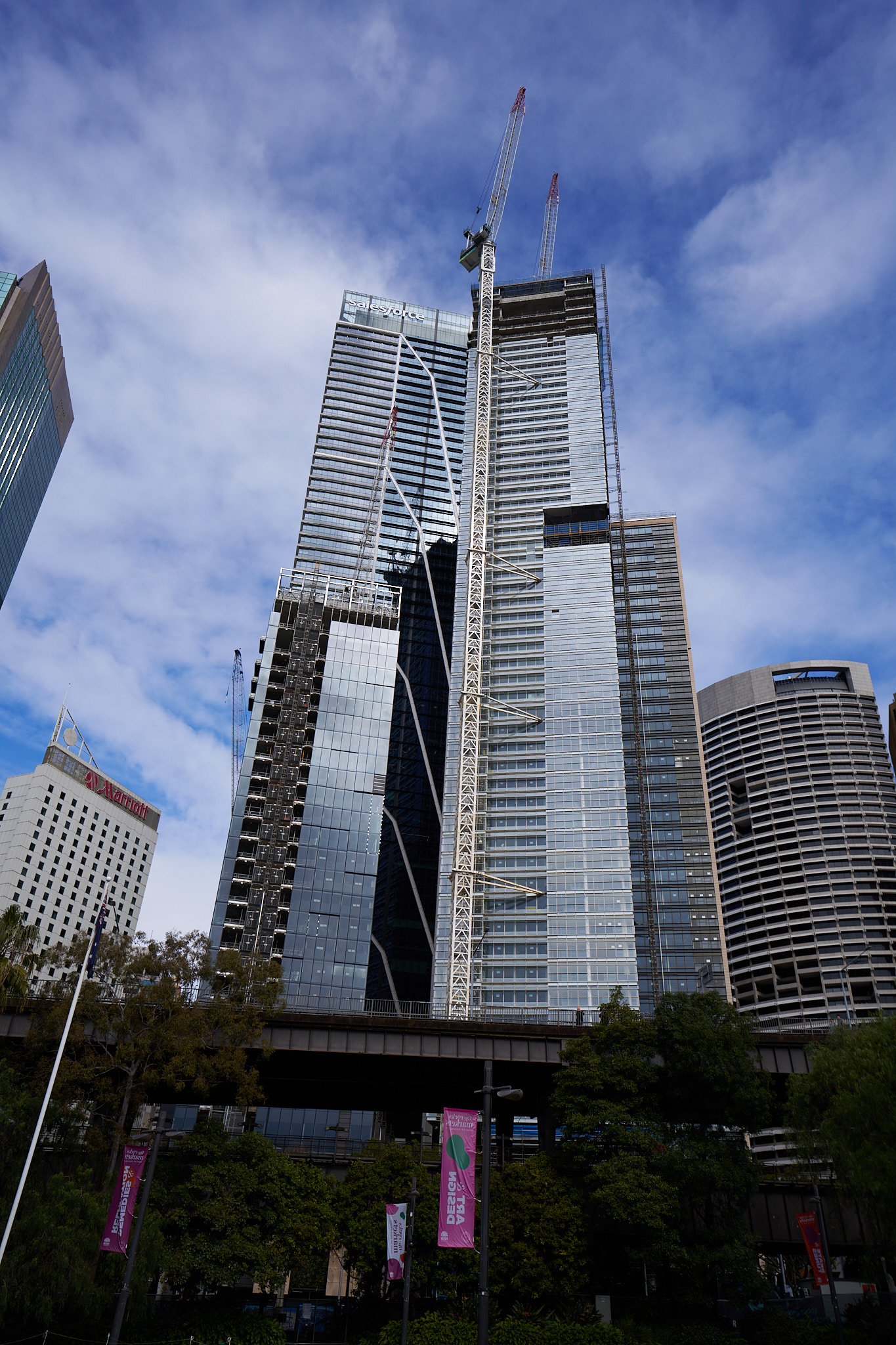
Tamron 16-30mm F2.8 Di III VXD G2 Optical Performance
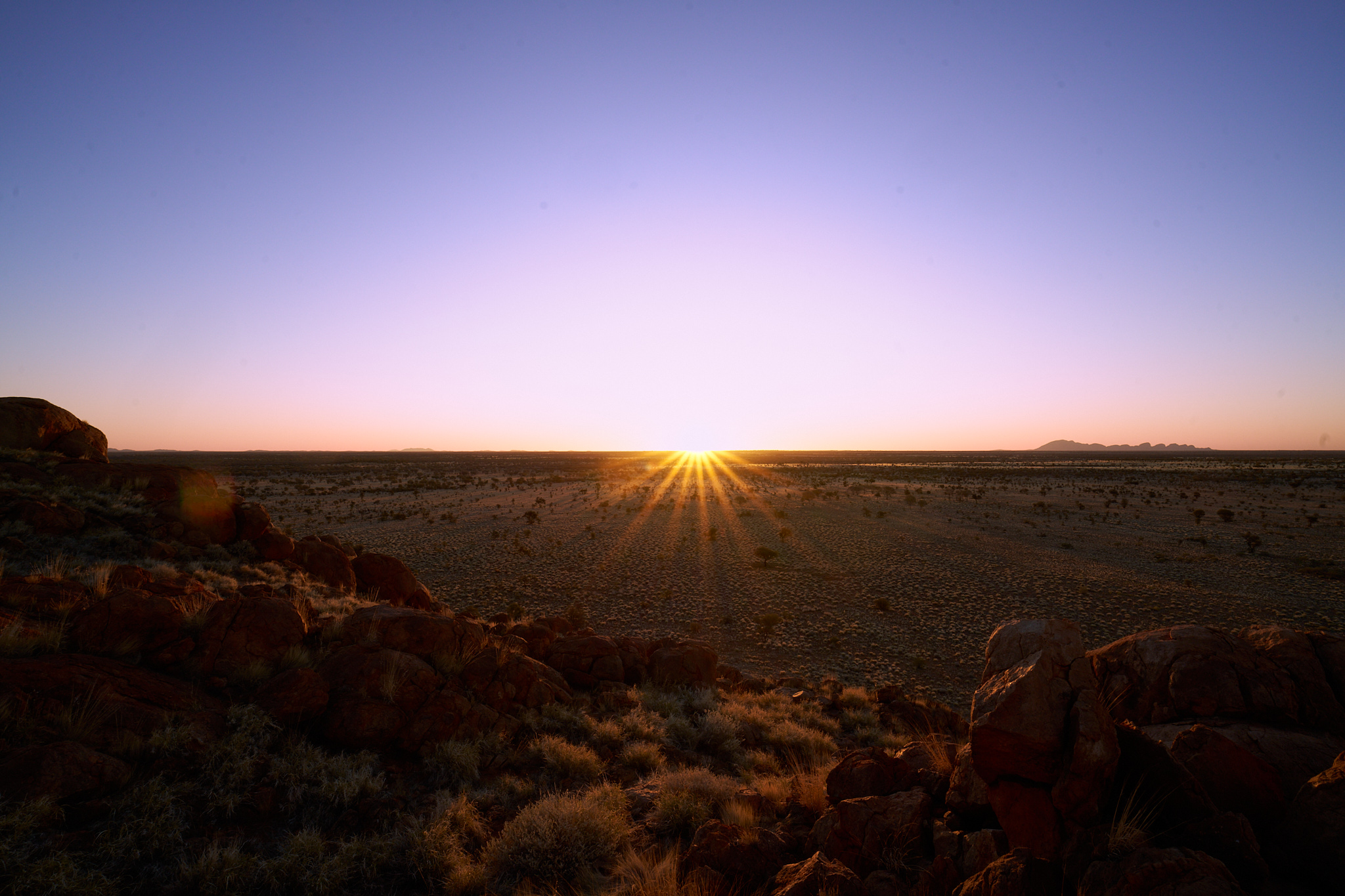
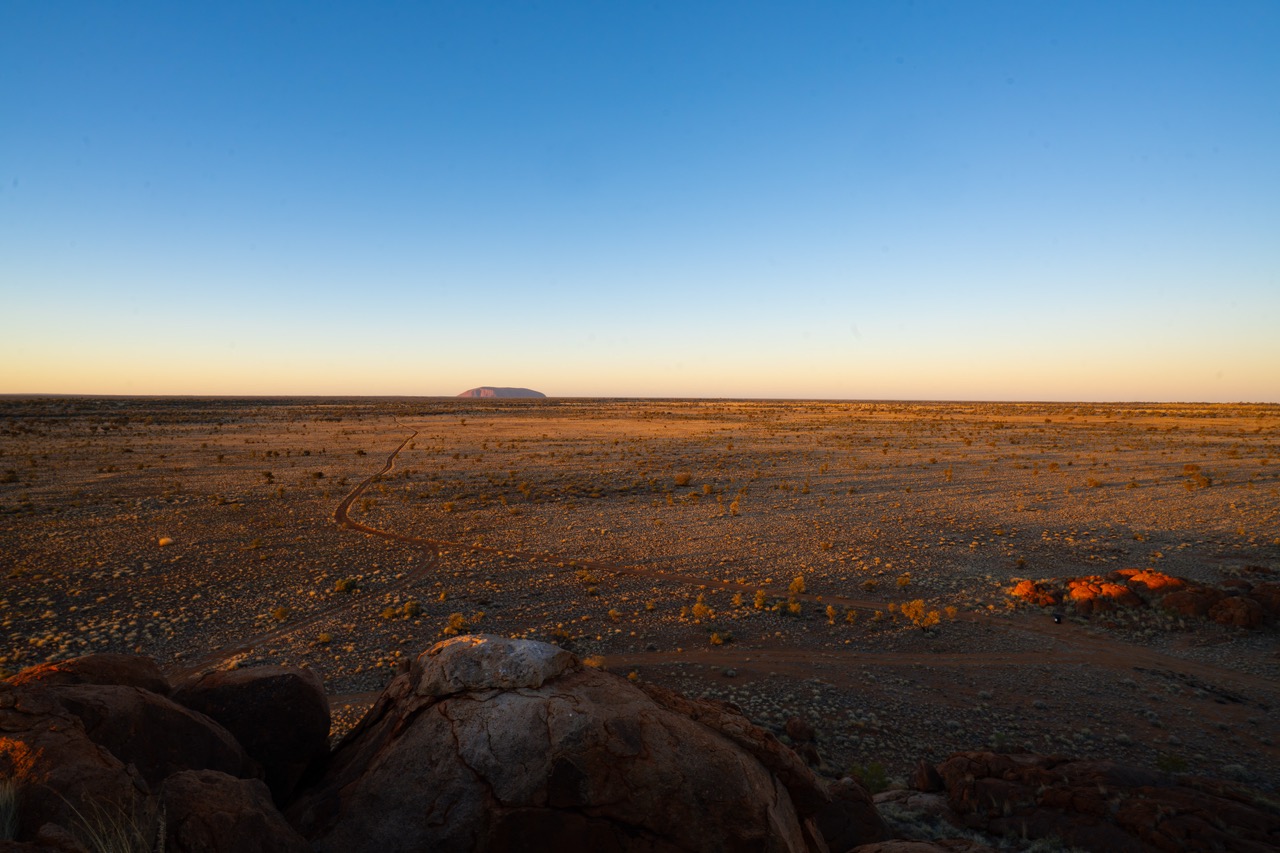
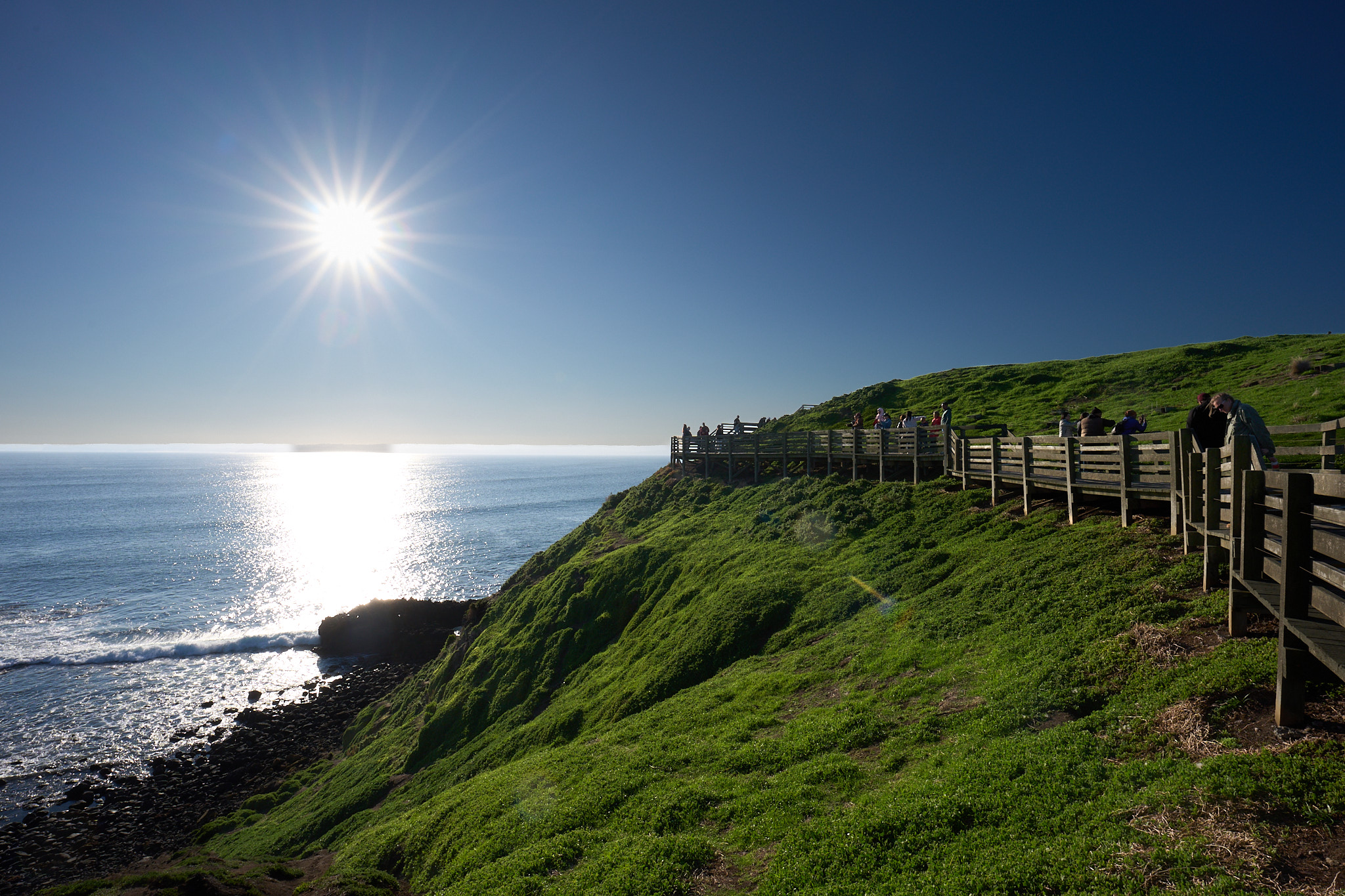
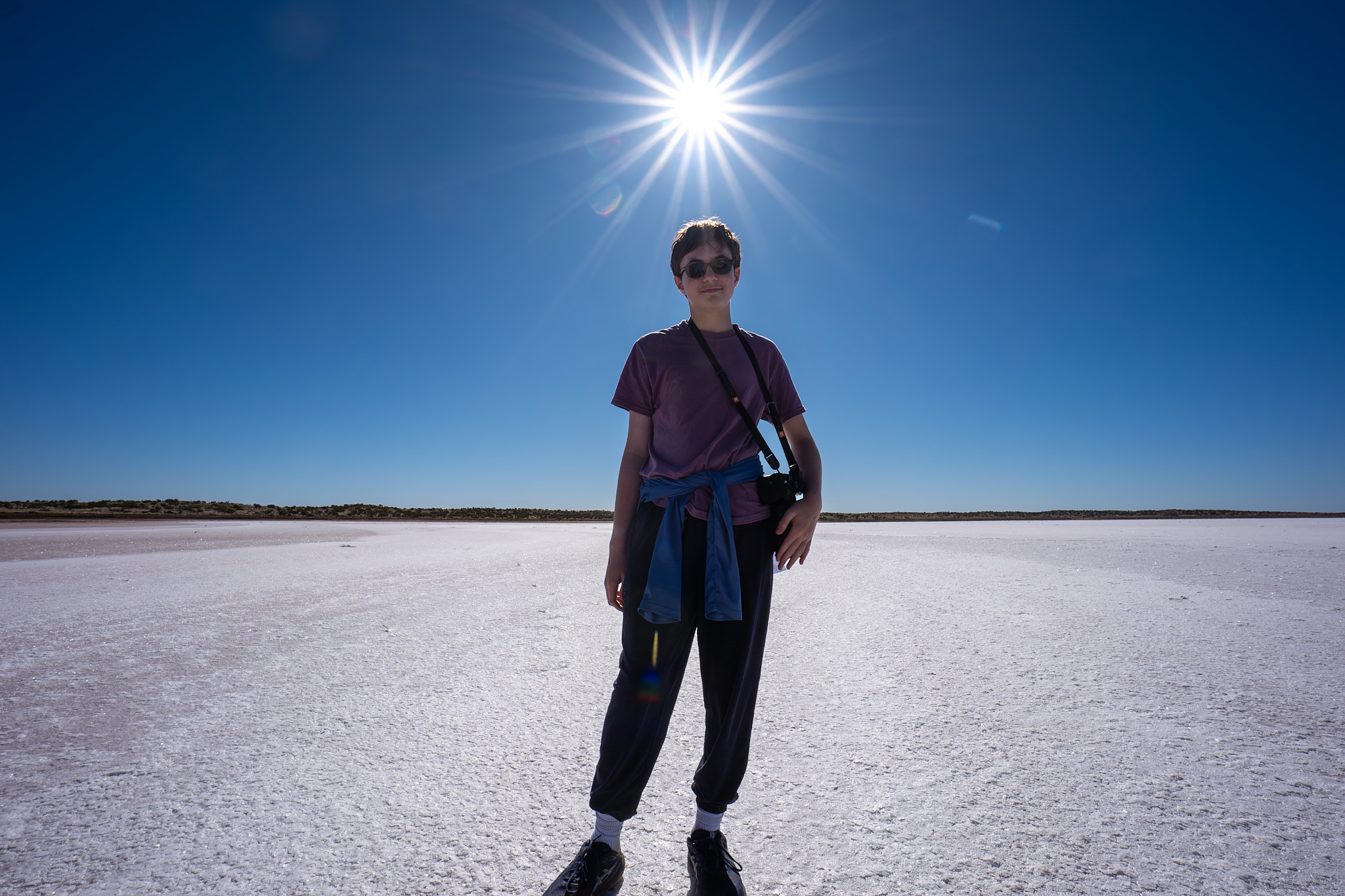
When stopped down fully, the lens produces sun stars, if that’s your thing. While I’m not usually a fan of this effect, in a photo of Uluru at sunset, the sun star really does frame the scene nicely. However, when shooting directly into the sun, there is some lens flare visible in the bottom portion of the images. The lens flare doesn’t happen constantly, but when it does, it’s very noticeable.
This is one area where Sony’s 16-35mm has an advantage. I’ve used the 16-35mm, shot directly into the sun, and I rarely see flaring like this. That said, in a super wide-angle lens, some distortion is expected, but I never saw anything from this lens that jumped out as bad image quality.
Watch Our Hands On Video Review
Tamron 16-30mm G2 Build Quality and Handling.
The build quality on this lens is excellent. Tamron’s updated G2 design includes weather sealing and a USB-C port right on the lens for firmware updates. The autofocus system uses Tamron’s VXD linear motor, which proved fast, silent, and accurate throughout my testing. I only did minimal video work with this lens, but I never heard a peep from the motors when I did.
I do wish the lens included an aperture ring on the barrel. This isn’t a major problem, as most lenses still don’t have aperture rings, but I love them. I will continue mentioning their absence in every lens review, especially for lenses aimed at the advanced enthusiast or pro. For those (like me) who prefer direct aperture control without turning one of the dials, this is a more noticeable omission. But for most people, this isn’t even an issue.
Tamron 16-30mm F2.8 Di III VXD G2 vs Sony 16-35mm F2.8 GM2
The price difference between these lenses is staggering. The Sony 16-35mm F2.8 GM2 currently costs $2,650, while the Tamron 16-30mm sells for $929. That makes this lens somewhere between half and a third the price of the Sony GM2. If you bought this lens instead of the 16-35mm GM2, you’d have almost enough money left over to also buy a Sony A7C II to mount it on.
There are optical quality differences between the Sony and Tamron lenses. Sony’s optical designs are considered some of the highest resolution and most detailed in this entire era of lens manufacturing. However, the fact that this Tamron can be this sharp, this well-built, and this fast at this price makes it one of the easiest recommendations I’ve made in a long time.
Price and Availability of the Tamron 16-30mm F2.8 Di III VXD G2
The Tamron 16-30mm F2.8 Di III VXD G2 is available for $929.00.
Should You Buy This Lens?
If you’re looking for a wide-angle zoom lens for travel, landscape, architecture, or street photography, the Tamron 16-30mm F2.8 Di III VXD G2 deserves serious consideration. The combination of constant f/2.8 aperture, fast focusing, excellent image quality, and outstanding value makes this an easy recommendation.
The lens costs less than half what Sony charges for their 16-35mm GM2, yet delivers sharp images with minimal distortion across the zoom range. While the Sony lens may have superior optical performance and better flare resistance when shooting into the sun, the Tamron produces images that almost always impressed me.
The lack of an aperture ring may disappoint some shooters, and those who frequently photograph backlit scenes should be aware of the lens flare characteristics. However, these are minor concerns compared to the overall package. For Sony E-mount shooters who want a high-quality wide-angle zoom without spending $2,500, the Tamron 16-30mm F2.8 Di III VXD G2 is the lens to buy.
Images From the Tamron 16-30mm F2.8 Di III VXD G2