Tamron 28-200mm f/2.8-5.6 Di III RXD – A Nearly Perfect Travel Zoom

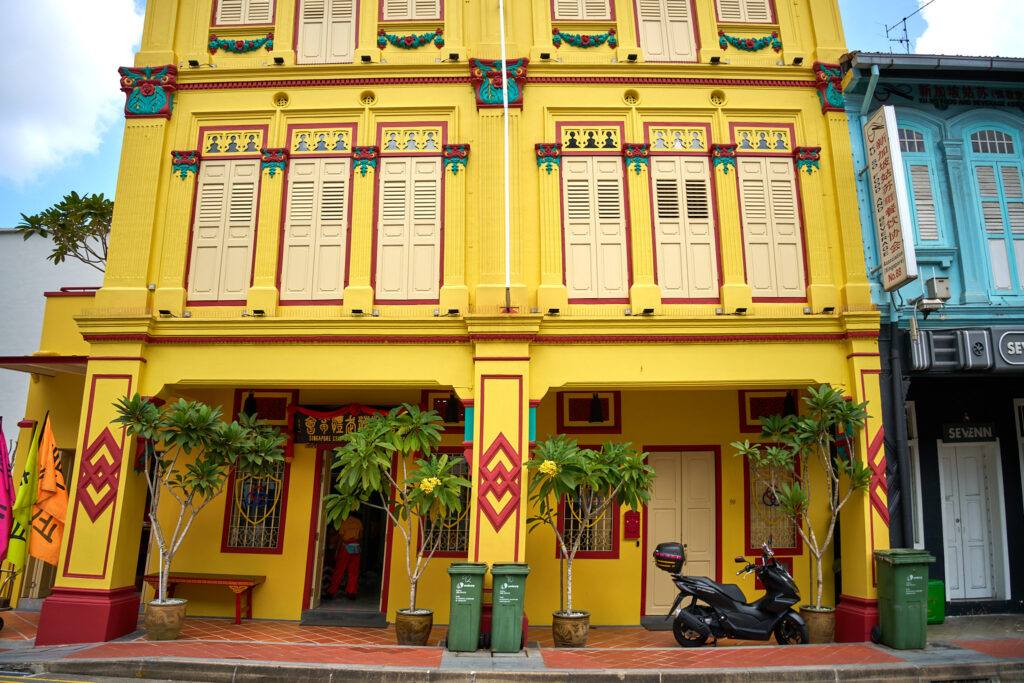
Table of Contents
 In the Field
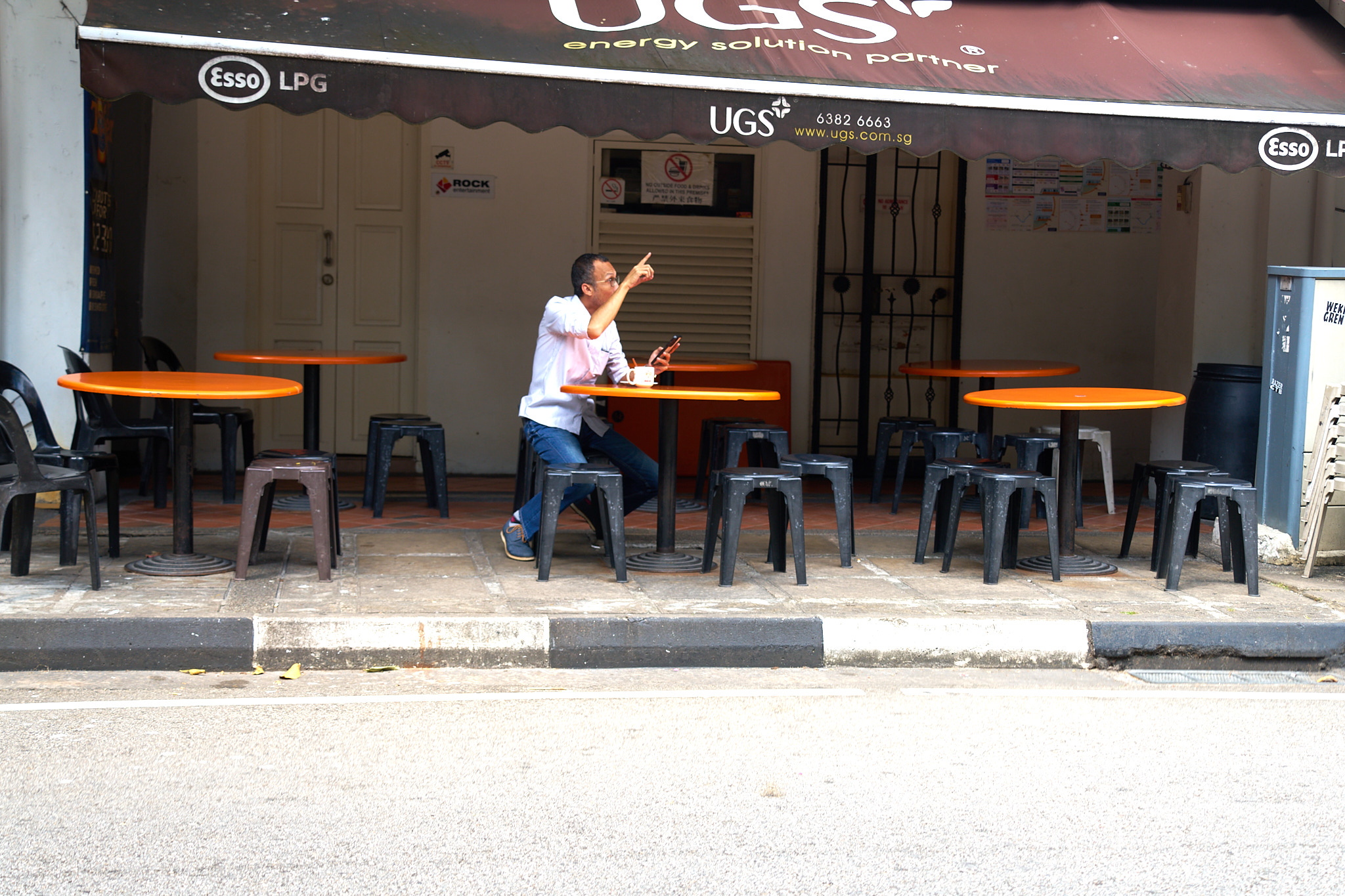
I’m a big believer in “less is more” when it comes to travel lenses. I’ve gone on trips where I’ve packed a bag full of lenses and end up missing a lot of shots. I remember pawing through my bag on a trip to Paris, trying to switch from the wide-angle lens I was using to photograph buildings to a telephoto to capture a street performer doing a handstand in the middle of the avenue. I wasn’t fast enough, and I missed the shot.
Instead, for travel and for daily walk-around use, I prefer an all-in-one lens. These multifocal length lenses are a giant step up from the dreadful “kit” zoom lenses that come with many entry-level cameras. A good all-in-one lens will make some compromises, usually in aperture, but still have great focusing and great image quality. They should also have a range of focal lengths that allow them to go from photographing the Eiffel Tower to a hand-standing mime without missing the shot.
Our Take at a Glance
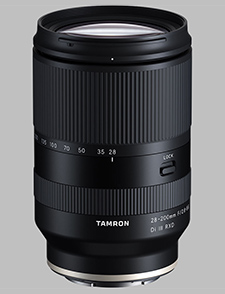
The Tamron 28-200mm f/2.8-5.6 Di III RXD is an incredible performer at an excellent price. For travel photographers, it’s a slam dunk. Excellent images, small body, light weight, and silent in operation. With a length of 117mm (4.6 in) and a weight of 575g (20.3 oz), it’s a small lens that packs a big punch.
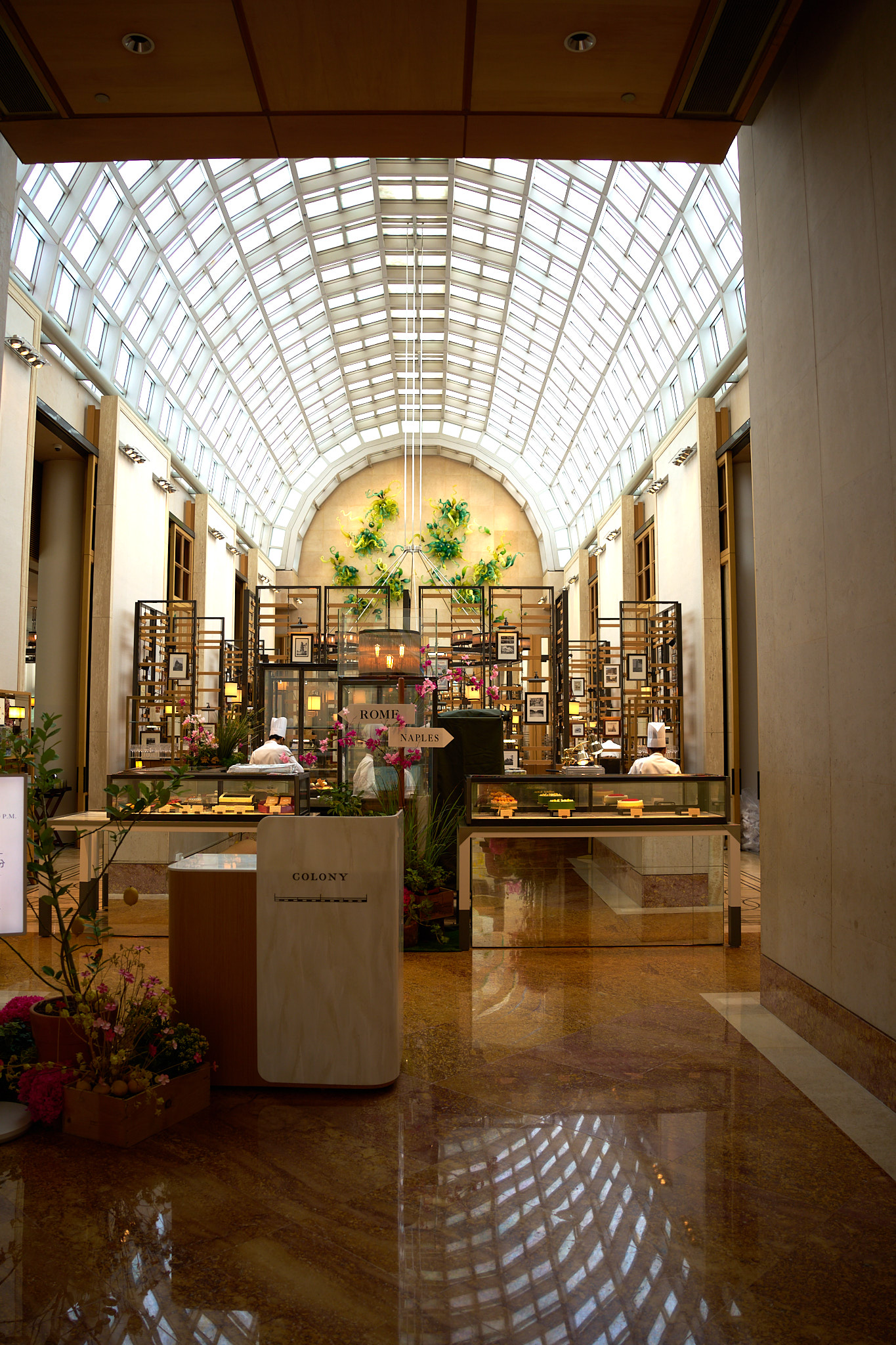
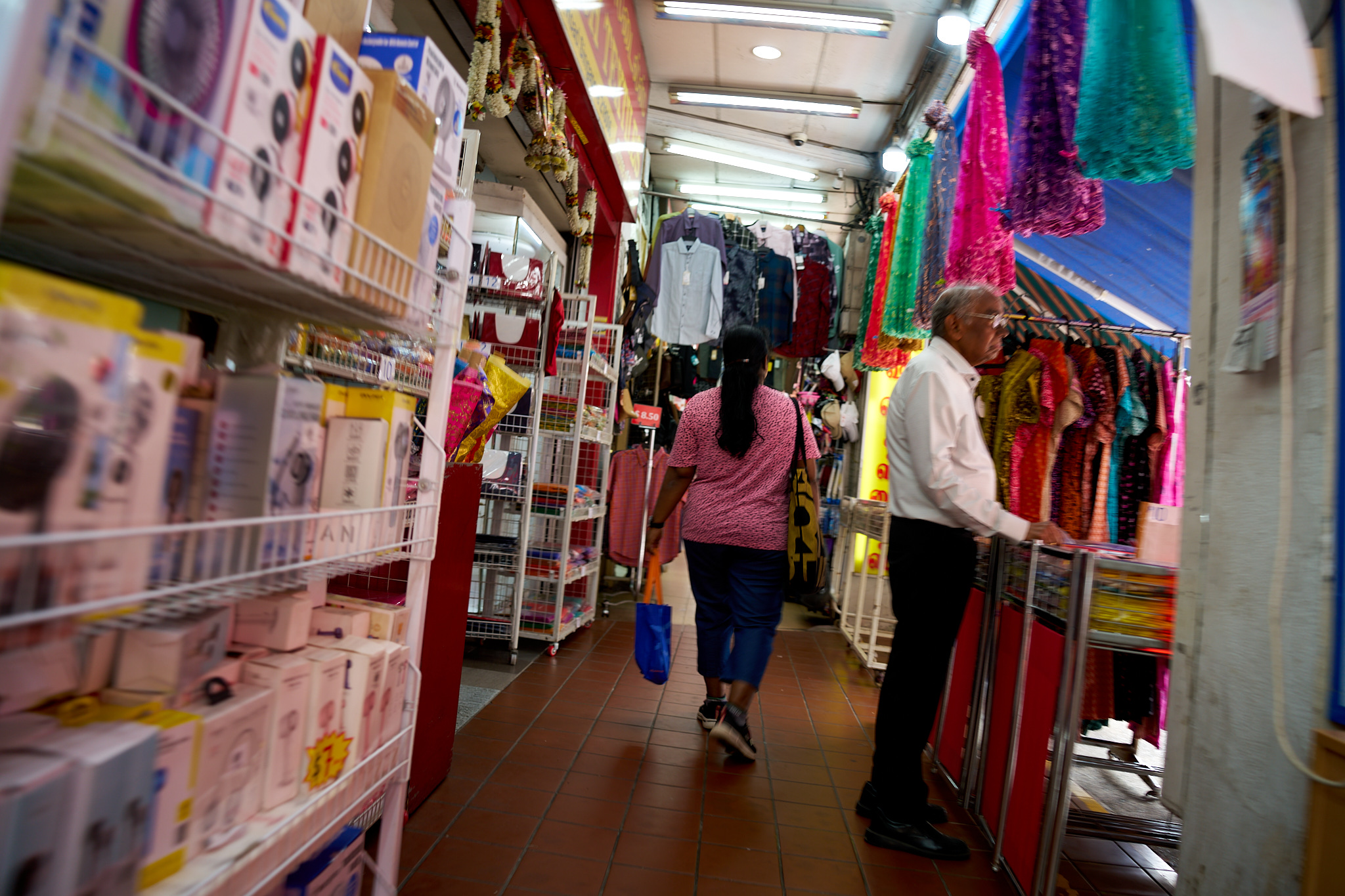
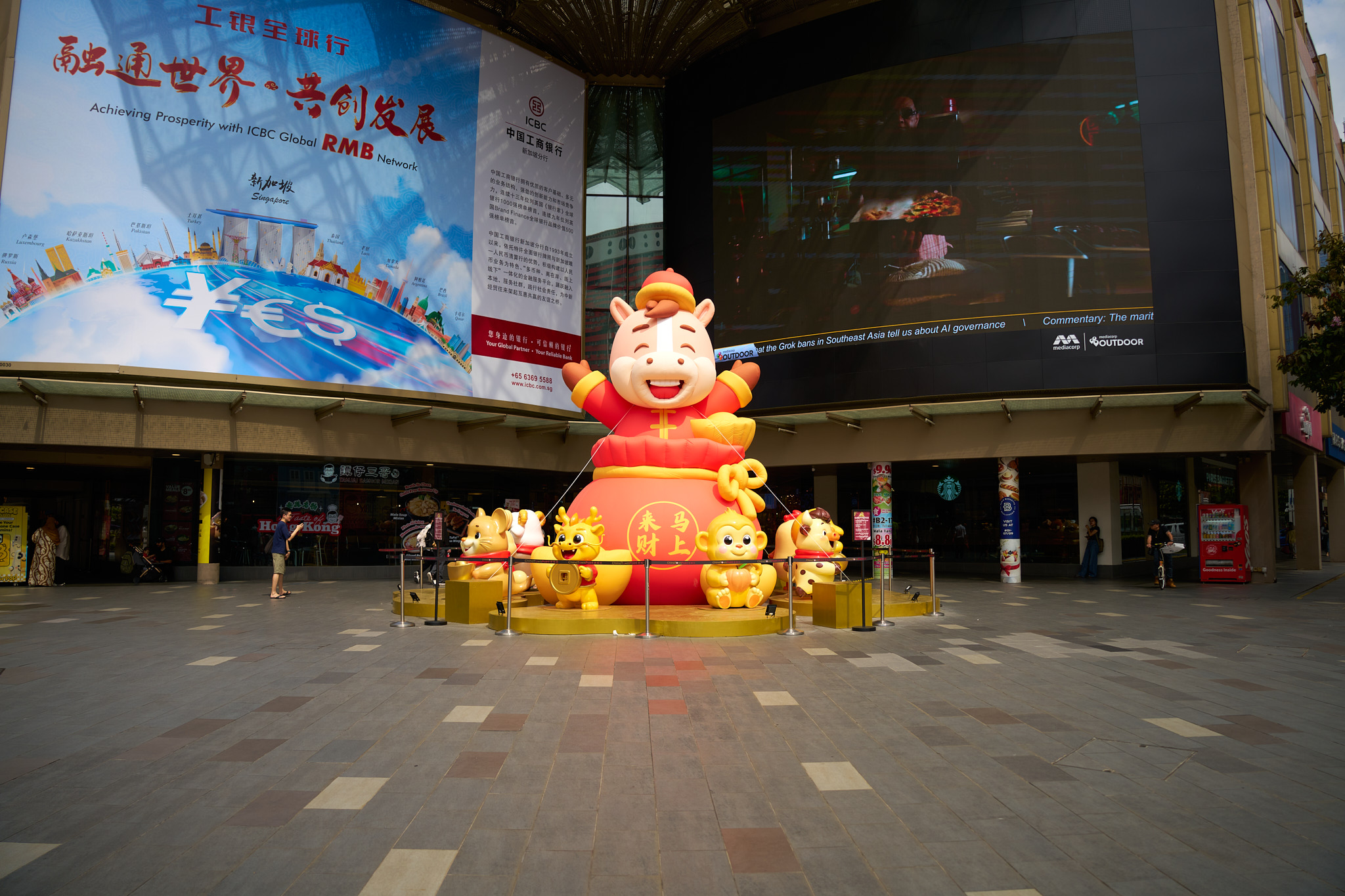
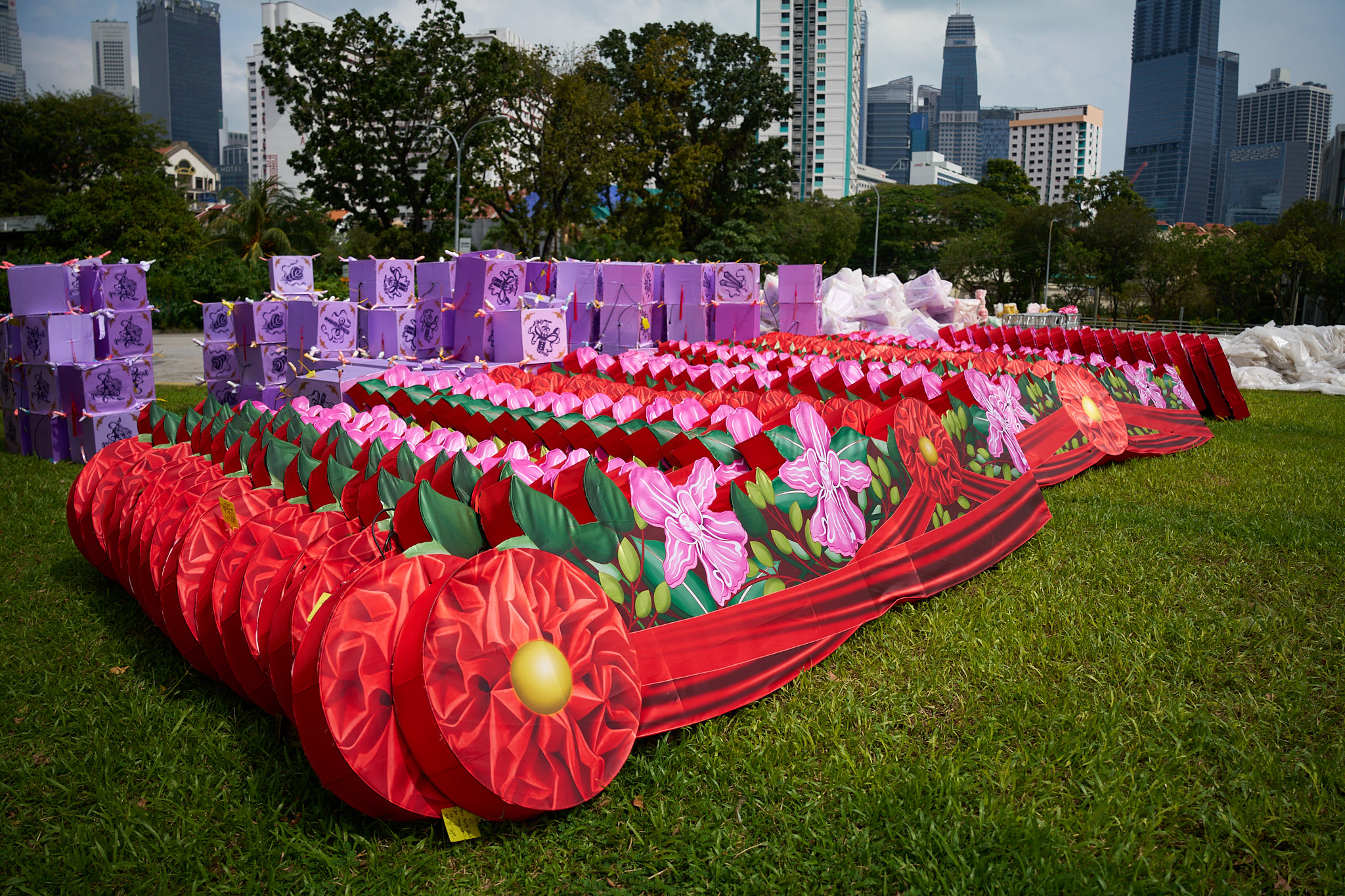
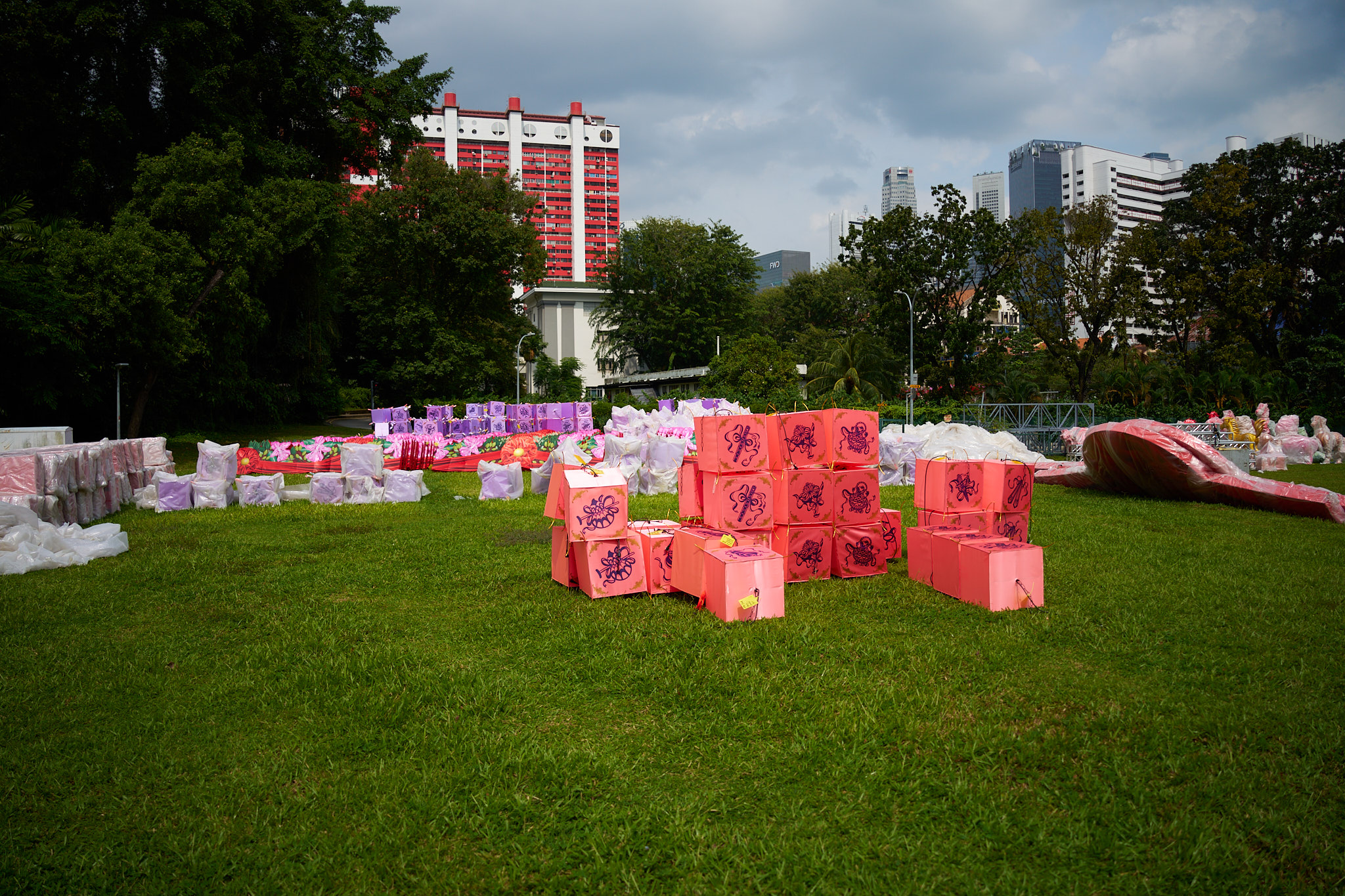
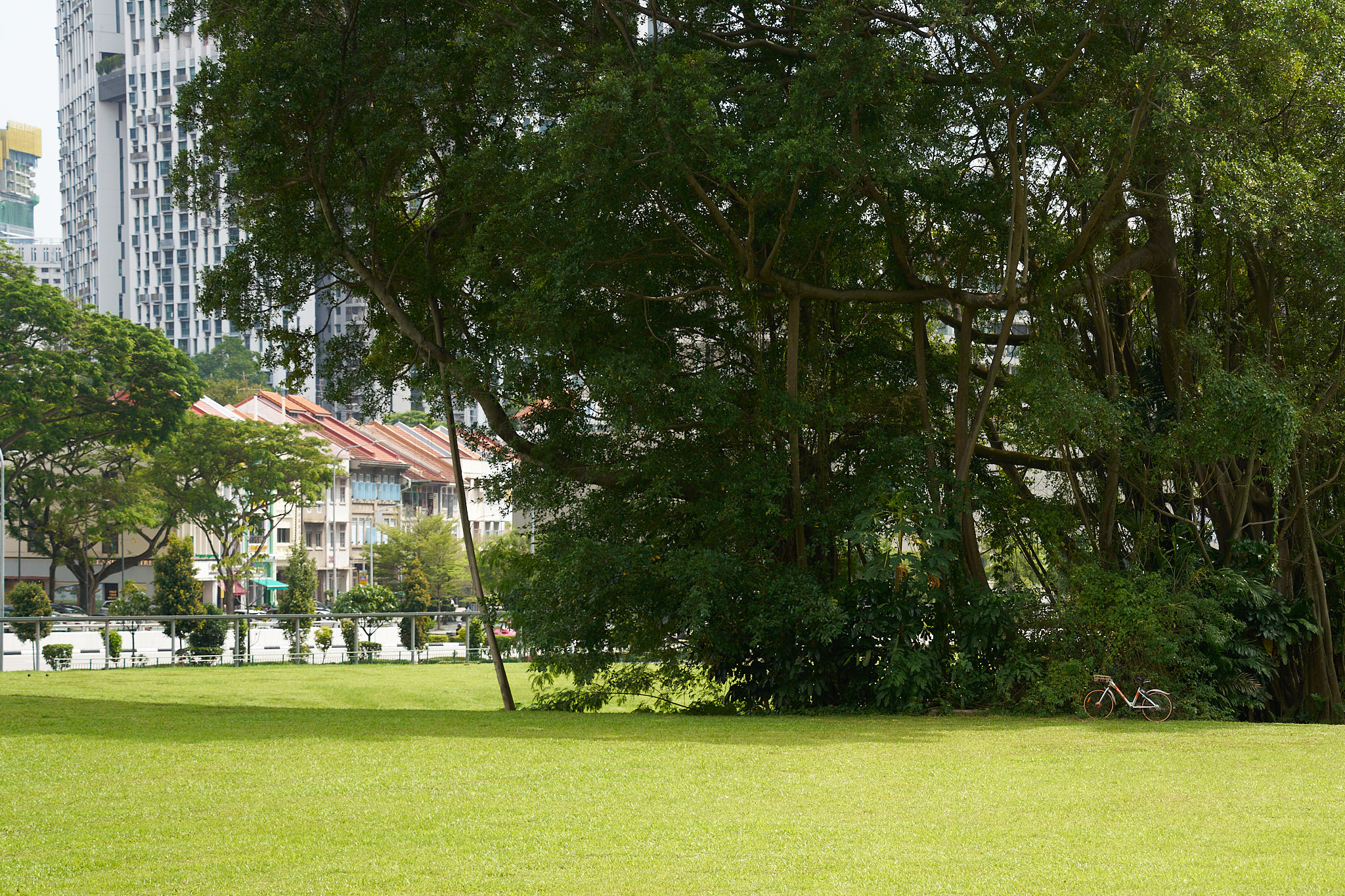
The Tamron 28-200 f/2.8-5.6 Di III RXD is my new travel obsession, having just used it for a nearly two-week trip in Singapore. An incredibly photogenic city, Singapore is full of colors, lights, and an energy that makes travel both spontaneous and predictable.
A note about images in this article
Our site is based on WordPress and it’s notorious for its overcompression of images. There are often clipped highlights and a lack of detail in the shadows. Images are all better looking than in this article, we promise.
In the Field
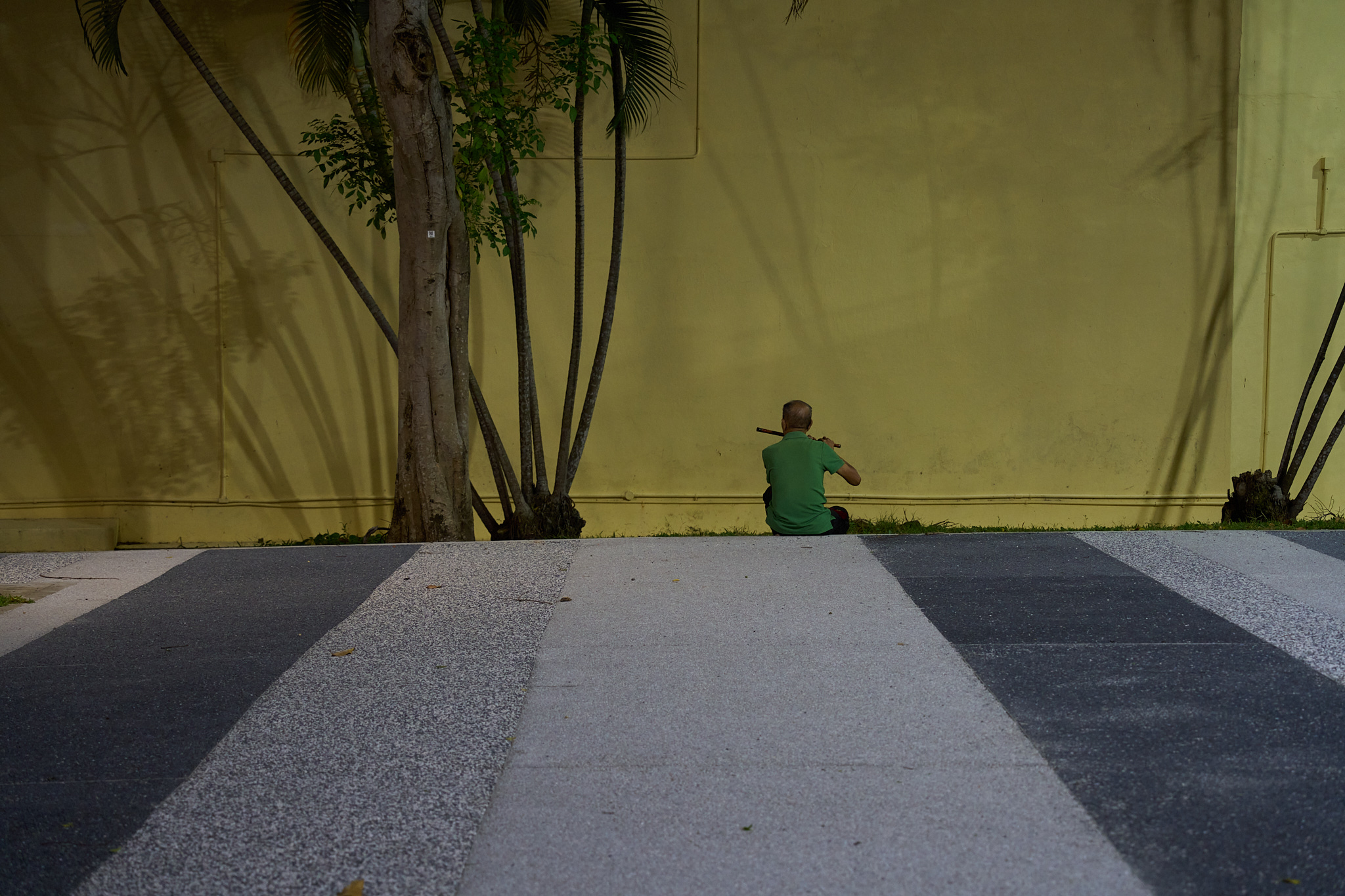
Singapore is an incredibly young country, an island nation that gained independence just sixty years ago when Singapore cut ties with Malaysia and became its own sovereign nation. It has been an influential trading hub for hundreds of years; its modern history is tied to its position as first a fishing and trading outpost and later a modern financial powerhouse.
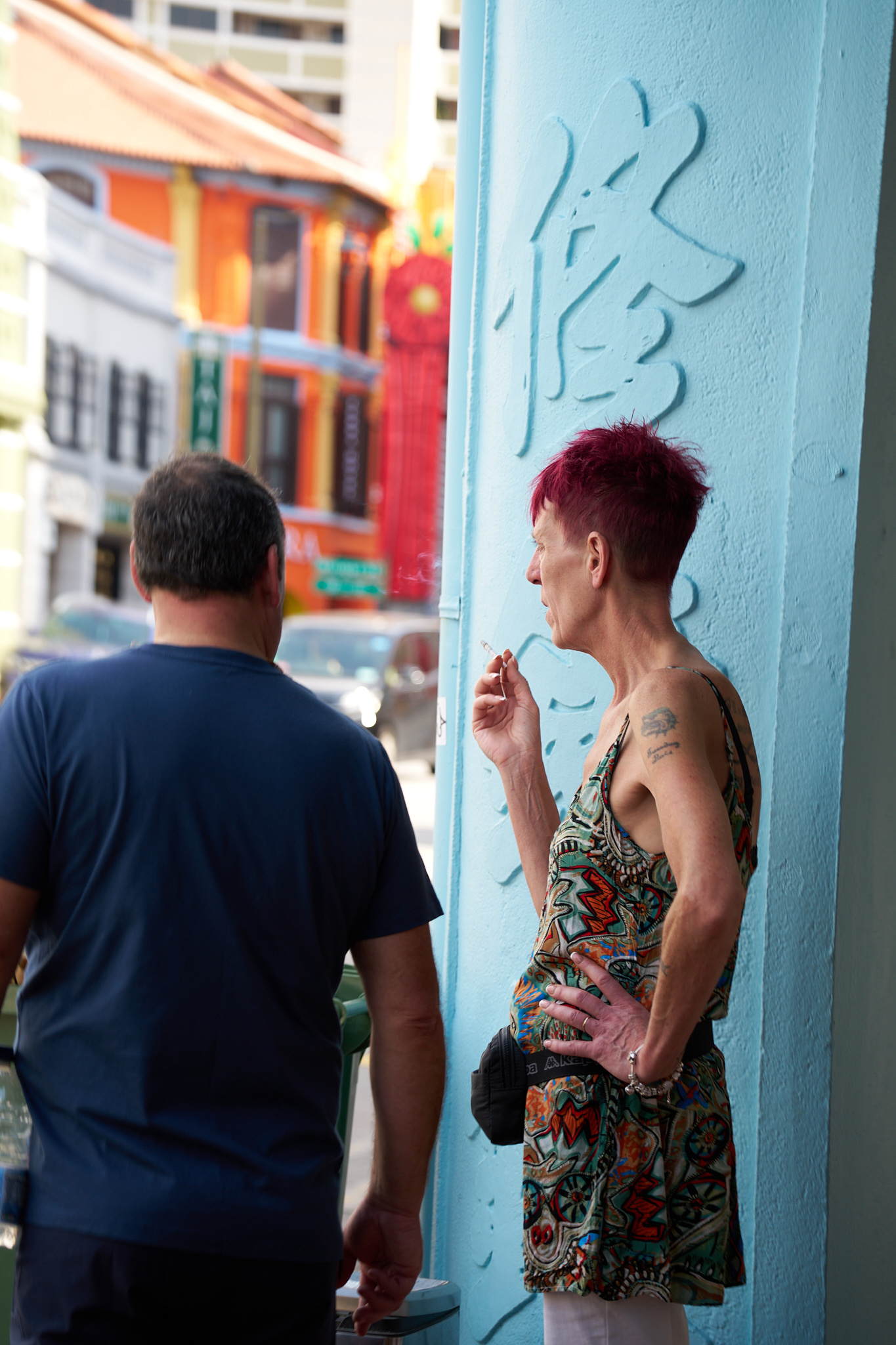
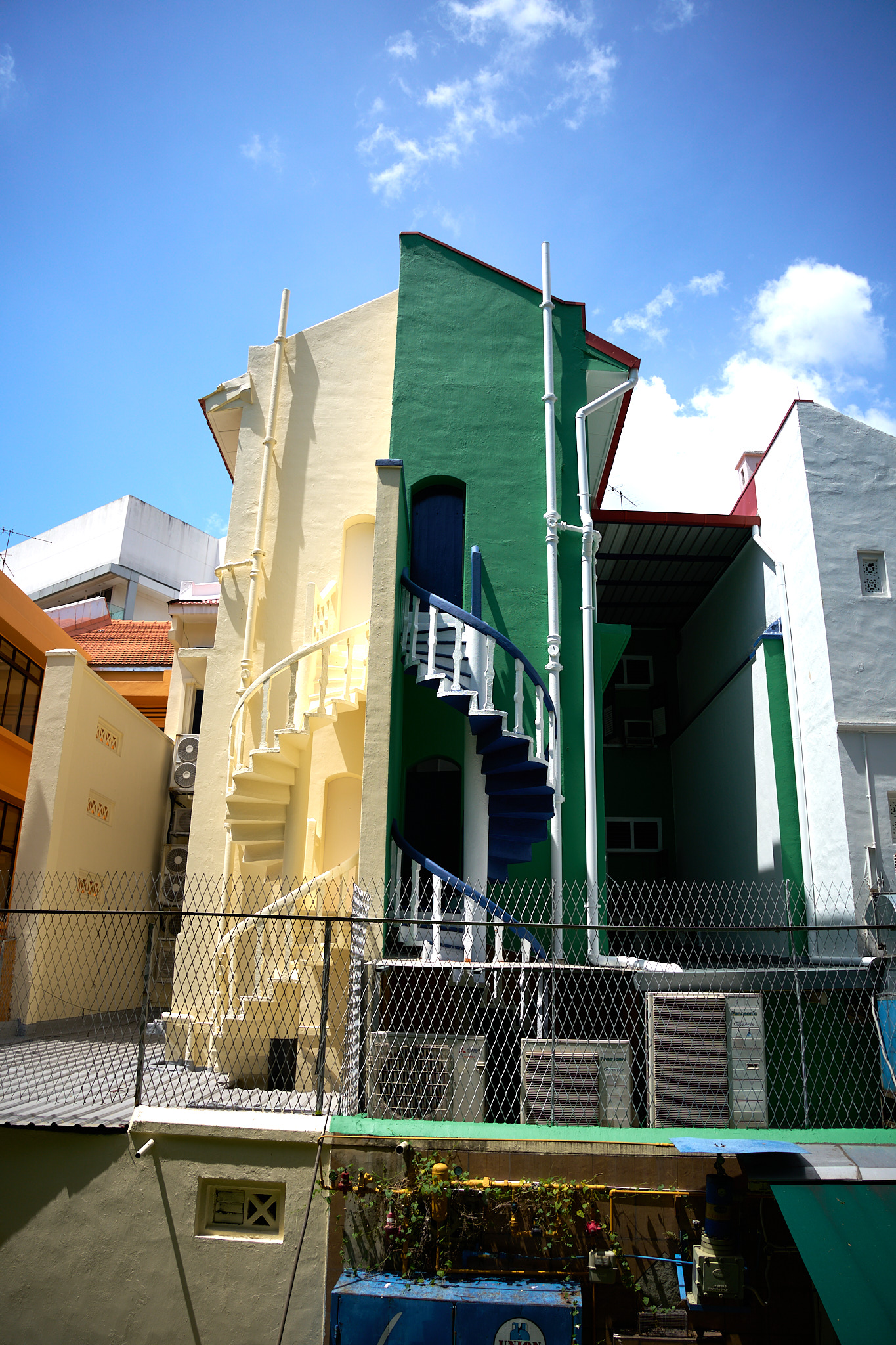
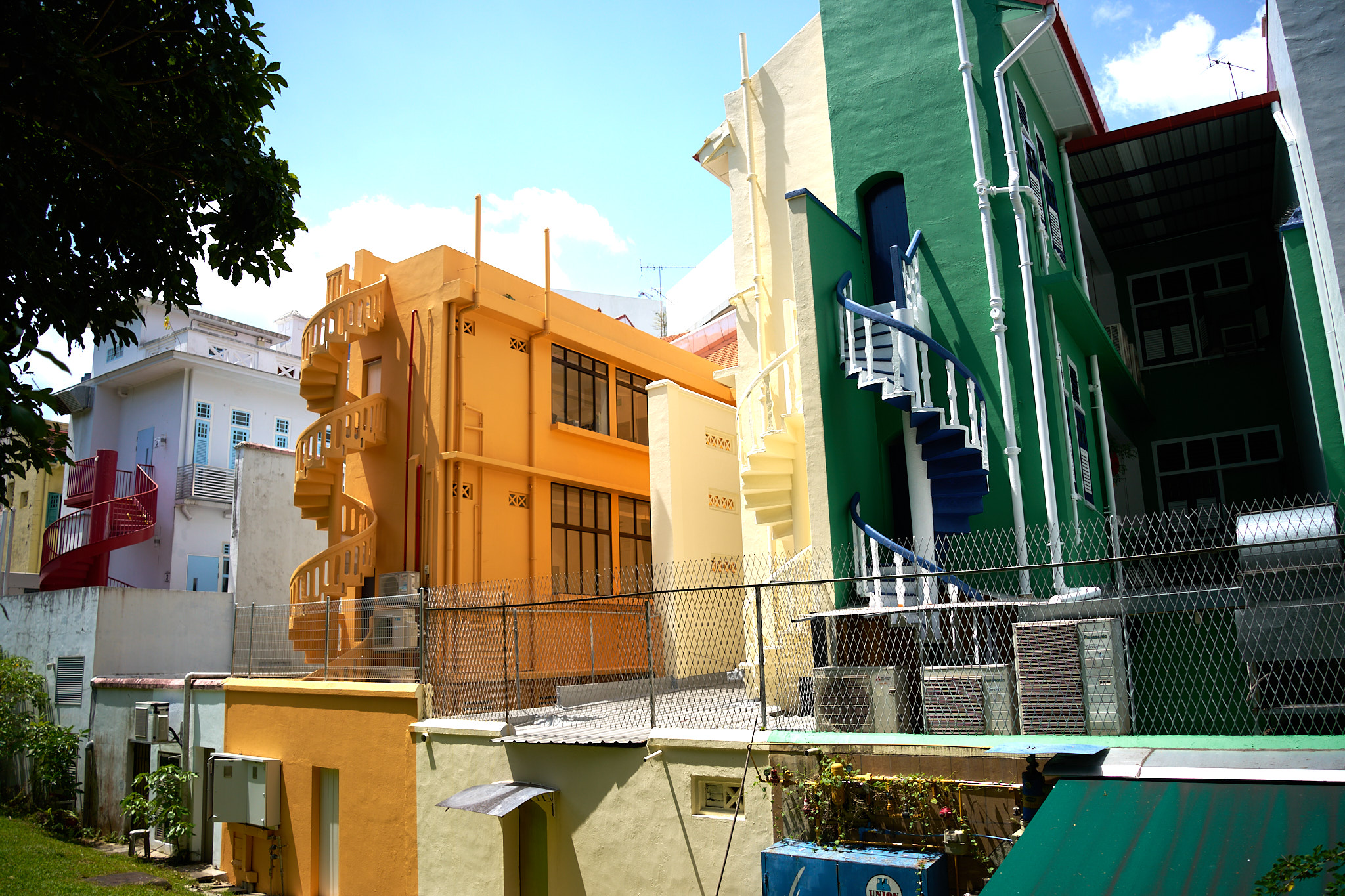
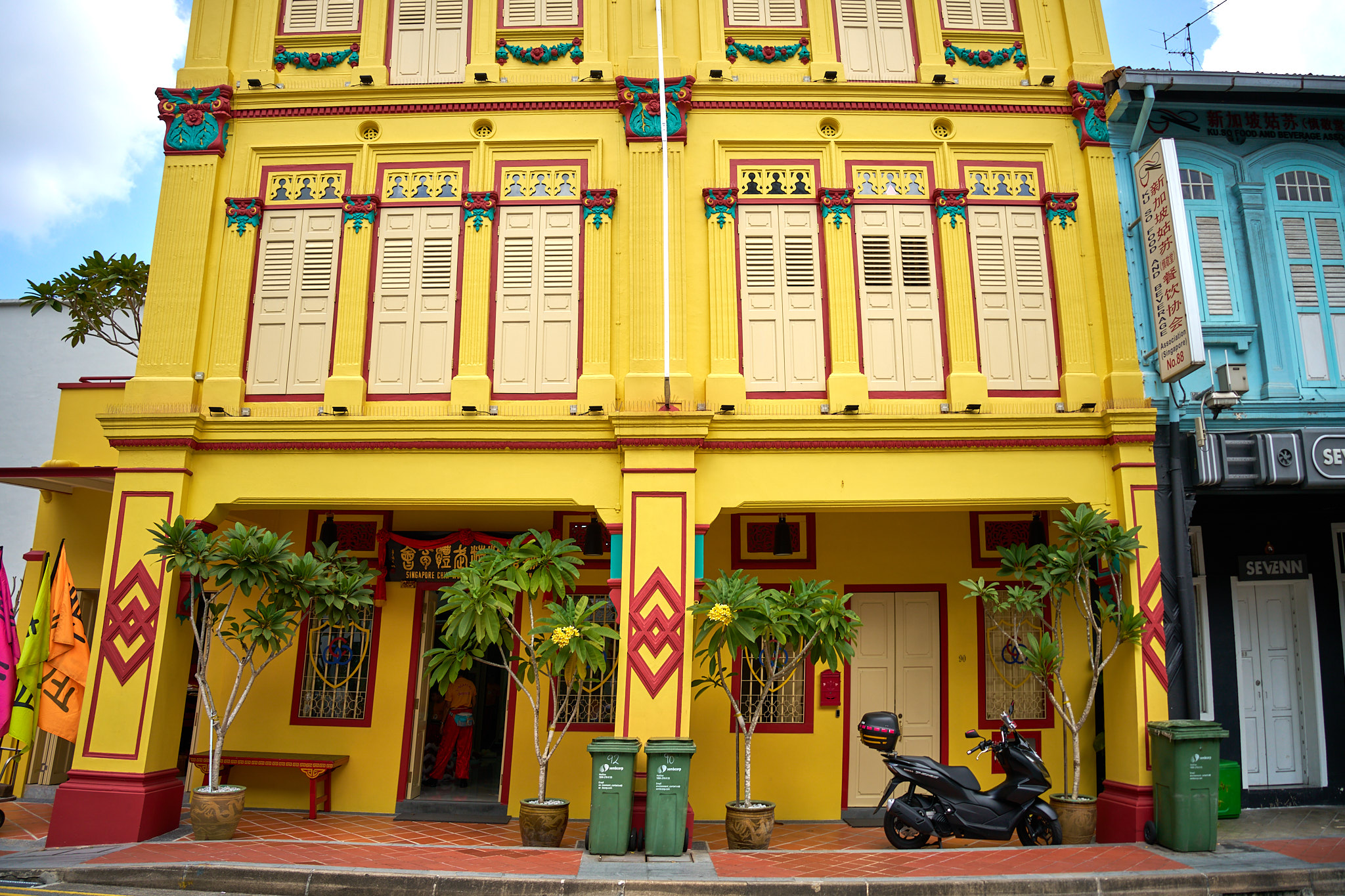
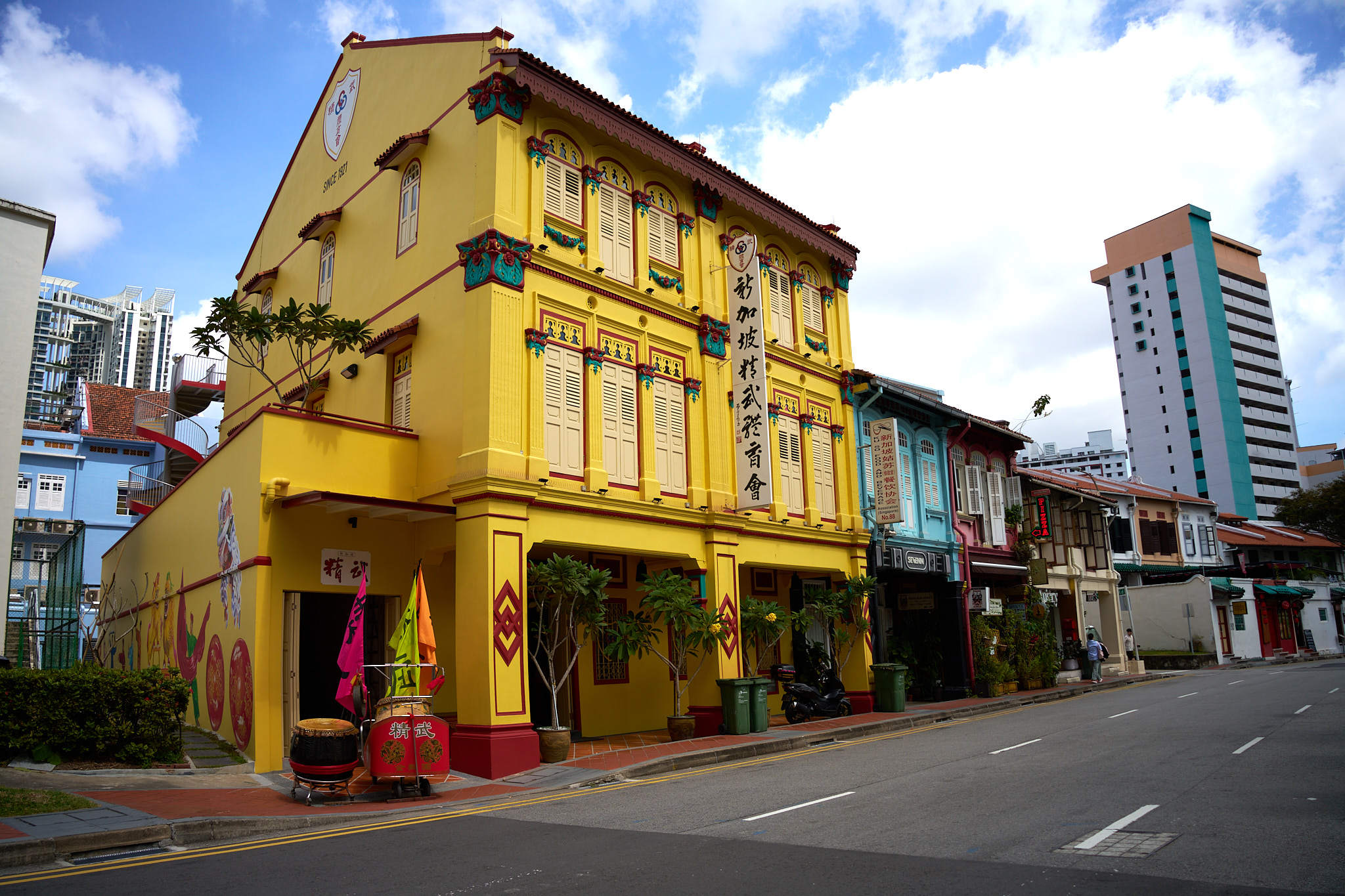
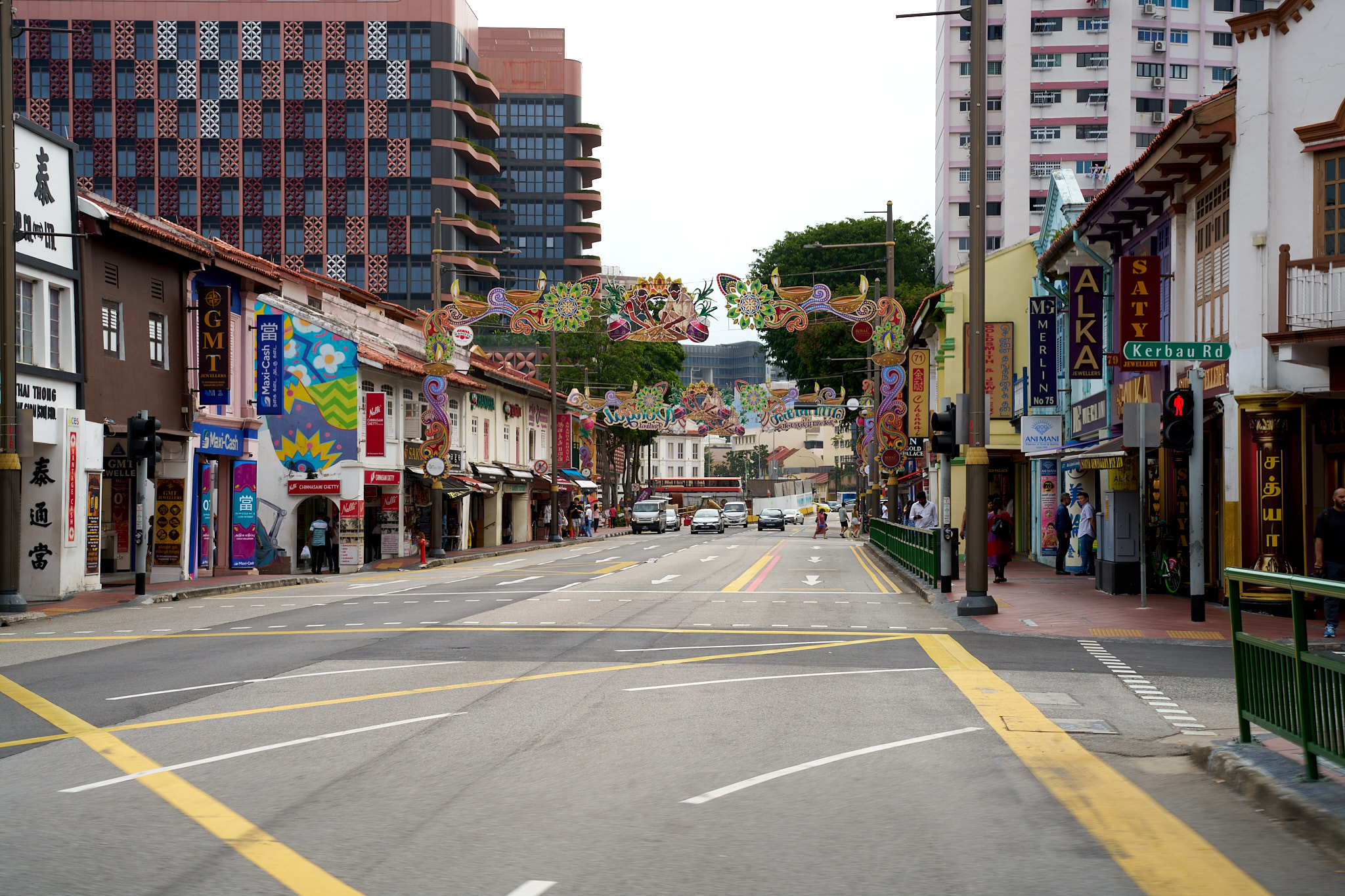
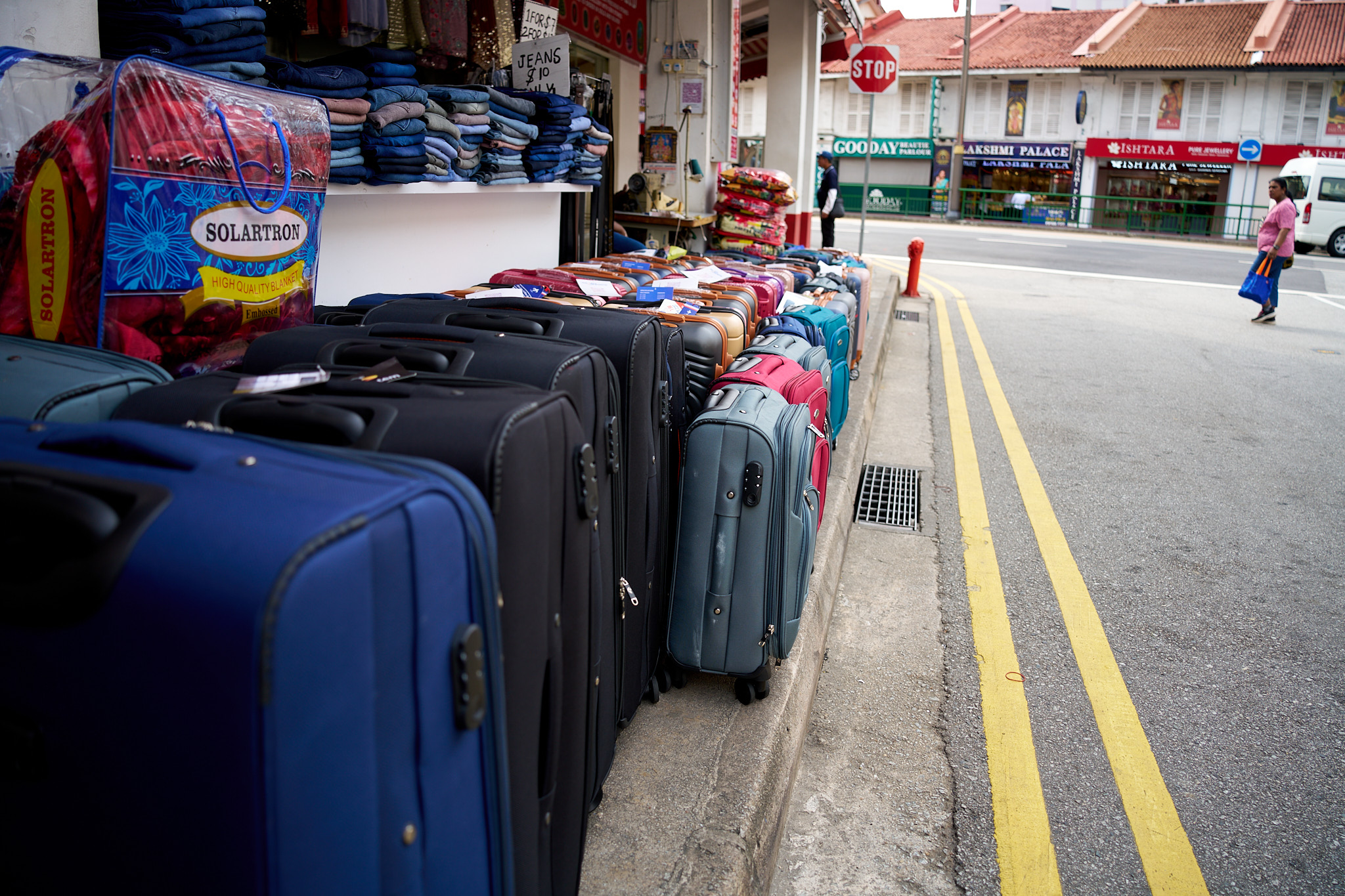
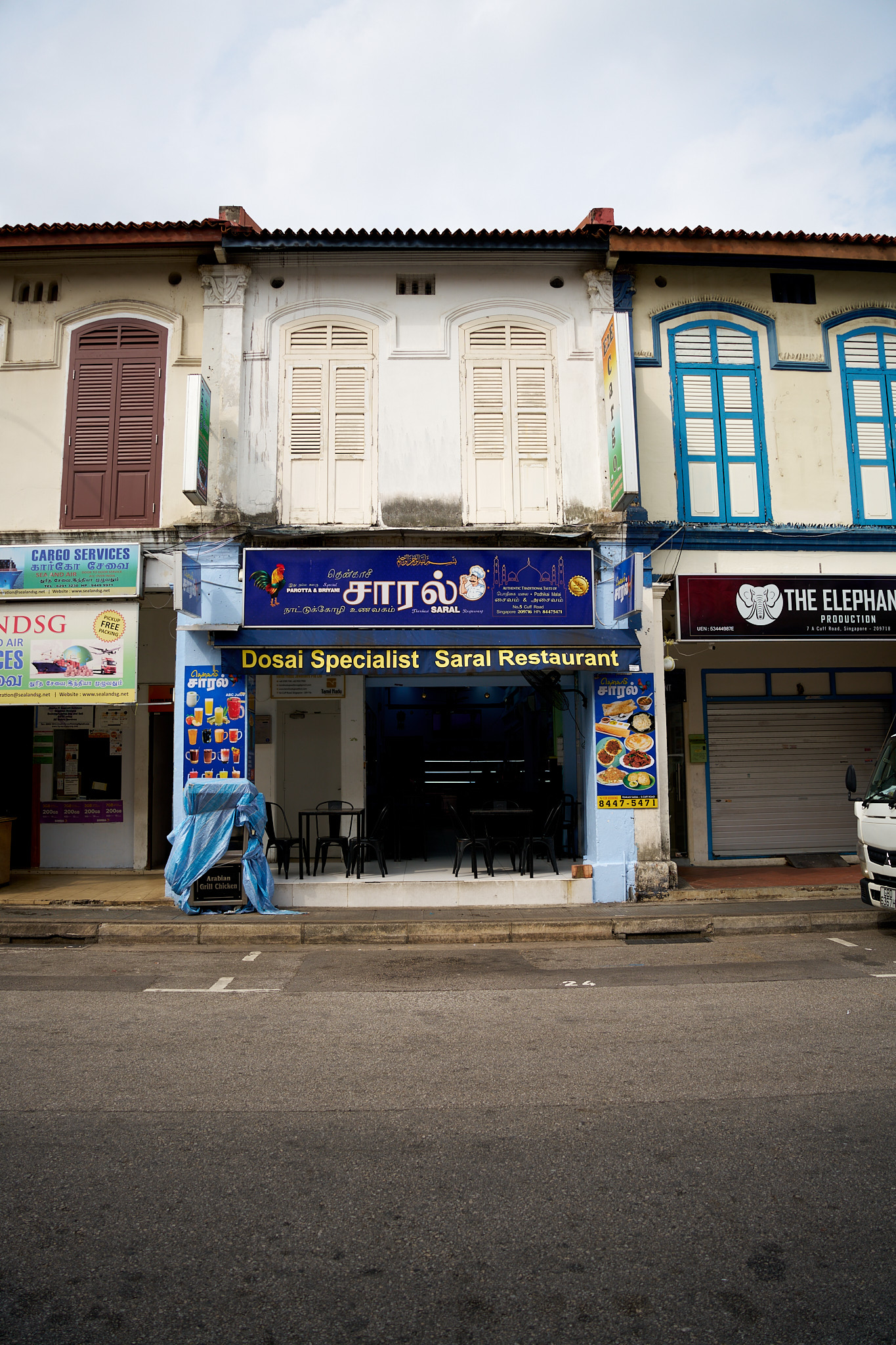
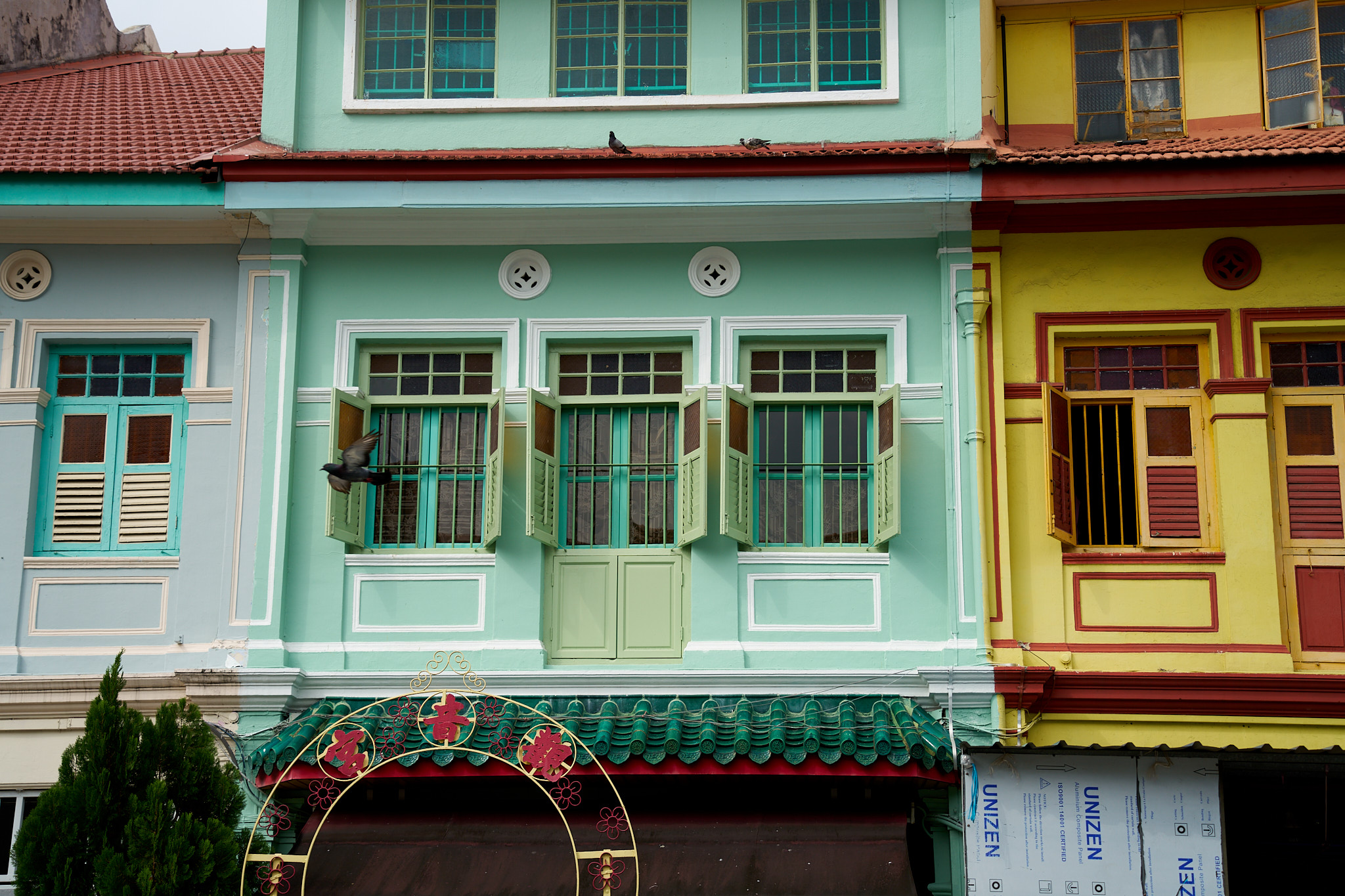
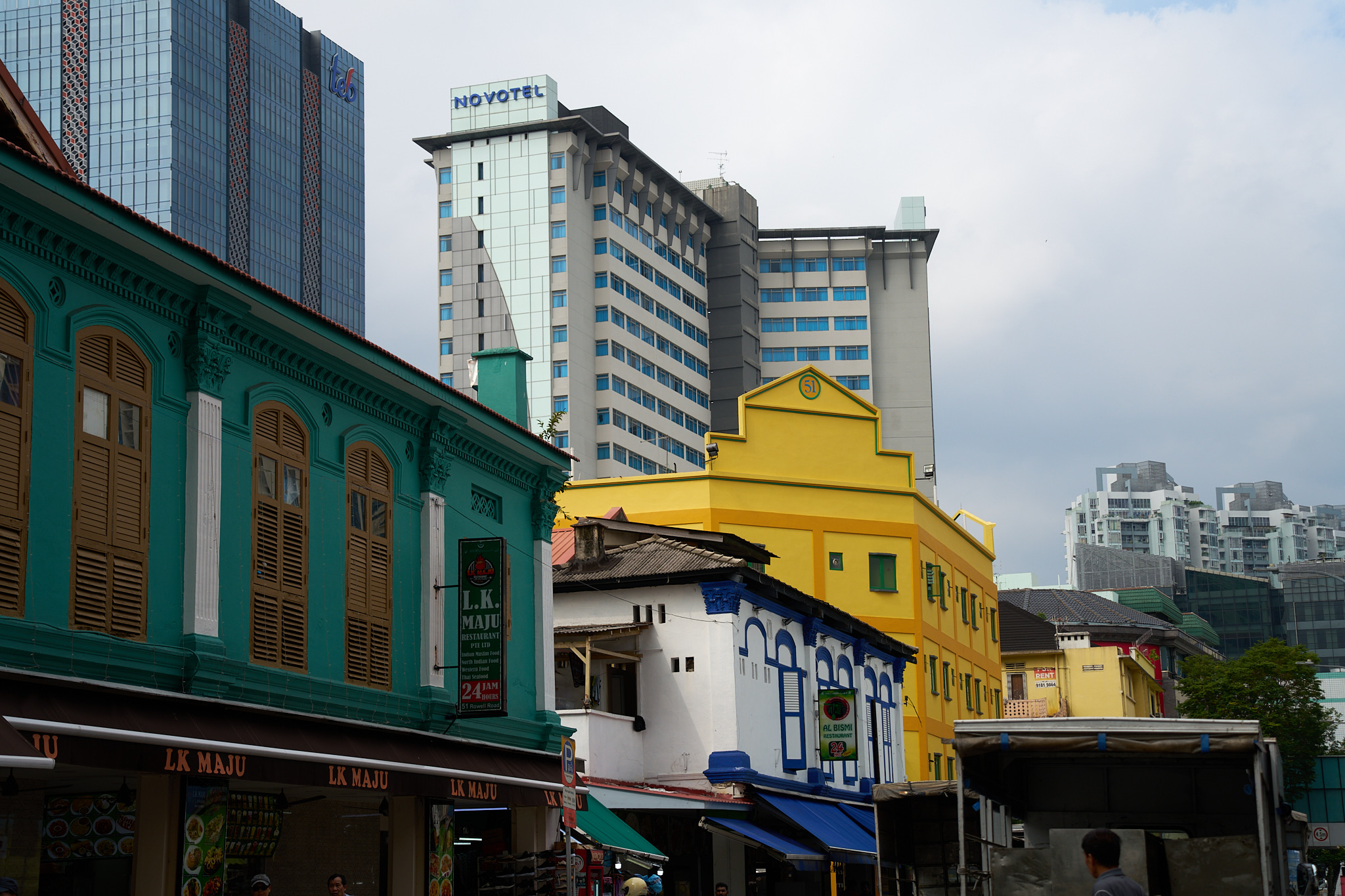
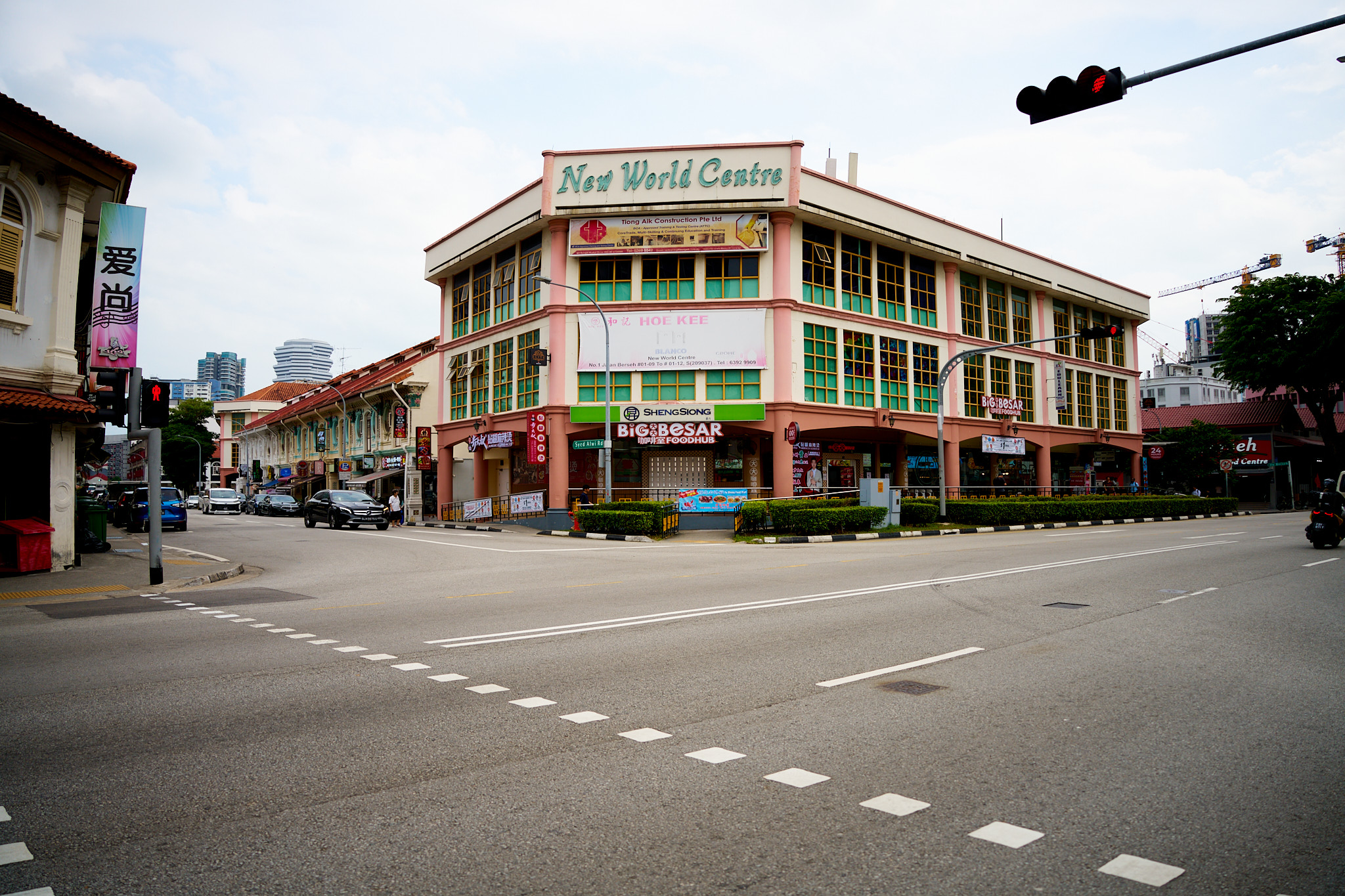
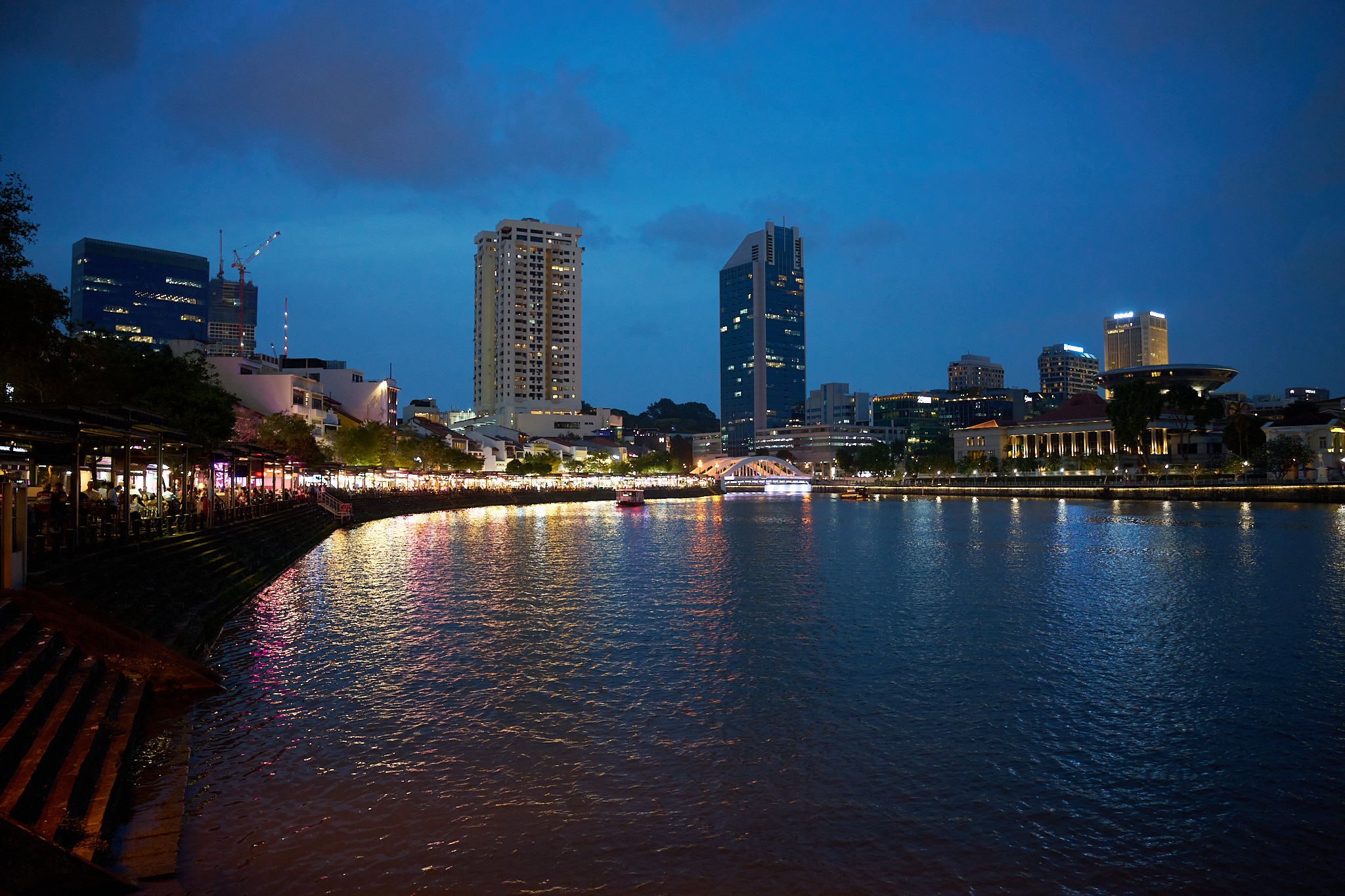
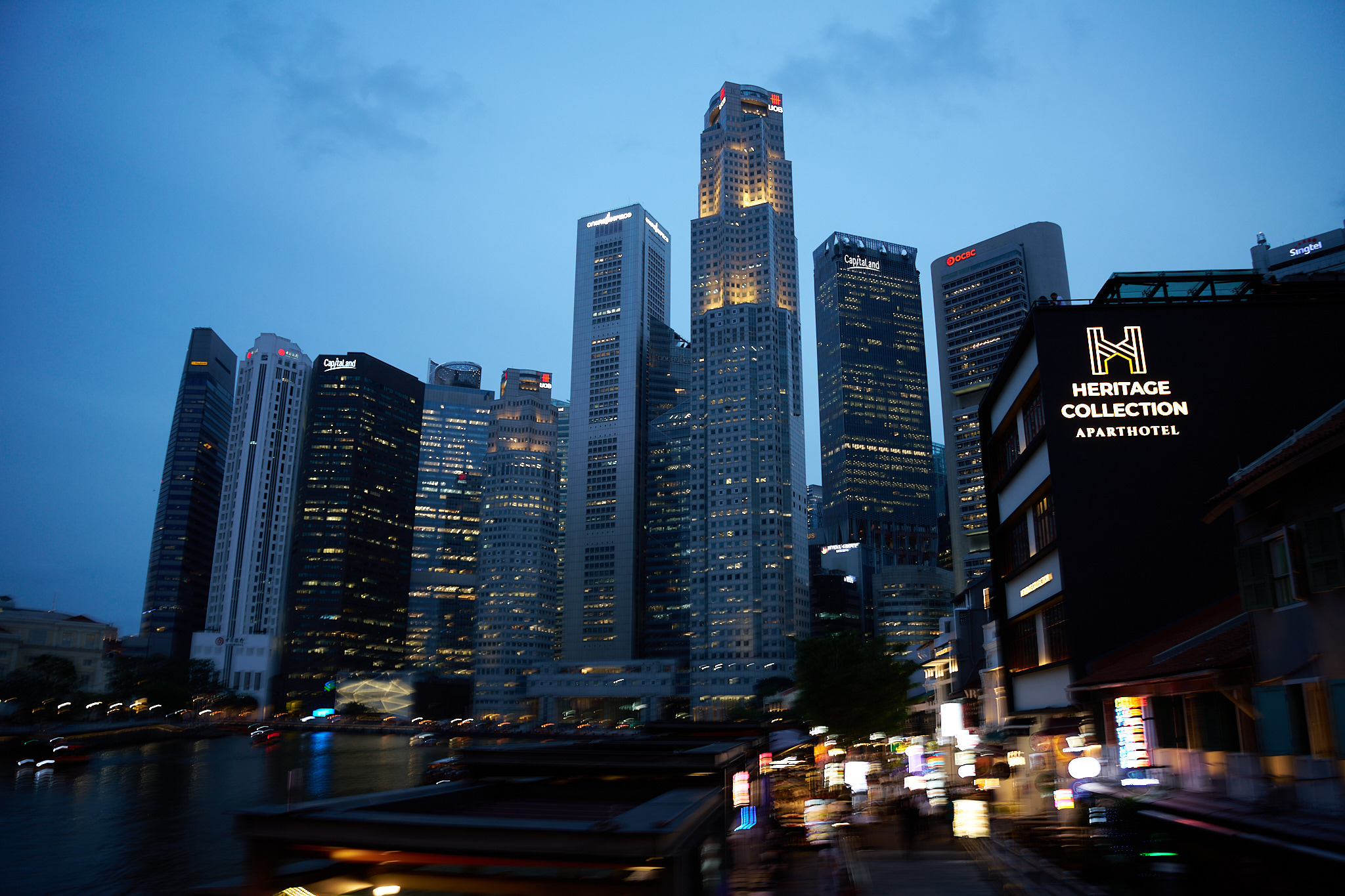
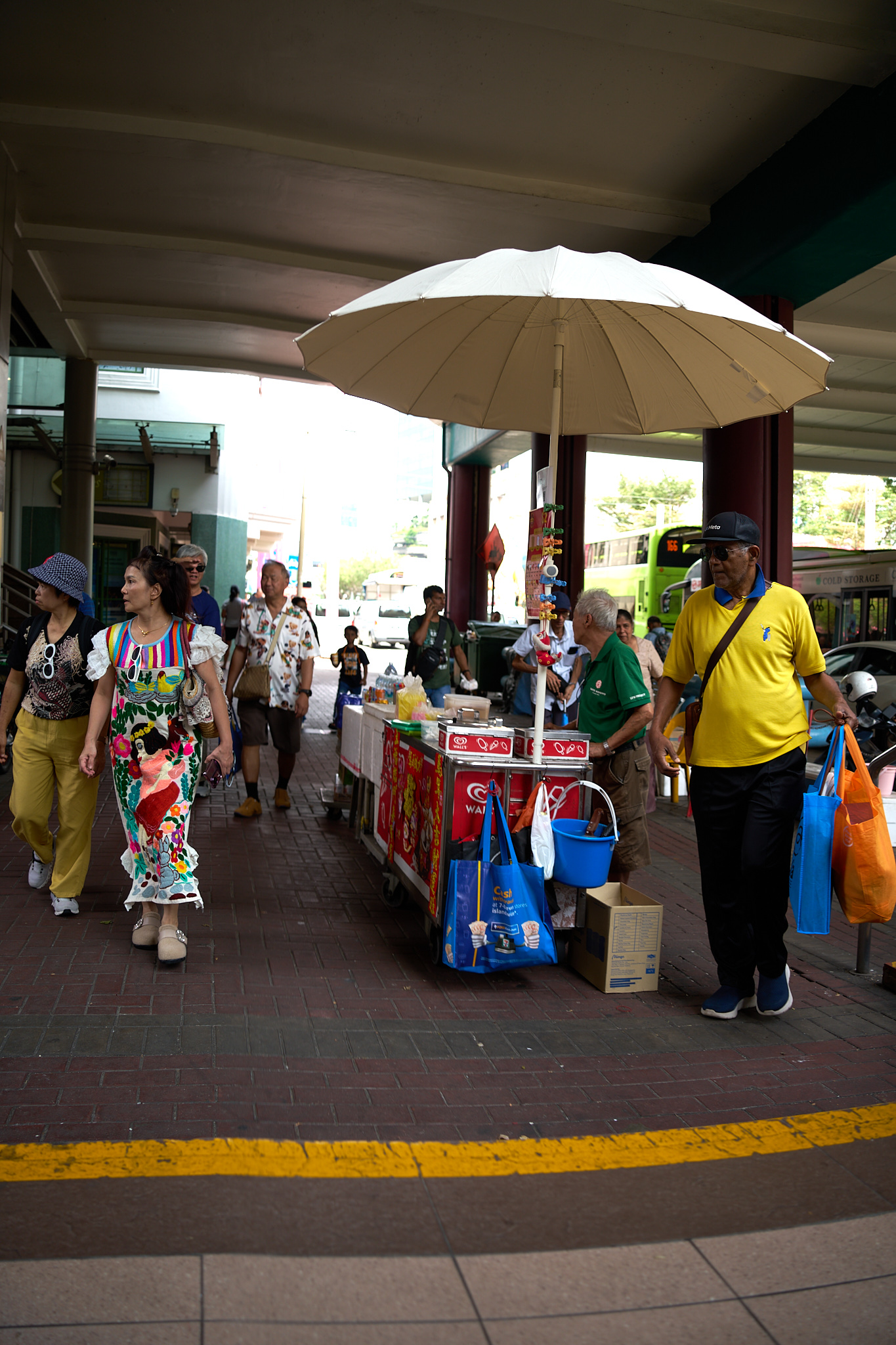
Singapore’s primary language is English, thanks to an unsurprising period under British rule. Despite the use of English, the country is proudly and legally multicultural, with not only English but Malay, Mandarin, and Tamil (an Indian language) recognized and supported. This diversity makes it a fascinating city visually. The country is always under development (a cab driver told us this is partially because the government pays for the housing for the laborers, and wants to keep them employed). Skyscrapers loom above temples and housing developments in a way that doesn’t feel anachronistic at all. There are bright colors, signs in multiple languages, and fascinating architecture everywhere you look.
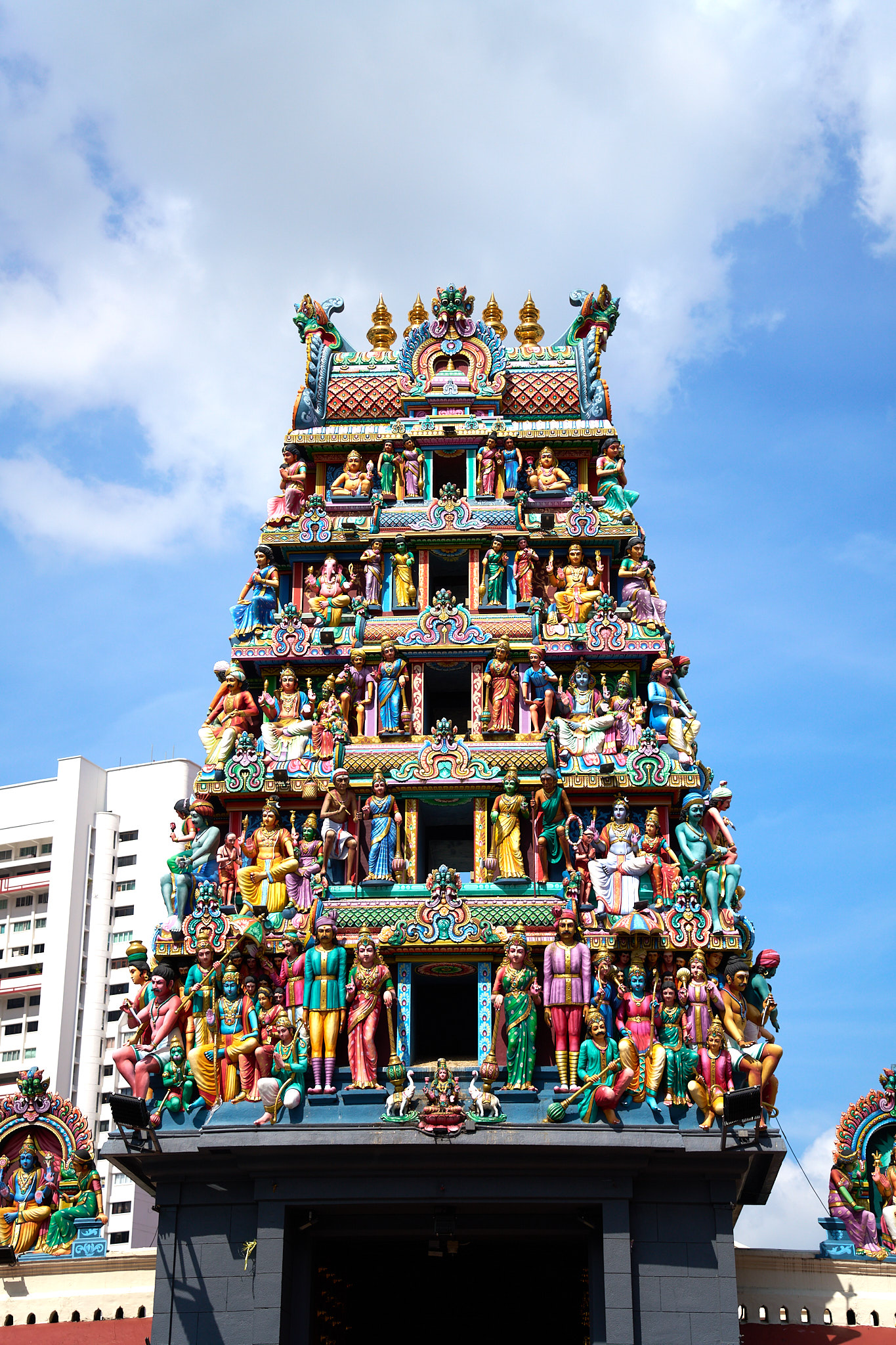
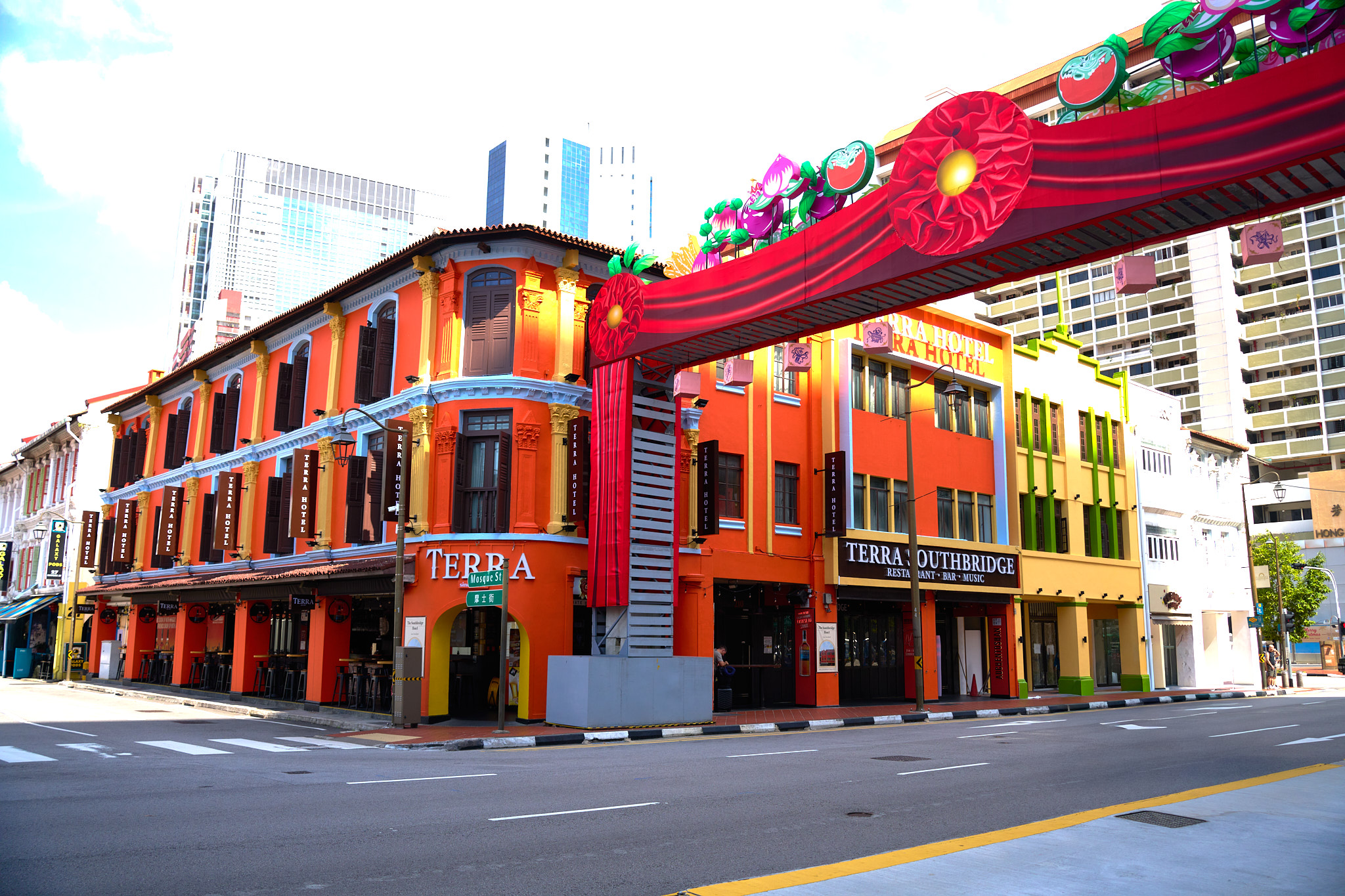
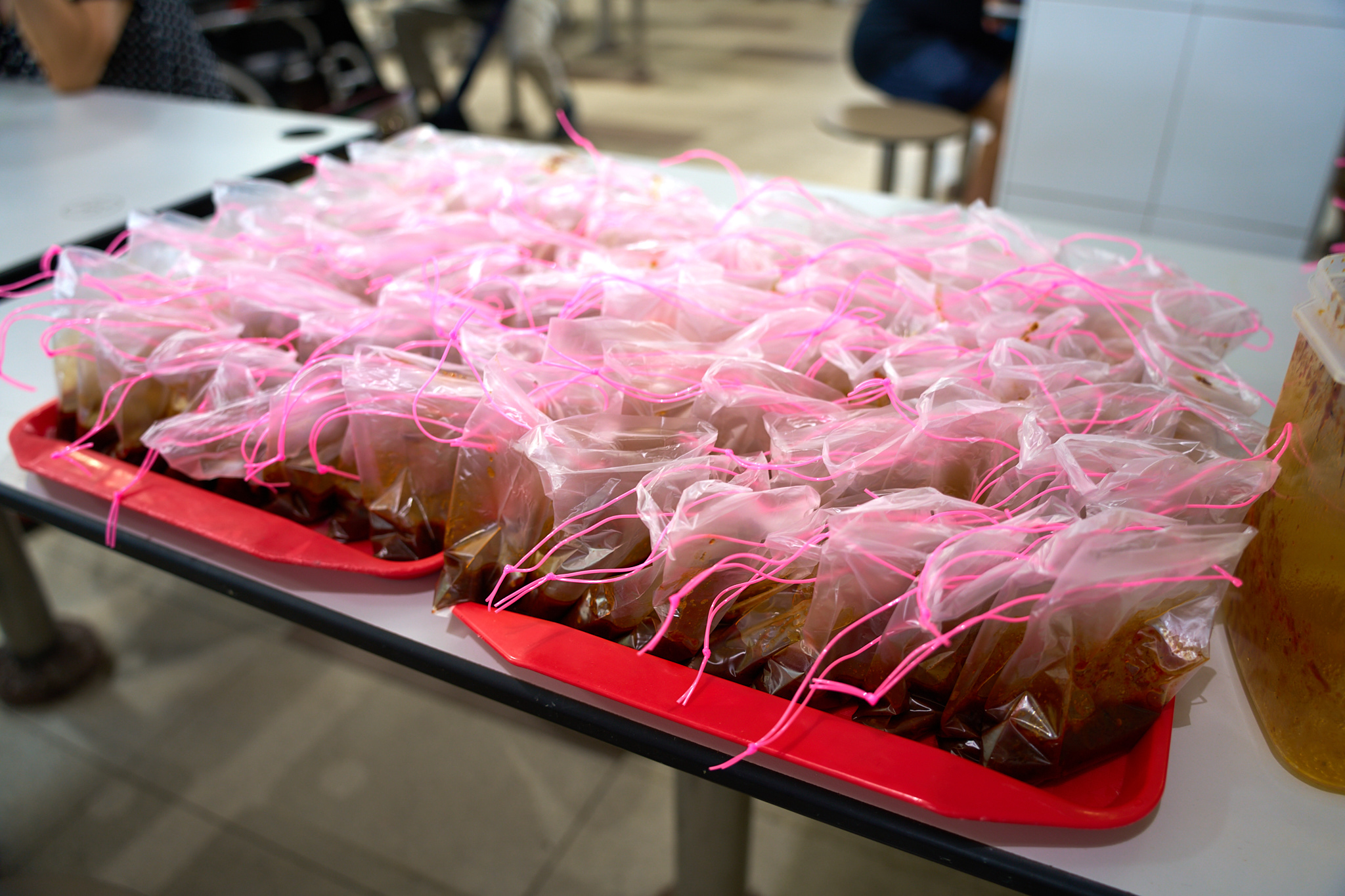
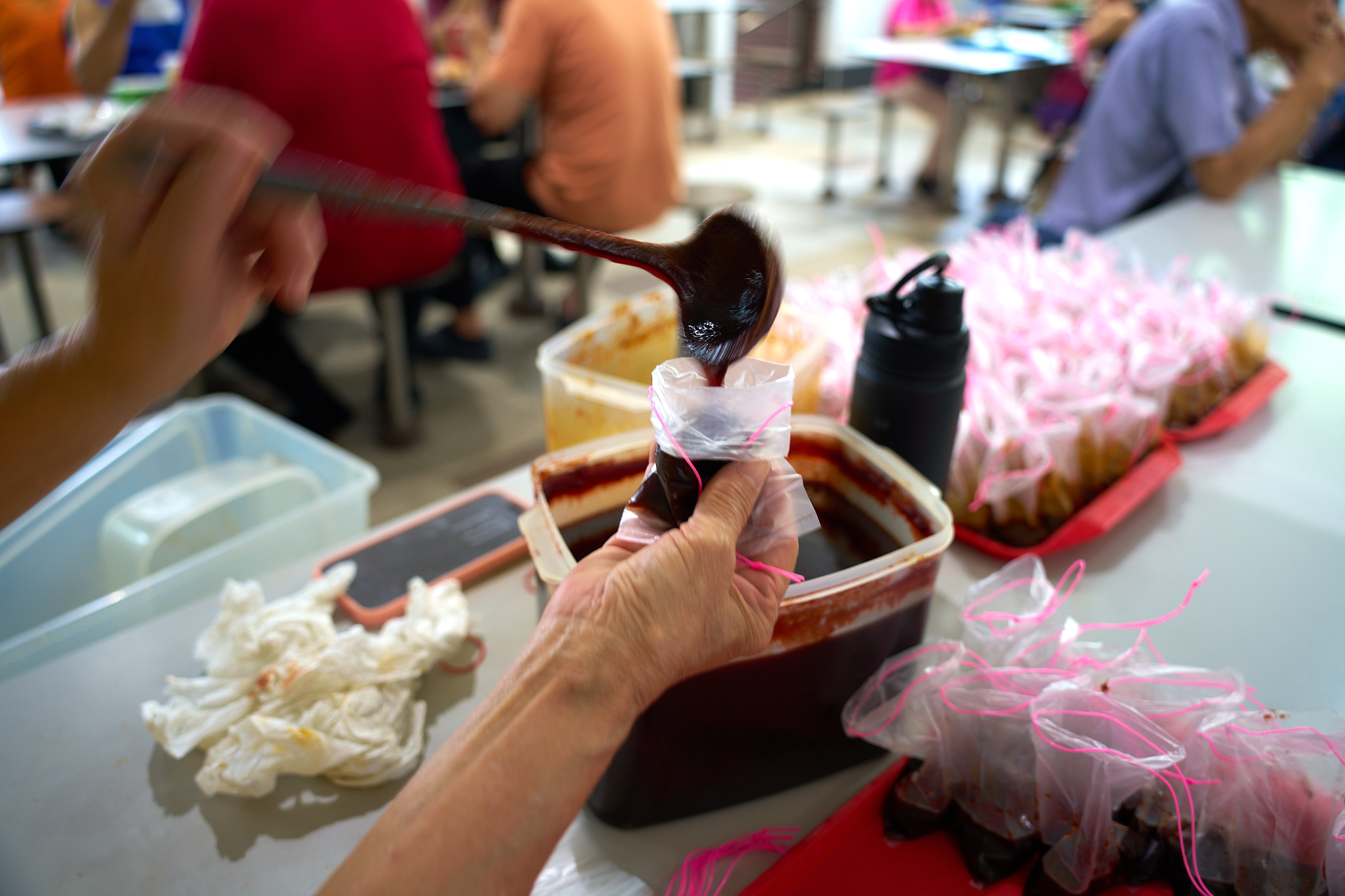
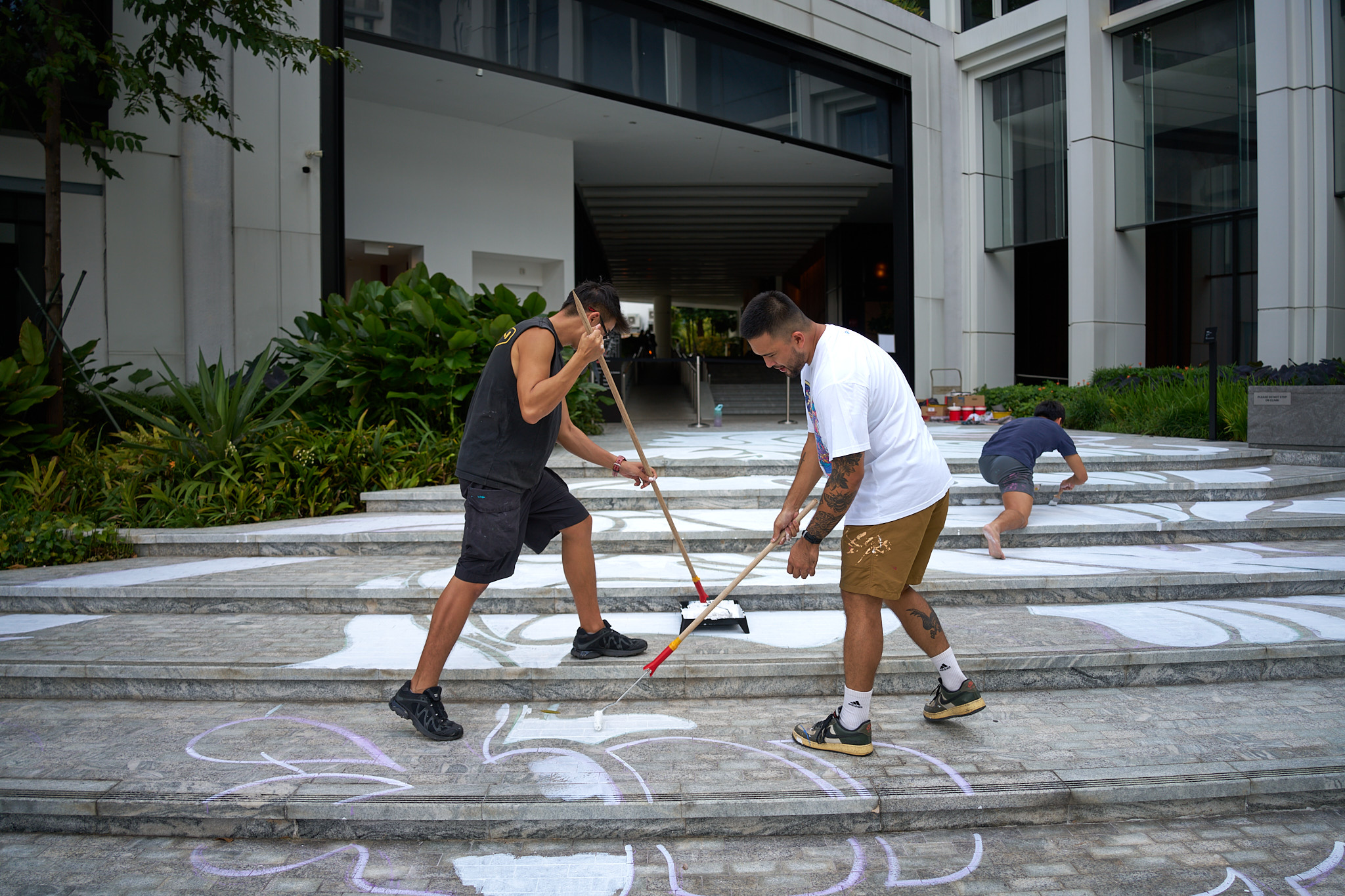
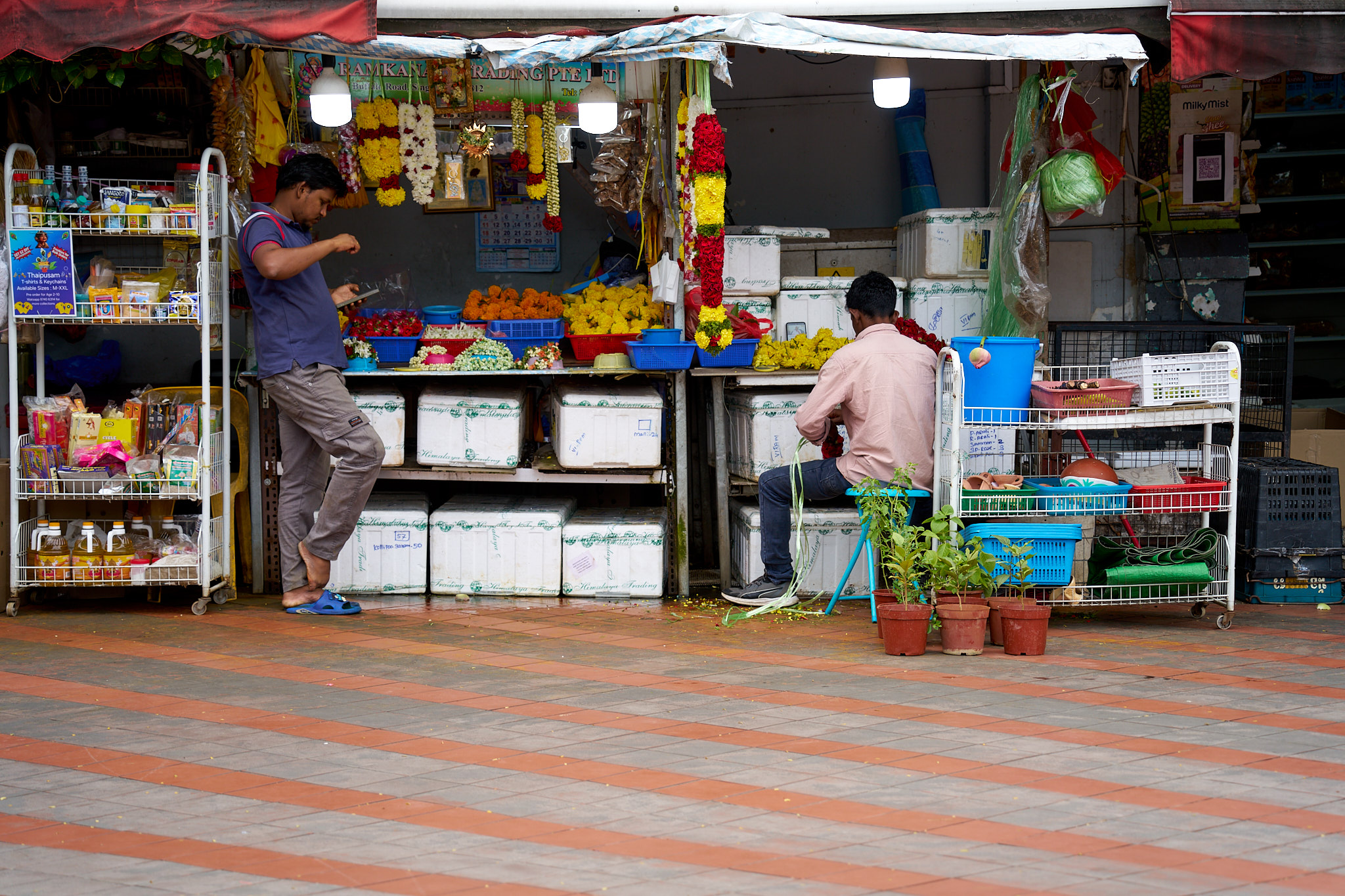
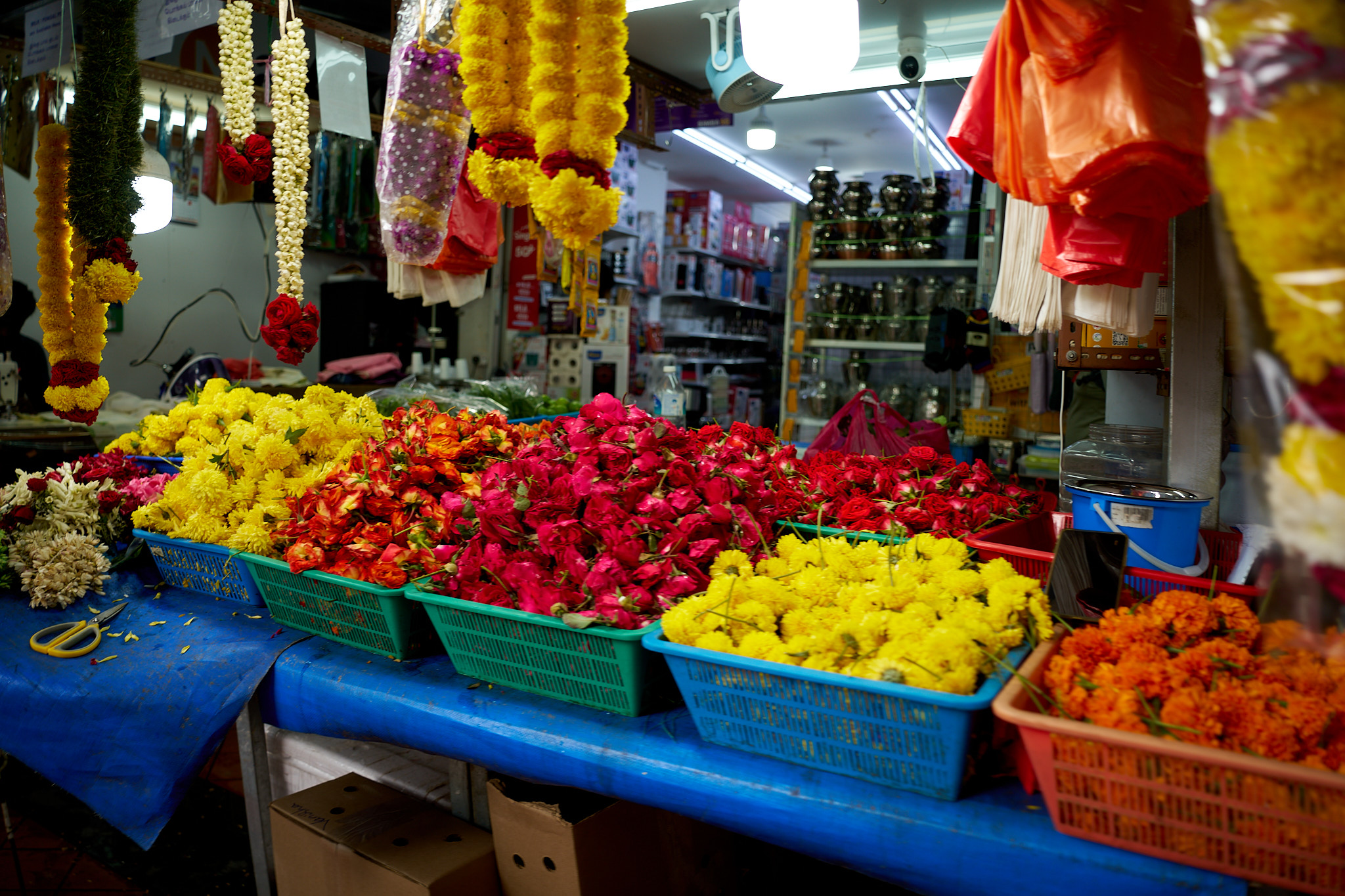
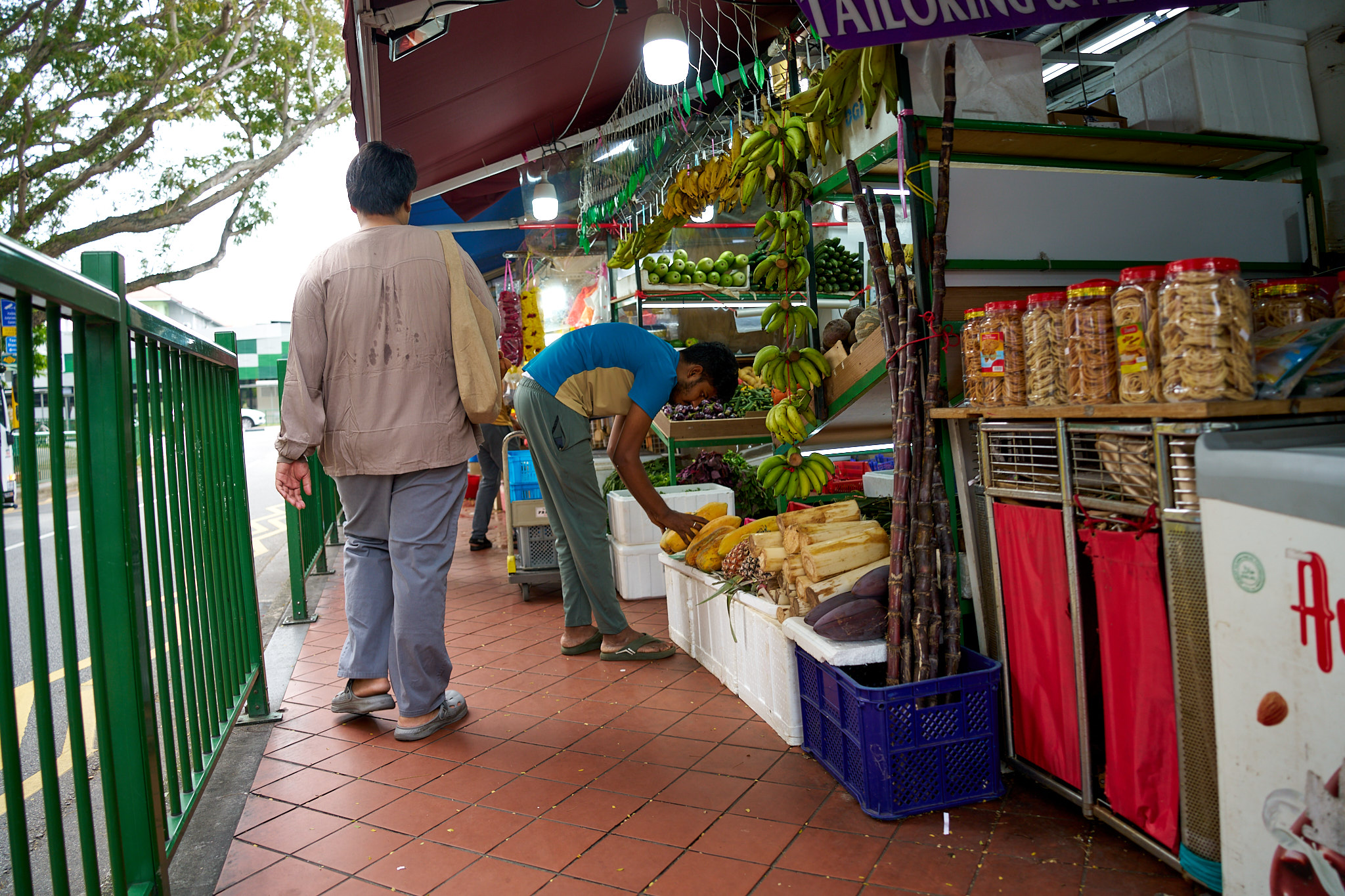
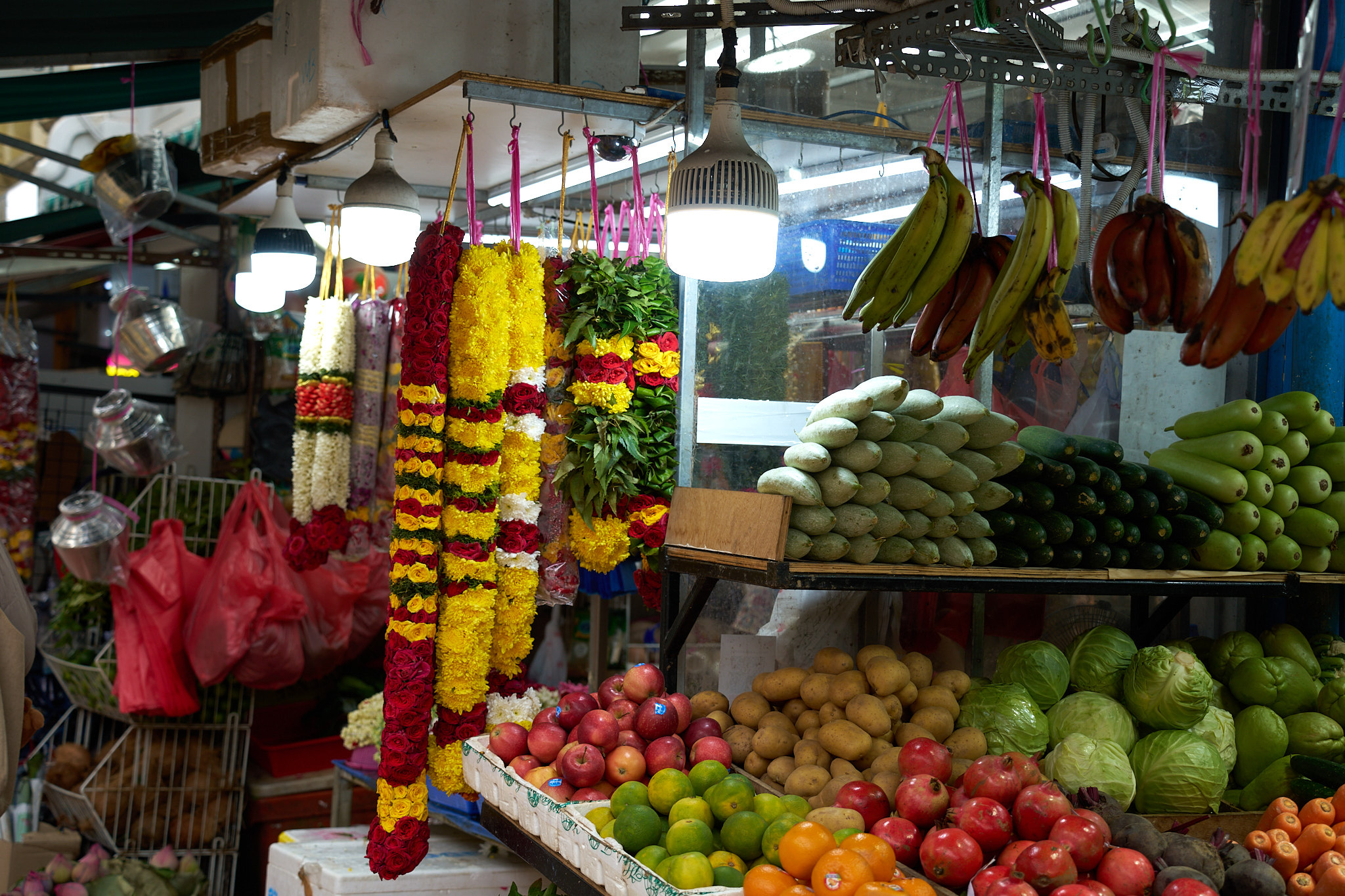
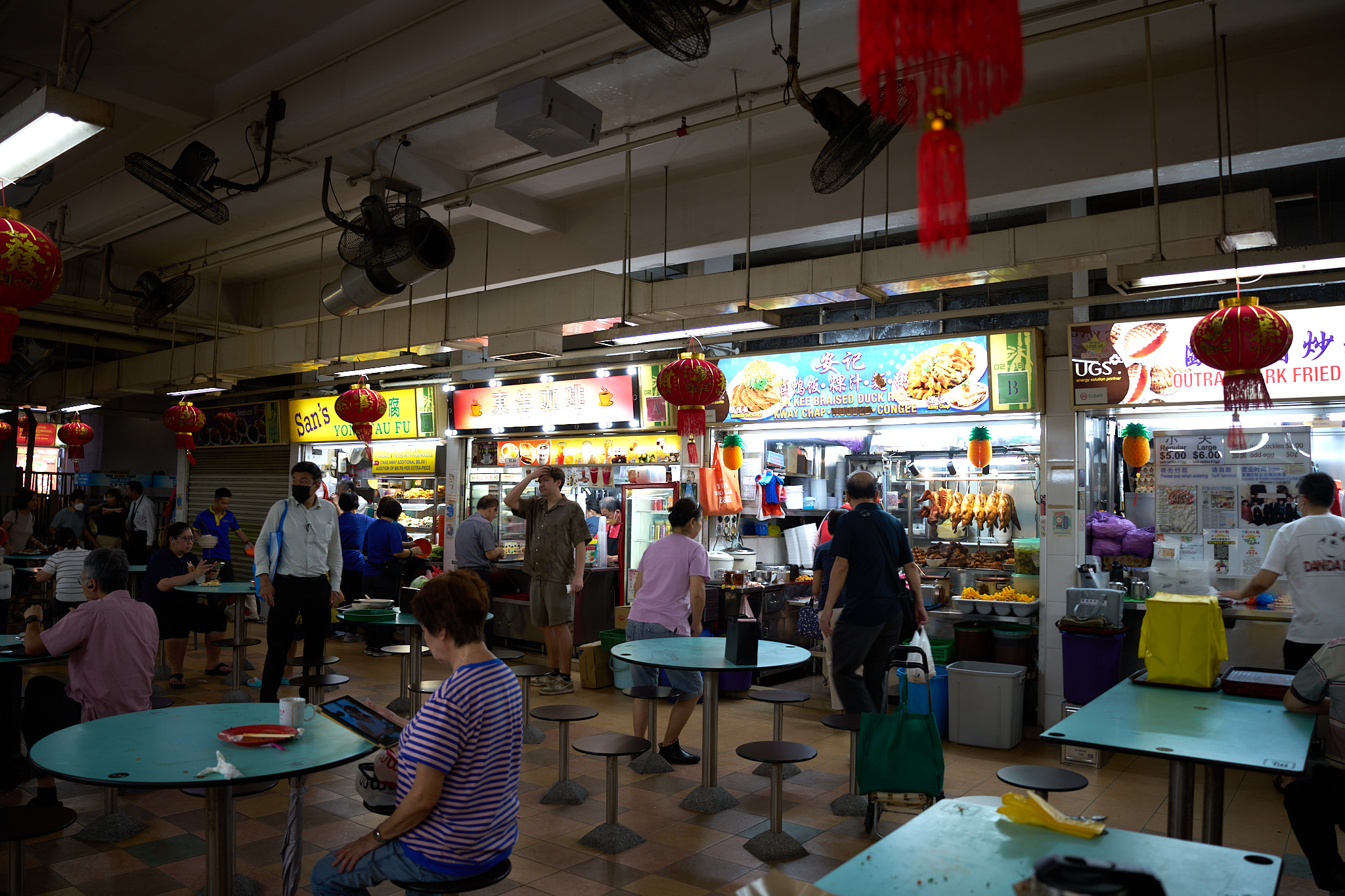
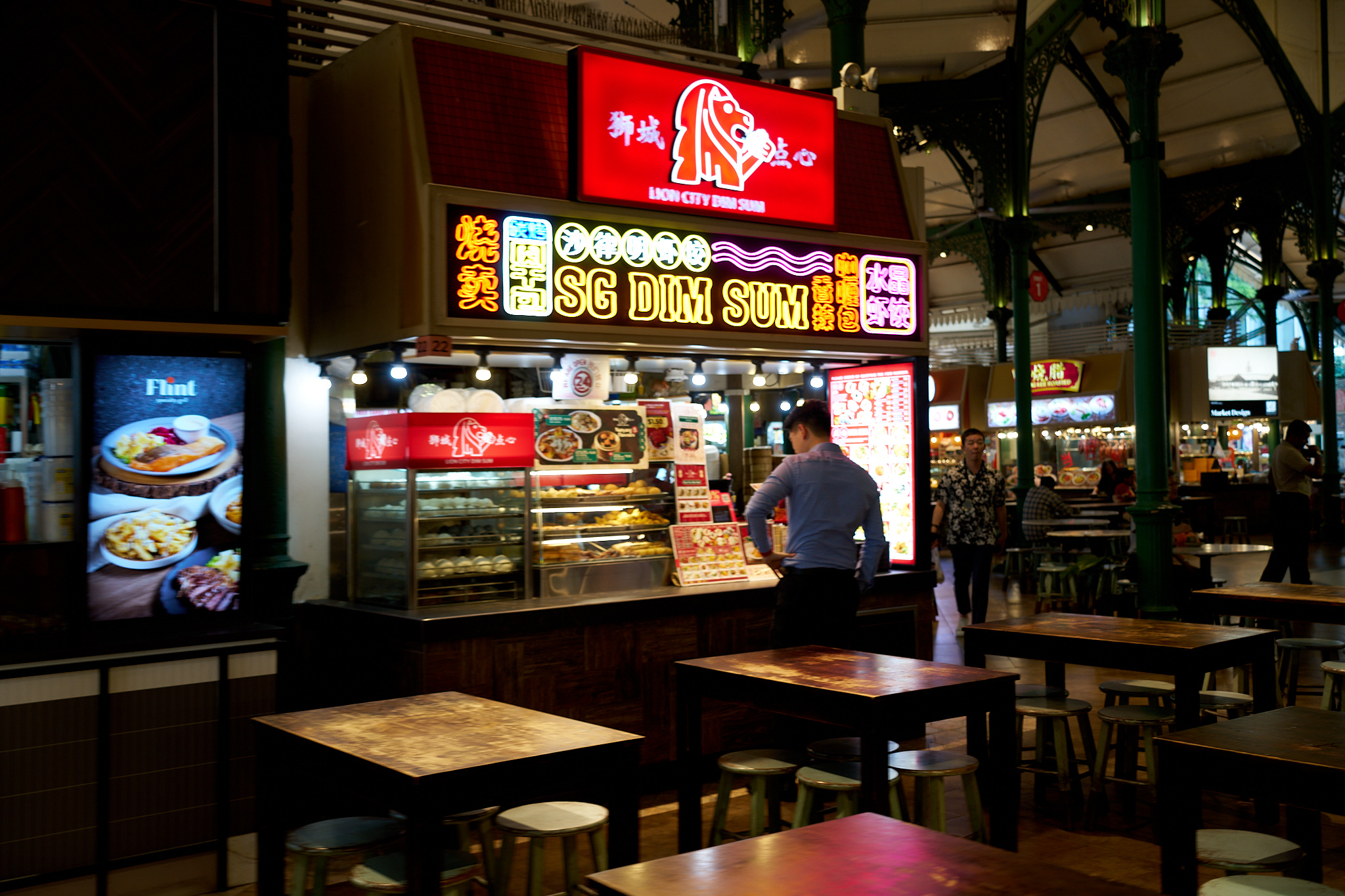
The food culture of Singapore is especially photogenic. Each neighborhood has “hawker” stands, which are like food courts, except each shop is family-owned and produces some specialized regional cuisines. A decades-old Malay stall may stand next to a Chinese chicken rice vendor, which in turn is connected to a Michelin Bib Gourmand noodle shop. I’ve been to markets all over the world, and none compares to Singapore.
While this may sound like a travel brochure, and while I really do think photographers should visit, this is mostly to set up the Tamron 28-200mm lens, and why it was the perfect choice for this trip.
One Lens by Design and By Accident
Normally, I would have bought a versatile zoom lens like the Tamron, plus a prime or two, but a logistical problem with review gear meant that I only had the Tamron 28-200 and my Sony 24-70 GM II to bring, and there was no reason for such overlap in focal lengths. My Sony lens stayed home.
Sony shooters can find more of our recommendations for travel lenses here. This lens is not yet in the guide (as of this review being published), but will be added to it.
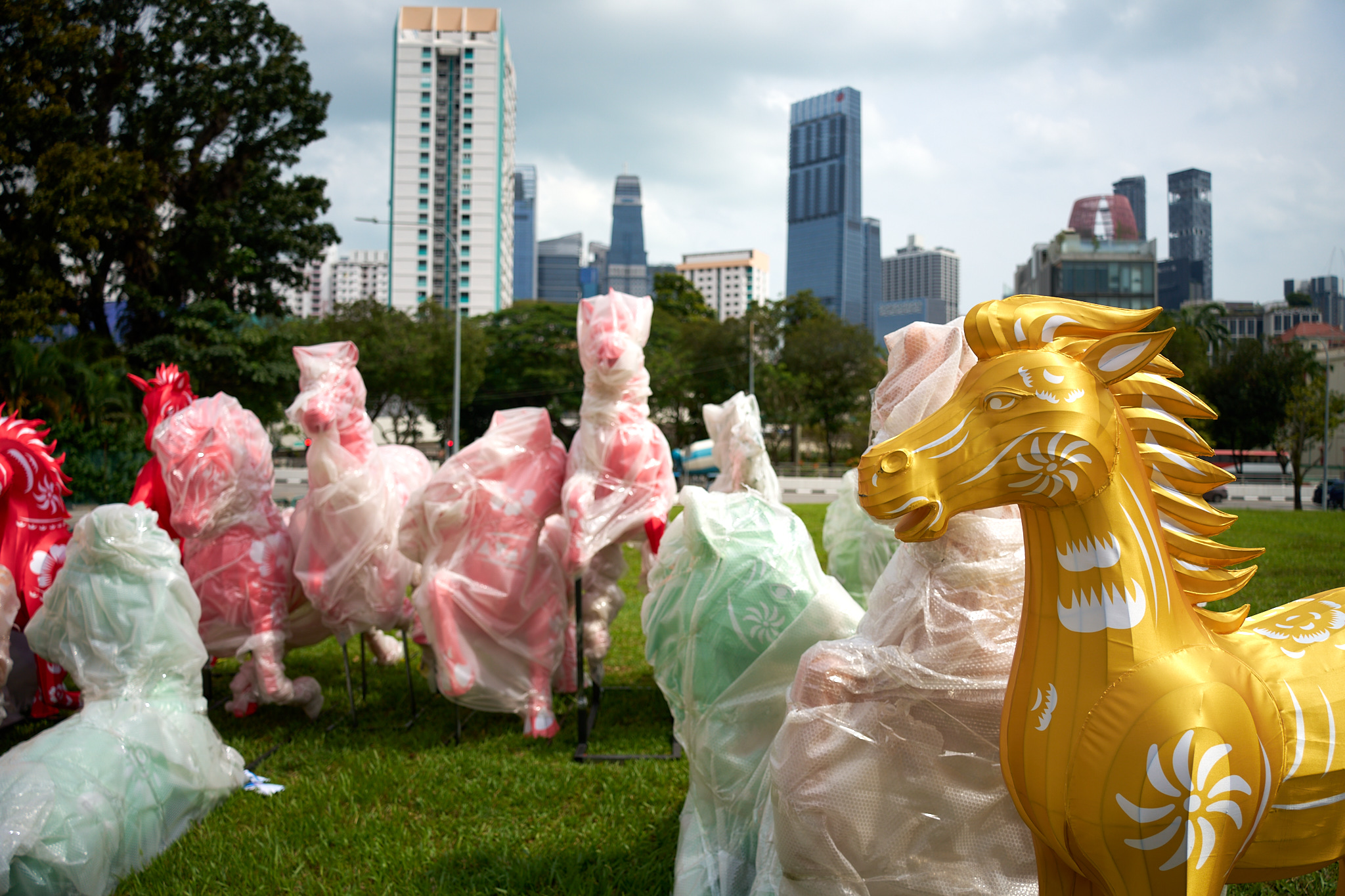
When I travel to a foreign city, I like to walk or use public transit. I’ll take a cab when I have to, but I want to see and hear as much as I can. I typically spend hours walking, which my step counter loves, but when carrying heavy lenses, my back does not.
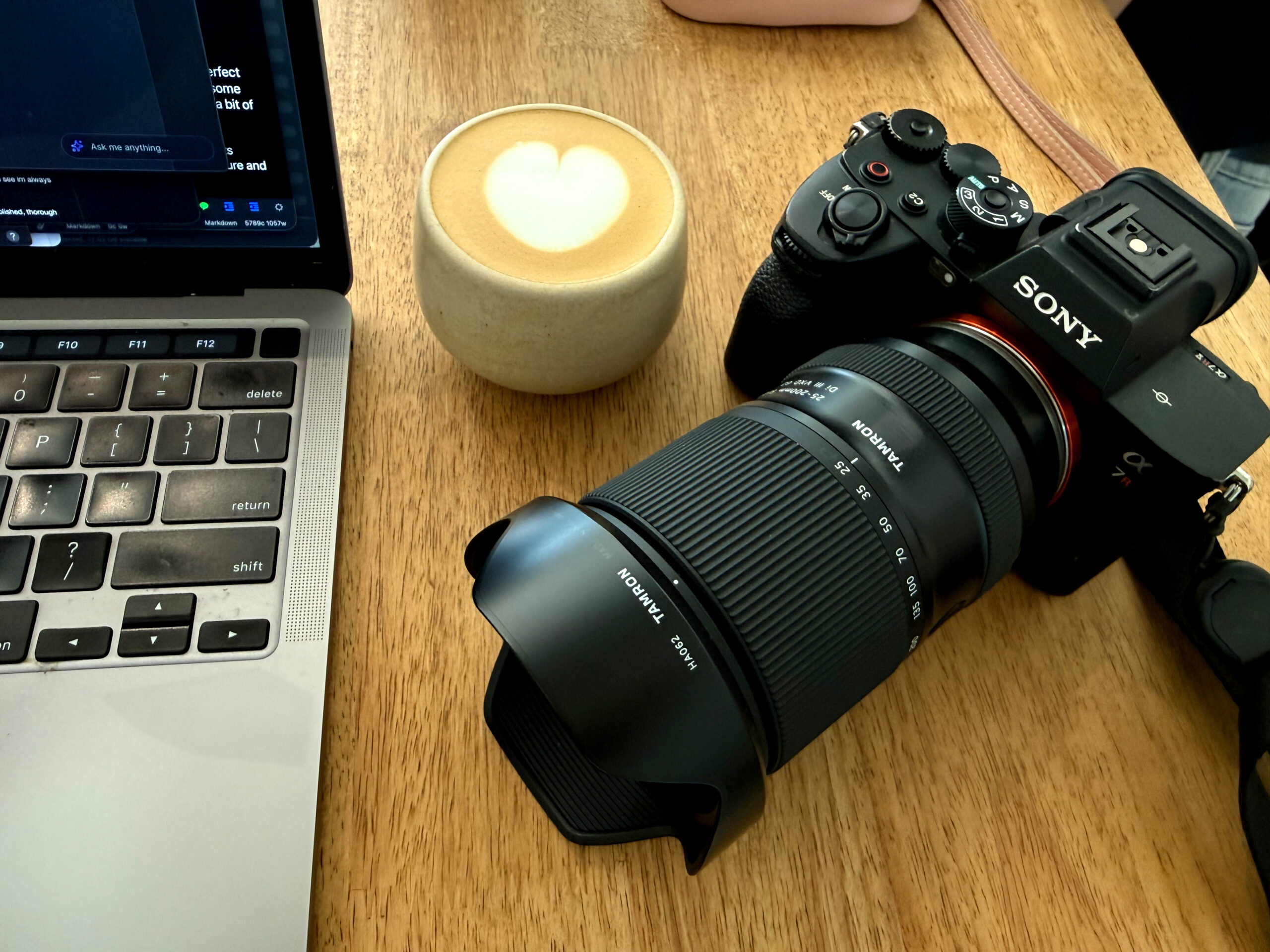
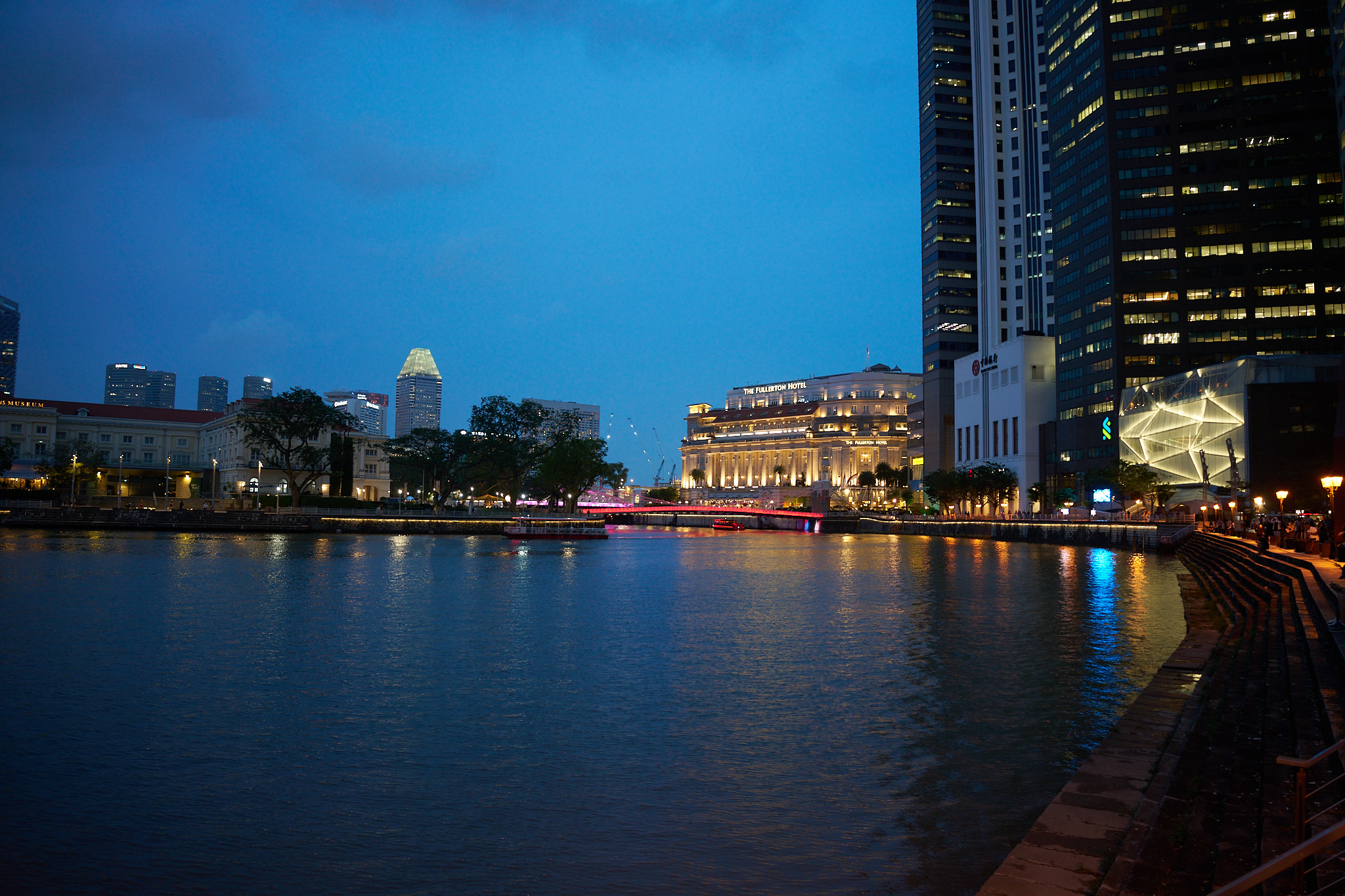
The Tamron and my Sony a7R V fit nicely into a small courier bag, along with a charging cable for my phone and for the camera, should it run low. I spent days walking with the lens, and only occasionally wished I had brought a wider-angle lens as well. Other than scenes down by the quay, where the water is hugged by buildings, I wanted a wider lens.
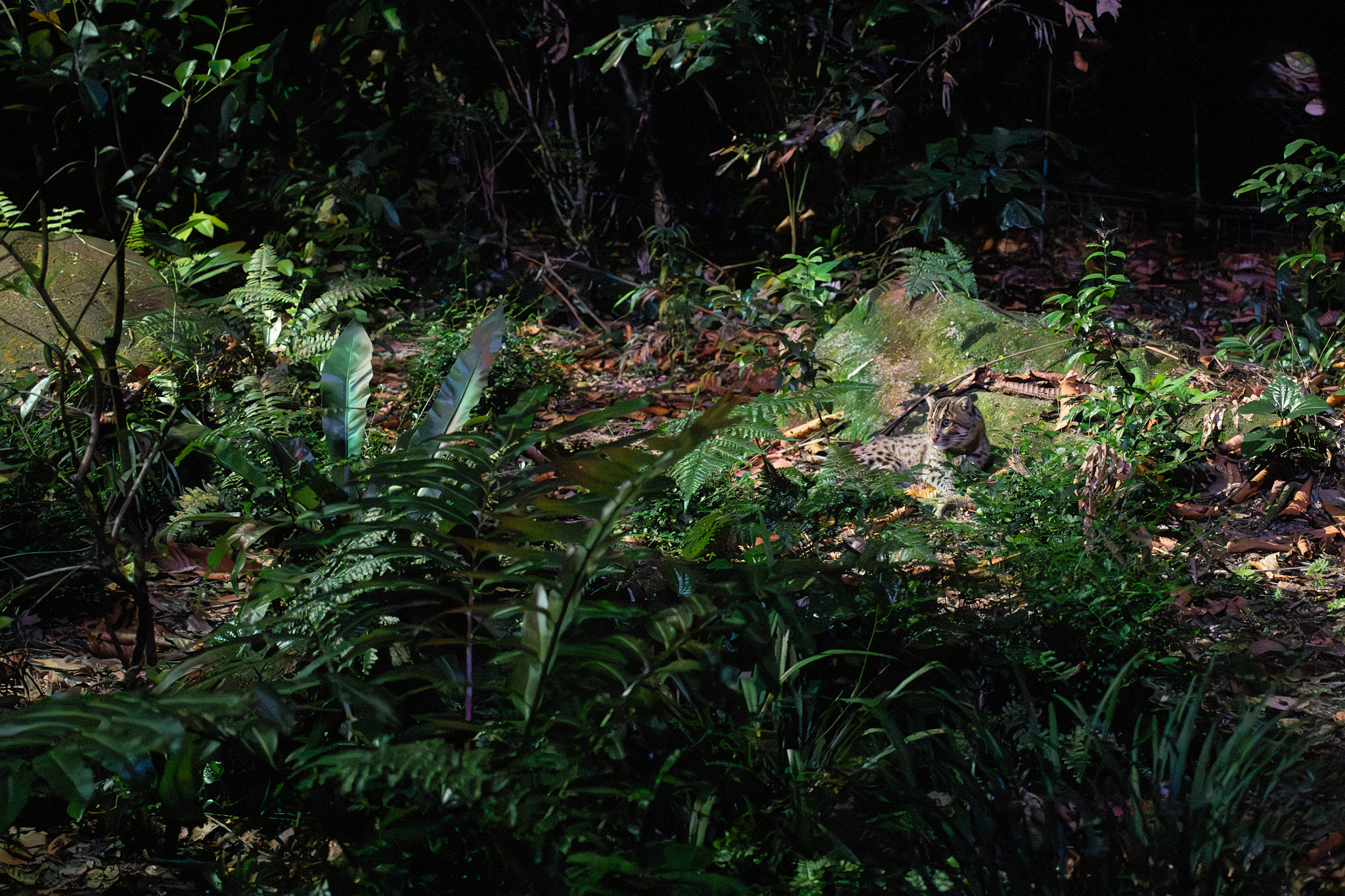
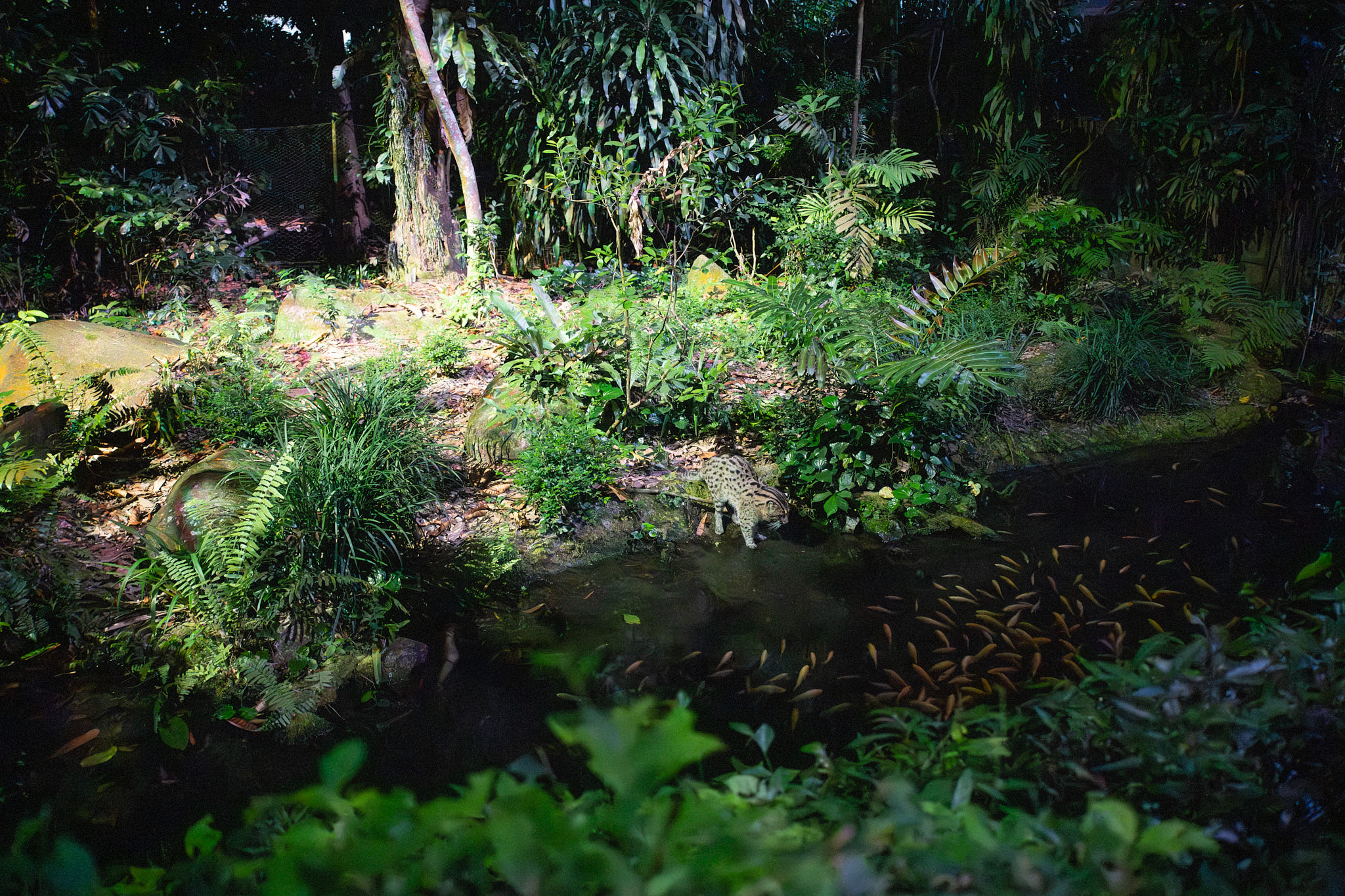
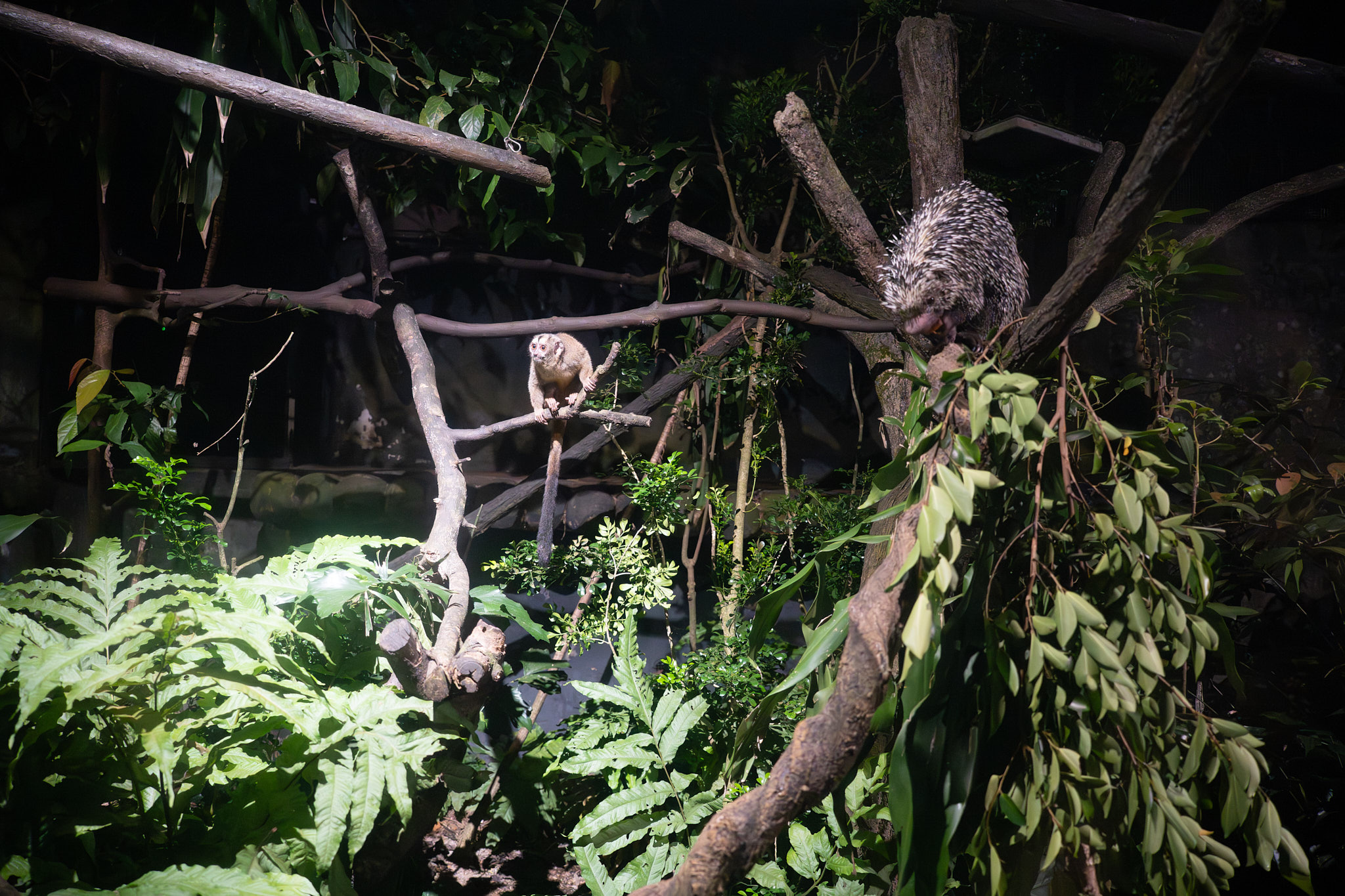
I ended up using the full 200mm less than I thought I would, but it was great for a trip to a night wildlife preserve, and for photographs of distant buildings.
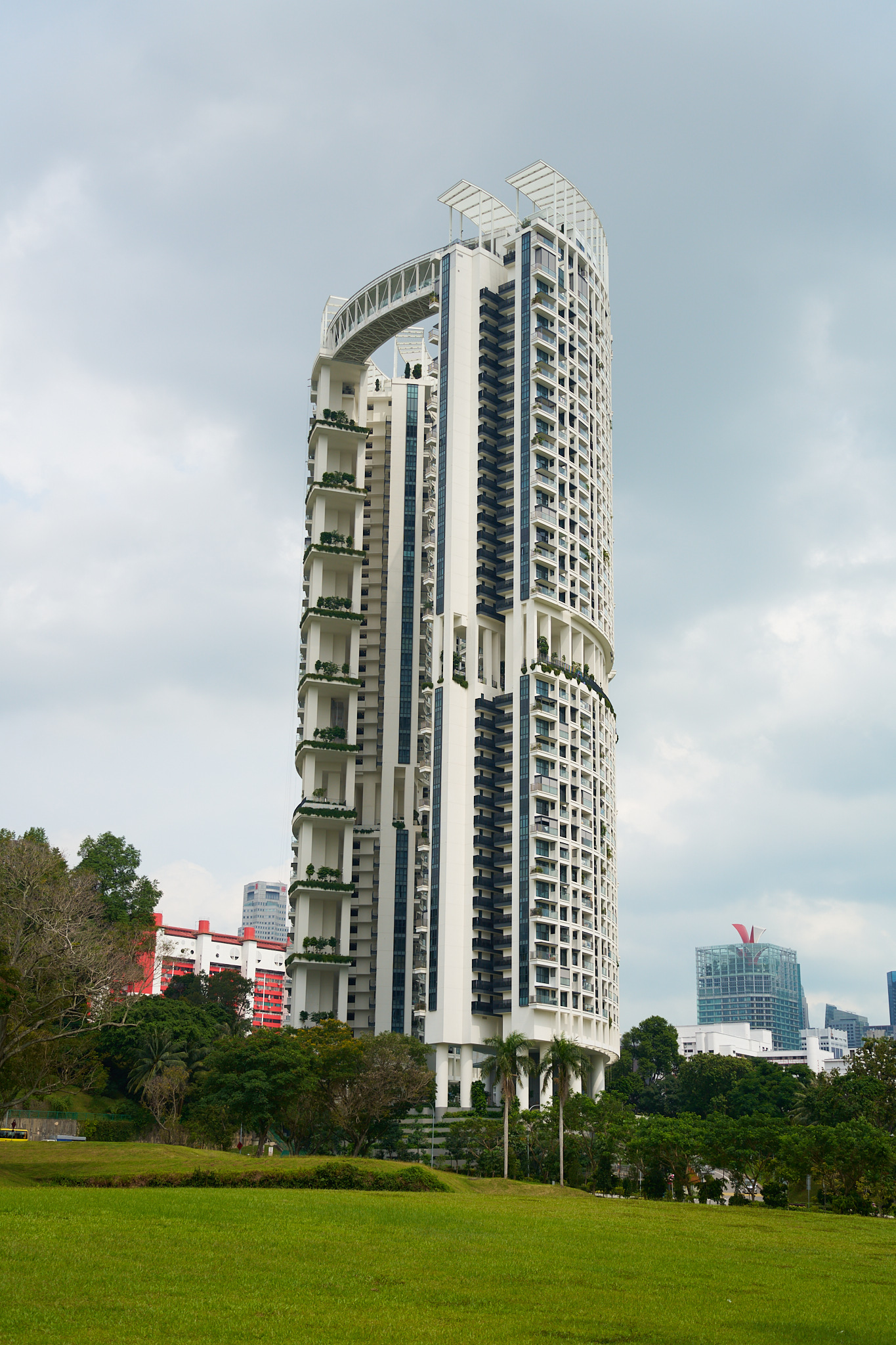
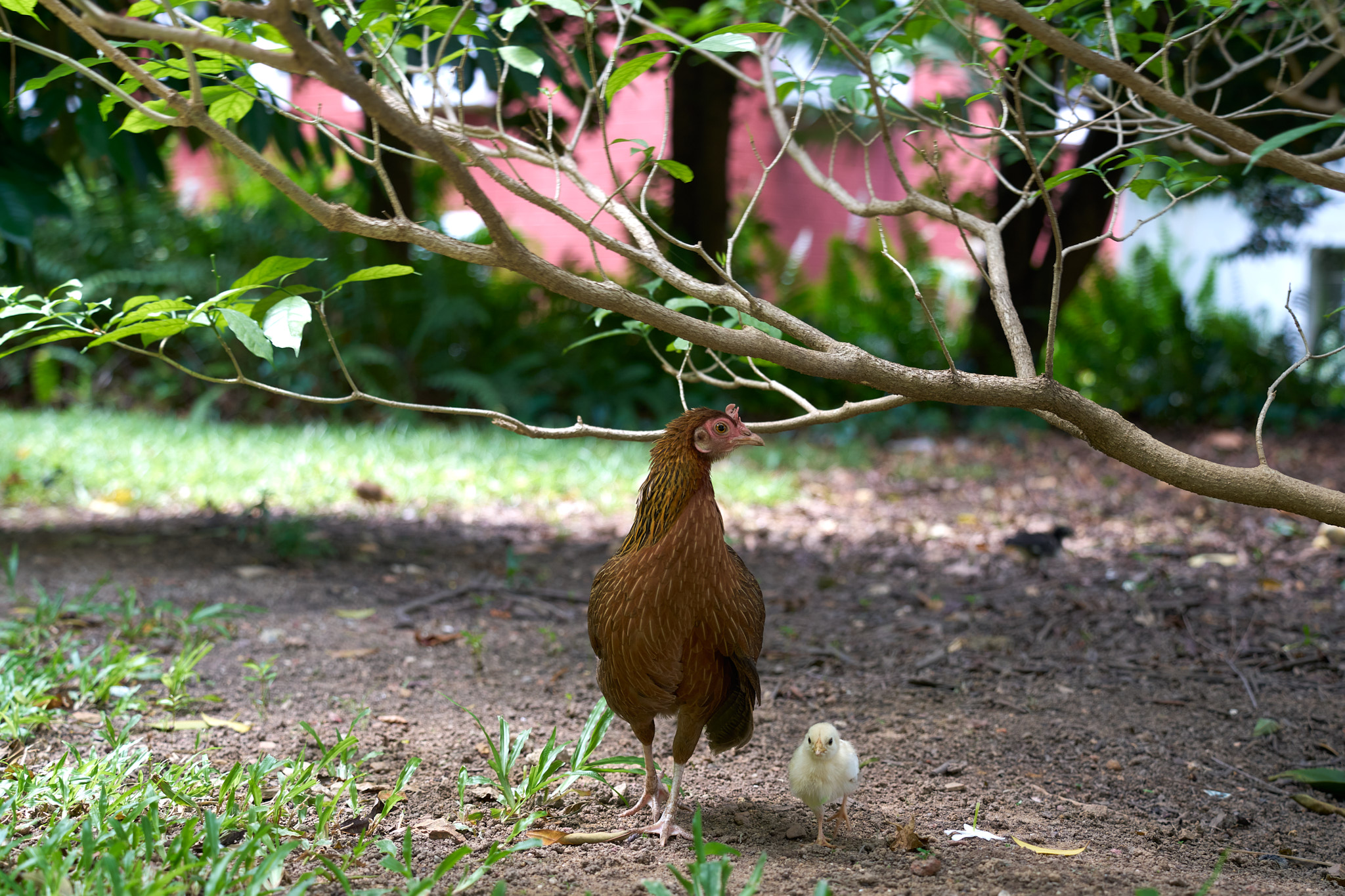
Shooting with the 28-200mm F/2.8-5.6 Di III RXD
The 28-200mm is a small lens, relative to the focal length range. It’s also an unobtrusive lens; it doesn’t stand out when walking around town. I coupled it to an a7R V, but the combination didn’t look “professional,” which is something many photographers have to worry about in busy cities.
Singapore is one of the safest cities, and there was no point at which I felt concerned about the setup, but in a more theft-prone area, I might have used an a7C II or a7C R instead. That would provide a combination that looks as unprofessional as possible, while the setup would still create top-end images.
The lens is silent, and while I didn’t do much video, it would be a good choice for travel video work, though it’s too long a focal length for any real selfie work. The quitness is due to the RXD portion of the name, which is Tamron’s stepping motor system, which is also responsible for AF speed.
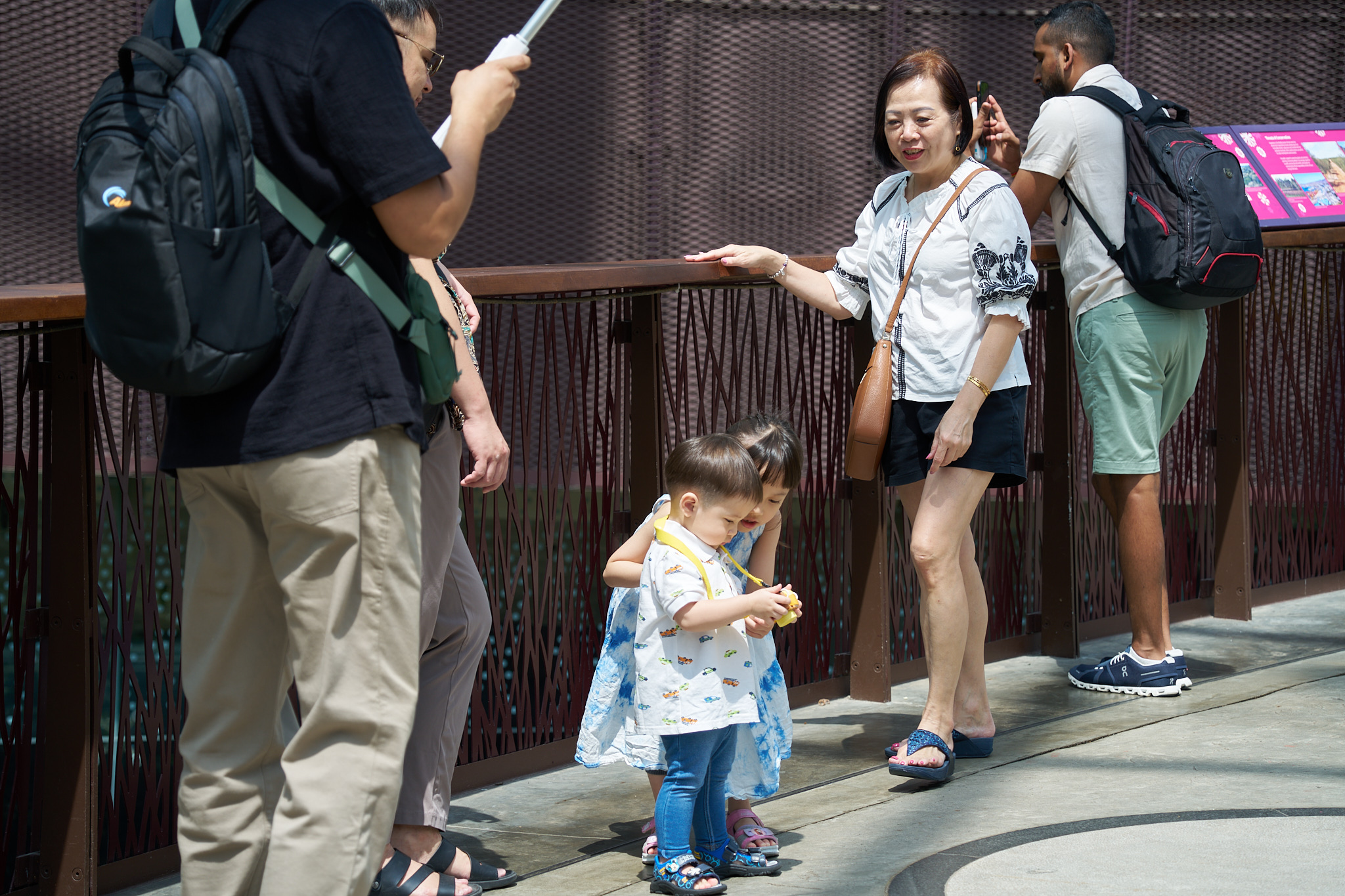
Autofocus is fast, though not as fast as my Sony 24-70mm GM II, but without side-by-side tests, that’s totally subjective. It definitely did seem to have more misses with eye detect AF than my more expensive GM glass, though that’s not surprising at this price. I found it would lock onto faces, but not always grab the eye. To verify this, I took the lens to a demonstration with lots of people, lots of eyeballs. It grabbed faces perfectly, but had some issues with eyes.
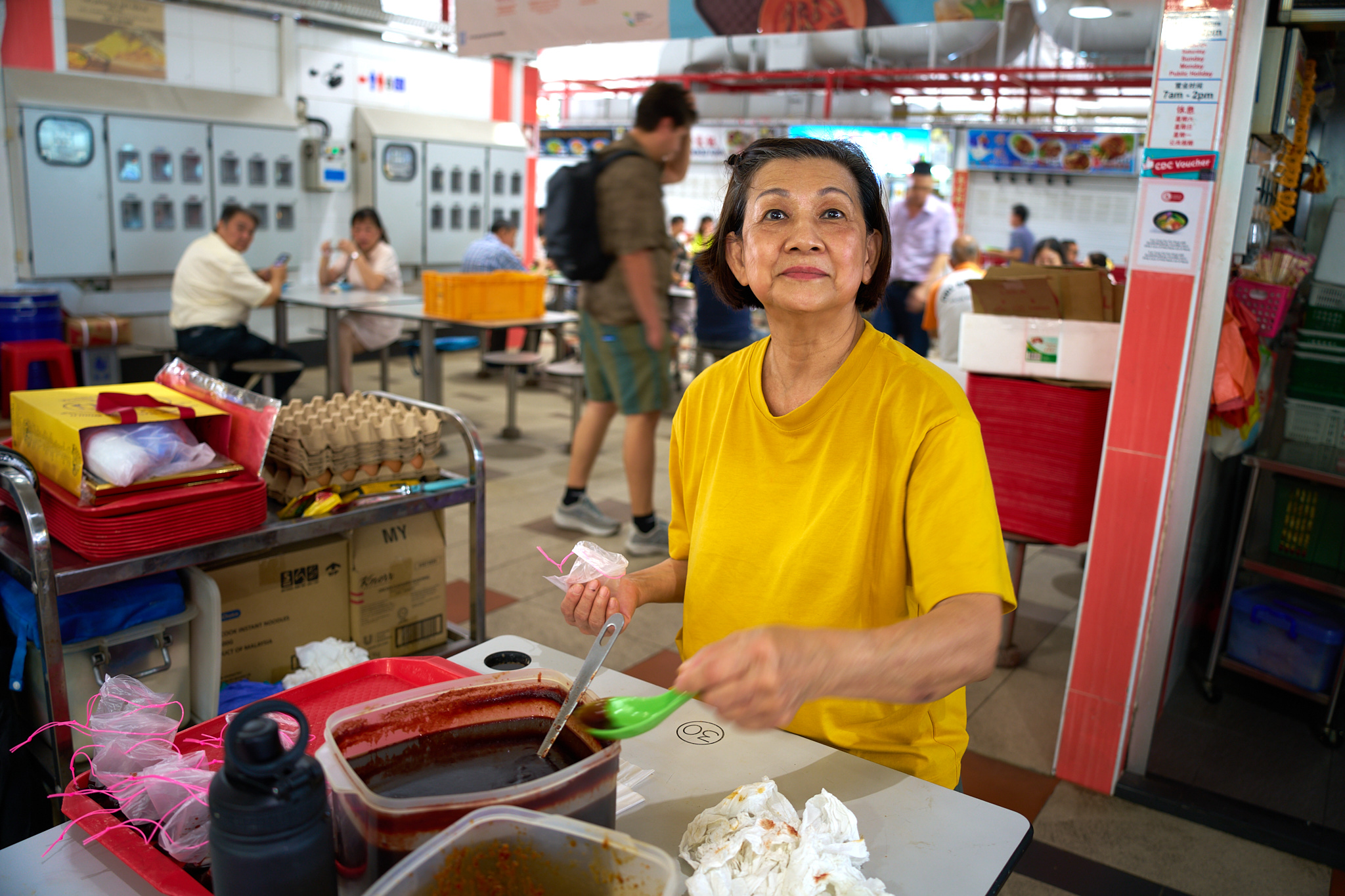
It also feels like there may be less contrast than a more expensive lens, but many of my photos were inside or in areas with mediocre or outright bad lighting (and again, that’s to be expected). The hawker stands in the Lau Pa Sat market are mostly in shadows, so some details are naturally going to get a bit muddy. I generally have to do very little to my 24-70mm GM II images, but with nearly all of these images, I had to bump up the exposure and saturation. I suspect some of the issues here were mine. Beacuse it’s blazingliy sunny during the day, I had the LCD screen and viewfinder on the sunny setting, which kicks up the brightness. It’s likely I underexposed as a result. Again, since I was shooting raw, it’s not an issue, and in Capture One, I simply adjusted one image, pasted that adjustment to all of them, and then tweaked from there.
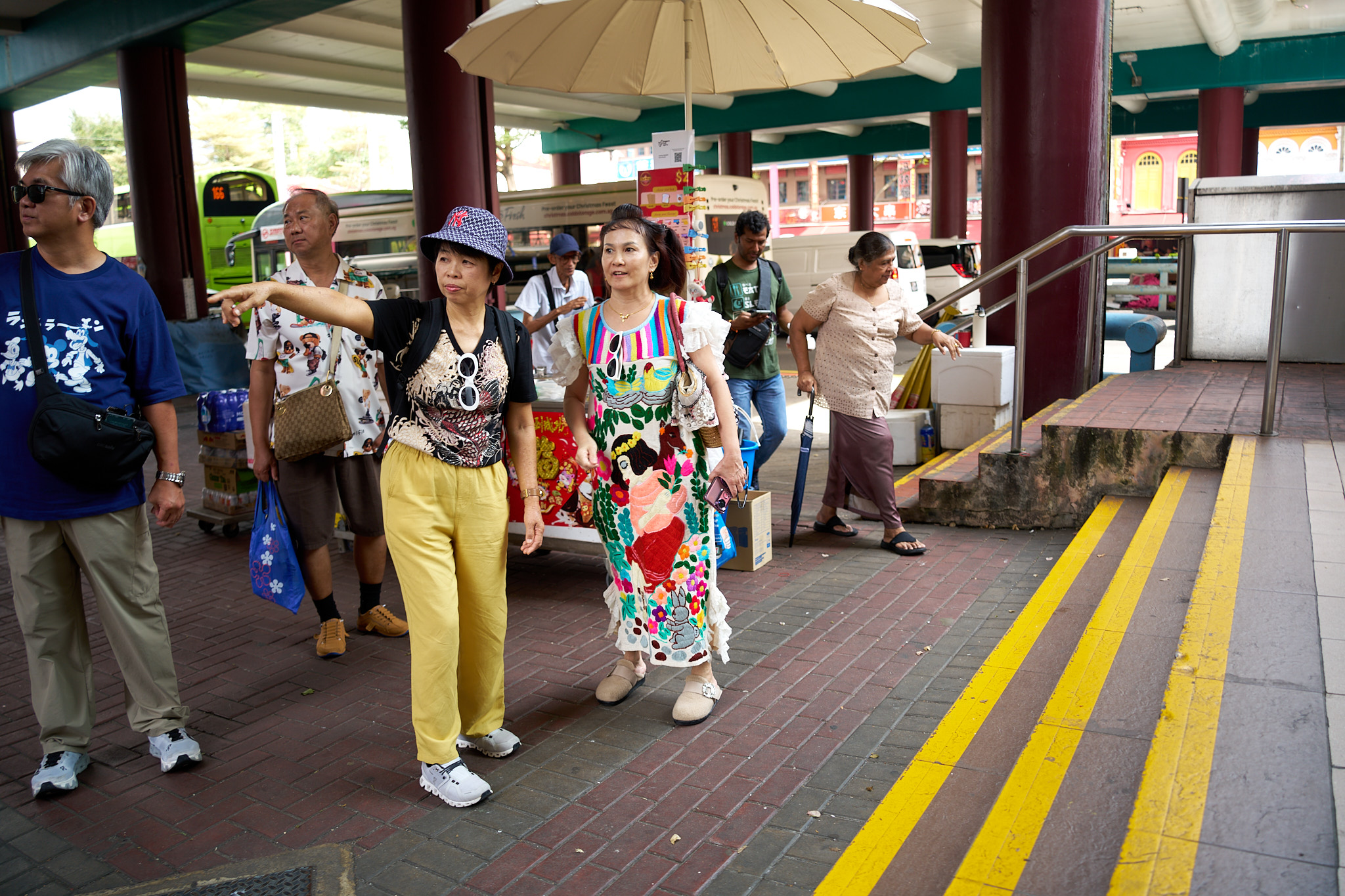
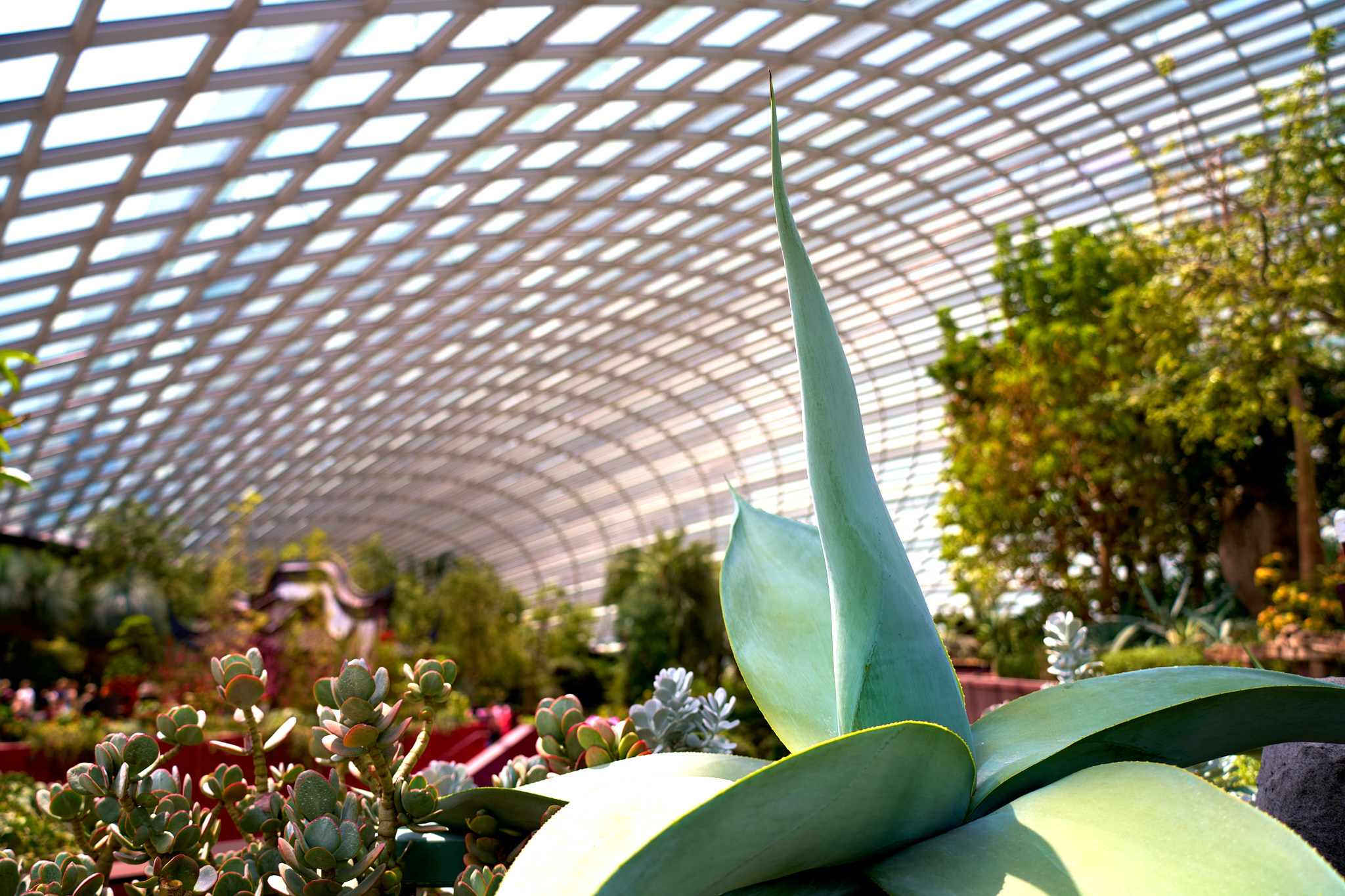
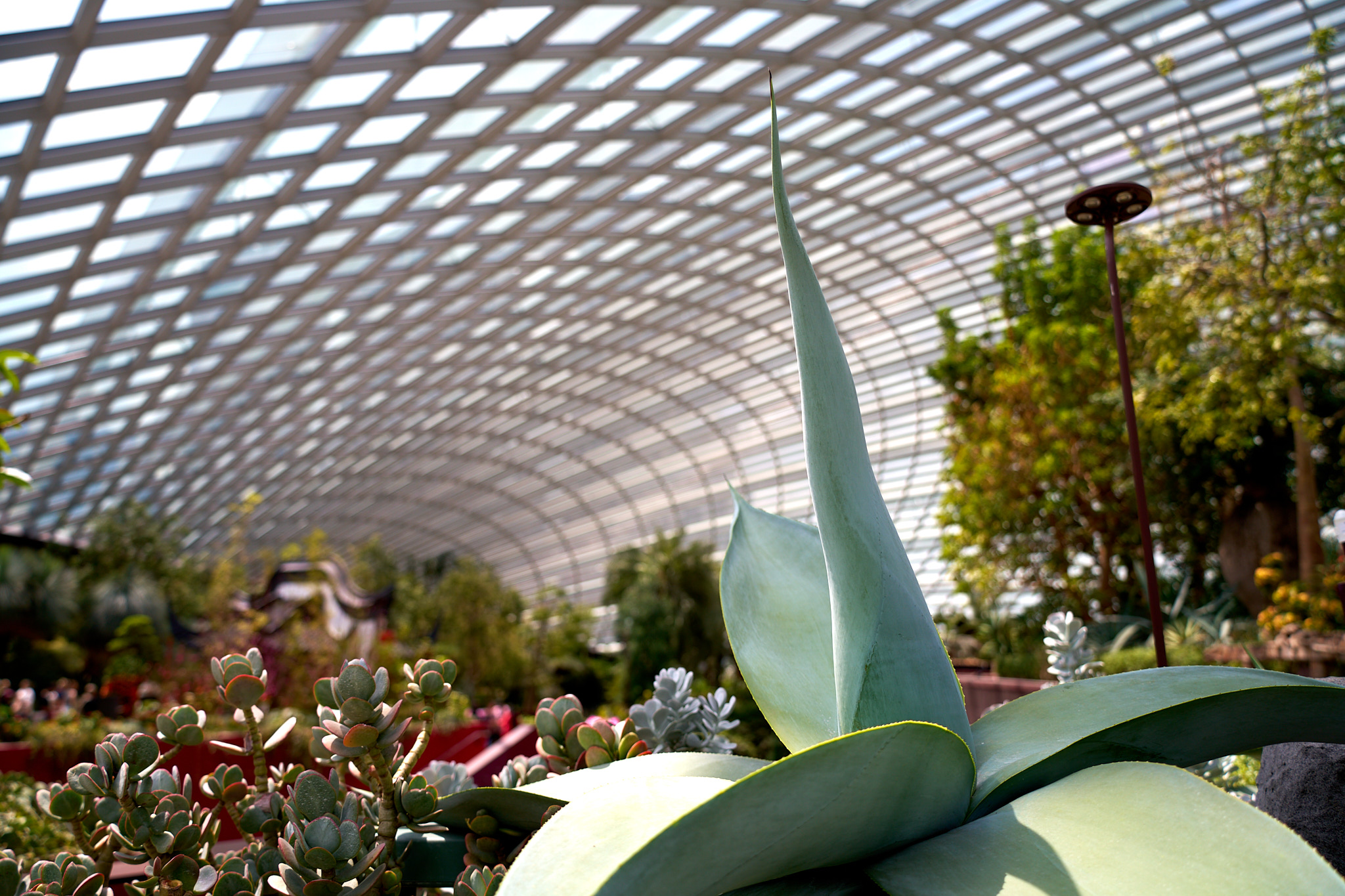
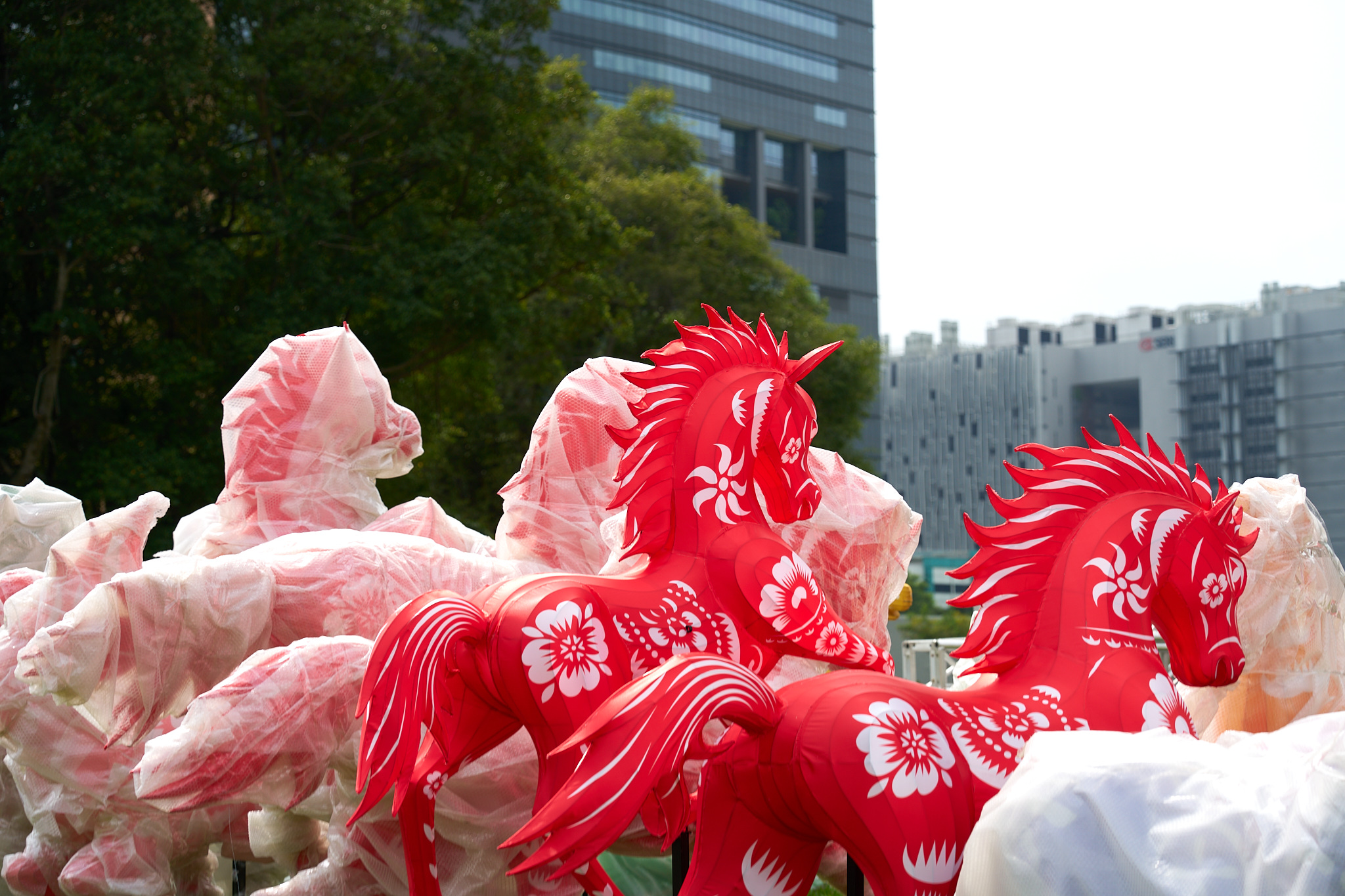
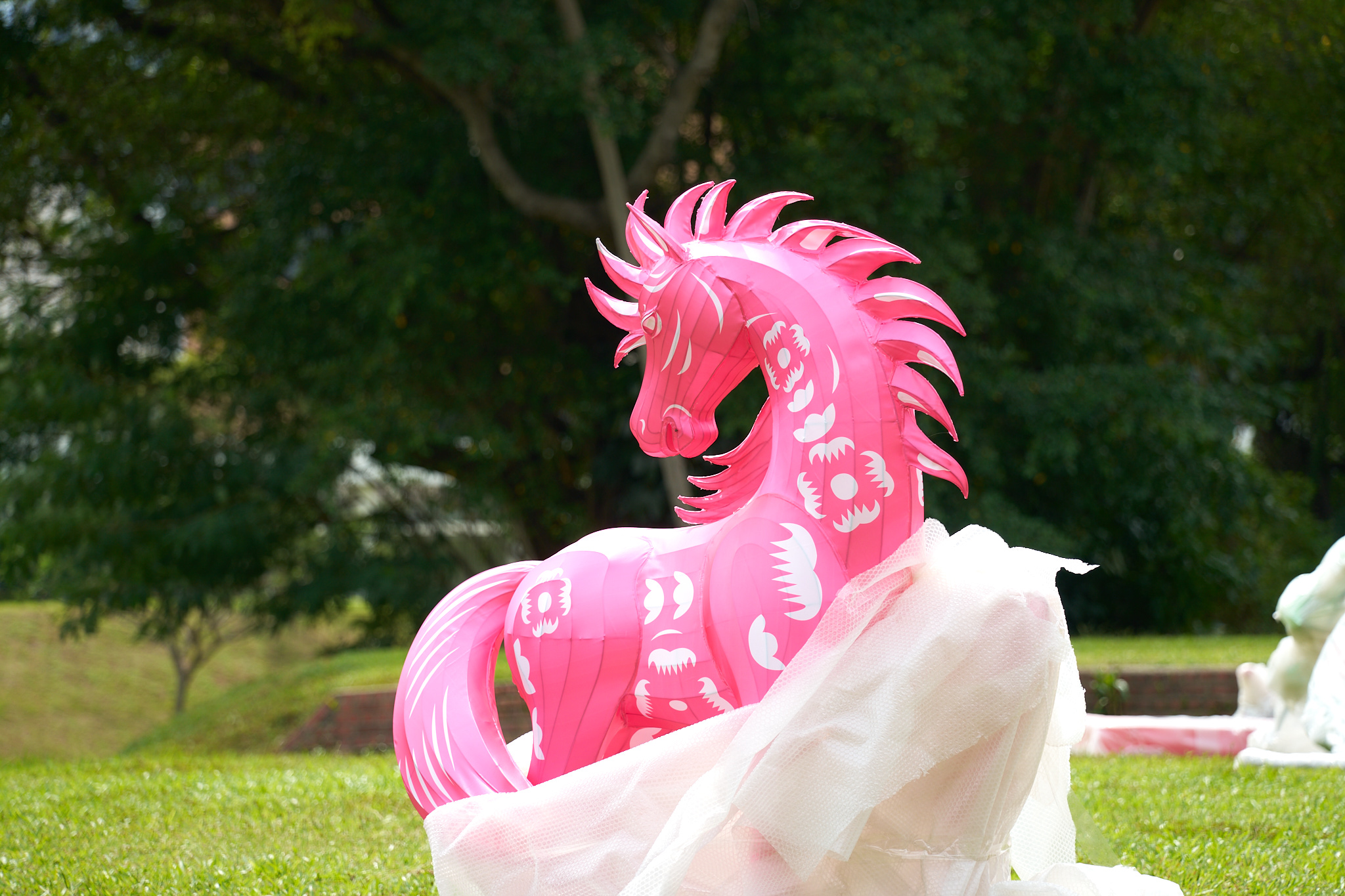
But overall, the images are terrific, and shooting in raw allowed me to easily fix any issues I might have had with image quality, with only minor tweaks. Color reproduction is especially good, and the images are sharp where it counts, especially at f/2.8 at the widest setting. Stopping down (naturally) increased edge-to-edge focus, and starting with an f/2.8 meant that by f/4, images were uniformly crisp, with just enough bokeh to separate close backgrounds. There is definitely some vignetting on the edges, visible in the darkest and lightest images I shot. It’s not distracting, it’s just visible.
The circular aperture blade makes a beautiful background defocus, while the lens coatings keep down flare and ghosting. It uses both XLD (eXtra Low Dispersion) and LD (Low Dispersion) lens elements. It’s not moisture-proof, but it is moisture-resistant. There are multiple seals throughout the barrel to keep out dust and light water spray.
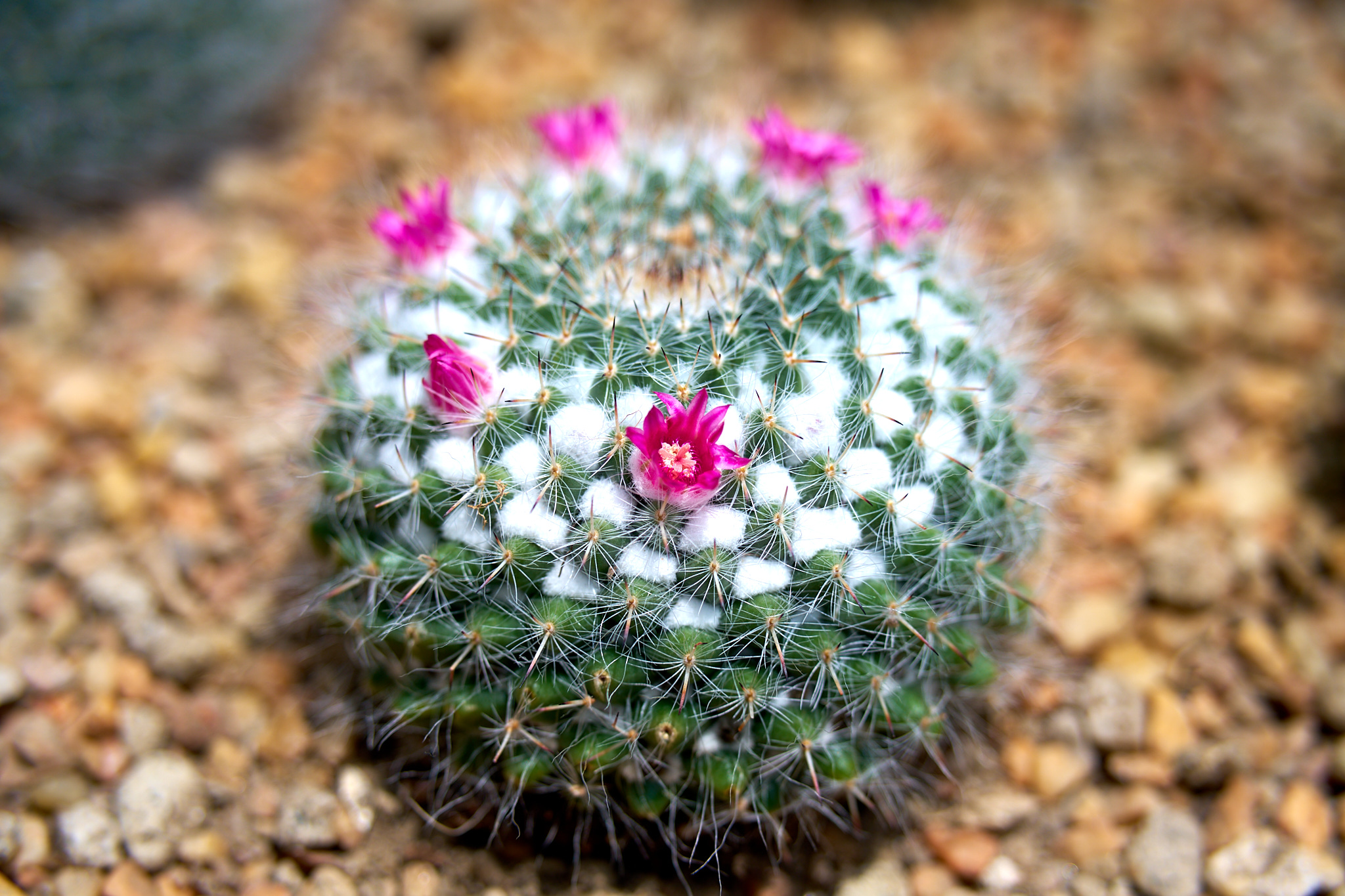
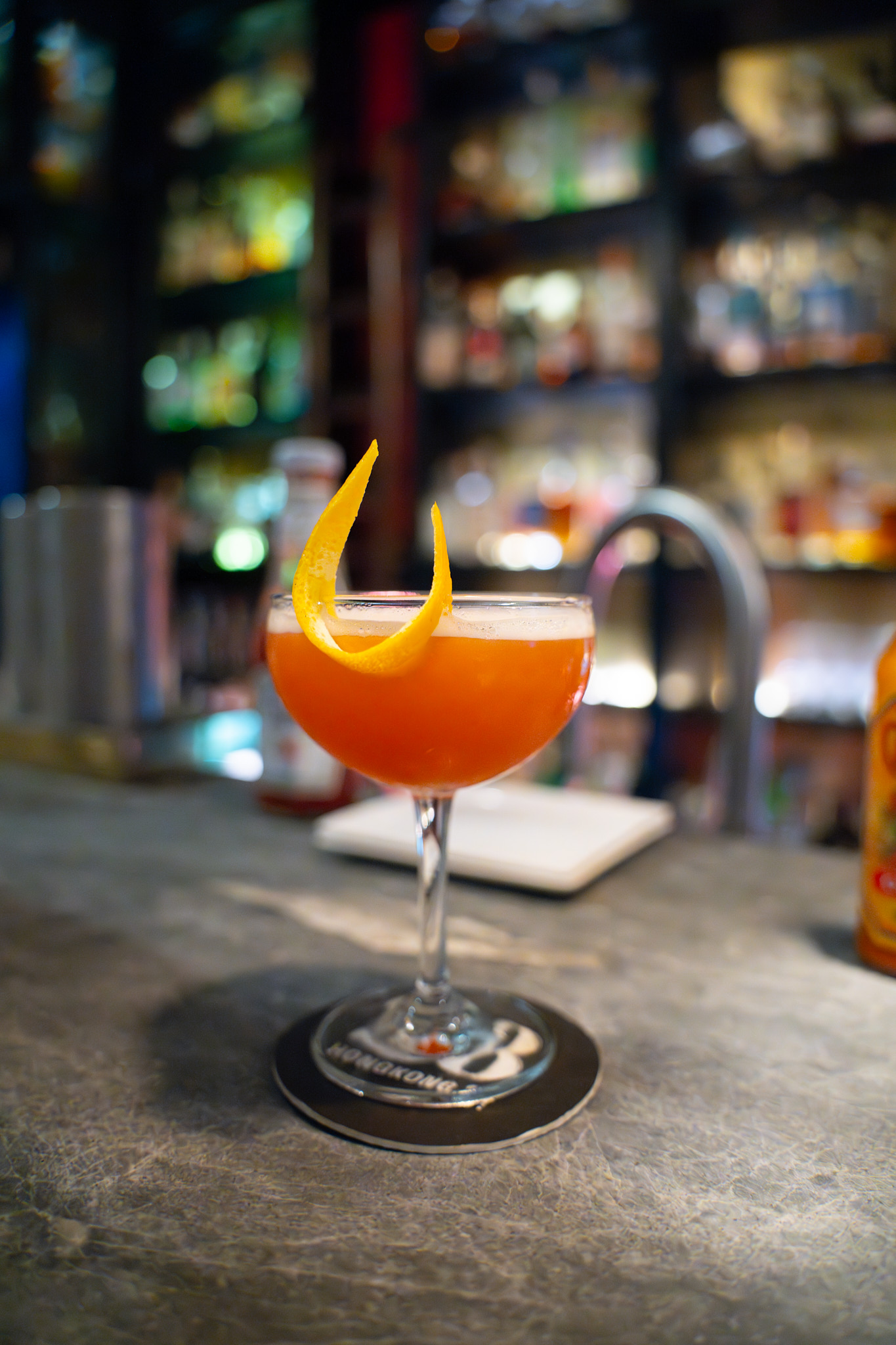
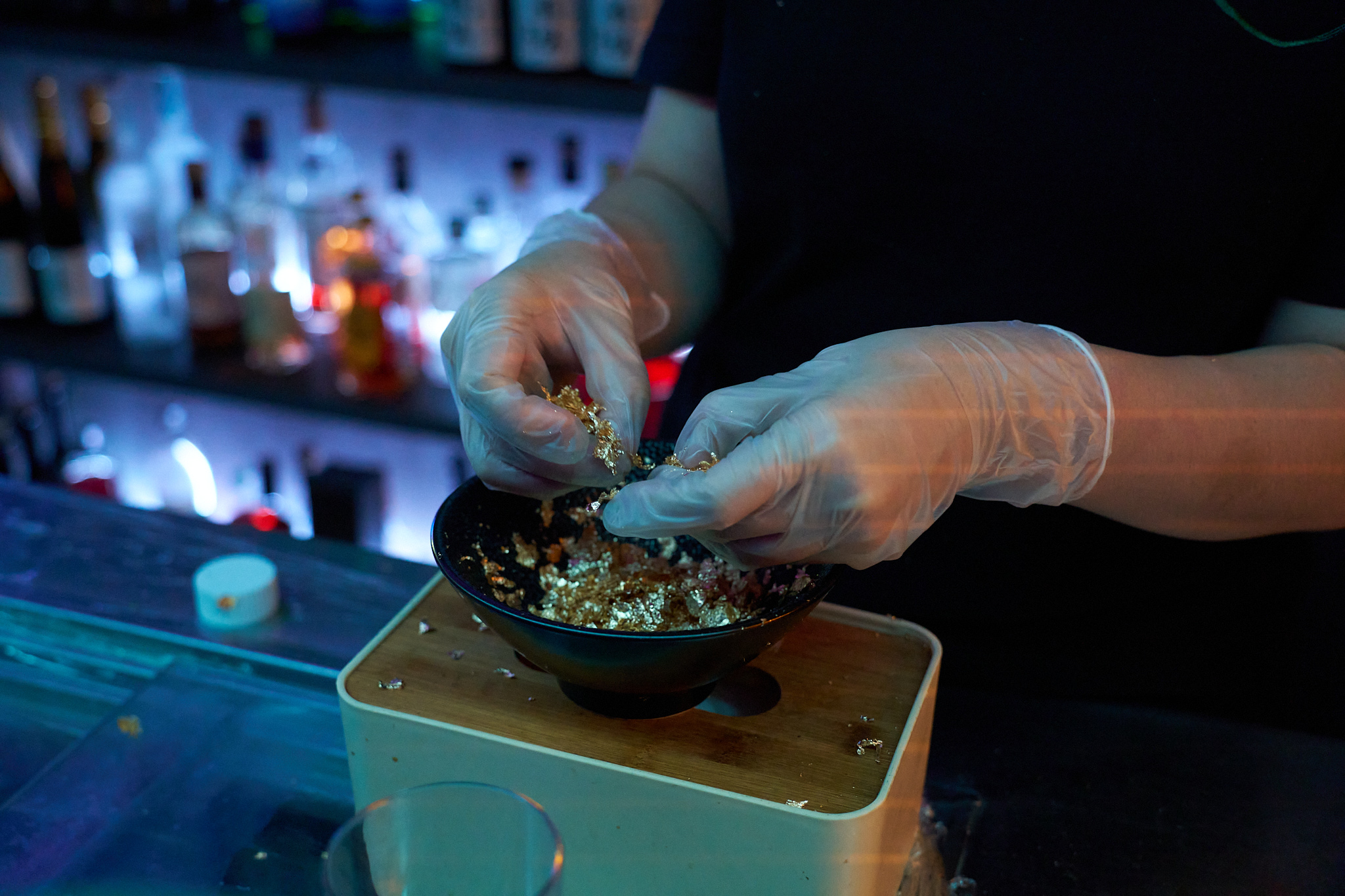
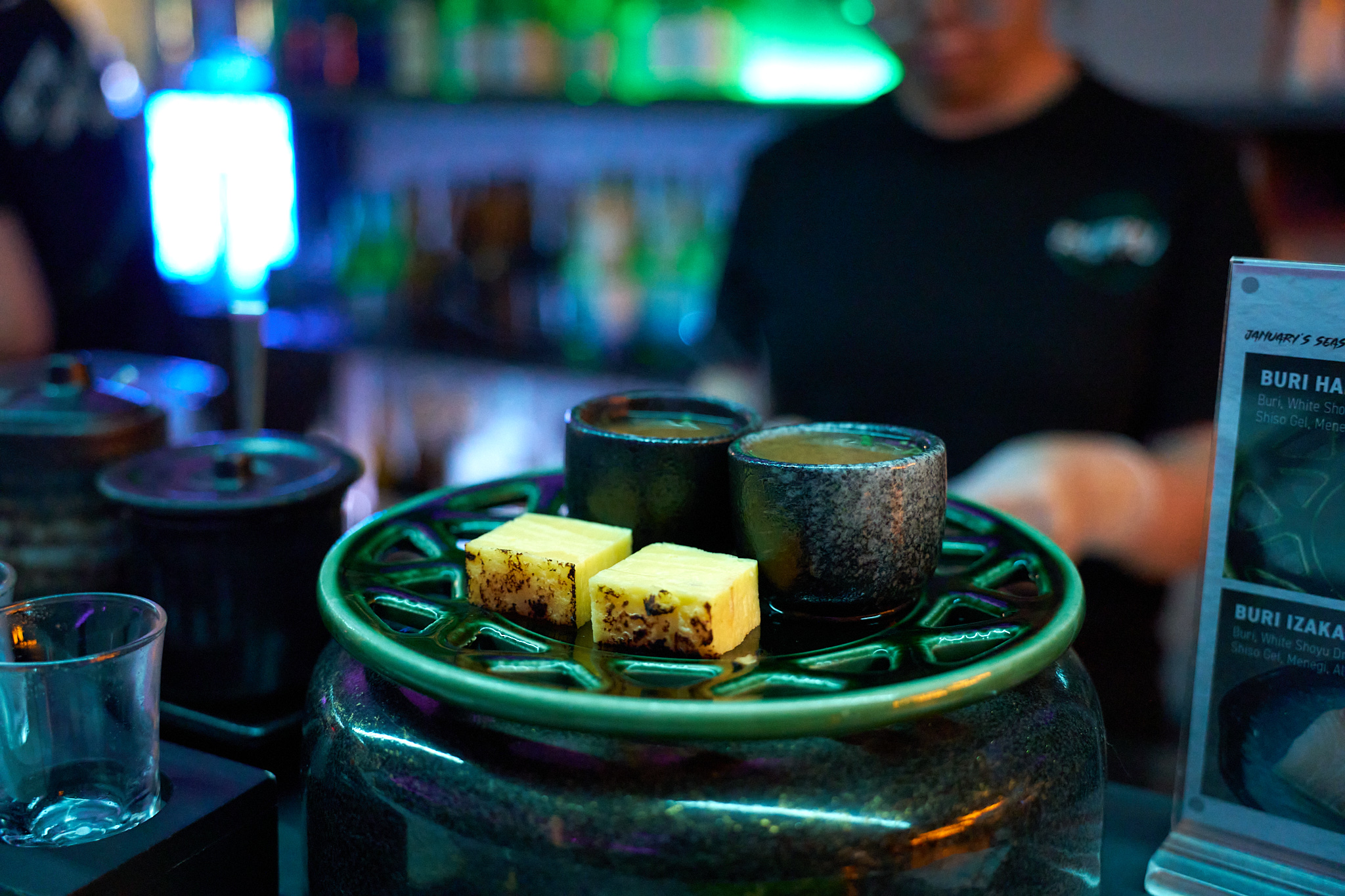
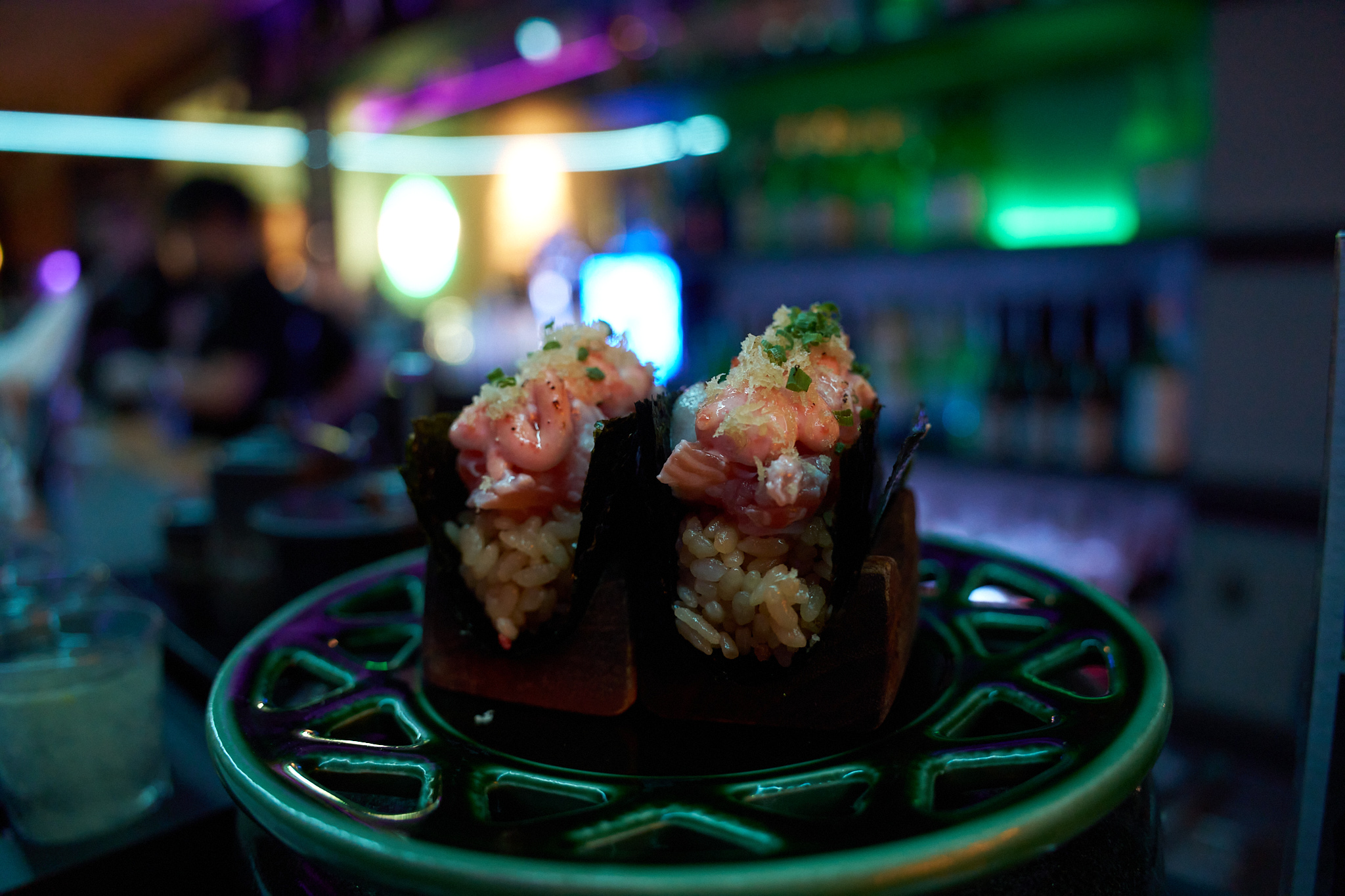
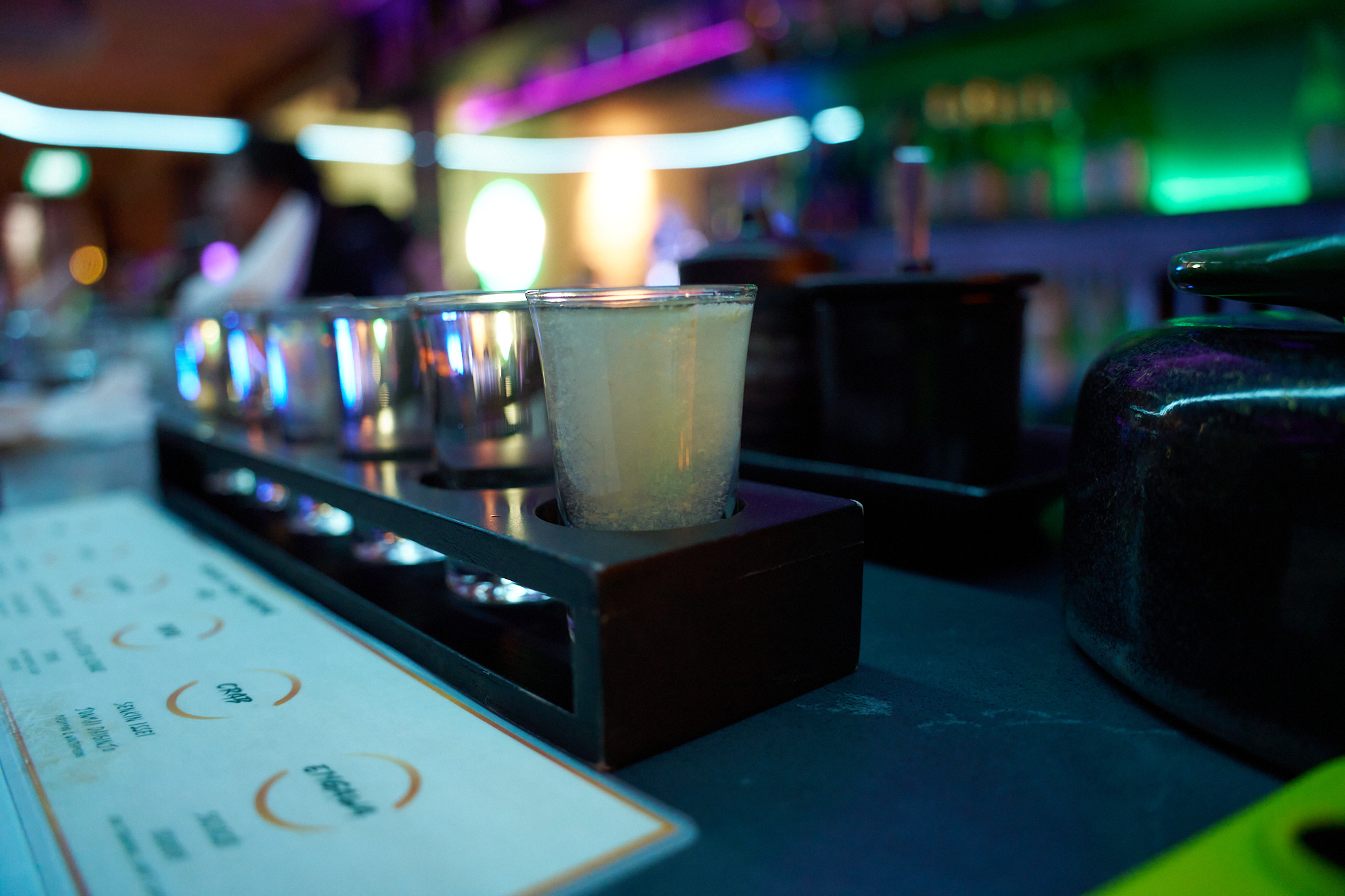
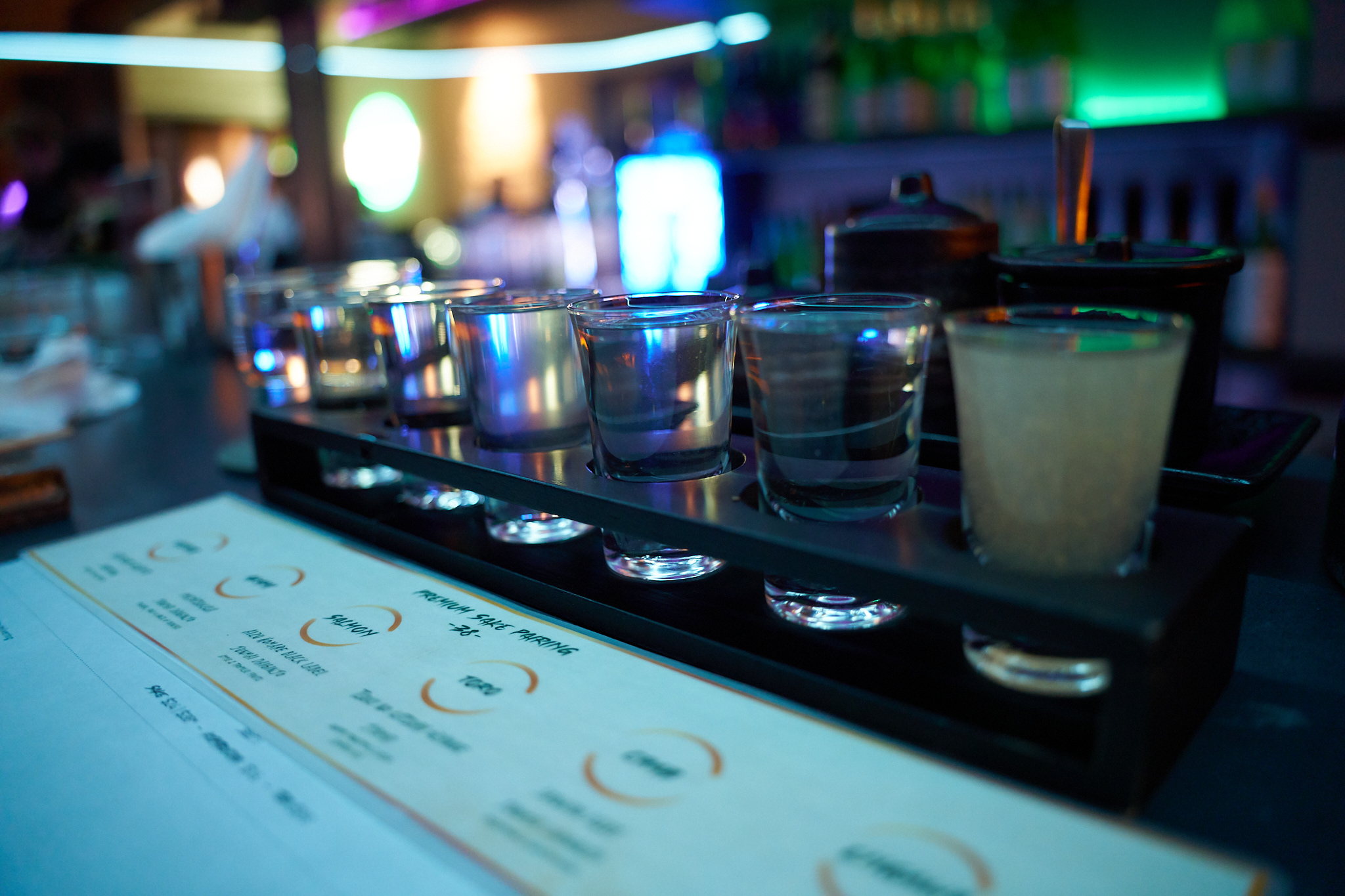
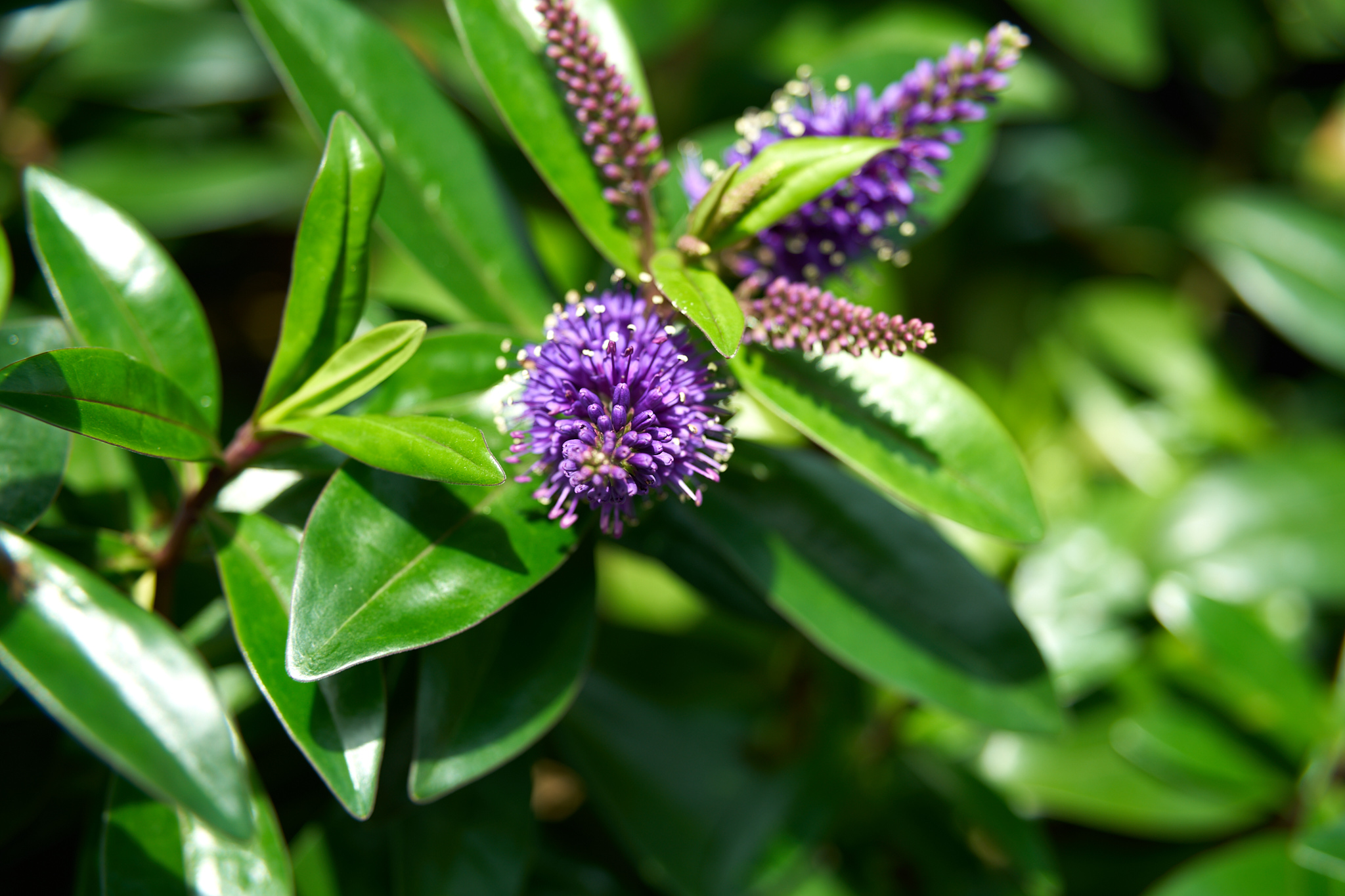
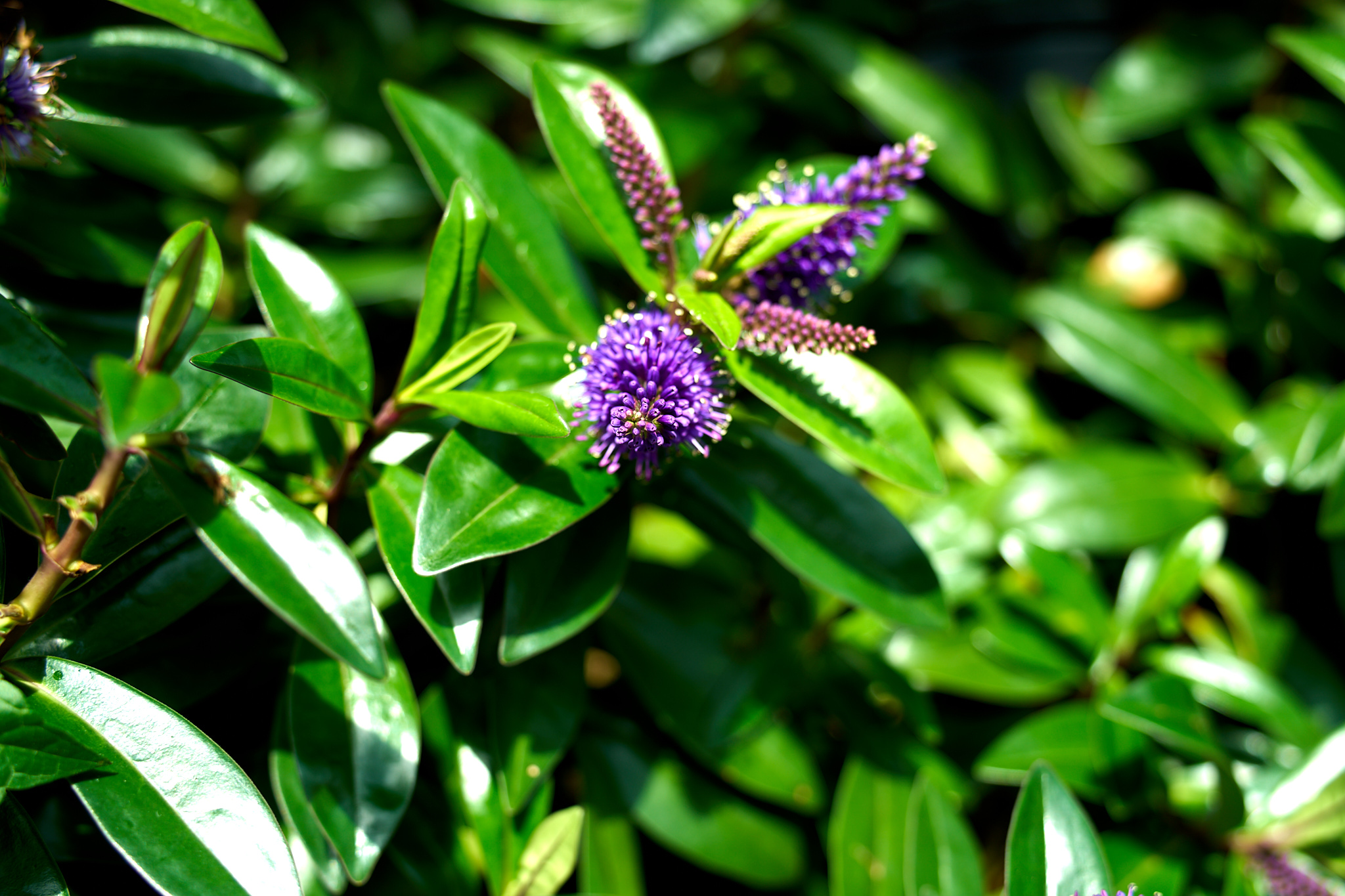
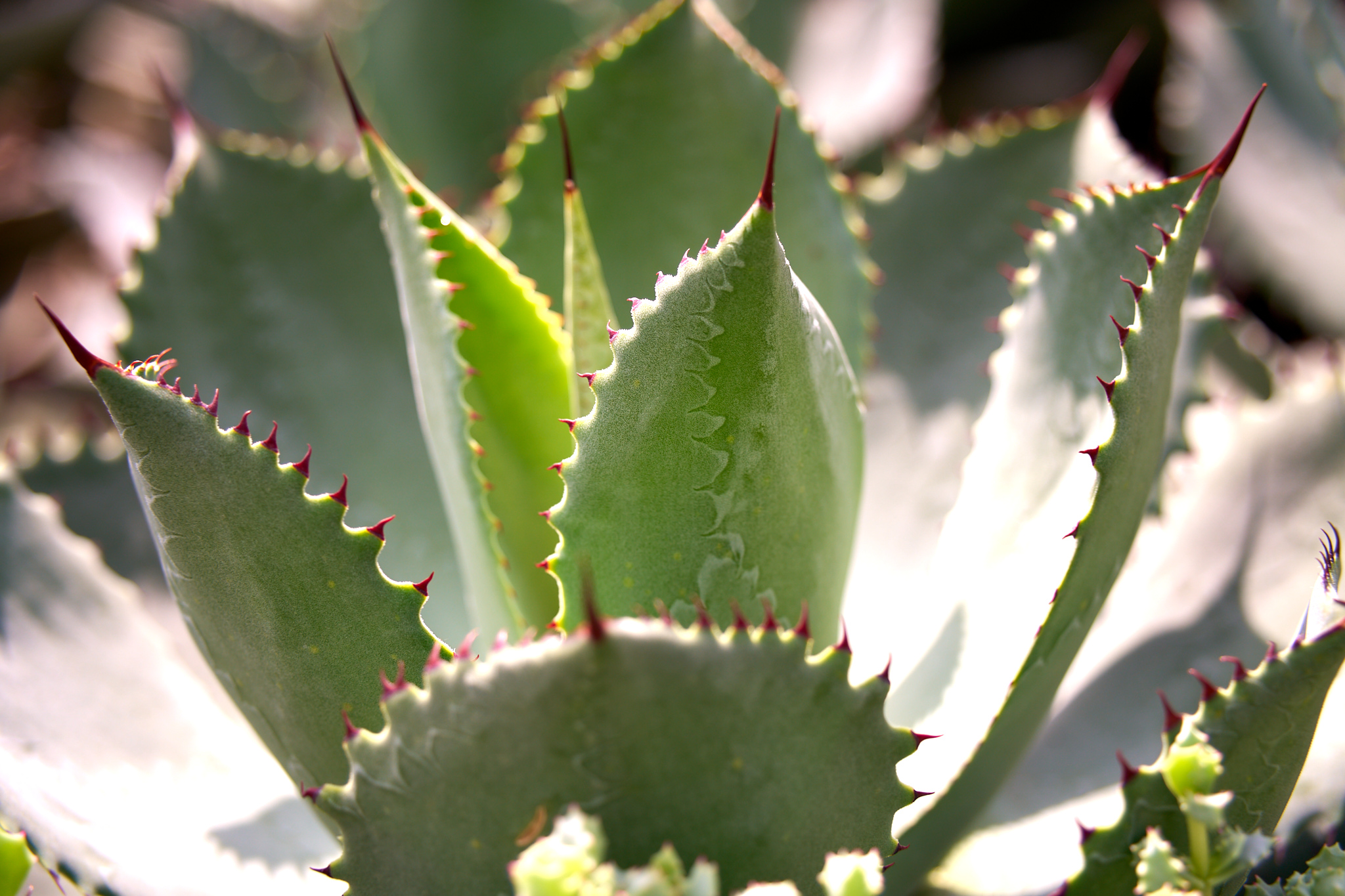
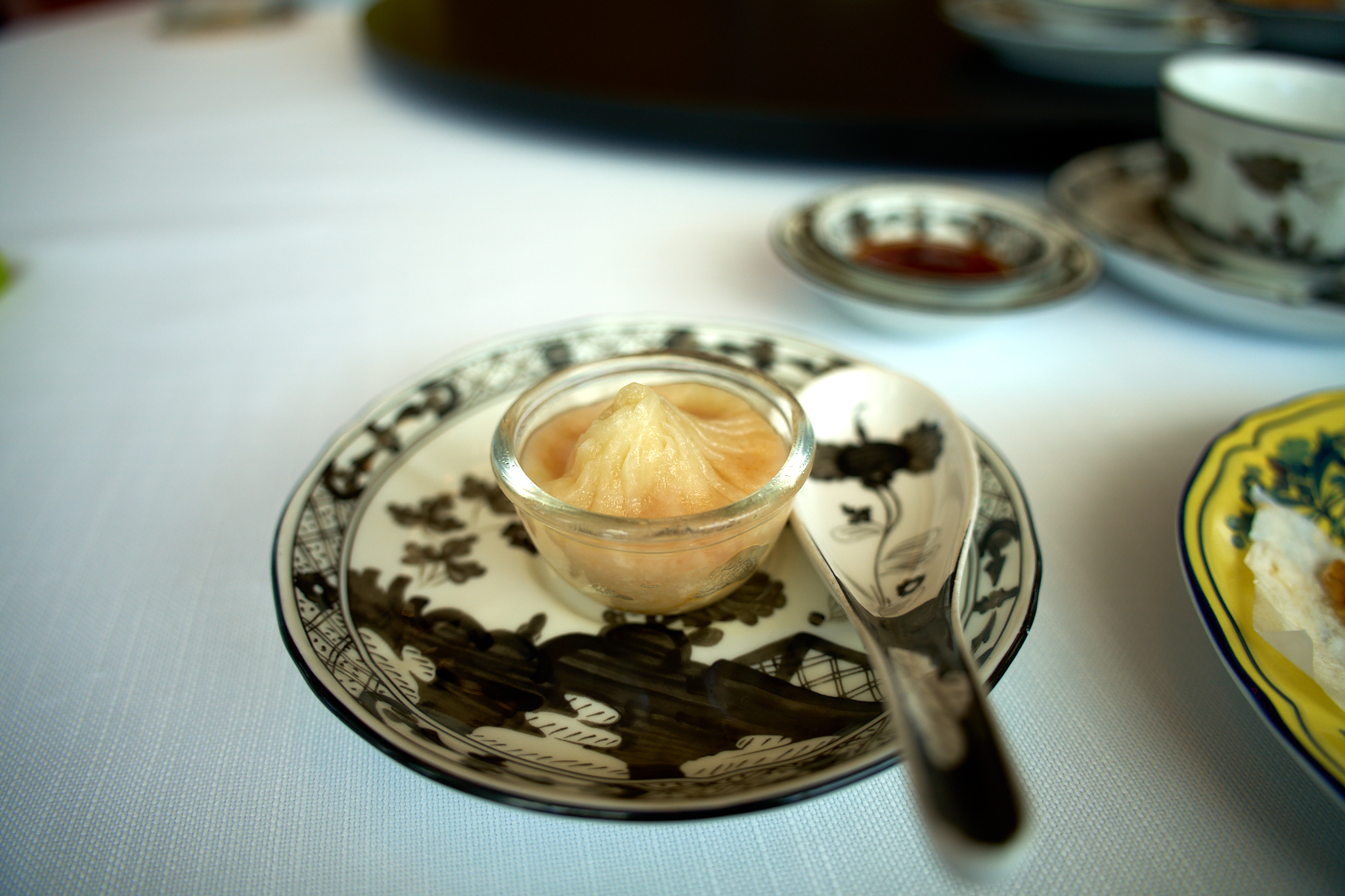
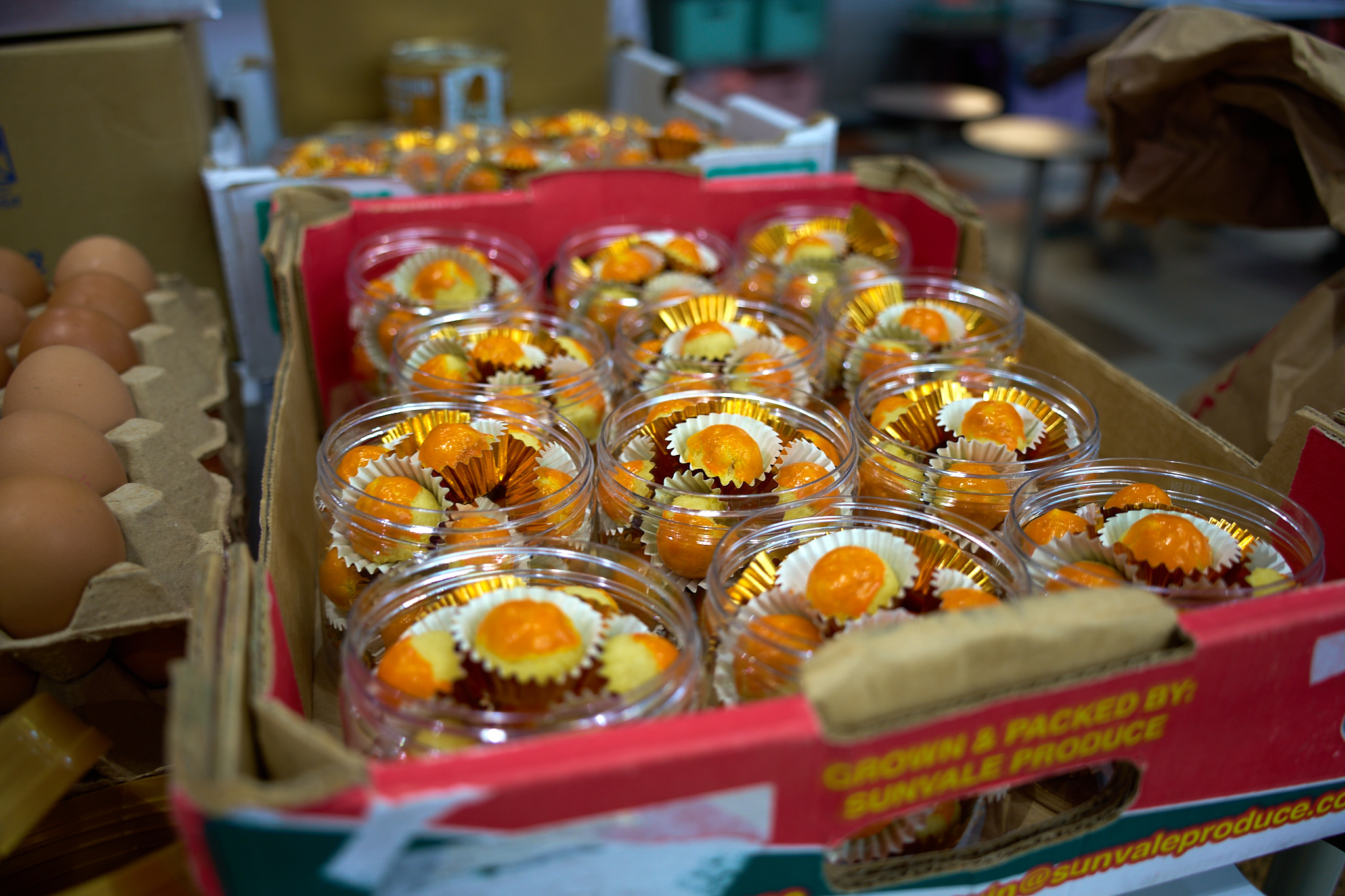
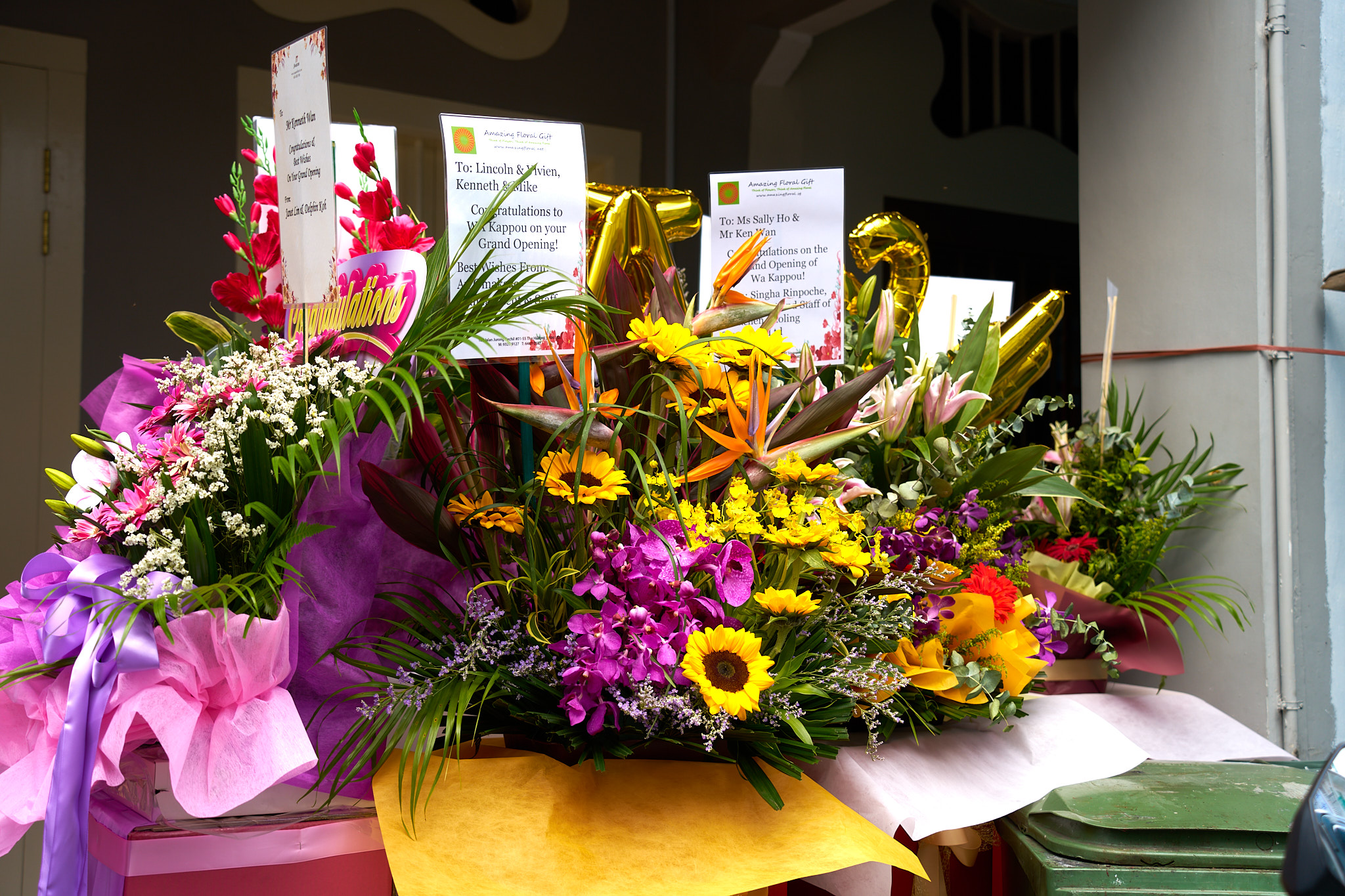
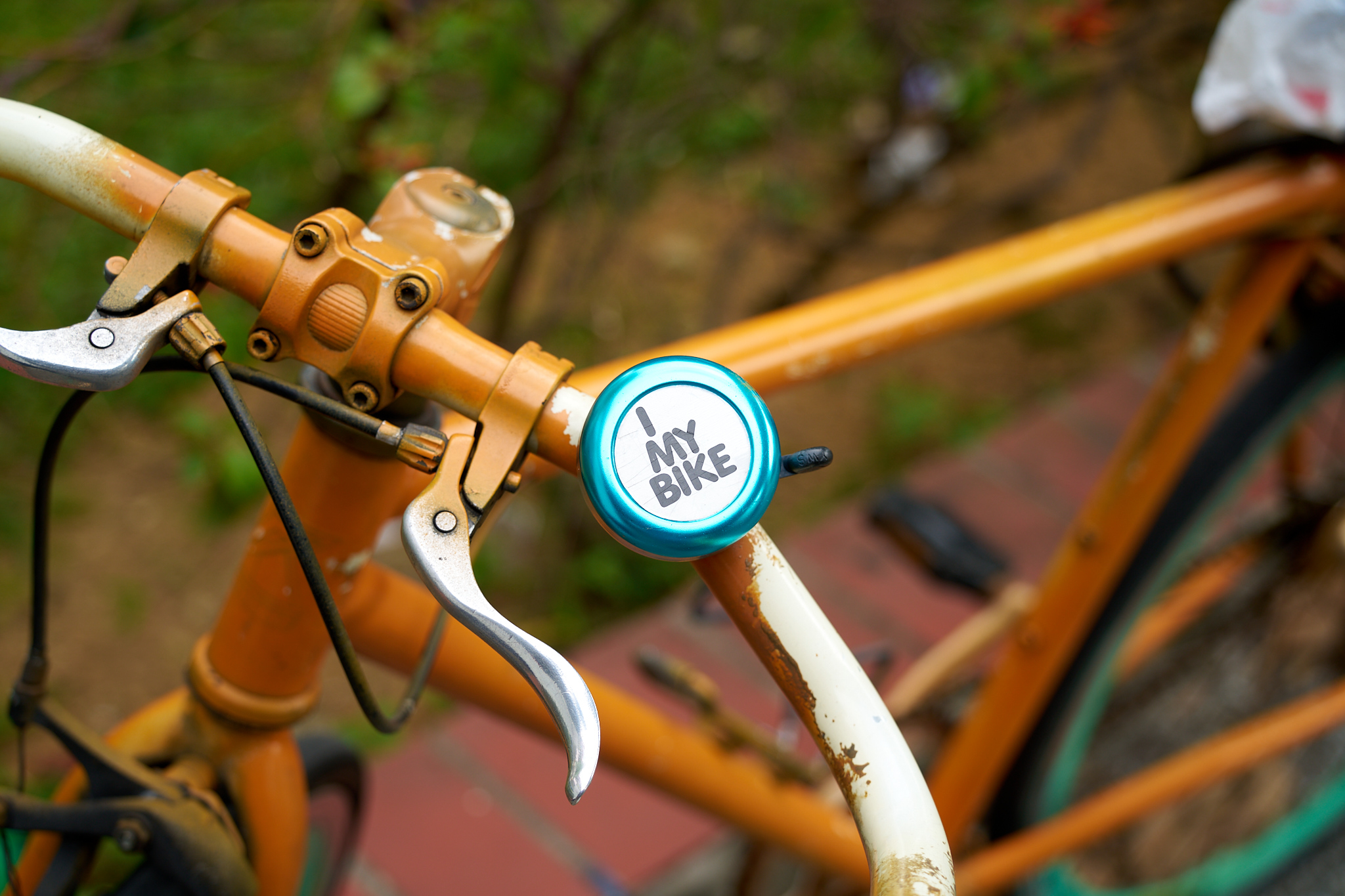
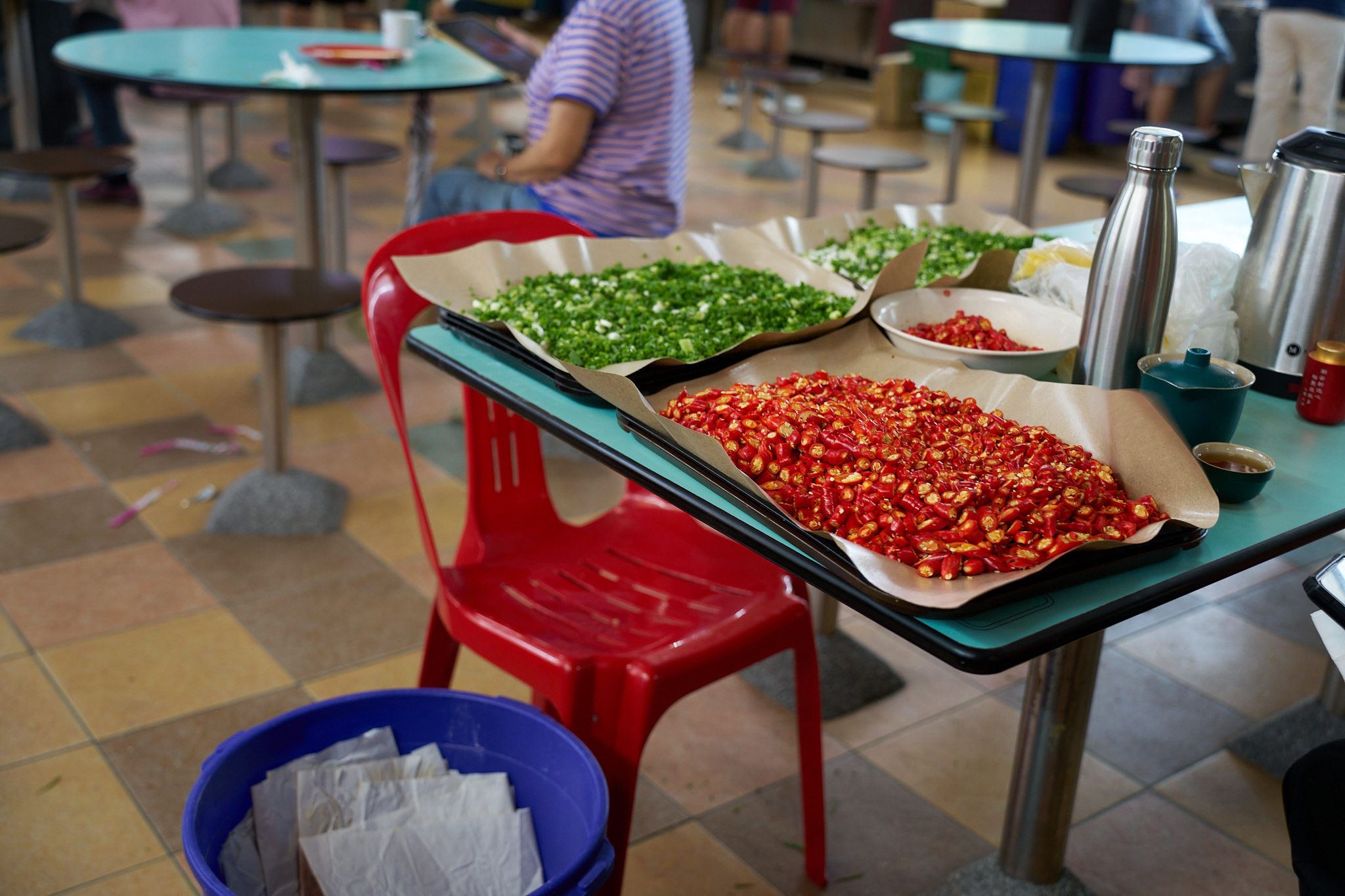
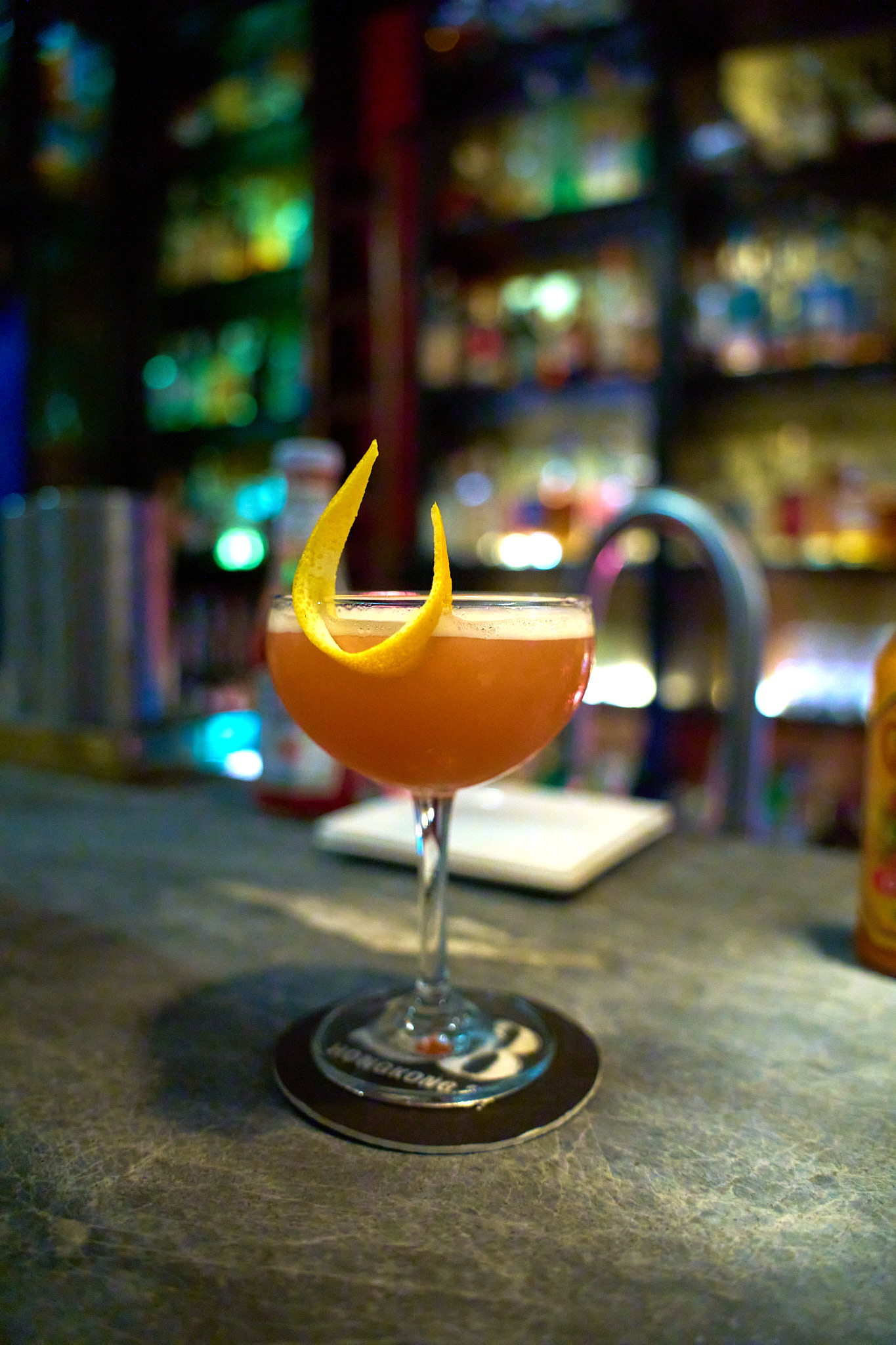
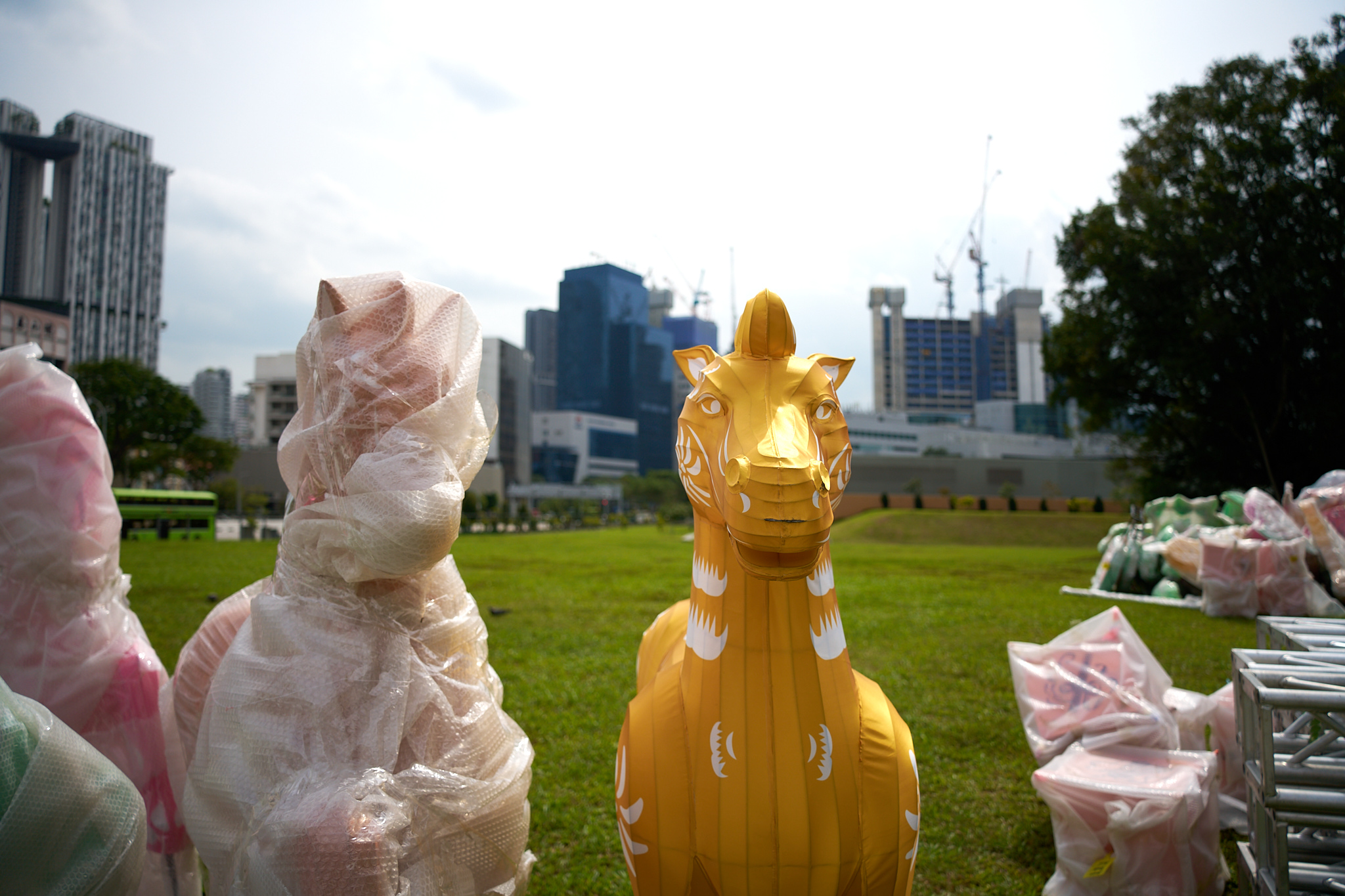
Close detail shots, like food and drinks, come out particularly clear and beautiful. This is a great lens to use to get your Saveur-like food photography.
Tamron says this is the first f/2.8 in a zoom of this range, and between that and the 200mm’s f/5.6 makes this a better performer than most affordable travel lenses I’ve used. The 200mm f/5.6 aperture is excellent for the photos of distant buildings, wildlife, and details of stalls.
There’s no image stabilization in the lens, though that’s not to be expected at this price. During a walk through the night wilderness park (which sadly was just a zoo), I was able to use the lens at 200mm when holding it against the glass of an enclosure or when using a railing to steady the camera. I was also able to handhold for about 1/10th of a second, though at an ISO that was incredibly noisy. This would be a better lens to pair with something like an a7C II or a7 V, where the lower resolution equals less noise.
In addition to the zoom ring (which was a bit tight, I suspect it will loosen up over time), there is a manual focus ring and a focus lock switch. There’s no USB port as found on some Tamron lenses for firmware updates, but these updates can be performed through the camera.
Should you buy This Lens?
I was trepidatious about taking only one lens on a long trip in a scenic area, but it turned out to be a better shooting experience than expected. I could drop the lens and camera into a small messenger bag and walk across the city without getting fatigued. The lens has almost every focal length I want when travelling, though in the future I’ll also pack a super-wide zoom or prime to complement this lens.
This is absolutely a lens that I’d pick up and take with me on a trip around town or a trip across the world, and I’ll be picking one up for my own kit.
If you want a solid, dependable lens with fantastic image quality, impressive zoom range, impressive aperture range, and great all-around performance at a price that’s more than reasonable, this is the lens for you.
Tamron 28-200mm f/2.5-5.6 Di III RXD Gallery