
Best Travel Lenses for Sony E Mount: Buyer’s Guide for Every Budget Level

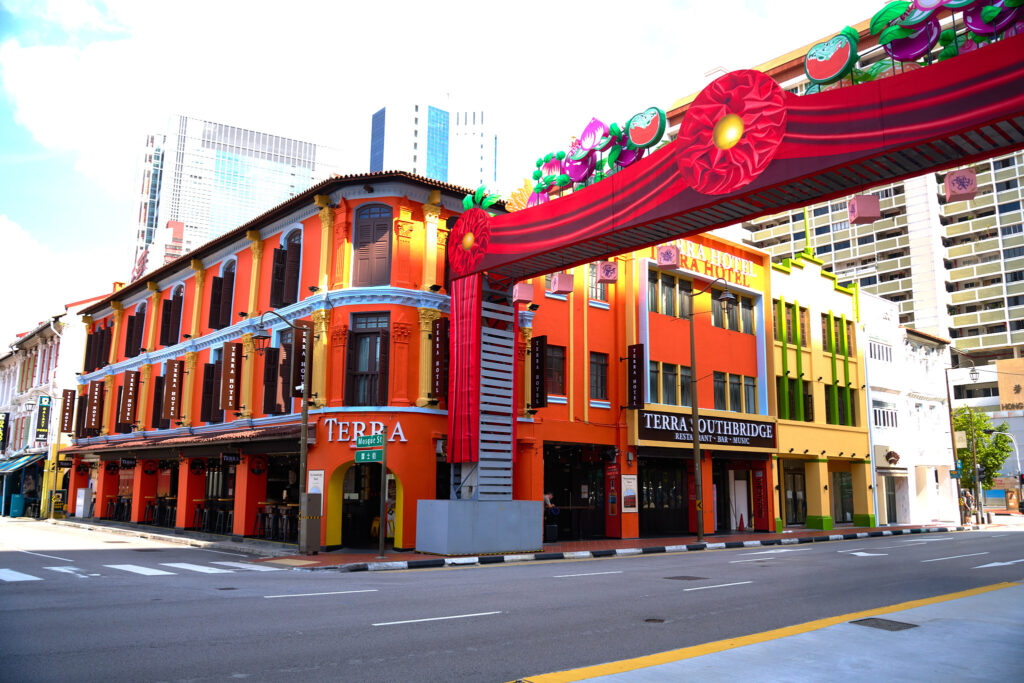
Table of Contents
-
 Why the Sony E Mount Is a Great Choice for Travel Photographers
 -
Our Picks at a Glance
-
14. Tamron 28-200mm f/2.8-5.6 Di III RXD
-
How many lenses should I bring when traveling?
-
Should I prioritize weight or versatility in travel lenses?
-
How important is image stabilization for travel photography?
-
Can I learn how to use new focal lengths while traveling, or should I stick with what I know?
-
Should I buy weather-sealed lenses for travel?
-
Are third-party lenses as good as Sony native lenses?
-
What focal length is most useful for travel photography?
-
Final Word
Travel photography setups may differ a bit from your everyday lens setup. Usually, the best travel lenses include wider-angle and (depending on the type of trip) longer telephoto lenses. The top travel lenses are lightweight, versatile, and perform well. You never have a second chance to capture the same majestic sunrise or get an image of that pride of lions lounging together.
For photographers newer to interchangeable-lens systems, the easiest way to think about travel lenses is by role. Most kits start with a versatile zoom, add an ultra-wide lens for landscapes, and optionally include a telephoto for distant subjects like sports or wildlife. The goal isn’t maximum coverage—it’s a kit that supports the way you actually travel and shoot.
In this guide, we selected lenses that are great for travel photography, but won’t sit idle when you get home. Every lens in this guide is one that we’d put in our own camera bags.
Why the Sony E Mount Is a Great Choice for Travel Photographers
Sony’s full-frame system pioneered the full-frame mirrorless revolution, combining compact camera bodies with exceptional autofocus performance and extensive lens selection. The mature E-mount ecosystem offers everything from lightweight G lenses to professional GM glass, with third-party support from Sigma, Tamron, and others providing excellent alternatives. This gives travel photographers great options in building a kit that fits within budget constraints.
Why Trust Us
I have tested and shot with every lens in this guide, and between myself and the Imaging Resource staff, we have tested all of them several times over.
At Imaging Resource, we’ve tested travel-friendly lenses across Sony’s E mount system in real-world scenarios—from street shooting and landscape hikes to on-the-go video—so you can see how they perform where it matters. As a mostly Sony shooter (thanks to being a reviewer I shoot all systems) I own or have owned many of the lenses in this guide.
We never accept payment for placement, and even though our articles contain affiliate links, they do not influence our editorial rankings.
Our Picks at a Glance
General Purpose Zooms
A general-purpose zoom is the cornerstone of any travel kit, covering everything from wide landscapes to portraits. The best options strike a balance between flexibility and portability and price, allowing you to leave the lens on your camera all day. The classic 24-70mm range handles most travel situations, while extended 24-105mm zooms add extra reach for distant subjects without requiring a lens change.
I spend almost every day of a trip starting with the 24-70mm attached to my camera, and then switching ot more specialized lenses as different subjects come up.
Sony’s native lineup includes both professional GM (G Master) lenses with exceptional optical performance and more affordable G-series options that still deliver excellent results. Third-party manufacturers like Tamron and Sigma offer excellent (and lower-cost) alternatives that have image quality that’s just a touch behind Sony’s native glass.
1. Sony FE 24-70mm f/2.8 GM II
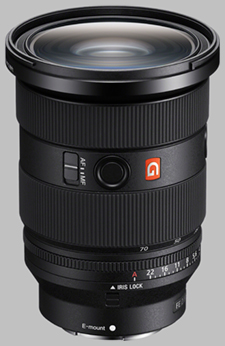
A pro-grade 24–70mm zoom with a constant f/2.8 aperture, four XD linear motors for lightning AF, and no optical OSS (relies on in-body stabilization). At about 695 g and fully weather-sealed, it’s built for serious travel shooters who want flagship sharpness and fast handling without lugging a heavier kit.
- Exceptional sharpness
- Fast AF
- Lighter than most f/2.8 zooms
- Expensive
- Overkill for casual shooters
- Focal Length: 24–70mm
- Aperture: f/2.8 constant
- Aperture Blades: 11 (rounded)
- Image Stabilization: None (relies on IBIS)
- AF Motor: Four XD linear motors
- Weather Sealing: Yes
One of the sharpest standard zooms available, yet surprisingly lightweight. It’s an excellent choice for travelers who want top performance without excessive bulk. This is a lens I personally own, having upgraded from the original 24-60mm f/2.8 GM lens. That original model is still available for more budget-conscious shooters. The GM II version is lighter, faster to focus, and has even better image quality than the original.
If you want to invest in one lens that will be the cornerstone of your shooting, this is it. Similar lenses from Tamron and Sigma (below) are excellent, more affordable alternatives to this lens.
2. Tamron 28-75mm f/2.8 Di III VXD G2
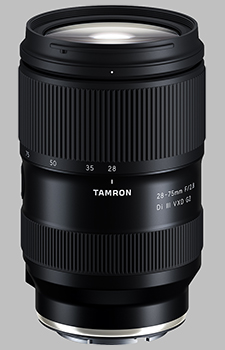
A compact 28–75mm constant f/2.8 zoom with Tamron’s VXD linear motor, basic weather sealing, and a light 540 g body — no optical stabilization (relies on IBIS). It’s an everyday workhorse for travelers who want strong low-light performance and excellent image quality at a friendly price.
- Affordable
- Compact
- Excellent optical quality
- Less reach than 24–105mm
- Build is not as premium as GM lenses
- Focal Length: 28–75mm
- Aperture: f/2.8 constant
- Aperture Blades: 9 (rounded)
- Image Stabilization: None (relies on IBIS)
- AF Motor: VXD linear motor
- Weather Sealing: Yes (basic)
One of the most popular travel zooms for Sony, this lens offers near-pro performance at a fraction of the price. Its compact form factor and lightweight make it a perfect carry lens. This lens is identical to the one for Nikon’s Z mount, producing excellent images. Our test of the Tamron 28-75mm f/2.8 Di III VDX G2 found it an impressive lens with impressive results.
I’ve used this lens as my walk-around lens and have brought it on several overseas trips, and it hasn’t let me down. It’s also a lens I recommend to a lot of first-time shooters who want an excellent camera setup but can’t afford the Sony 24-70mm GM II.
3. Sigma 28-70mm f/2.8 DG DN Contemporary
One of the most popular travel zooms for Sony, this lens offers near-pro performance at a fraction of the price. Its compact form factor and lightweight make it a perfect carry lens. This lens is identical to the one for Nikon’s Z mount, producing excellent images. Our test of the Tamron 28-75mm f/2.8 Di III VDX G2 found it an impressive lens with impressive results. I’ve used this lens as my walk-around lens and have brought it on several overseas trips, and it hasn’t let me down. It’s also a lens I recommend to a lot of first-time shooters who… want an excellent camera setup but can’t afford the Sony 24-70mm GM II.
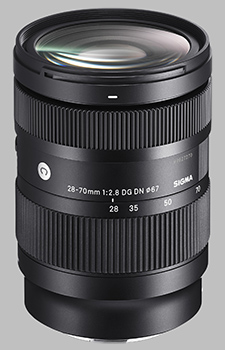
One of the smallest f/2.8 standard zooms, offering 28–70mm coverage, a stepping AF motor, and a very travel-friendly 470 g weight. It forgoes OSS in favor of compactness, ideal for photographers who prioritize portability without giving up constant-aperture speed.
- Extremely compact
- Affordable
- Sharp
- Slightly shorter range than 24–70
- Less robust build
- Focal Length: 28–70mm
- Aperture: f/2.8 constant
- Aperture Blades: 9 (rounded)
- Image Stabilization: None (relies on IBIS)
- AF Motor: Stepping motor
- Weather Sealing: Yes (basic)
One of the sharpest standard zooms available, yet surprisingly lightweight. It’s an excellent choice for travelers who want top performance without excessive bulk. This is a lens I personally own, having upgraded from the original 24-60mm f/2.8 GM lens. That original model is still available for more budget-conscious shooters. The GM II version is lighter, faster to focus, and has even better image quality than the original.
If you want to invest in one lens that will be the cornerstone of your shooting, this is it. Similar lenses from Tamron and Sigma (below) are excellent, more affordable alternatives to this lens.
4. Sony FE 24-105mm f/4 G OSS
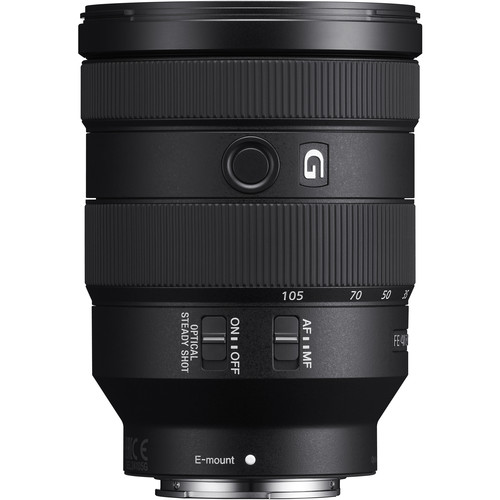
This 24–105mm f/4 zoom packs Optical SteadyShot stabilization, a Direct Drive SSM focus system, and weather sealing into a 663 g package. The extra reach and built-in OSS make it a perfect one-lens travel option for stills and handheld video when versatility matters more than maximum speed.
- Well-balanced size/performance
- OSS stabilization
- Versatile range
- Slower f/4 aperture
- Not as sharp as GM II
- Autofocus Motor Type: Direct Drive Super Sonic wave AF motor
- Image Stabilization: Yes
- Lens Mount Compatibility: Sony
- Weather Sealing: Dust and moisture-resistant construction
- Focal Length: 24–105mm
- Aperture Blades: 9 (rounded)
If you’re going on the road and you want a bit more reach than a 24-70mm lens provides, this Sony lens is a great choice. I took this on a trip to Brazil to photograph a jaguar, and I used it constantly. The f/4 aperture lets in less light than an f/2.8, but with a constant f/4 you don’t have to worry about depth of field changing while you zoom. This is especially important for video work. Our hands-on testing found this one of the best travel lenses for optical quality.
Wide Angle Zooms
Most people don’t need a wide-angle zoom lens unless they’re a landscape photographer, a real-estate photographer, or they’re going on vacation. If you’re a professional working with wide-angle shots, you’ll want the best lens you can get, which is often the most expensive lens you can get.
Travel photographers looking for a nice ultra-wide zoom are faced with many options, most of them priced out of the range of a casual traveller. Our wide-angle choice gives you great image quality at one of the lowest prices in this category.
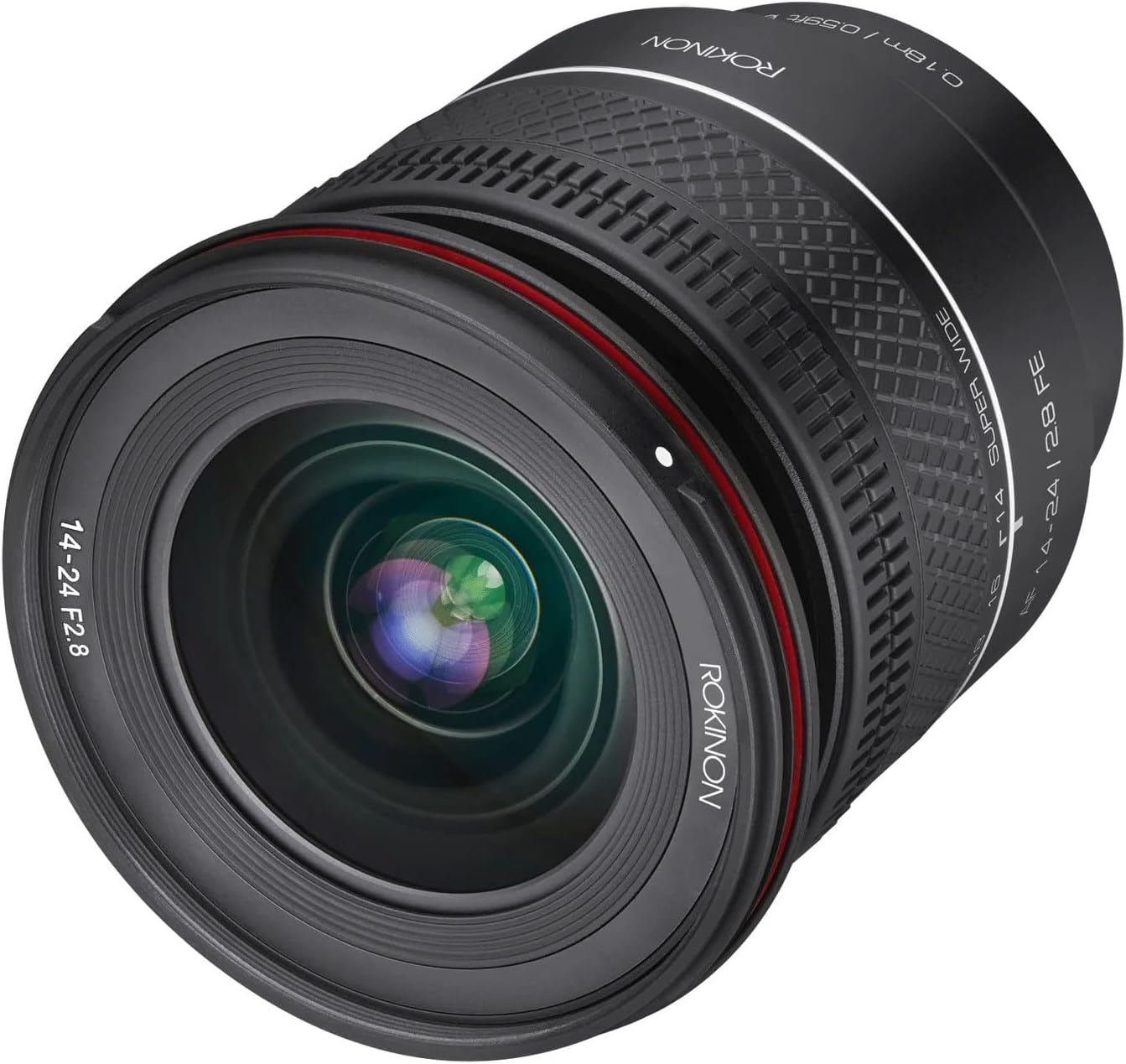
5. Samyang/Rokinon AF 14-24mm f/2.8 FE
The first ultra-wide zoom from Samyang’s collaboration with Schneider-Kreuznach offers professional image quality in the lightest package available. At just 445 grams, this lens delivers constant f/2.8 performance across the 14-24mm range while accepting standard 77mm front filters—a rare feature for ultra-wide zooms that typically require rear filter systems.
- The lens weighs just 15.7 ounces, making it one of the lightest full-frame f/2.8 ultra-wide zooms available and significantly more portable than competing options.
- Standard 77mm filter threads allow easy attachment of polarizers and ND filters without requiring special rear-mount systems or expensive large-diameter filter holders.
- Minimum focusing distance of 7 inches across the entire zoom range with 0.26x magnification enables dramatic close-up perspectives with ultra-wide backgrounds.
- The lens was just announced in April 2025 and availability may be limited as production ramps up for this new release.
- Samyang’s autofocus performance historically lags slightly behind Sony and Sigma in low-light situations, though this new design may address previous concerns.
- Limited professional reviews are available since the lens is brand new, making long-term reliability and real-world performance harder to assess.
- Focal Length: 14-24mm
- Maximum Aperture:: f/2.8 (constant)
- Minimum Aperture: f/22
- Dimensions: 85 x 131-133mm (3.3 x 5.2 inches)
- Weight: 445g (15.7 oz)
- Image Stabilization: No
- Weather Sealing: Yes
Just a few years ago, a Samyang lens was only a good choice for someone looking for the lowest-cost lens in a category, regardless of optical quality. Now, Samyang is a reliable and respected brand. Samyang and Rokinon are the same company; different names are used for various markets. This lens gives an ultra-wide field of view and, combined with a lens around the 24-70mm focal lengths, provides a photographer with a complete range of subjects from super-wide landscapes through portraits, and into a bit of telephoto reach.
Wide and Standard Primes
Prime lenses offer superior optical quality and faster apertures than zooms in a more compact package. For Sony travelers, a 35mm or 50mm prime can be the perfect single-lens solution for street photography and environmental portraits. In comparison, ultra-wide 20mm and 24mm primes excel at dramatic landscapes and architecture. The combination of wide apertures for low light and compact size makes primes ideal for travel photographers who value minimal weight and maximum image quality.
Sony’s E-mount ecosystem has a great selection of prime lenses, with options ranging from compact f/2.8 pancake lenses to professional f/1.4 GM glass. Third-party manufacturers like Sigma offer Art series lenses with stunning optical performance, while budget-focused options from Samyang and Viltrux provide excellent value for travelers on tighter budgets. The wide selection ensures every Sony shooter can find primes that match their creative vision and financial constraints.
Zoom lenses cover all of these focal lengths, but there’s something special about a wide-aperture prime and how it nicely blurs the background on travel photos. A wide aperture also allows a lot of light, making it perfect for evening shots or pictures taken indoors.
6. Sony FE 35mm f/1.8
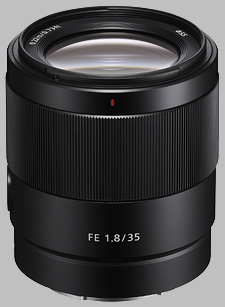
A go-anywhere 35mm prime with an f/1.8 aperture, fast linear-motor AF, weather sealing, and a light ~280 g footprint. It’s the practical, low-bulk choice for street and travel shooters who want strong low-light performance and natural perspective.
- Lightweight
- Sharp
- Affordable compared to f/1.4
- Some vignetting at wide open
- Lacks the premium build of GM lenses
- Focal length: 35mm
- Aperture: f/1.8
- Aperture blades: 9 (rounded)
- Image stabilization: No (relies on IBIS)
- AF motor: Linear motor
- Weather sealing: Yes
Small, sharp, and portable, this lens is ideal for travel photography. Its fast aperture makes it equally useful for daytime street scenes and night cityscapes. There’s a higher-end 35mm f/1.4 from Sony. Still, this lens is a better choice for all-around travel work because it’s smaller, and the slightly worse light-gathering ability isn’t a problem if you’re not doing studio photography.
It’s one of the first primes I recommend people new to the Sony system purchase because it’s such a capable all-around lens. Our own tests called it one of the best primes ever.
7. Sony FE 24mm f/1.4 GM
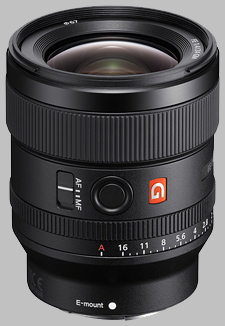
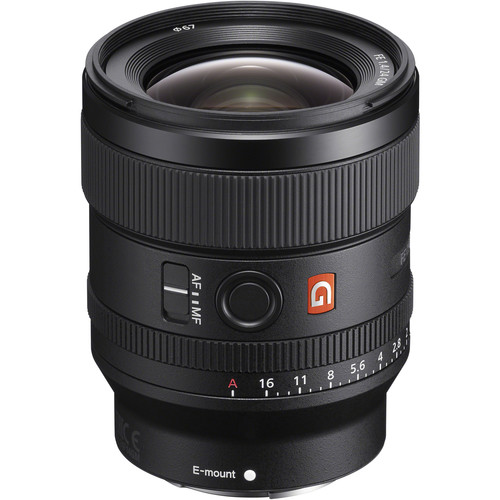
A high-end wide prime with some of the best edge-to-edge sharpness and low-light capability in any low-light prime. Despite its performance, it’s a tiny lens. I’ve been shooting with this lens regularly since I first shot stro with it on a Sony media trip to shoot astrophotography in Sedona. When we first reviewed this lens, I said it was my new favorite wide-angle lens. Years later, my opinion is the same.
8. Sigma 24mm f/2 DG DN Contemporary
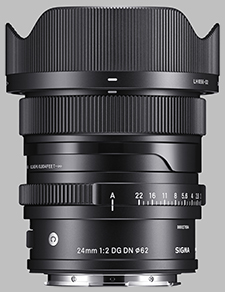
A compact 24mm f/2 wide prime with a solid metal build, stepping AF motor, and basic weather resistance, weighing about 365 g. It’s an excellent value pick for travelers who want a sharp wide-angle without the premium price of flagship glass.
- Compact
- Stylish
- Sharp
- f/2 slower than Sony’s f/1.4
- Some barrel distortion
- Focal length: 24mm
- Aperture: f/2
- Aperture blades: 9 (rounded)
- Image stabilization: No
- AF motor: Stepping motor
- Weather sealing: Yes (basic)
A compact, all-metal lens with excellent sharpness. It’s a stylish and portable travel lens for Sony shooters looking for value and performance. Although not quite as impressive as the optical performance of the Sony 24mm, the difference is barely noticeable (except in astrophotography, where the Sony has he edge). It lets in less light than the Sony, but not enough pass it by.
I’ve taken this with me on several travel and astro trips when I reviewed the lens, and while not as optically perfect as Sony’s, it’s the better performer by price.
9. Samyang 35mm f/2.8 AF (Sony E)
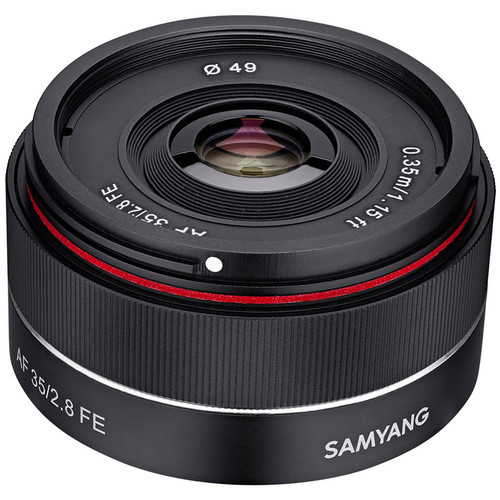
An ultra-compact “pancake” 35mm with a modest f/2.8 aperture, stepping AF motor, and a featherlight 85 g weight — no weather sealing. If you want the smallest, most discreet prime for street and travel days, this lens nearly disappears on the camera while still delivering usable optics.
- Incredibly compact
- Sharp for its size
- Affordable
- Slower f/2.8 aperture
- Less robust build
- Focal length: 35mm
- Aperture: f/2.8
- Aperture blades: 7 (rounded)
- Image stabilization: No
- AF motor: Stepping motor
- Weather sealing: No
Even smaller than the Tamron, this lens delivers constant f/2.8 performance in one of the most compact travel zooms available. It’s an excellent option for lightweight travel kits. Sigma’s known for their image quality, and this lens is no exception, and at a reasonable price. You lose a few millimeters at the wide end compared to a 24-70mm, but that’s part of what keeps the lens so small.
Telephoto Zooms
Telephoto zooms extend your reach for wildlife, sports, and distant landscape or urban landscape subjects. For travel photographers, a telephoto in the 70-200mm or 100-400mm range provides the range you need to capture everything from architectural details to safari animals without getting uncomfortably close. Sony’s E-mount system offers exceptional telephoto options, from compact 70-200mm f/4 lenses perfect for city travel to serious 200-600mm supertelephotos that rival traditional DSLR capabilities.
The key to choosing a travel telephoto is balancing reach with portability. A 70-200mm f/4 is significantly lighter than an f/2.8 version and handles most travel needs nearly identically Super-zoom lenses like the 100-400mm or 200-600mm provide incredible versatility at the cost of additional size and weight. Third-party options from Tamron and Sigma often deliver excellent optical performance at more accessible price points, making professional-grade telephoto photography available to more travelers.
Telephoto zooms let you capture distant details, wildlife, compressed landscapes, and urban scenes while traveling. They’re also great for trips that include wildlife, from the zoo to the savannah. For travel, lighter models with versatile focal lengths are preferable to heavy pro telephotos.
10. Sony FE 200-600mm f/5.6-6.3 G OSS
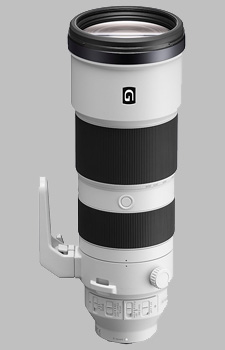
A long-reach 200–600mm zoom with Optical SteadyShot, Direct Drive SSM AF, and full weather sealing, weighing about 2.1 kg. It’s the travel telephoto for safaris and wildlife trips — heavy but balanced and stabilized for serious reach in the field.
- Huge reach
- Stabilized
- Excellent sharpness
- Large
- Slower aperture at 600mm
- Focal length: 200–600mm
- Aperture: f/5.6–6.3 variable
- Aperture blades: 11 (rounded)
- Image stabilization: Yes (Optical SteadyShot)
- AF motor: Direct Drive SSM
- Weather sealing: Yes
This is the gold standard of super telephoto zooms that won’t break the bank, or your back. I’ve recommended this to dozens of photographers. Offering one of the longest reaches in Sony’s lineup, this lens is excellent for wildlife and distant landscape photography while traveling. Despite its size, it balances well on Sony bodies and delivers sharp, stabilized images throughout the zoom range.
I’ve taken this lens on a safari in Africa and to photograph jaguars in Brazil, and the photos are exceptional. It’s also my constant companion for local trips to photograph hawks and other birds of prey. It’s not the lens you’d choose for a vacation to Disney, but if you plan to photograph anything from deer to hawks, this is the lens for you.
You take a bit of a hit when it comes to light at the 600mm, so that low-light photographs will be a bit grainy, but it’s a brilliant lens in the daytime. It also pairs nicely with Sony’s 1.4x and 2x teleconverters.
11. Sony FE 100-400mm f/4.5-5.6 GM OSS
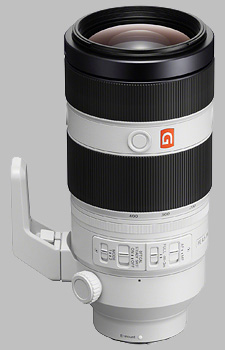
A premium 100–400mm zoom with OSS, a dual-linear + DDSSM focus system, weather sealing, and ~1.4 kg build — works well with Sony teleconverters. It’s the go-to for travelers who want pro telephoto performance in a relatively manageable package.
- Superb optics
- Stabilized
- Weather-sealed
- Expensive
- Heavier than alternatives in the 70–300mm range
- Focal length: 100–400mm
- Aperture: f/4.5–5.6 variable
- Aperture blades: 9 (rounded)
- Image stabilization: Yes (Optical SteadyShot)
- AF motor: Dual linear motor + DDSSM
- Weather sealing: Yes
A premium telephoto with excellent reach and sharpness. It’s best for travel photographers who want pro performance without compromise. This lens strikes the perfect balance between price and image quality. It’s a great alternative to the Sony 200-600mm.
This lens also works with Sony’s 1.4x and 2.0x teleconverters. Before the 200-600mm Sony was available, I used this lens with the 1.4x teleconverter to give me a bit of extra reach, although the aperture at the long end was f/6.3– the same as Sony’s 200-600mm. I think the 100-400mm is just a touch sharper than the 200-600mm, but the difference is barely noticeable, and the focus speed feels identical.
12. Tamron 70-300mm f/4.5-6.3 Di III RXD (Sony E)
A compact 70–300mm that pairs an RXD stepping motor with a lightweight ~545 g body and basic weather resistance (no OSS). It’s the budget-friendly travel telephoto that gives useful reach without weighing you down.
- Compact
- Lightweight
- Affordable
- Slower aperture
- Not as sharp as Sony GM lenses
- Focal length: 70–300mm
- Aperture: f/4.5–6.3 variable
- Aperture blades: 7 (rounded)
- Image stabilization: No (relies on IBIS)
- AF motor: RXD stepping motor
- Weather sealing: Yes (basic)
One of the smallest full-frame telephotos available, offering great reach in a tiny package. It’s a budget-friendly option that doesn’t sacrifice too much on quality. You lose light at the longer end, especially since at 300mm you get an f/6.3 aperture, while the Sony 100-400mm is only f/5.6 at 400mm.
My son shot with this lens in Africa when he was 11, and it was small enough and light enough for him to use it all day and capture amazing shots.
13. Sigma 100-400mm f/5-6.3 DG DN OS Contemporary (Sony E)
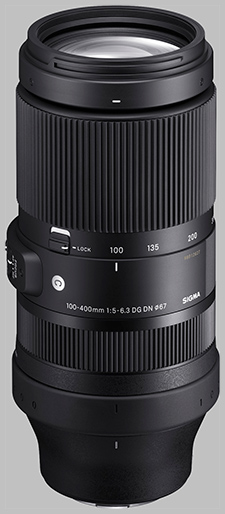
A stabilized 100–400mm zoom with Optical Stabilizer, stepping AF motor, and a reasonable 1.16 kg weight — weather-sealed for travel use. It’s a great compromise for shooters who want true 400mm reach and good stabilization without flagship cost or bulk.
- Affordable
- Stabilized
- Solid image quality
- Slower aperture
- Not as sharp as GM
- Focal length: 100–400mm
- Aperture: f/5–6.3 variable
- Aperture blades: 9 (rounded)
- Image stabilization: Yes (Optical Stabilizer)
- AF motor: Stepping motor
- Weather sealing: Yes (basic)
I think this is an excellent, affordable alternative to Sony’s much, much more expensive 100–400mm GM telephoto, offering excellent stabilization and reach. It’s great for travel when you want 400mm without the bulk. The aperture range is the same as Sony’s, but the build quality isn’t as “professional.” If you plan to occasionally shoot wildlife or sports, this is an excellent choice because it’s around half the price of the Sony 100-400 GM, and gives you about 80 percent of the performance.
14. Tamron 28-200mm f/2.8-5.6 Di III RXD
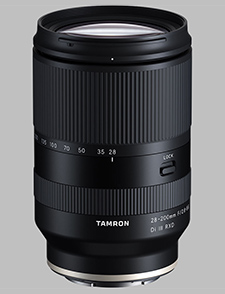
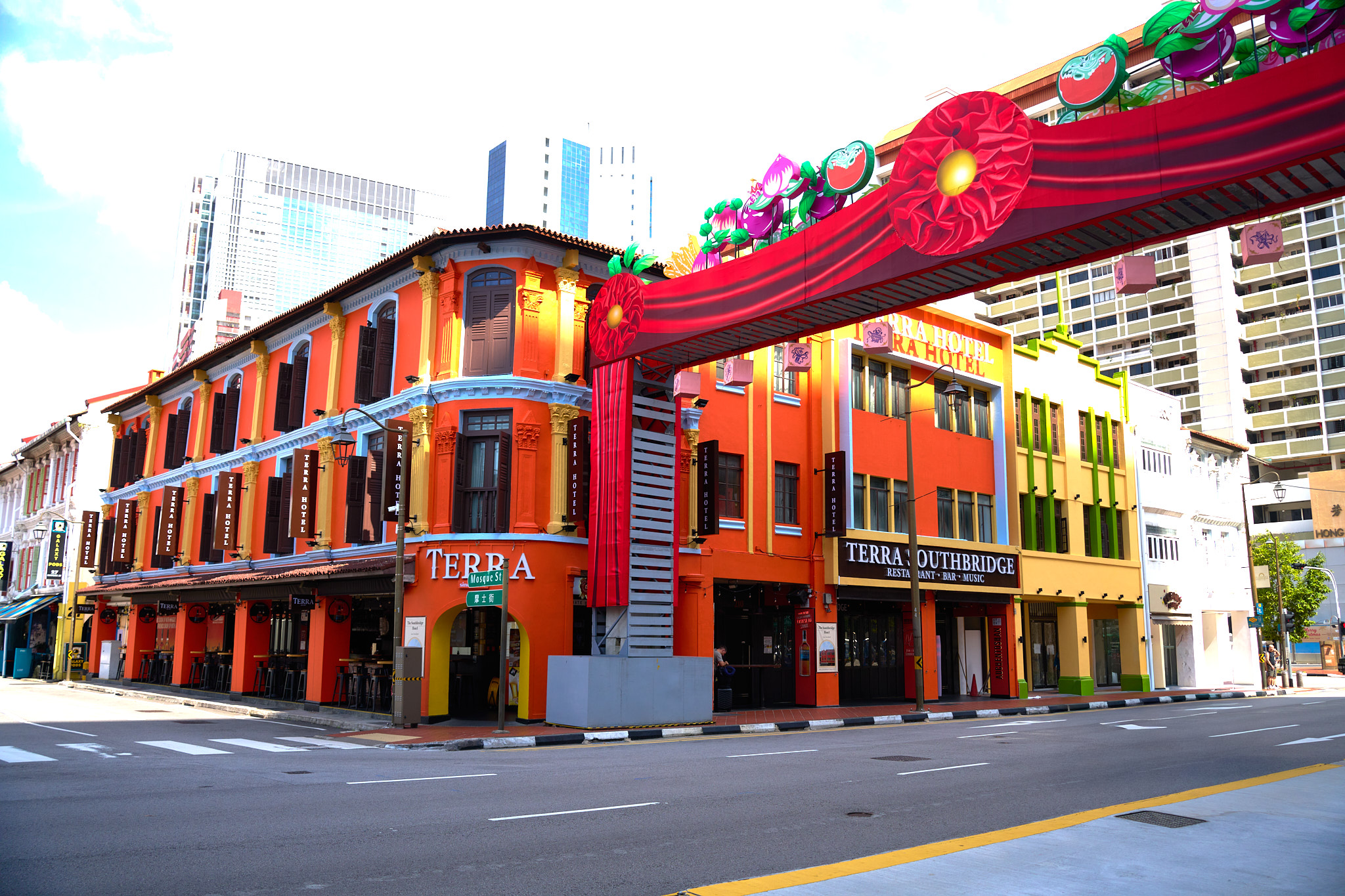
I spent a bit more than a week in Singapore with this as my only lens, and it quickly became my favorite travel lens. This is the first zoom of this focal length with an f/2.8 aperture at the wide end. The images are sharp, color reproduction is excellent, and the wide reach gives you options when you go from photographing food stalls to architecture on distant buildings. As a lens with a $500 price, it’s not the fastest autofocusing lens I’ve used, but for the price, it’s a great performer. It doesn’t have the reach of Tamron’s 70-300, but with the wide focal length range, this is a lens that’s better than it has a right to be at this price.
Common Travel Lens Questions
How many lenses should I bring when traveling?
Less is almost always more. Most travelers do best with a single versatile zoom lens that covers wide to medium telephoto ranges, with maybe a compact prime as a backup. Bringing more lenses means more weight, more decisions, and more time swapping glass instead of shooting. Consider your trip type.. Street photography needs fewer lenses than a safari. In fact, if you’re going on safari, bring more lenses. You’ll spend more time in a vehicle than walking, and you simply can’t take another shot of a lion pouncing on a gazelle if you miss it.
Should I prioritize weight or versatility in travel lenses?
This depends on your travel style and luggage constraints. If you’re hiking extensively or have back issues, prioritize weight. A single versatile zoom beats carrying three lenses you’re too tired to use. For city travel with easy camera access, versatility wins since you’re not carrying gear for miles. Some modern zooms offer excellent options, delivering both reasonable weight and extensive focal length coverage. Consider your typical shooting day to determine which matters more.
How important is image stabilization for travel photography?
For travel, stabilization is extremely valuable, especially in low light situations where you can’t use a tripod. All modern Sony full-frame cameras include excellent in-body image stabilization, which works with any lens but performs best with newer lenses that communicate with the camera body. Some lenses add their own optical stabilization for even steadier results. However, many newer premium lenses rely entirely on the camera’s stabilization system and deliver excellent results.
Can I learn how to use new focal lengths while traveling, or should I stick with what I know?
Travel is actually an excellent time to expand your skills, but bring one familiar lens as a safety net. If you normally shoot standard focal lengths, try adding an ultra-wide lens for dramatic landscapes. The new perspectives will push your creativity, and travel subjects are forgiving while you learn. That Roman ruin isn’t going anywhere. However, don’t experiment with completely unfamiliar focal lengths during once-in-a-lifetime moments—that family reunion by Loch Ness in Scotland isn’t the time to figure out wildlife telephoto techniques.
Should I buy weather-sealed lenses for travel?
Weather sealing provides peace of mind when traveling, especially in unpredictable climates or near water. Premium lenses typically include robust weather sealing that can handle light rain and dusty conditions. However, weather sealing only works if your camera body is also sealed, and you still need to exercise common sense—no lens is waterproof. For destination travel where you can’t easily replace damaged gear, weather sealing is worth the investment. Budget-oriented lenses often skip weather sealing to reduce costs.
Are third-party lenses as good as Sony native lenses?
Third-party lenses from major manufacturers offer excellent value and often match or exceed Sony’s optical performance at lower price points. Many deliver exceptional sharpness and provide focal length options unavailable in Sony’s native lineup. However, Sony’s premium lenses typically offer superior weather sealing, faster autofocus, and better integration with advanced camera features. For critical travel work, Sony’s premium lenses justify their cost, but third-party options are excellent for budget-conscious travelers.
What focal length is most useful for travel photography?
The standard zoom range (roughly 24-70mm) is the most versatile for general travel, handling everything from architecture to portraits. However, ultra-wide lenses transform landscape photography, while telephotos are essential for wildlife and distant subjects. Your ideal focal length depends on your travel style—street photographers thrive with moderate wide-angle or normal focal lengths, while safari travelers need significant telephoto reach. Most photographers build around a standard zoom and add specialty lenses based on trip requirements.
Final Word
The perfect travel lens depends on the type of trip you’re planning. For many people, a lens in the 24-70mm range is the right choice for any scenario that pops up. Think carefully about your priorities when travelling. Are you going to see more landscapes or more wildlife, more urban scenes or do you want to take portraits.
If you’d like inspiration for your travel photography, check out our archive of travel photography articles.