Up Close With the Nikon NIKKOR Z DX MC 35mm f/1.7 – Hands On Review


Table of Contents
 Not Quite a Macro, But Close Enough for DX
Nikon’s first macro lens for its DX-format Z-mount cameras fills a gap that’s been sorely missing from the lineup. The NIKKOR Z DX MC 35mm f/1.7 isn’t a true 1:1 macro lens in the traditional sense, but for APS-C shooters looking to explore close-up photography without spending a fortune, it’s remarkably capable. With an equivalent focal length of about 52.5mm on DX bodies, it doubles as a decent portrait lens and general-purpose prime, making it a versatile addition to any Z50, Z50 II, Zfc, or Z30 kit.

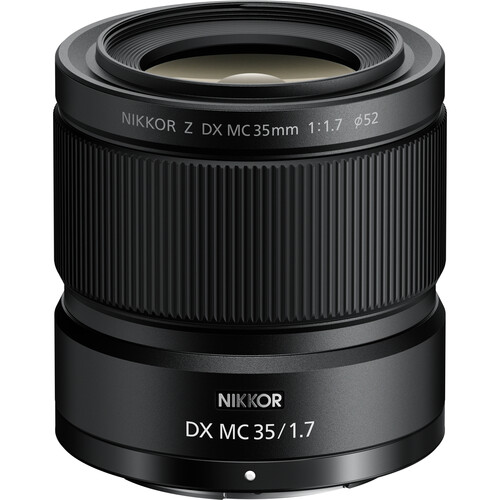
Nikon’s first macro lens for their DX-format Z-mount cameras fills a gap that’s been sorely missing from the lineup. The NIKKOR Z DX MC 35mm f/1.7 isn’t a true 1:1 macro lens in the traditional sense, but for APS-C shooters looking to explore close-up photography without spending a fortune, it’s remarkably capable. With an equivalent focal length of about 52.5mm on DX bodies, it doubles as a decent portrait lens and general-purpose prime, making it a versatile addition to any Z50, Z50 II, Zfc, or Z30 kit.
- Impressive 0.67x magnification delivers near-macro performance on DX sensors.
- Fast f/1.7 aperture is excellent for low light and shallow depth of field.
- Sharp image quality, especially in macro mode
- Lightweight and compact at just 220g
- The metal lens mount shows improved build quality.
- Affordable at under $500
- Quiet, fast autofocus with stepping motor
- Well-balanced on Z50 II and other DX bodies
- No optical image stabilization (and no DX bodies have IBIS)
- Not a true 1:1 macro lens despite marketing claims
- Noticeable vignetting at f/1.7
- Prone to flare with bright light sources
- No lens hood included (sold separately for $40)
- Slightly long for an everyday walk-around lens
- Effective aperture reduces to f/3.2 at the minimum focus distance.
Not Quite a Macro, But Close Enough for DX
Nikon calls this a “Macro” lens and claims it achieves “life-size equivalent” magnification. That’s marketing speak, and while I love this lens, I think it’s misleading to call it a macro lens. It maxes out at 0.67x magnification, not the 1:1 ratio that defines a true macro lens. That said, most close-up lenses are marketed as being macro lenses when they’re technically not. I think that’s probably because “close-up” doesn’t have the same sophisticated sound as “macro.”
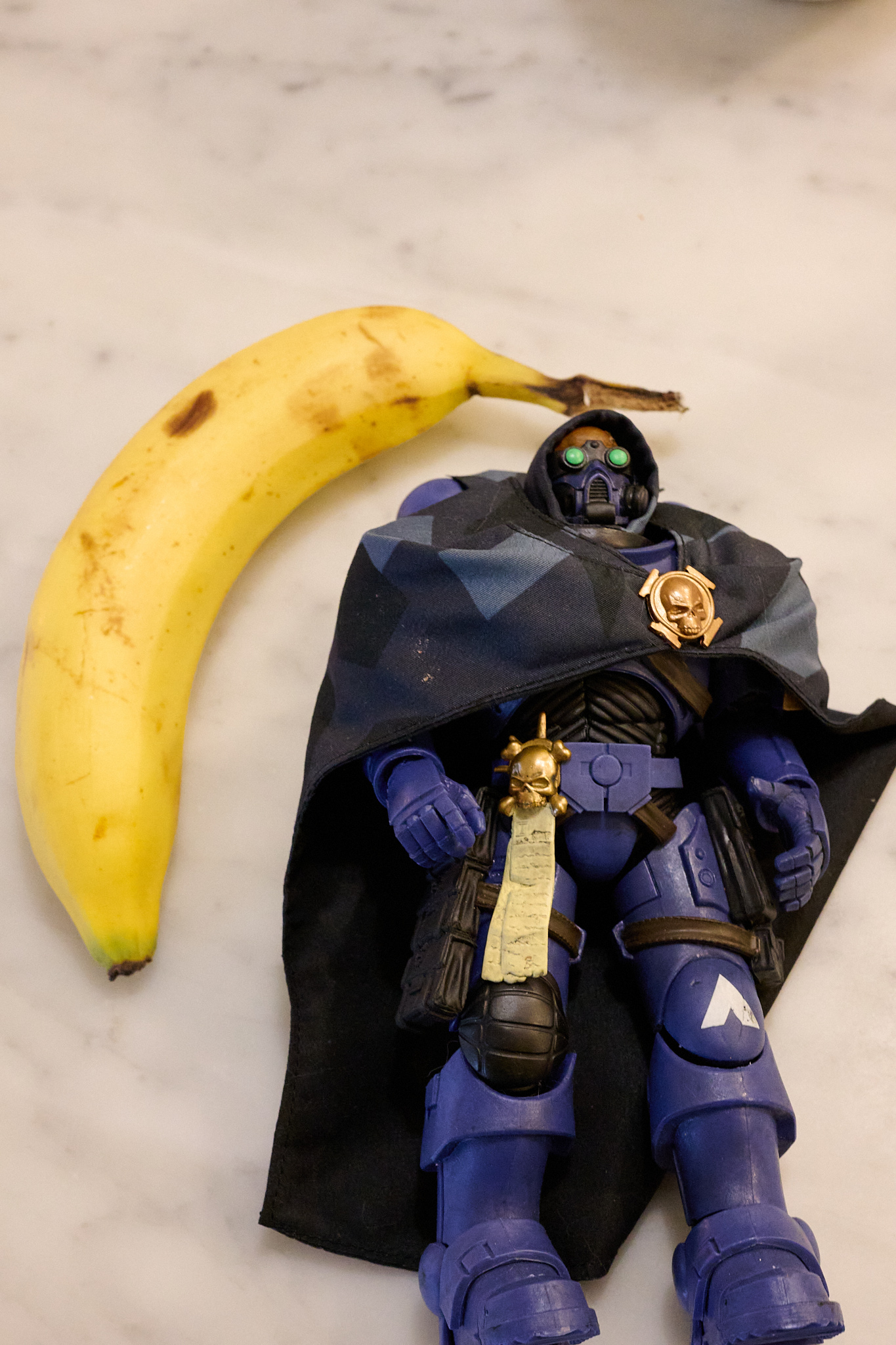
For APS-C shooters, this distinction matters less in practice than it does on spec sheets. When you factor in the 1.5x crop factor of DX sensors, the framing you get at 0.67x magnification is close enough to what you’d see shooting 1:1 on a full-frame camera with a 50mm macro. The minimum focus distance of just 6.3 inches (0.16m) lets you get remarkably close to your subject, with only about 2.8 inches of working distance from the front element.

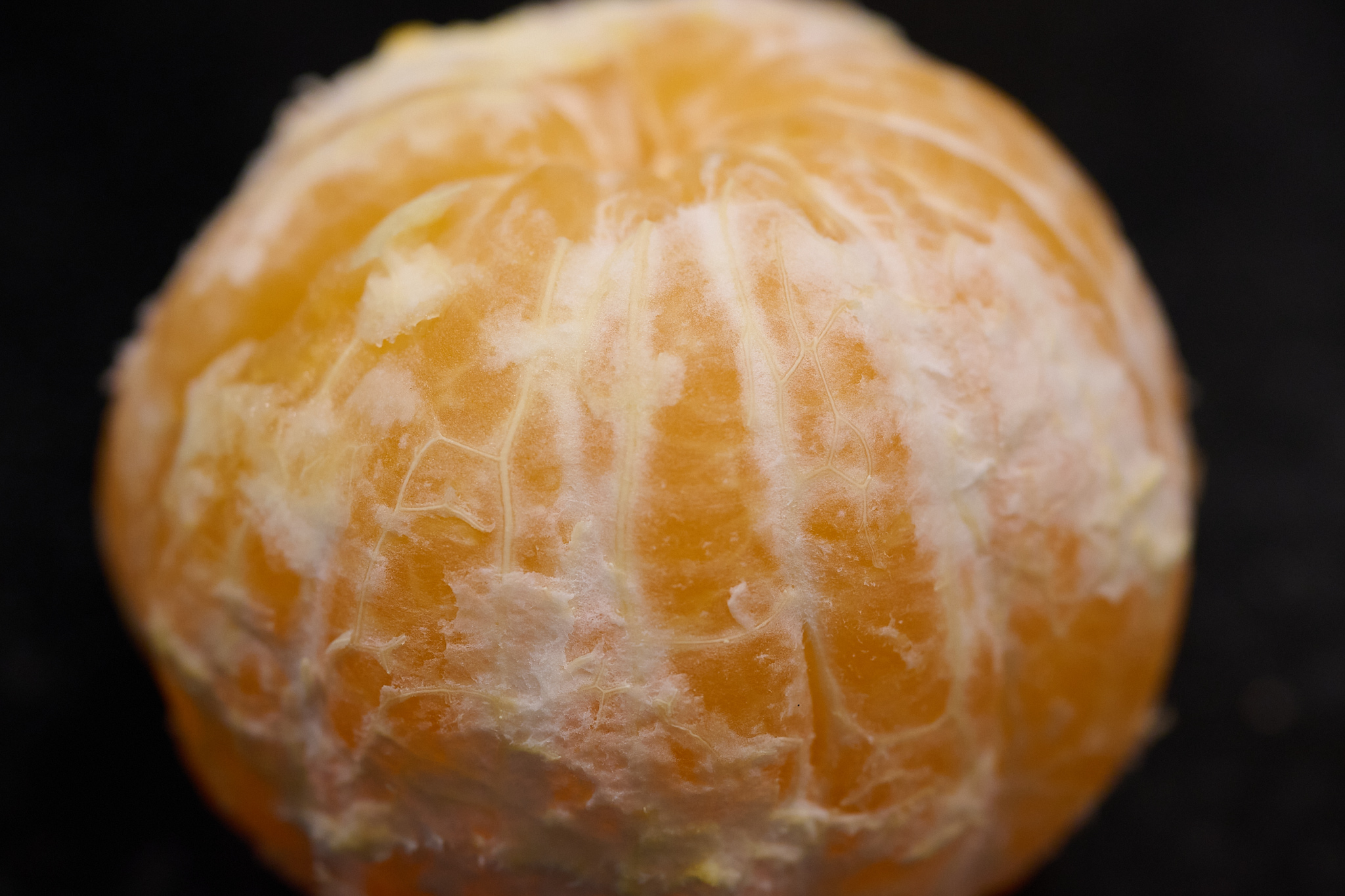
For most of the review, I will often refer to this as a “macro” lens interchangeably with “close up.” To be clear, when I call it a macro lens, it’s in the marketing sense of the word.
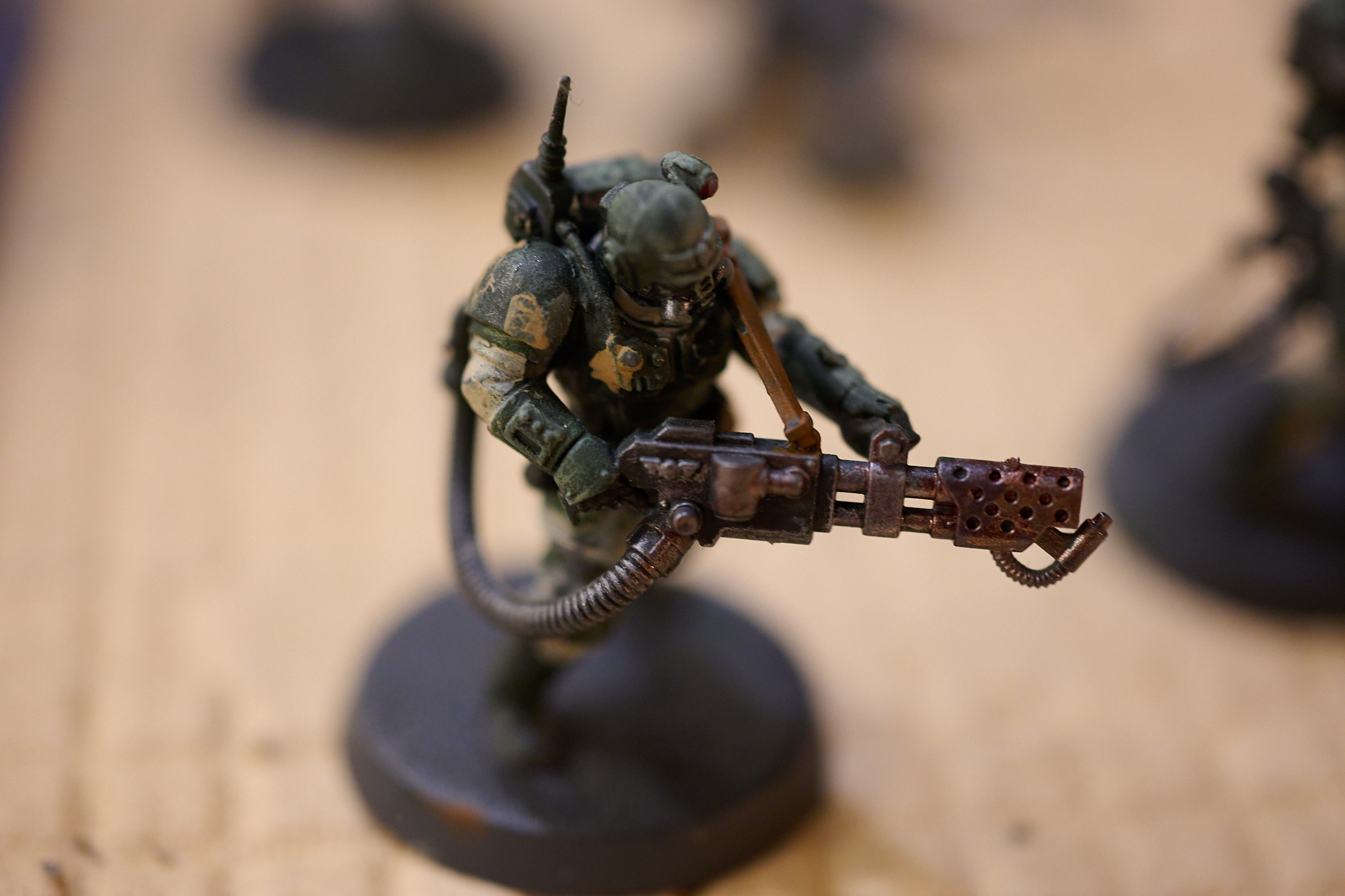
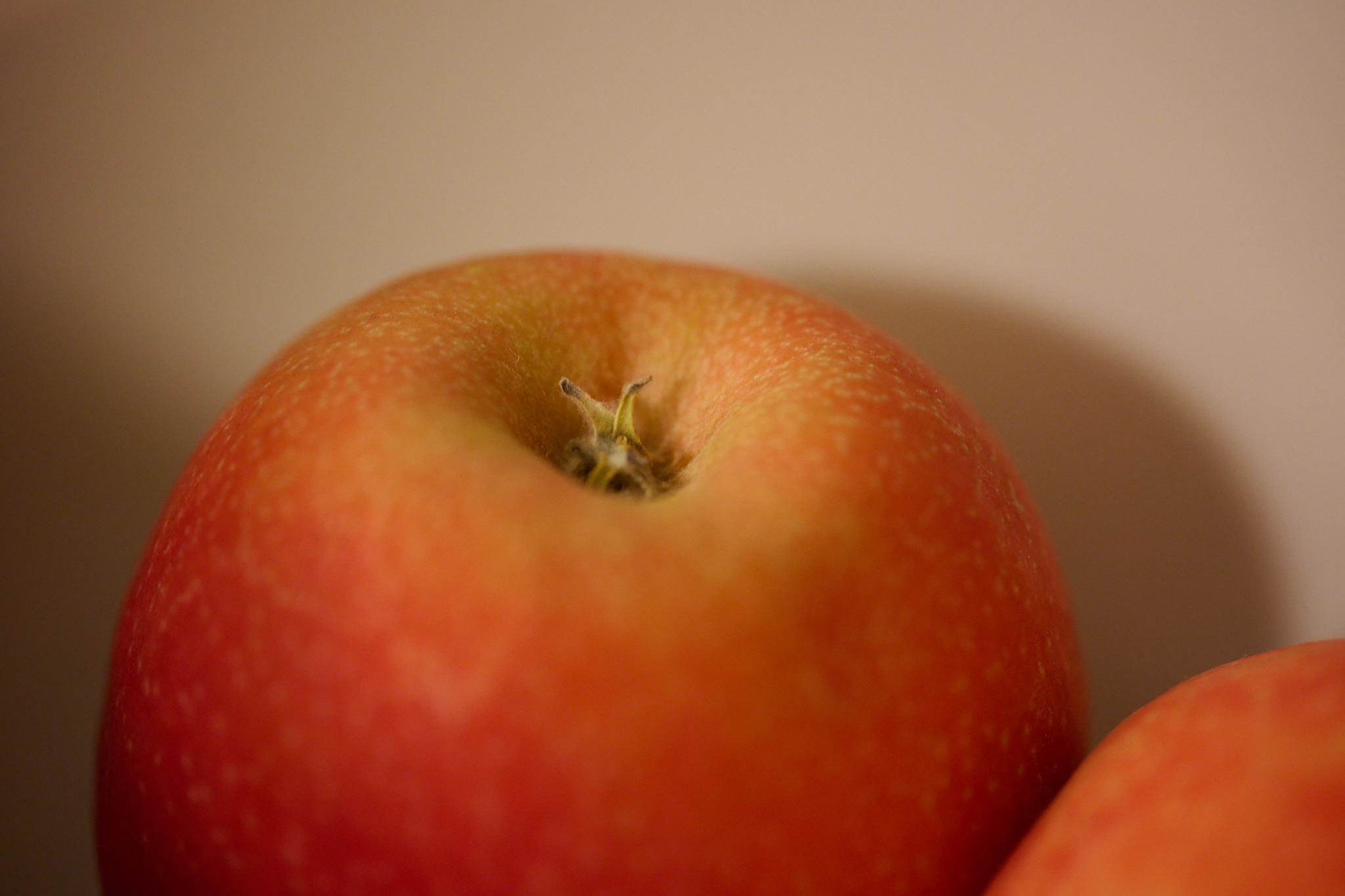
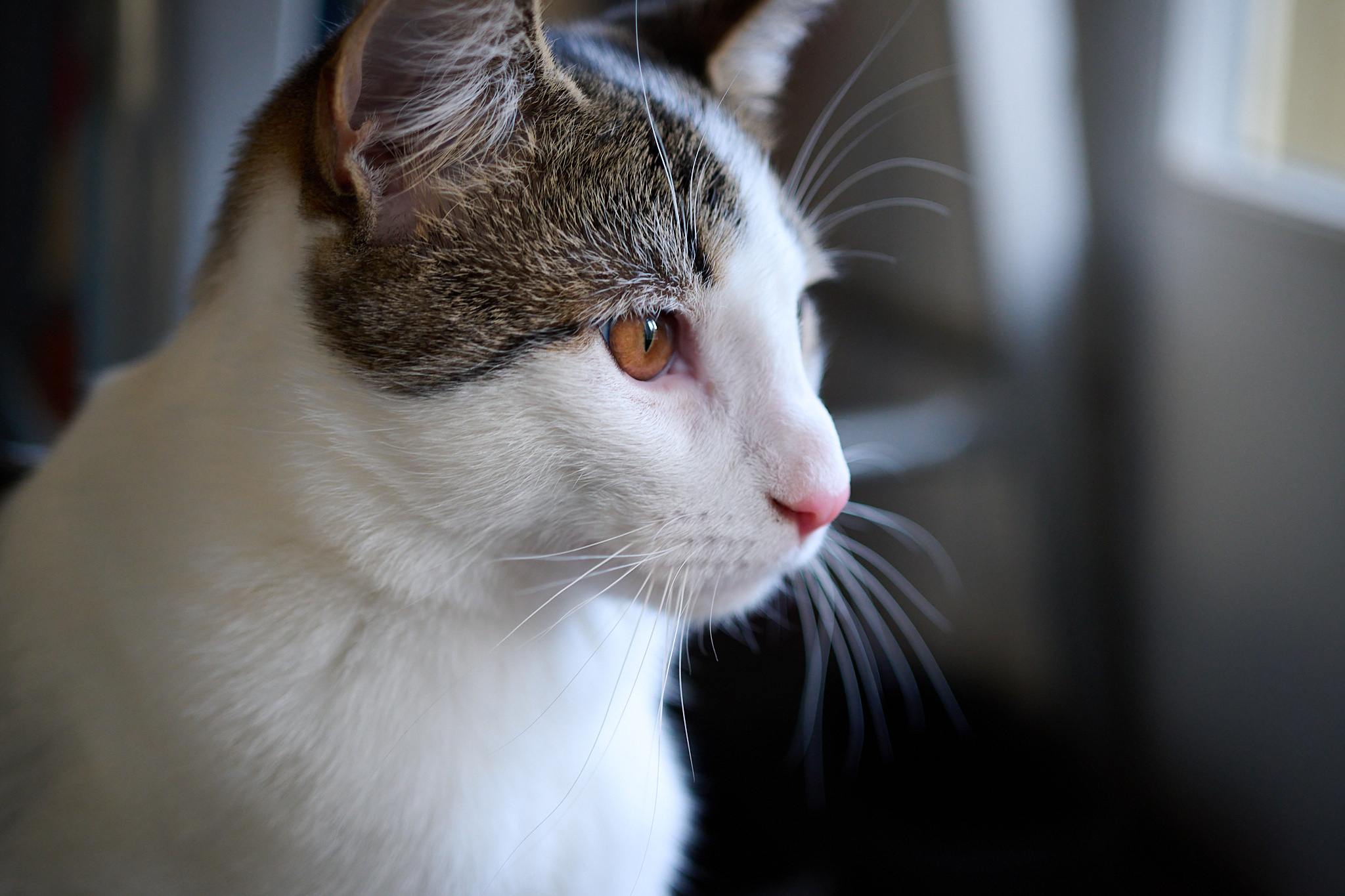
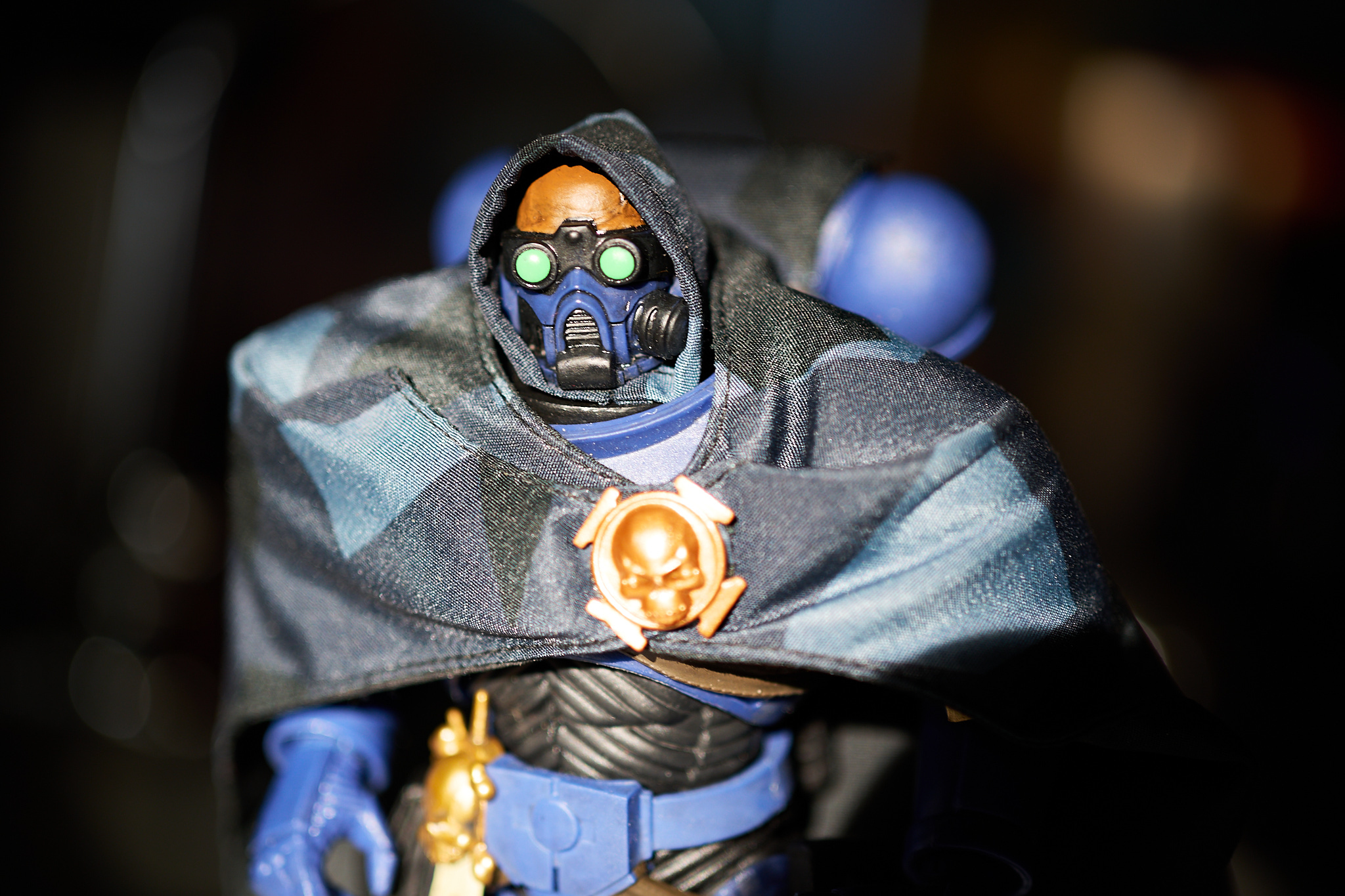
Detail rendering in macro mode is sharp. In my tests with flowers and small objects, the lens captured fine textures cleanly without excessive softness or chromatic aberration. There is vignetting on this lens, though that’s far less important when shooting close up than when shooting portraits.
Built for the Enthusiast Shooter
Many APS-C shooters are at the enthusiast level, either stepping up from smartphone photography or exploring a brand without the investment of a full-frame system.
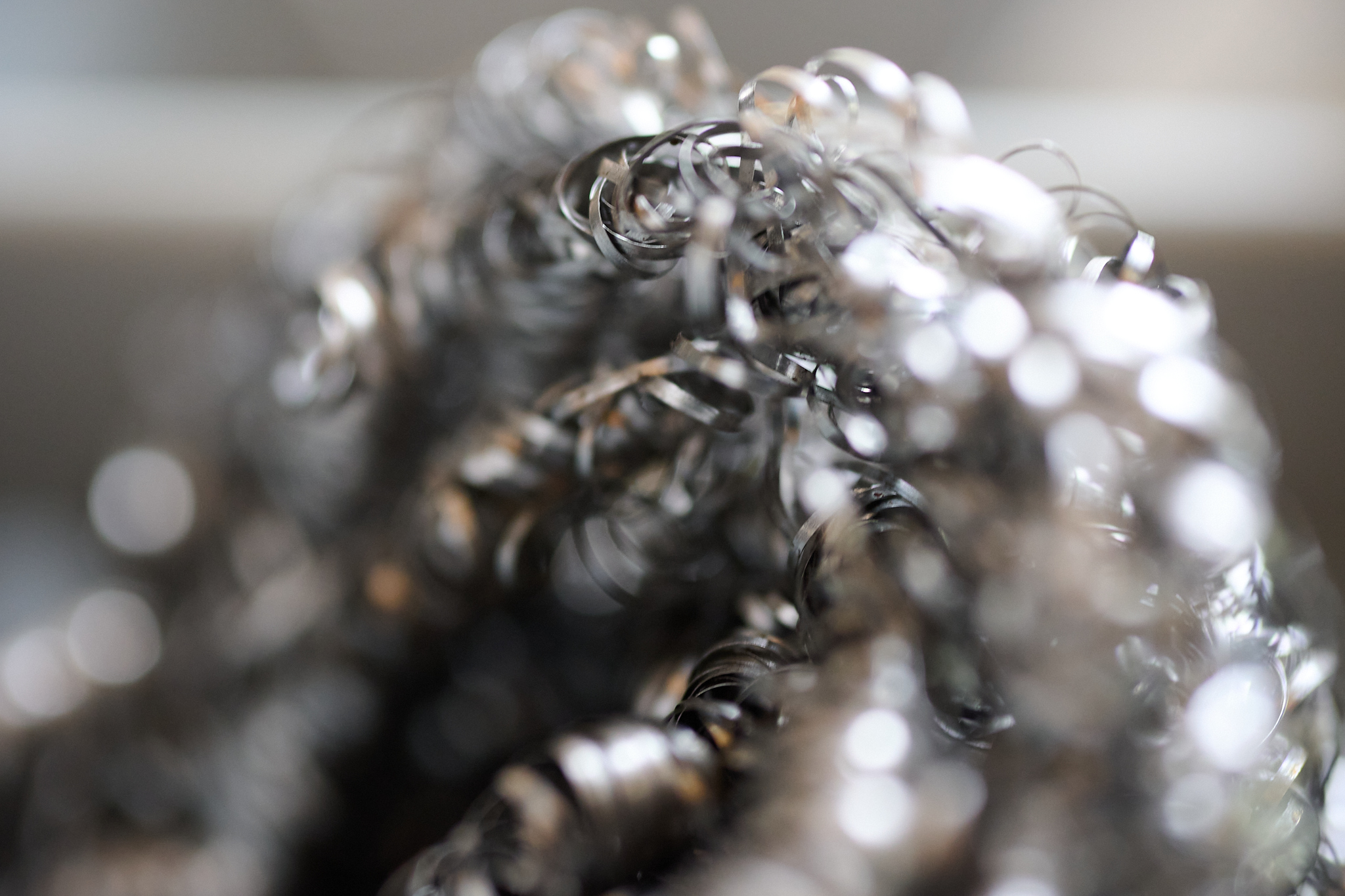


The build quality is a step up from many APS-C lenses. The lens features a metal mount, unlike the plastic mounts found on some Z DX lenses like the 24mm f/1.7.
The barrel is plastic and doesn’t feel as durable as a metal barrel, but this design choice keeps the overall weight down to just 220 grams (7.6 ounces). That makes it one of the lightest lenses in the Z system, and it balances nicely on the Z50 II. The compact 2.8-inch length never felt front-heavy to me on our test Nikon Z50 II.
The stepping motor autofocus is fast, quiet, and accurate, so it would make a good video lens as well. (I’ve used it in several B-Roll and A-Roll shoots for the Imaging Resource YouTube channel.
The Image Stabilization Problem
This lens has no optical image stabilization, and none of Nikon’s current DX-format Z cameras feature in-body stabilization either. That’s a significant limitation, especially for macro work where even tiny movements can ruin sharpness.
The f/1.7 aperture does enable relatively fast shutter speeds in good light, but macro photography often requires stopping down to f/5.6 or f/8 (in full frame equivalent) to get smooth depth of field. At those apertures, you’re going to struggle with camera shake unless you’re shooting in bright conditions or using a tripod. When I shoot insects outside, I’m almost always handholding, but while shooting indoors, I have the camera on a tripod, or I’m using studio lights to brighten the scene enough to handhold.
The lack of image stabilization reminds me how much I wish Nikon would offer an APS-C camera with their Vibration Reduction IBIS system. Perhaps it doesn’t offer VR in the APS-C format to keep the size or price down, but the Fujifilm system is comprised entirely of APS-C bodies, and they have excellent image stabilization systems.
Image Quality: Sharp Where It Counts
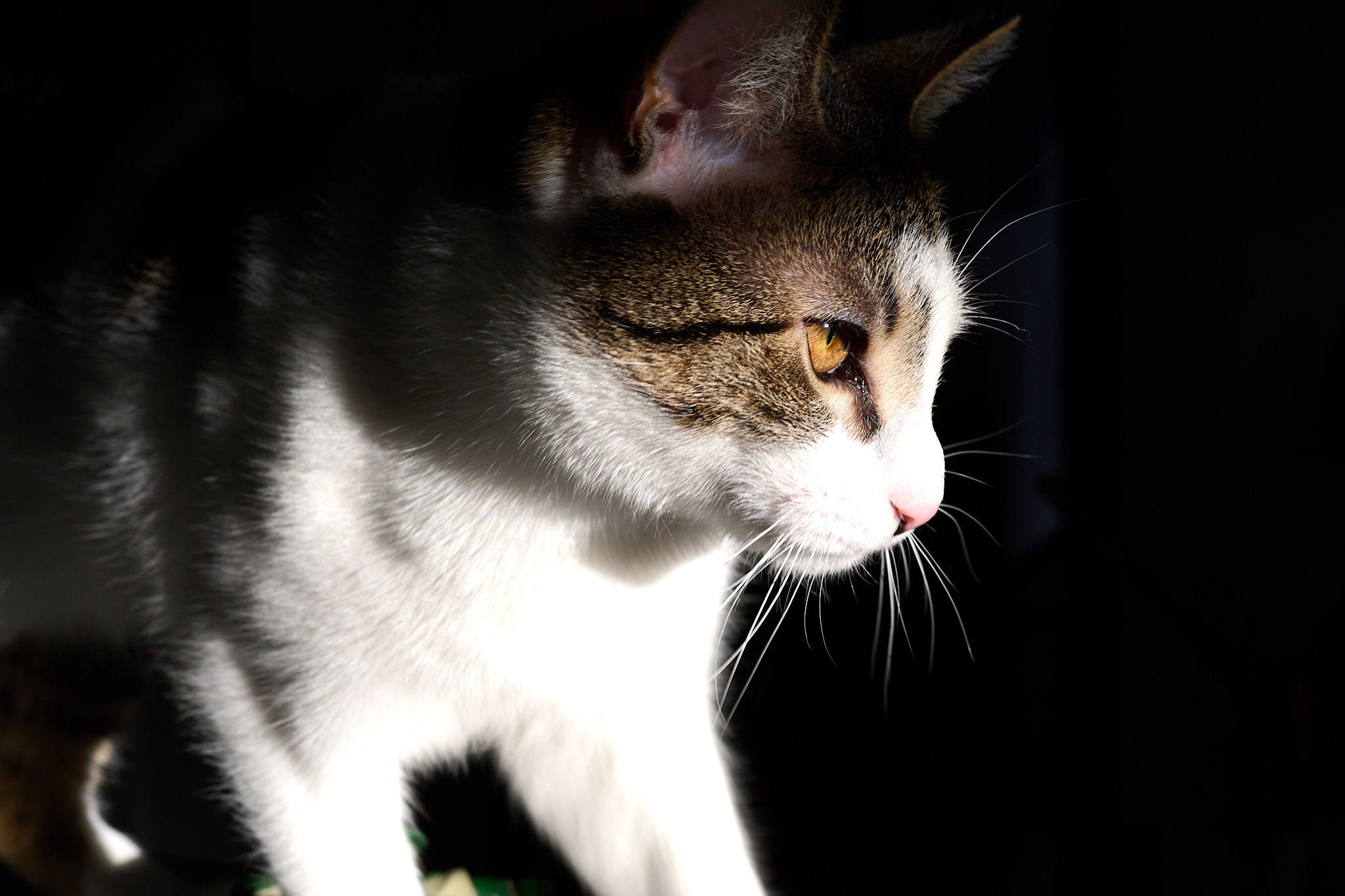
The lens is sharp in the center, wide open at f/1.7, though there is some vignetting and some softness at the corners. As with most lenses, especially enthusiast-level lenses, sharpness increases as you stop down.
That’s mostly an issue for portrait photography, where the effective APS-C aperture crop gives you the equivalent of f/2.5, so stopping down for sharper images with less aberration ends up looking more like a f/4 lens. As a note, this crop only applies to the separation between the sharp and defocused parts of an image.
An aperture of f/1.7 on APS-C lets in the same amount of light as on full frame, so even though the look is different, both full frame and APS-C can be shot in the same lighting conditions for the same equivalent ISO. As a result, the f/1.7 aperture lets in a tremendous amount of light, so you can use this lens at low ISOs where even f/2.8 would start to introduce noise.
Many 50mm lenses used for portrait work in full frame are f/1.4 or f/1.8 (even f/1.2 on some pro-level lenses) to get a quick falloff in sharpness from subject to background. By f/2.8, you need careful placement of your subject to make sure they’re far enough from the background to isolate their faces.
But for the target user, that’s probably a distinction that doesn’t matter. With the 20 megapixel sensor, there’s room to crop the edges without losing too much resolution to print. Not that anyone prints anymore, but if you do, see our review of the Canon Pixma imagePROGRAF PRO 1100. And even with some vignetting at the corners and a slight lack of sharpness, the lens still produces images
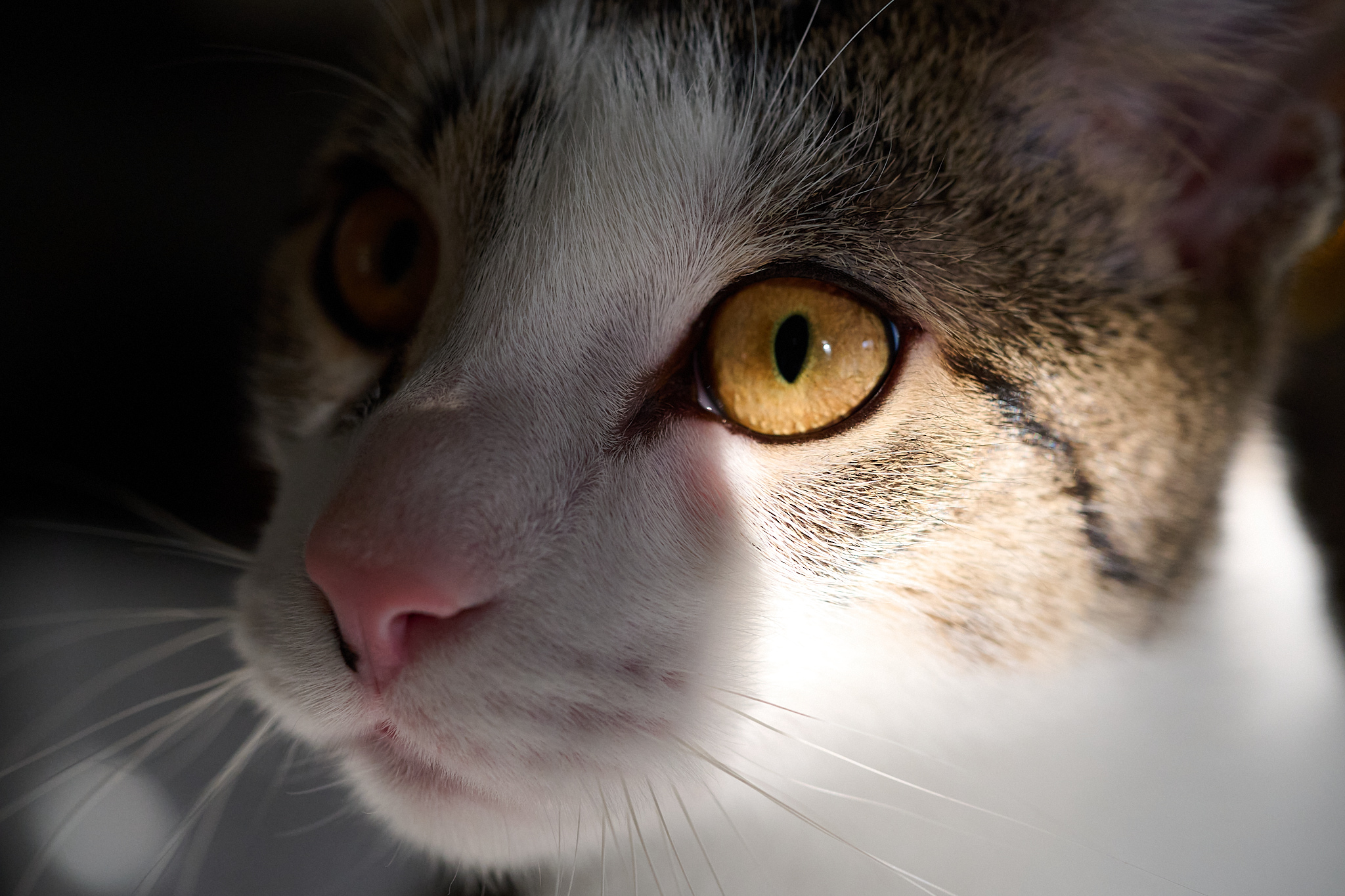

The nine-blade aperture produces nice-looking bokeh, though not on par with a more expensive portrait lens on either APS-C or full-frame systems. Some reviewers have noted the background defocus is not smooth enough with busy backgrounds, but there is again that aperture crop, and I didn’t find anything egregious in testing.
Flare control is adequate for typical macro shooting, but if you point the lens toward bright light sources, there can be significant falloff. This is more of an issue when using the lens for portraits or everyday shooting than for macro work, and it’s by no means a deal breaker, but it’s something to be aware of.
The lack of an included lens hood doesn’t help here, and I’d recommend budgeting an extra $40 for Nikon’s optional HN-43 hood if you plan to shoot in challenging lighting conditions. The typical macro shooter doesn’t have a need for a hood, as it will get in the way of short-distance macro work. For portrait use, especially on a lens that is prone to flaring, the hood would be nice, and I dislike that the hood is $40.

Final Thoughts
For the target customer, I think this is a superb lens. It has shortcomings, as do all “affordable” lenses, but to the person most likely to use this lens, it’s a solid choice. It’s not as good for macro work as a true macro, but that seems like a distinction that’s unimportant for the level of magnification the lens has. Whether you call it macro or close-up work, the results are excellent.
It is not without tradeoffs, as is the case with any lens at this price, and is the case with any enthusiast-level gear. But APS-C has its own tradeoffs for the small, affordable bodies that it enables. This lens is a good companion for someone sold on the APS-C format.
Should you buy this lens?
If you’re looking for a “macro” lens in Nikon’s DX format, this is your choice. Your only choice. If close-up work is important to you, this lens is a no-brainer.
It’s also a good portrait lens, so for the price of one lens, you get what you otherwise would need two lenses for. That makes the $500 price tag especially budget-minded.
The lack of image stabilization is a genuine limitation that you’ll need to work around, particularly for handheld macro work. But if you’re willing to use good shooting technique, higher ISOs when needed, or a tripod for the sharpest images, the optical quality and versatility make this lens a solid value.