
FCC Adds DJI and Other Foreign Drones to Covered List, Effectively Banning New Imports


Table of Contents
 Foreign-Made Drones Added to the FCC’s Covered List
Drones already at retailers are not subject to the ban. For drone users, this is the last chance to pick up drones for work, hobbies, or racing. Read our full coverage of the ban and its implications here.
Get DJI Products That Are Still Legal To Purchase
Visit the Amazon DJI Store
Visit the B&H DJI Store page
The United States has taken its most decisive step yet against foreign-made consumer drones. The Federal Communications Commission (FCC) has officially moved to add DJI and other non-U.S. drone manufacturers to its Covered List, effectively banning the import of new DJI drones and critical drone components into the country. The decision marks a major escalation in the government’s supposed long-running concerns over drone security and supply chain control, and it has immediate implications for both hobbyists and professional drone operators across the U.S.
Foreign-Made Drones Added to the FCC’s Covered List
In a press release, the FCC said that foreign unmanned aircraft systems (UAS) and their critical components would now be included on the Covered List, a designation that blocks products from being legally imported into the United States. According to the agency, the move is intended to “greatly enhance public safety and innovation.” The FCC stated that drones produced abroad pose “unacceptable risks to the national security of the United States and to the safety and security of U.S. persons.” Once a product is placed on the Covered List, it is effectively banned from entering the U.S. market.
Update: The U.S. Government has just finalized its ban on new DJI drones entering the country. Drones already at retailers are not subject to the ban. For drone users, this is the last chance to pick up drones for work, hobbies, or racing. Read our full coverage of the ban and its implications here.
Executive Orders and the NDAA Set the Stage
The FCC’s action aligns with President Donald Trump’s Restoring American Airspace Sovereignty executive order, issued in June, as well as the more recent Unleashing American Drone Dominance directive. Together, these measures aim to reduce reliance on foreign drone technology and bolster domestic manufacturing. DJI drones were also covered under the FY25 National Defense Authorization Act (NDAA), which mandated a federal “risk assessment” audit to be completed by December 23, 2025. That audit, however, never materialized—despite DJI publicly urging senior U.S. security officials to initiate the required review. With the deadline passing and no audit underway, the FCC’s move to add foreign-made drones to the Covered List appears to have been the default outcome written into the law.
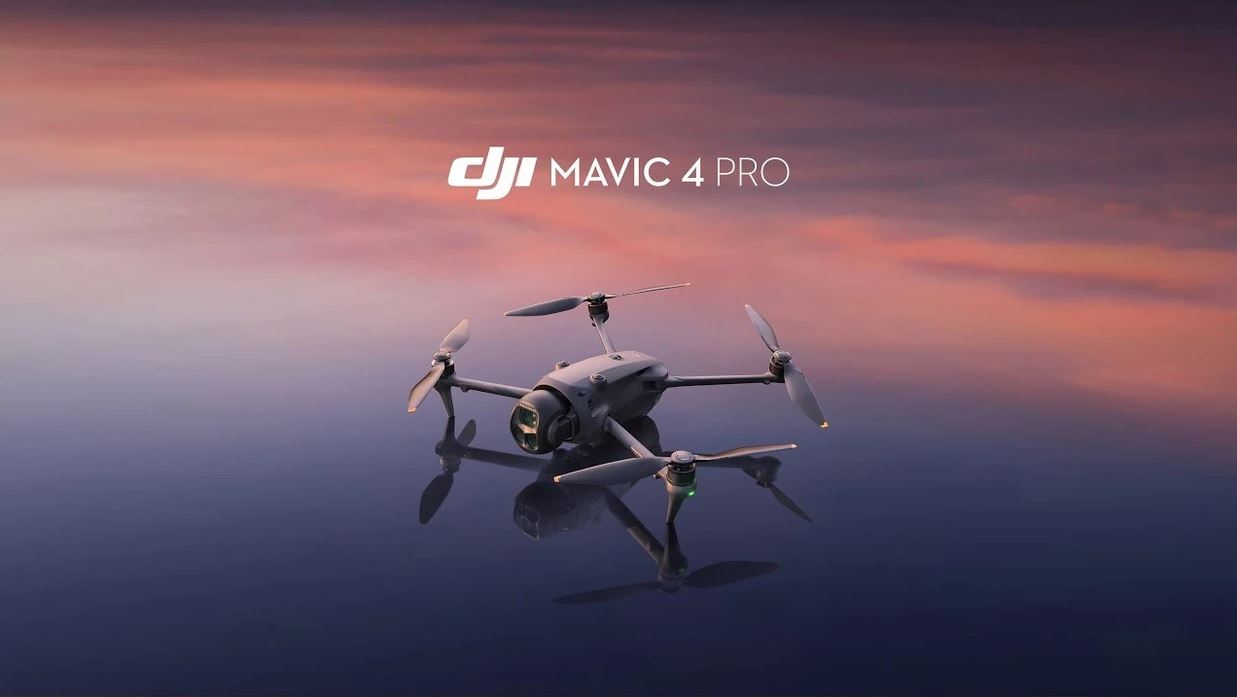
DJI drones are still available on Amazon despite the FCC ban.
FCC Cites National Security Determination
According to the FCC, it received instructions on December 21 following a review by an Executive Branch interagency body convened by the White House. That review concluded that foreign-made drones and their components pose unacceptable risks and should therefore be added to the Covered List. FCC Chairman Brendan Carr welcomed the decision, saying it would help protect national security while supporting U.S. drone manufacturers. “I welcome this Executive Branch national security determination,” Carr said. “Following President Trump’s leadership, the FCC will work closely with U.S. drone makers to unleash American drone dominance.”
A Ban That Was Likely Inevitable
Because the mandated NDAA security audit was never initiated, DJI and other manufacturers were never given the opportunity to formally pass or fail the review process. DJI has long maintained that it would withstand scrutiny, citing previous evaluations by U.S. agencies and independent firms. In that context, the ban now looks less like a sudden policy shift and more like a foregone conclusion once the deadline passed without action.
DJI Responds to the FCC Decision
DJI issued a statement to PetaPixel responding to the FCC’s announcement, expressing disappointment with the outcome and frustration over the lack of transparency. The company said it was not singled out directly, but noted that no information has been released about what data or evidence was used by the Executive Branch to reach its determination. DJI reiterated that its products have undergone years of security reviews by U.S. government agencies and independent third parties, and argued that data security concerns are not supported by evidence. DJI also emphasized that existing customers will not be affected. Drones already in the U.S. can continue to be sold and operated as usual, and the FCC has indicated that future products could potentially be cleared if the Department of Defense or the Department of Homeland Security determines they do not pose a risk. The company said it remains committed to the U.S. market and thanked users who spoke up about how DJI technology supports their work and communities.
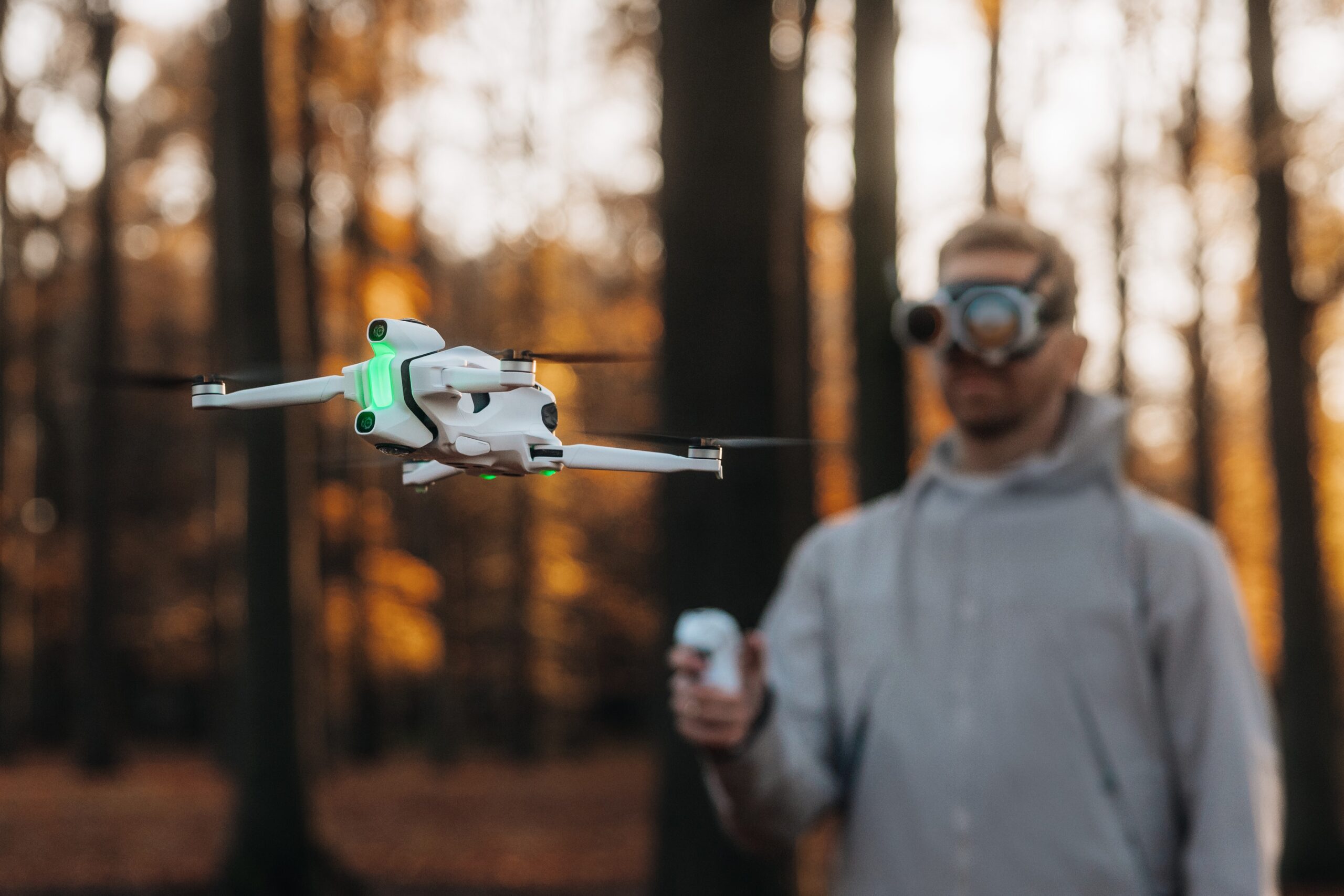
Antigravity A1 360-drone.
What This Means for U.S. Drone Users
For the average consumer, the FCC’s decision means that new DJI drones—and those from other foreign manufacturers such as Autel and Antigravity—will no longer be legally imported into the U.S. That sharply limits options for both professionals and hobbyists. At the time of writing, DJI drones are still available through some retailers, including Amazon, but that may not last long. The announcement could trigger a rush to buy remaining stock, followed by a surge in second-hand sales and gray-market imports. The ban also raises a practical issue: U.S.-made drones capable of matching DJI’s performance, reliability, and pricing do not currently exist at scale. While domestic manufacturers are active in industrial and government sectors, consumer-friendly alternatives with comparable technology remain limited and often far more expensive. For now, the result is a market with fewer choices, higher prices, and significant uncertainty—especially for creators and professionals who have built their workflows around DJI’s ecosystem.