Digging into the LensRentals Most Rented Photo and Video Gear of 2025

Table of Contents
 Canon
Canon While it’s not exactly scientific, you can tell a lot about the photo and video industry by what products are being rented by photographers and videographers. LensRentals.com is “the largest online rental provider for photography, videography, and lighting equipment and accessories in the United States,” and every year it releases a summary of rental data as a sort of state-of-the-industry, the Most Rented Photo and Video Gear of 2025
People renting gear are, by definition, not owners of that gear, and it’s impossible to tell what pieces are being used to evaluate equipment (or play with something new) and what pieces are supplements for studio tools. Enthusiasts often rent gear for an important trip or to pick up a job on their way to being a full-time pro. Pros meanwhile pick up gear to test new technology.
But it’s still interesting to look at the year-end summary of gear loans for a snapshot-style look at the photo and video market in 2025. LensRentals’ Zach Sutton compiled and shared the list, and his blog post provides more granular details on lighting gear, memory cards, and other accessories. You can read his thoughts about it on the LensRentals blog.
Most Rented Photo and Video Gear of 2025
LensRentals’ first stats are my favorite, it’s the overall top-twenty products by number of rentals. This is a fun list, but it might not be the clearest picture of the overall state of the market. Since this doesn’t break products down by groups, it’s going to be skewed in a few ways. First, I’d suspect lenses have more rentals than cameras do, simply because someone with a camera can rent several lenses, while someone with several lenses is less likely to rent a camera to go with them.
Here is the top rented gear, by the numbers.
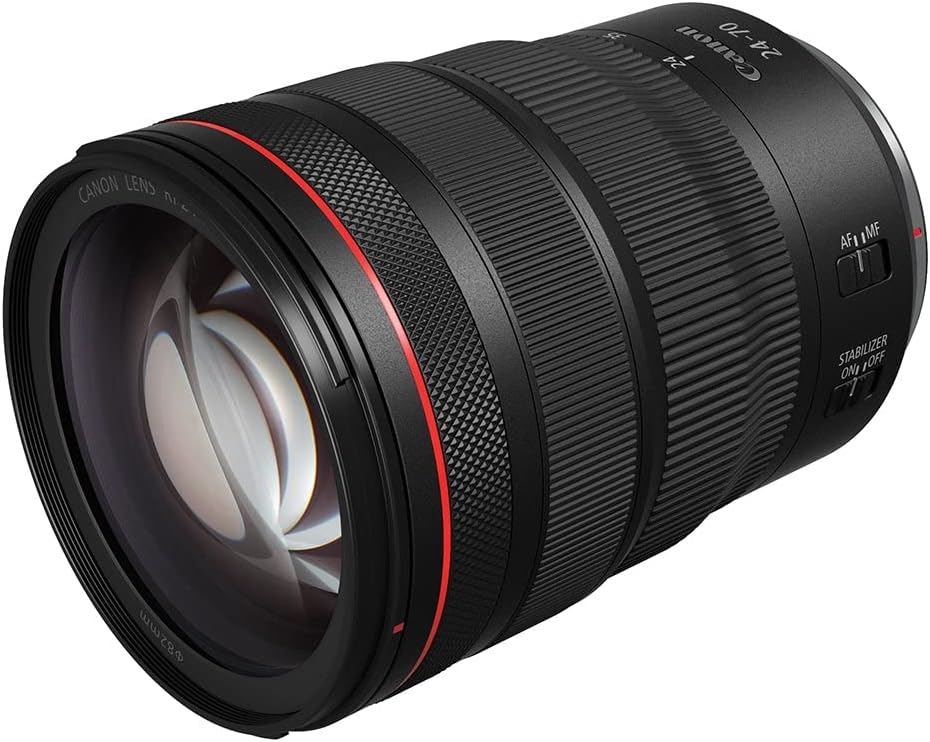
- Canon RF 24-70mm f/2.8L IS
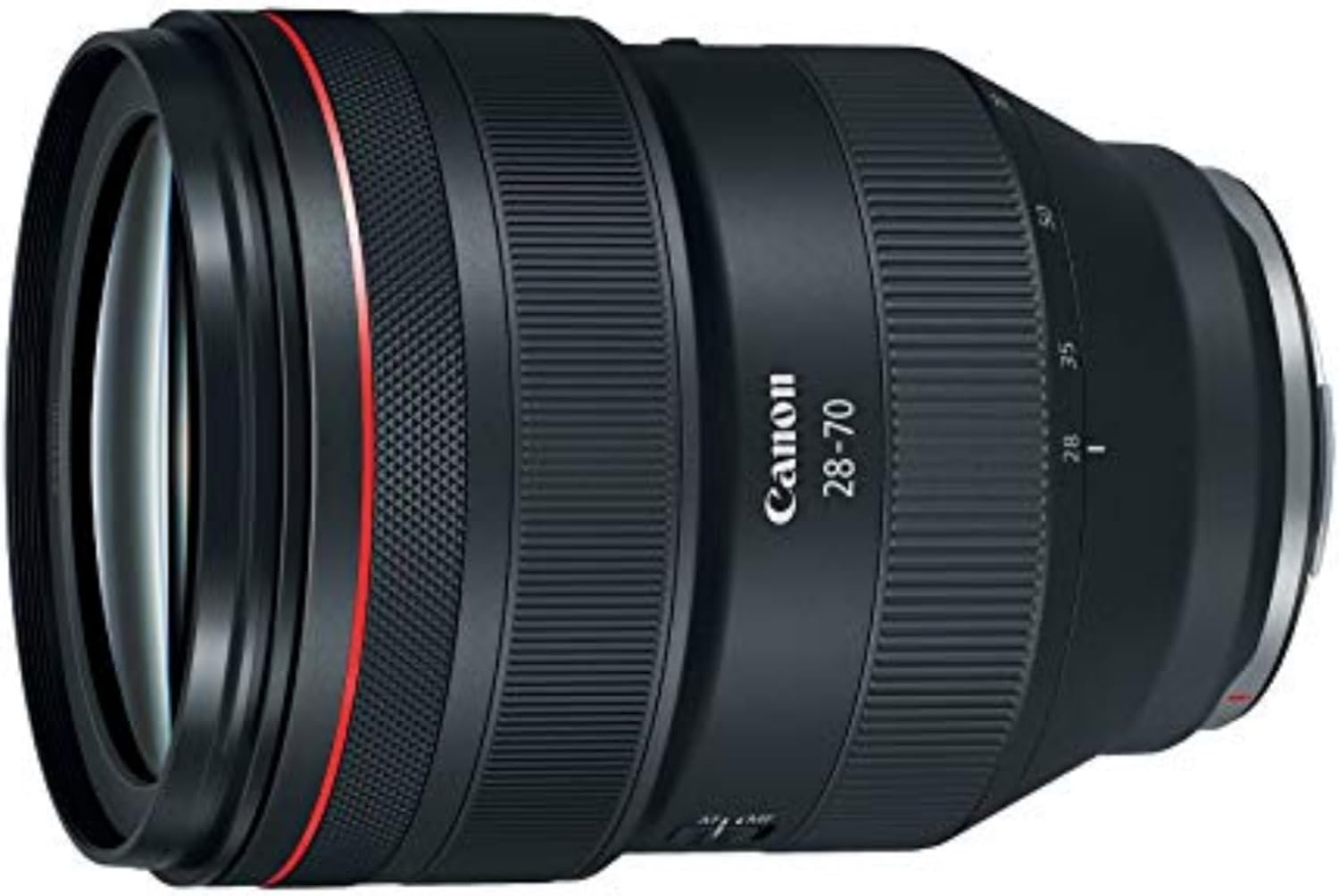
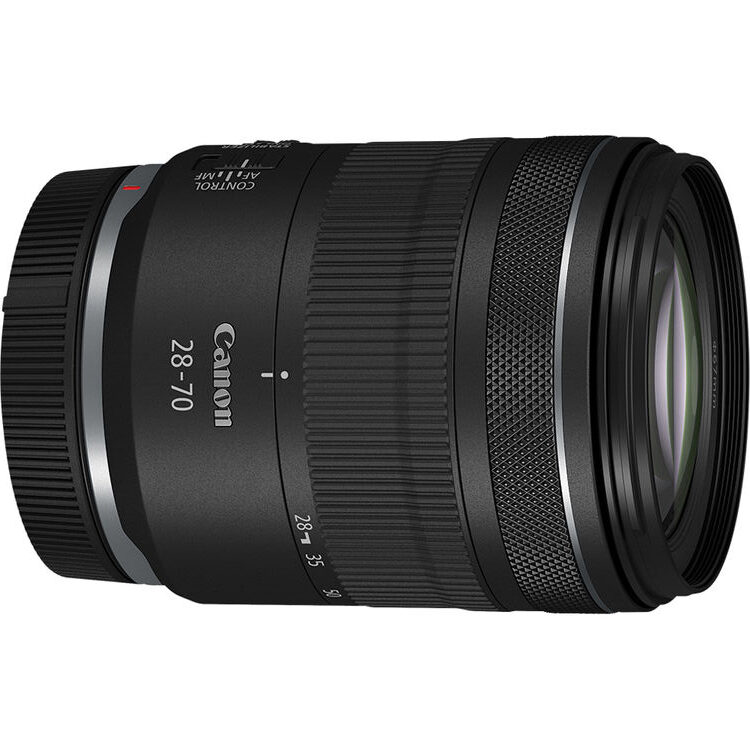
- Canon RF 28-70mm f/2L
- Sony NP-FZ100 Battery
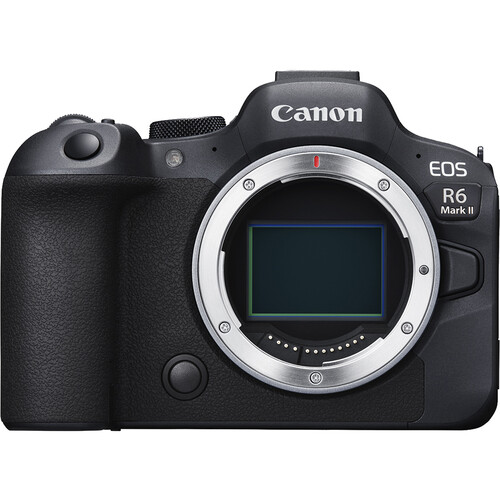
- Canon EOS R6 Mark II
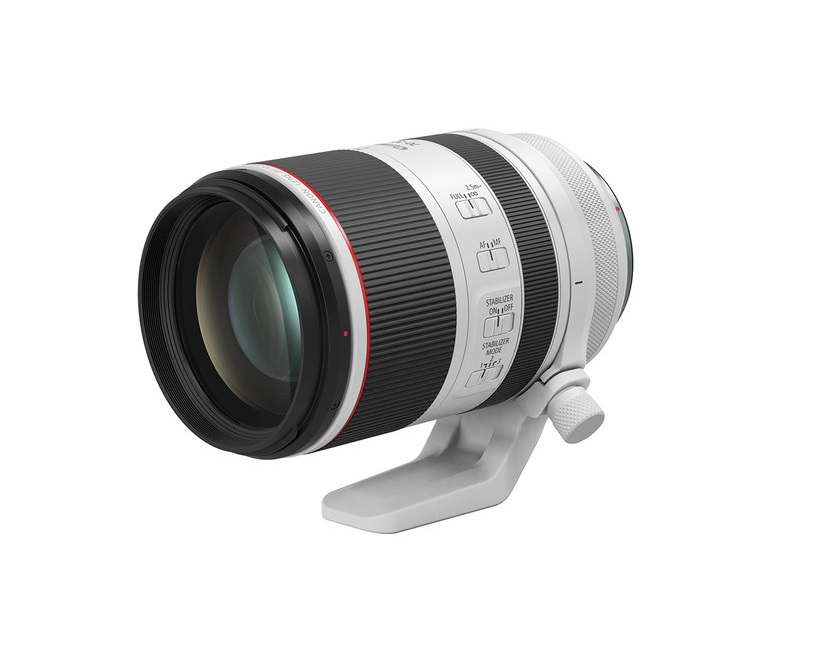
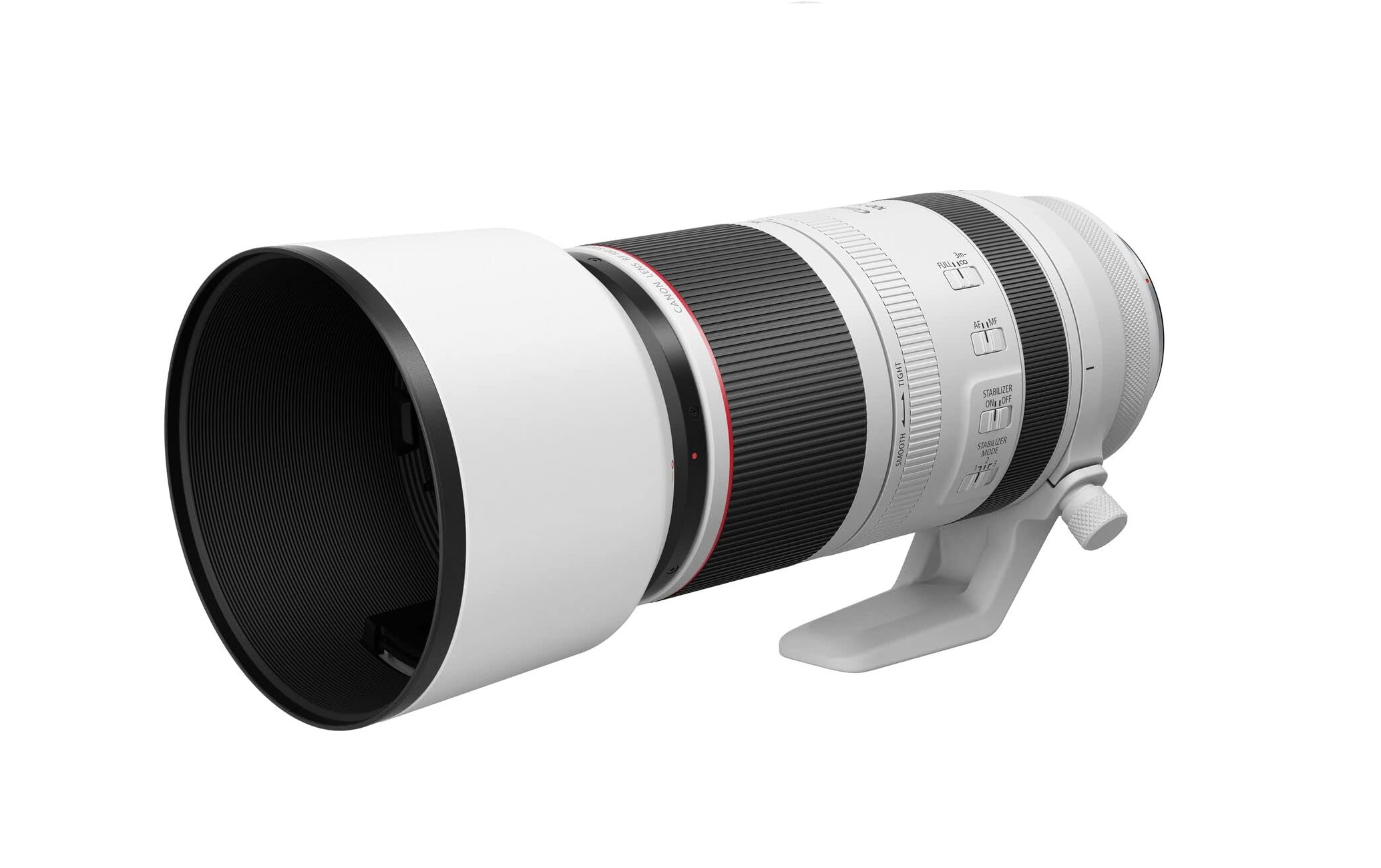
- Canon RF 70-200mm f/2.8L IS
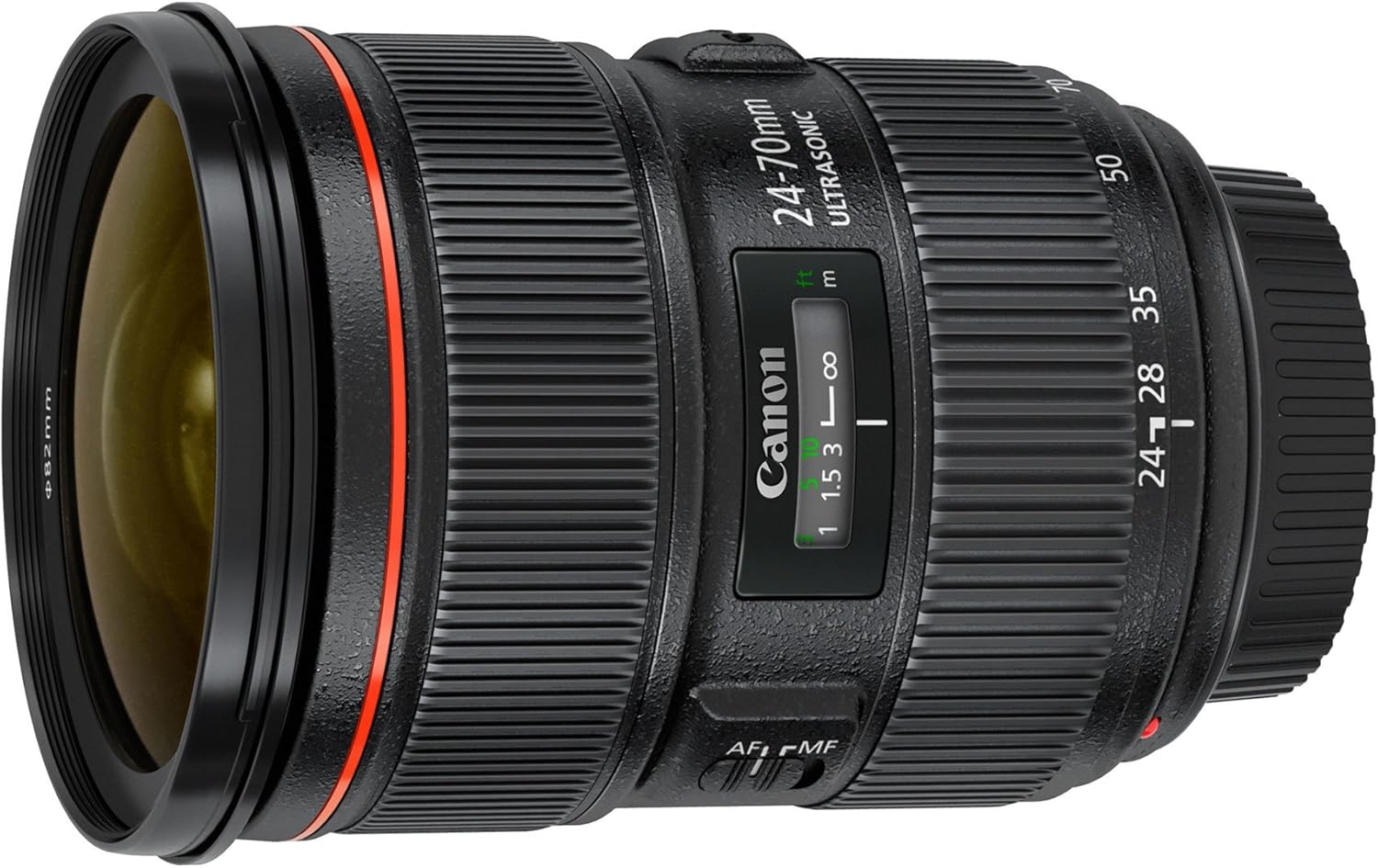
- Canon 24-70mm f/2.8L II
- Sony FE 70-200mm f/2.8 GM OSS II
- Sony FE 24-70mm f/2.8 GM II
- Canon 70-200mm f/2.8L IS III
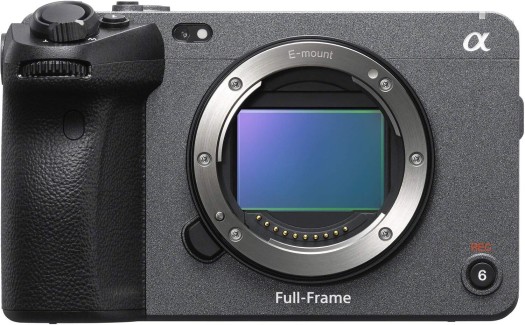
- Sony FX3 (Body Only)
- Sony 160GB CFexpress Type A TOUGH Memory Card
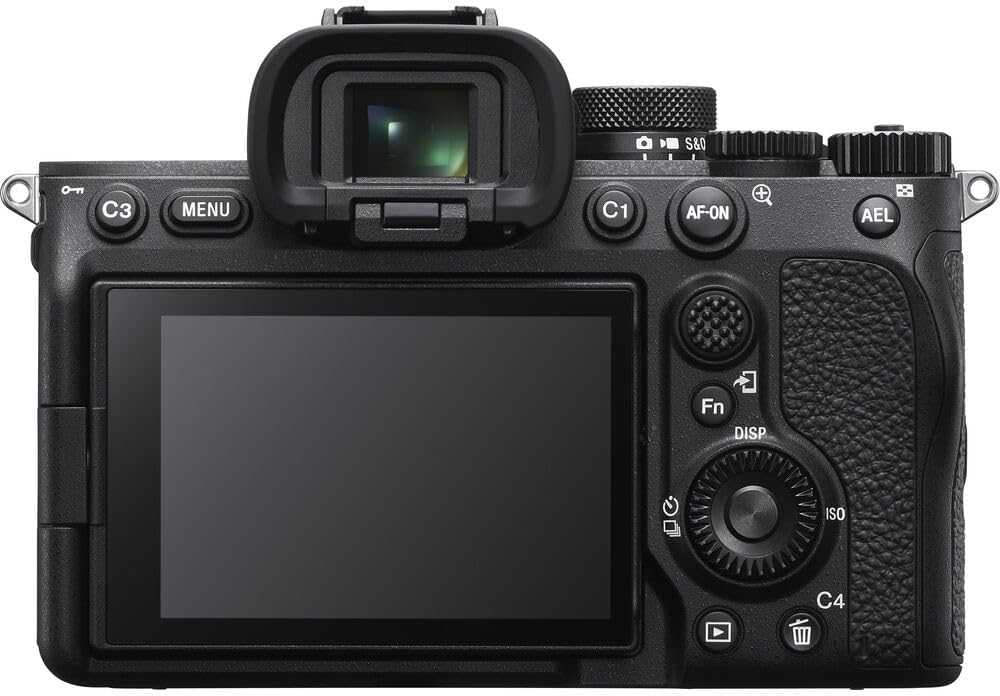
- Sony Alpha a7 IV
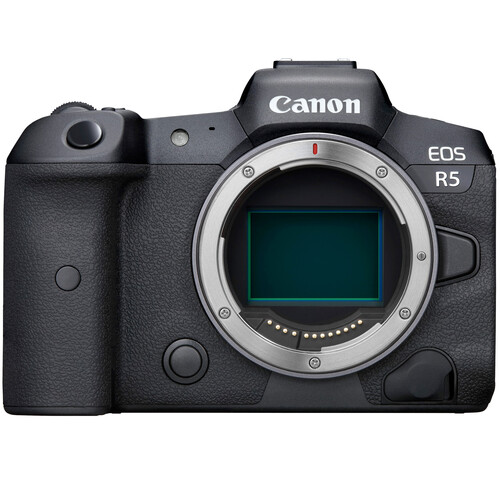
- Canon EOS R5
- Canon RF 100-500mm f/4.5-7.1L IS USM
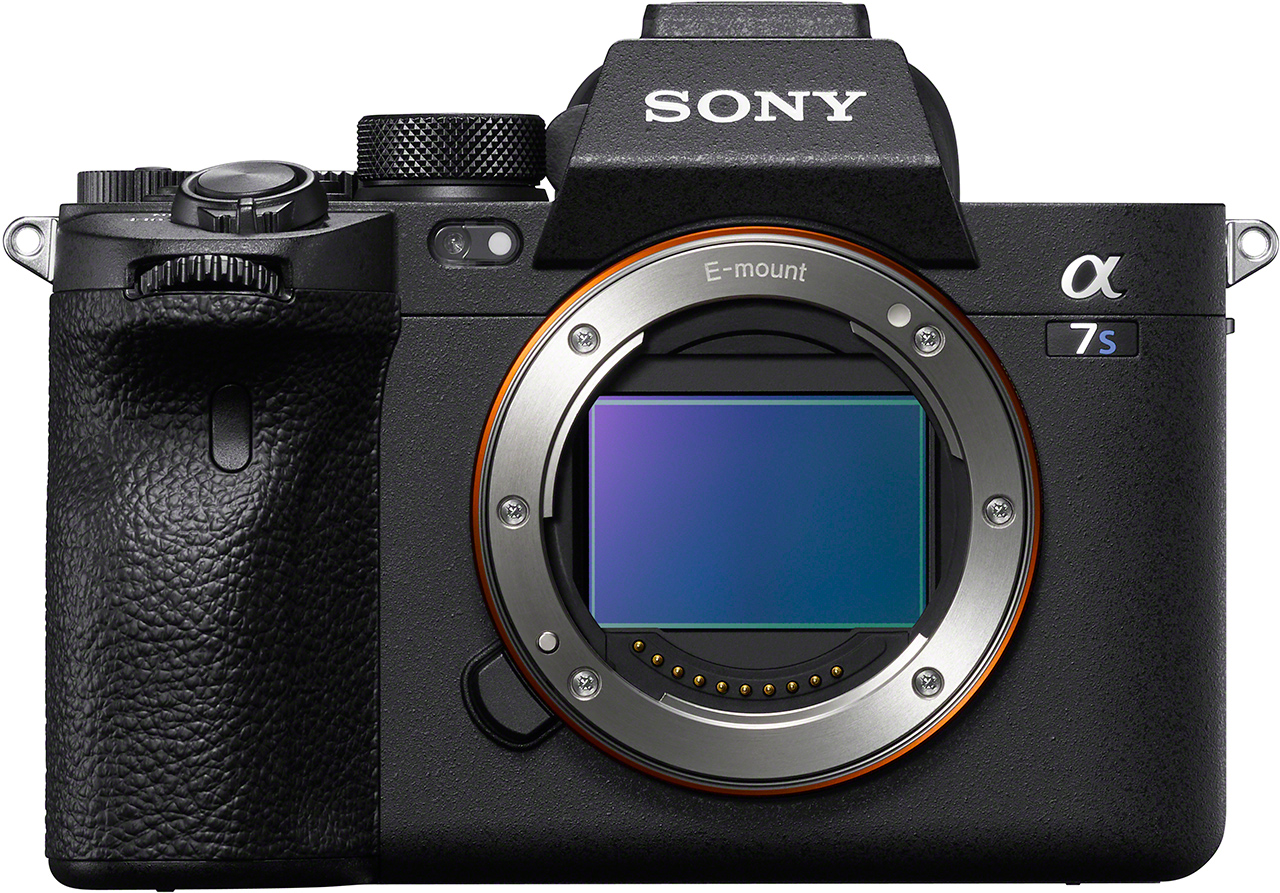
- Sony Alpha a7S III
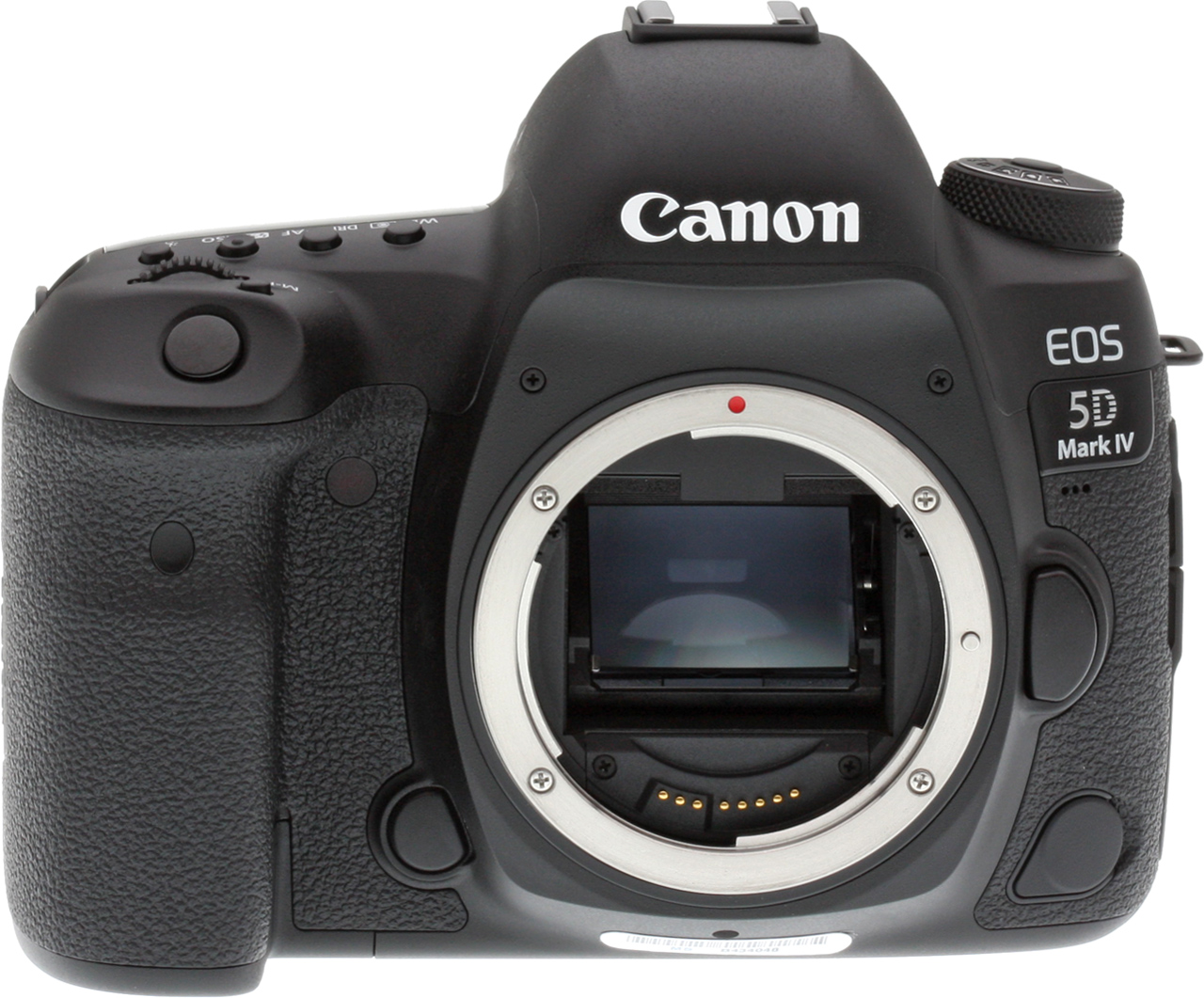
- Canon 5D Mark IV
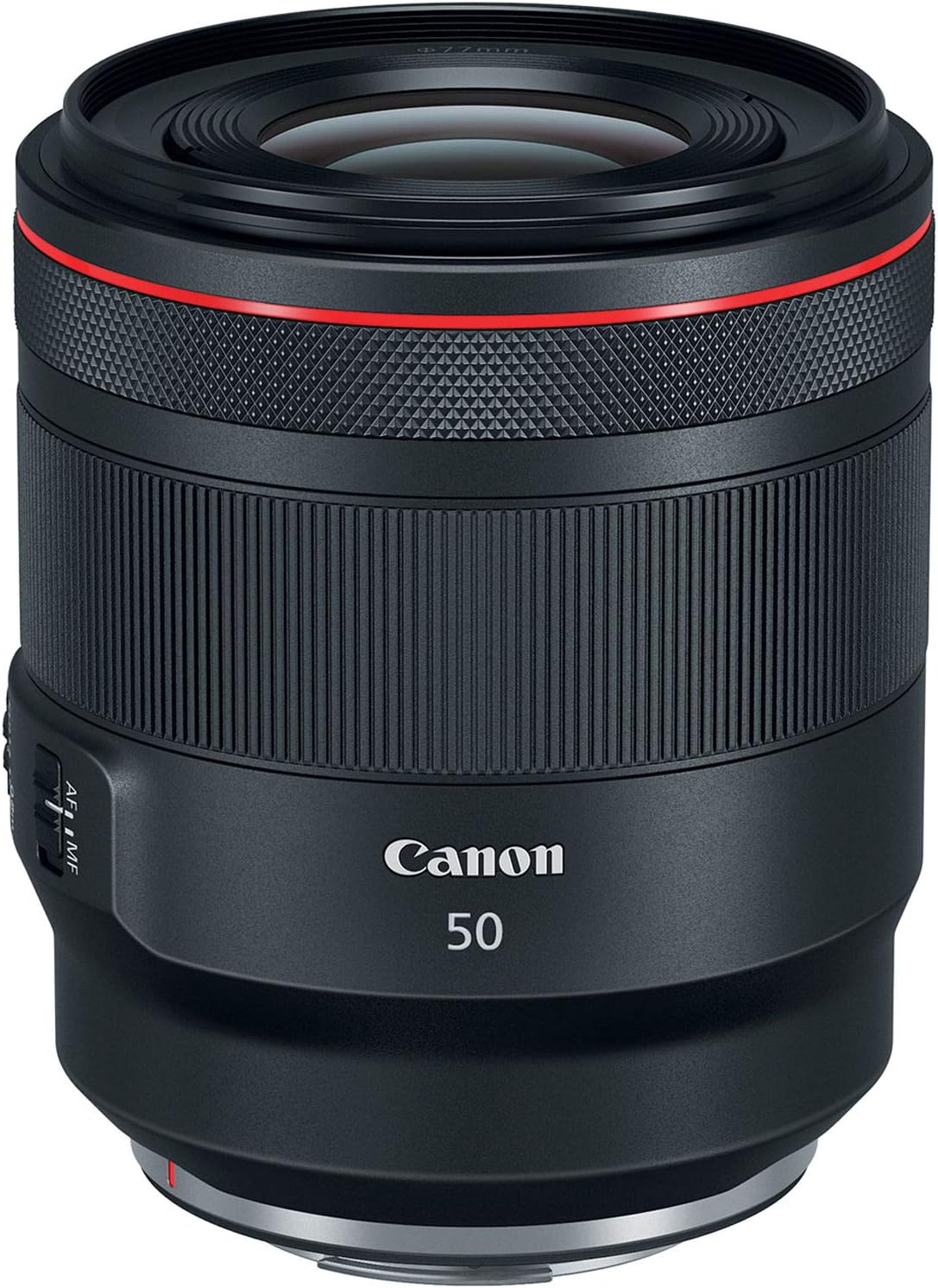
- Canon RF 50mm f/1.2L
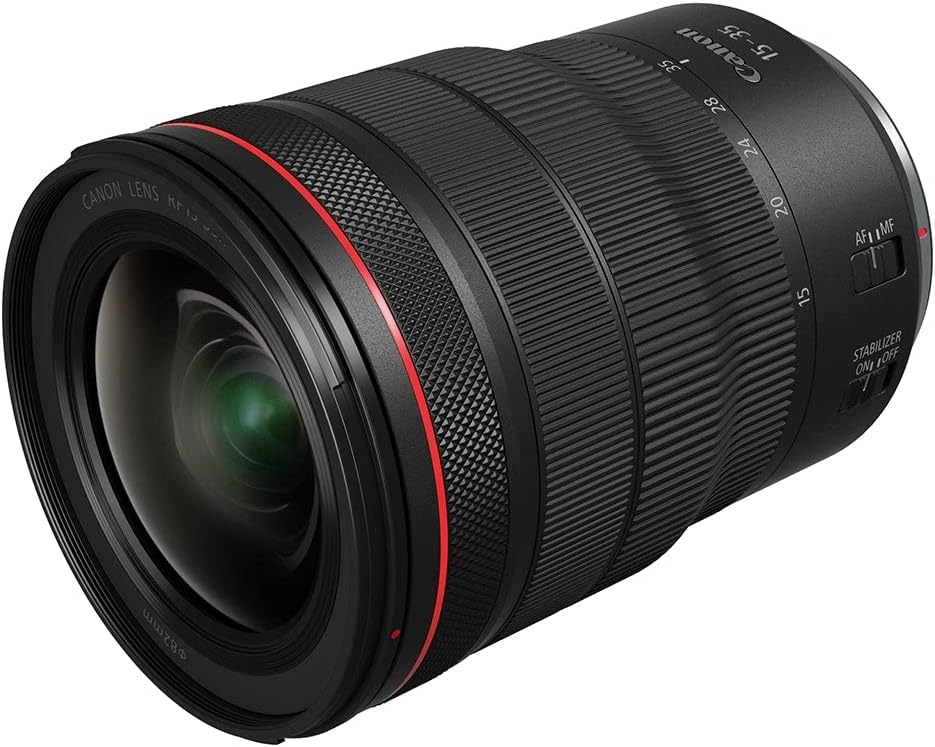
- Canon RF 15-35mm f/2.8L IS
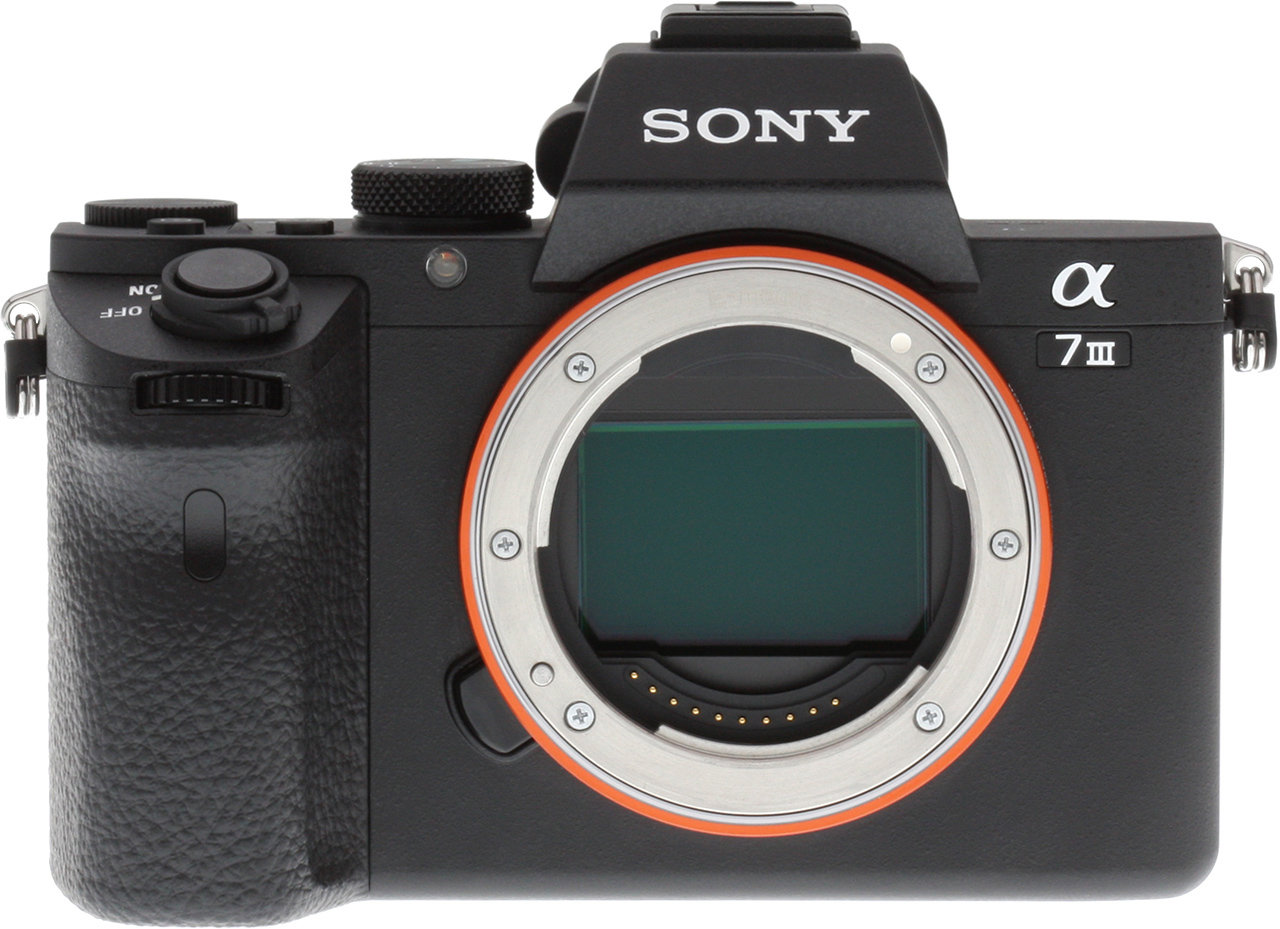
- Sony Alpha a7 III
- Canon LP-E6NH Battery
With the inclusion of memory cards as well as batteries in this list, there’s clearly some bundling going on. The Sony 160 GB CFExpress Type A card is used in Sony’s newer cameras, and it shows up in the 11th spot.
If renters are going to get a loan of a new Sony camera, especially a video-oriented body, they’re going to need cards to go with it to maximize performance. Since video tends to use a lot of storage, it’s reasonable to expect a lot of cards to go out with Sony cameras.
The same is true of batteries, and both Sony’s and Canon’s batteries are in the top twenty. Sony has four bodies in the top 20, and Canon has two, so it makes sense that Sony’s battery is in the number 3 spot, and Canon is in the number 20 spot. Since batteries and memory cards are tied to cameras, I mentally tend to remove them from these lists.
Looking at the cameras in the list, I’m shocked to see the Canon 5D Mark IV here, while there is not a Nikon camera to be found. The person renting the 5D Mark IV in the 16th slot is the same as renting the EF-Mount 24-70mm f.2.8 in the sixth position.
Canon has eight lenses in the top 20, and Sony has only two.
Both Sony and Canon have zooms in the “trinity” of lenses in the list (Canon has just one prime), nd they’re all 2.8 or faster. These are perfect lenses to rent for someone without a lot of f/2.8 glass already.
Canon has more camera renters, so they need more lenses, and Sony has more lens renters, so they need more cameras. Or the people renting Sony are just trying the system out. It’s hard to tell.
Top Camera Rentals for 2025
While the last list is a fun exercise, here’s where things get interesting.
- Canon EOS R6 Mark II
- Sony FX3 (Body Only)
- Sony Alpha a7 IV
- Canon EOS R5
- Sony Alpha a7S III
- Canon 5D Mark IV
- Sony Alpha a7 III
- Canon EOS R5 Mark II
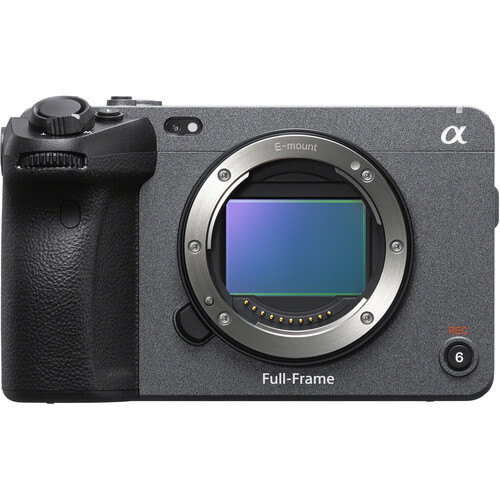
- Sony FX6 Full-Frame Cinema Camera
- GoPro HERO13 Black
- Canon EOS R6
- Sony Alpha a7R V
- Sony FX30 (Body Only)
- Sony Cyber-Shot RX100 VII
- Sony FX3 Full-Frame Cinema Camera
- DJI Osmo Pocket 3 Gimbal
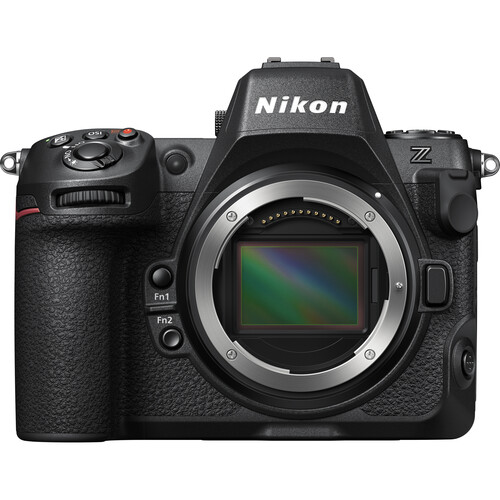
- Nikon Z8
- Canon EOS C70 Cinema Camera (RF)
- Canon EOS R5 C Mirrorless Cinema Camera
- Canon EOS R7
This was a surprisingly top-heavy year for Canon and Sony, with no Fujifilm products showing up in the top twenty places and only one Nikon, coming in in 18th place with the Nikon Z8. The mix of gear in the rental list is fascinating, as it includes several cameras that were current at the beginning of the year, and then were replaced with newer models.
There’s also a lot of cinema cameras showing up, I suspect because when hybrid shooters get a big video gig, they’ll often rent a more video-centric camera. Alternatively, video houses could be picking up a B-camera or a backup a-cam for jobs.
But I’m getting ahead of myself. Let’s look at a breakdown by brand.
Canon
Canon has eight cameras in the top 20. One is a DSLR (that surprising 5D Mark IV), five “hybrid” cameras, and two “cine” cameras.
The oldest camera in the list is obviously the 5D Mark IV, followed by the EOS R5 and R6, both released together in 2020. The R6 II was the current R6 model until October of 2025, when the R6 III came out. Otherwise, I suspect the Mark II would have beaten out the R6 Mark II, as the Canon R5 Mark II was in the list at the number four slot.
I’m very surprised that the R5 had more rentals than the R5 II, since both were released before this year. The lower price of R5 rentals may have driven that data point. I’m also surprised to see the EOS R7 on this list, but not the R3 or R1. I’d have thought the higher-end models would be rented more than the R7, simply because they’re so expensive.
On the cine front, only one is truly a cine body, the C70. The R5 C is a variant of the R5 designed for cine use, but not in a typical cine body. As we’ll see in a moment, Sony has more cinema cameras, but that may be because Canon cameras are notable for their video features.
Sony
Sony has nine cameras in this list: four hybrid bodies, one compact body, and four cinema cameras.
I’m most intrigued, though not completely shocked, by the Cyber-Shot RX100 VII being in this list. The RX100 VII is one of the best compact cameras of all time. I preferred the RX100 VI, but the RX100 VII is the last of Sony’s compact bodies that is not designed for “vlogging.” The ZV-series bodies are the RX series, but with features primarily for video creators.
With the video-centric nature of the ZV cameras, the RX100 VII is the perfect choice for someone travelling. It fits in a pocket, has better image quality than a smartphone, and is more flexible to boot, with both photo and video features.
The most sophisticated Sony in the list is the a7R V, good for both portrait shoots and video. It was also the first of Sony’s full-frame cameras to have AI-based autofocus.
The a7S III is Sony’s most recent video-specific hybrid body, with the then-current a7 IV in the third position, and the a7 III surprisingly at number seven.
On the cine front, Sony has a very strong showing, with a number two position for the FX3, a ninth slot for the more pricey and more powerful FX6.
Strangely, the list has the FX3 listed twice, once as “Full-Frame Cinema Camera” and once as “Body Only.” I’ve reached out to LensRentals about this, but I suspect that they have two configurations, one as a kit and one as just the body. If that is the case, then the FX3 is probably the most rented camera for 2025. (We will update this when we get their reply.)
DJI and GoPro
I’m particularly surprised to see GoPro on the list of most rented cameras, and well ahead of the Nikon Z8. Still, I assume these were rented by people going on vacation or needing an action camera for a shoot not big enough to warrant buying one.
The DJI Osmo Pocket 3 makes more sense to me, since retail inventory was constrained for a while, and again, this is probably a case of people needing one for a single shoot. But it’s still surprising to see no camera from Fujifilm or Panasonic on this list. With the number of cinema cameras on this list, I’d have thought at least one Panasonic would cut.
Lenses
The lens lineup is only slightly less surprising than the camera lineup.
- Canon RF 24-70mm f/2.8L IS
- Canon RF 28-70mm f/2L
- Canon RF 70-200mm f/2.8L IS
- Canon EF 24-70mm f/2.8L II
- Sony FE 70-200mm f/2.8 GM OSS II
- Sony FE 24-70mm f/2.8 GM II
- Canon 70-200mm f/2.8L IS III
- Canon RF 100-500mm f/4.5-7.1L IS USM
- Canon RF 50mm f/1.2L
- Canon RF 15-35mm f/2.8L IS
- Canon RF 24-105mm f/2.8L IS USM Z
- Sony FE 24-70mm f/2.8 GM
- Sony FE 70-200mm f/2.8 GM OSS
- Sony FE 100-400mm f/4.5-5.6 GM OSS
- Sony FE 16-35mm f/2.8 GM II
- Sony FE 200-600mm f/5.6-6.3 G OSS
- Canon RF 24-105mm f/4L IS
- Sony FE 28-70mm f/2 GM
- Canon RF 85mm f/1.2L
- Sigma 24-70mm f/2.8 DG DN II Art for Sony E
This is a lot of Canon and Sony glass. There are 11 Canon lenses in the list, eight Sony lenses, and one Sigma lens for the Sony E-Mount.
Many of the lenses on the list are very expensive, so seeing them on the top rental list makes sense. The Sony FE 70-200mm f/2.8 GM OSS II is more than $3,000. The top lens, the Canon RF 24-70mm f/2.8L IS, is relatively inexpensive (at $1,000, it’s inexpensive only compared to some others on this list) but is a popular lens.
To see only two manufacturer mounts on this list, and no lenses for any other company, feels nearly unbelievable, though it lines up with the top camera rentals. It shows what a massive shift there has been in the camera market since Sony launched the full-frame mirrorless market more than a decade ago.
Since Canon hasn’t opened up its lens mount to third parties like Tamron and Sigma, seeing a lot of rentals might mean there aren’t many alternatives for Canon shooters.
There are only two prime lenses on this list, and while zoom lenses are the most versatile, primes tend to be more expensive, so I’d have expected more primes to show up.
What Does This All Mean
A rental list does not equal the most popular gear, mostly. Many times, people rent the things they’re looking to buy, but often they’re renting things they don’t need for everyday shooting. Some of the cameras and lenses on this list might be on it because people are shooting other systems and trying out the alternatives.
Nikon’s bodies are priced incredibly affordably, so there’s a chance that there is only one body on this list because people find the system affordable enough to purchase, but it does not explain the complete lack of glass.
That said, this is definitely a good indication of at least interest in products, if not a direct statement on market demand. With so many cameras and lenses dominated by Canon and Sony, it’s clear that the camera market does not look like it did in the era of DSLRs. It also shows that an upstart player can upend a market in a decade.
I rank this list somewhere between a curiosity and a definitive statement about the state of the camera market.
LensRentals also calculates market share, though this is based on revenue, not rentals, so it is heavily skewed toward expensive gear. Canon and Sony’s cameras are, as I mentioned, higher priced than Nikon and Fujifilm, so naturally they rank higher, though they are significantly higher than the other brands. Combining Sony and Canon’s market share comes out to 48.13% in 2025, up from 42.73% in 2023, while all other brands have dropped.
The full year-end review is on the LensRental blog, which includes a list of the most rented accessories. Unsurprisingly, memory cards are the top rented items when all types are combined, though there are some surprises in the list.
We’re expecting many camera launches in 2026 from all the manufacturers, especially the higher-end cameras from all three of the main players. It will be interesting to see if the market shifts noticeably.