
The Sony A7V Backlash on YouTube Is Missing the Point. Click-bait Criticism Hurts Everyone

Table of Contents
 What Is Open Gate and 6K
After spending two weeks watching the reaction to the Sony A7V announcement, I’ve been struck by the intensity of the negativity that surrounds a single feature “missing” from the camera.
The Sony “a7” line has been the generalist camera since the Sony a7 was introduced in 2013. The new Sony a7 V is packed full of features, but influencers and some reviewers have chosen to focus on the lack of “open gate” video recording, and some have even said that Sony no longer listens to customers, it has “lost the plot,” and is doomed.
None of that is true.
Comments sections, forum threads, and YouTube Shorts have been filled with anger about Sony’s decision not to include high-end video features like 6K recording, open gate, and internal RAW. But the more videos I watch, the more I’m convinced that much of this outrage is manufactured. It’s ragebait designed to trigger YouTube’s algorithms into promoting these videos.
This is a good example of how camera reviews, particularly those on social media, use negative takes to make the algorithm gods promote them, and that’s a disservice to potential customers.
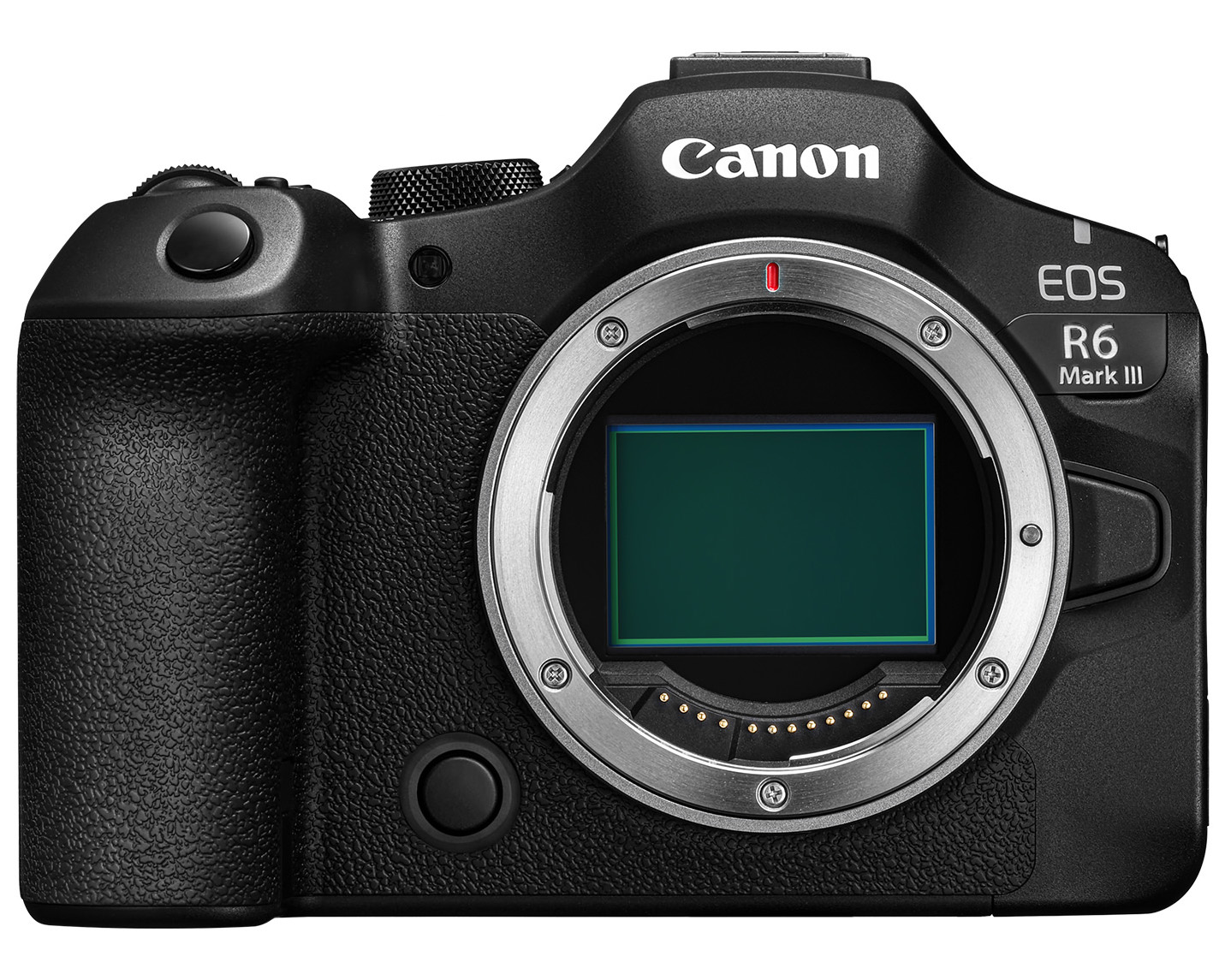
Take the Canon R6 III as an example. That camera is heavily video-centric. It’s stacked with video features, but it has added very few tools or improvements for photographers, compared to the previous version. That doesn’t mean Canon has “lost the plot” as one creator said about Sony. It means they targeted that camera for video creators.
I’ve seen this happen over and over with camera reviews. No company is immune to the clash of haters and fanboys. The years after Sony got its stride in mirrorless cameras and before Nikon and Canon got into the market were incredibly brutal to Nikon and Canon in comments sections, and that really left a bad taste in my mouth.
But let’s talk about what’s really happening here.
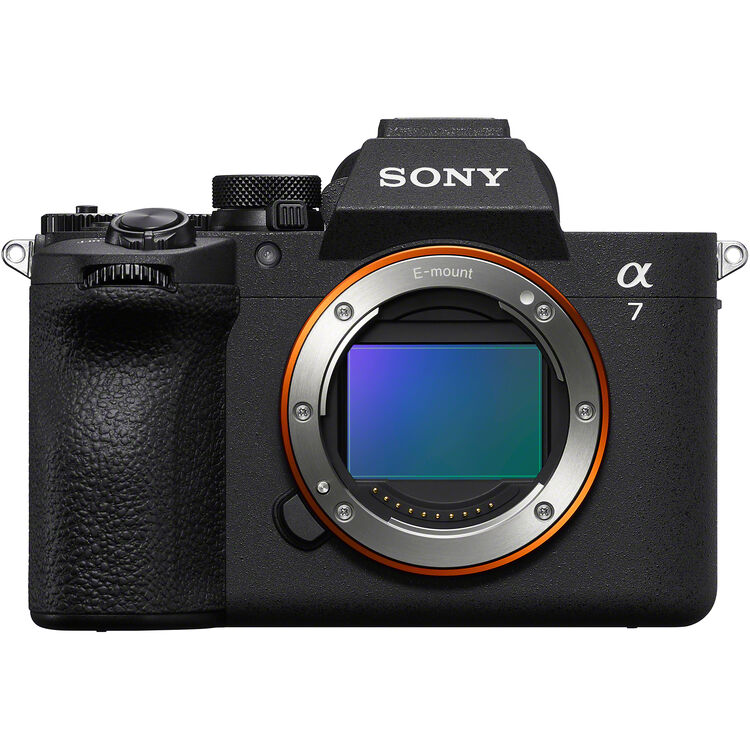
The Sony a7 V features a 33-megapixel partially stacked full-frame BSI CMOS sensor with BIONZ XR2 processor and integrated AI processing unit. It shoots blackout-free at 30fps electronic shutter and 10fps mechanical shutter with 759 phase-detection AF points covering 94% of the frame. The camera includes pre-capture functionality recording up to 1 second before shutter press at 30fps, Speed Boost function for instant burst rate switching, and buffer capacity of up to 95 compressed RAW or 185 JPEG images at 30fps with CFexpress Type A cards. Image stabilization provides up to 7.5 stops at the center and 6.5 stops at the periphery. Video capabilities include 7K oversampled 4K 60p full-frame, 4K 120p in Super 35 crop, and Full HD 240fps, all with 10-bit 4:2:2 internal recording. The camera features a 3.69-million-dot OLED viewfinder with a 120fps refresh rate, a 3.2-inch 4-axis vari-angle touchscreen, dual card slots (CFexpress Type A/SD UHS-II and SD UHS-II), NP-FZ100 battery rated for 630 EVF shots or 750 LCD shots, and full-size HDMI, dual USB-C, 3.5mm mic/headphone jacks, Wi-Fi, and Bluetooth connectivity.
- Partially stacked sensor technology delivers exceptional ISO invariance and dynamic range performance superior to competitors.
- Comprehensive feature set makes it truly versatile for both high-end stills and professional video work.
- Refined ergonomics and body design borrowed from flagship models improve handling and usability.
- Premium pricing positions it above mid-range competitors while lacking some flagship features.
- Autofocus performance, while excellent, doesn’t reach the same “sticky” tracking as the a1 or a9 III.
- Battery life is adequate but not class-leading for extended shooting sessions.
- Sensor: 33-megapixel full-frame partially stacked BSI CMOS
- Autofocus: AI-powered subject recognition
- Continuous Shooting: 30fps electronic, 10fps mechanical
- Video: 4K 60p, 10-bit 4:2:2 recording
- Image Stabilization: 5-axis in-body stabilization
- Viewfinder: High-resolution OLED EVF
What Is Open Gate and 6K
Open gate is an odd term that means that when recording video, it’s possible to capture in the full 16:9 aspect ratio by using data from the full width of the sensor, instead of just the 4:3 aspect ratio used to record footage normally. An open gate video will be wider than the standard video capture, requiring no cropping to deliver content for vertical uses.
6K recoding, which the Sony camera also does not have, is a higher resolution format than 4K, which means you can crop footage by quite a bit and still have full 4K resolution left. To me, this is a bigger miss than open gate, because the camera is already recording 7K and then converting it to 4K
The Rage-Baiting Problem
Controversy drives clicks. Videos with titles suggesting Sony “failed” or “doesn’t listen to customers” get views. Thumbnails that suggest doom perform well in the algorithm. And suddenly, every channel needs to weigh in on why the A7V is a disaster.
The problem? Most of these creators don’t actually need Open Gate, and probably only a fraction of their audience knows what open gate is. Many of the loudest voices complaining about the “missing” features are shooting YouTube videos and shorts. While 16:9 is YouTube’s preferred aspect ratio, YouTube will resize the browser for 4:3 or any other resolution.
Another argument is that vertical video creators rely on the wider aspect ratio of 16:9 because 9:16 is the standard format for vertical videos. (9:16 is what you get when you turn a 16:9 image on its side). But all of the platforms deliver vertical content in 1080. There’s plenty of headroom to crop a 4K video down to 1080 without losing any resolution.
Open gate isn’t a magical format. You can shoot a bit wider and crop, albeit losing a bit of data. People have been editing 4:3 content forever, long before open gate recording came to digital cameras.
So, Is It A Problem for real, for real?
My Take on Open Gate in the A7 V
I review cameras for a living. I’m paid to find faults in products. I’ve been critical of Sony before when they’ve made decisions that have taken features away from its target customers. My review of the Sony RX1R III highly criticized Sony for removing the tilting screen, a feature that was on the RX1R II, and for not having IBIS, something a $5000 camera should have.
Our Video Review of the Sony RX1R III
I want to be clear here. The Sony a7 V absolutely should have had open gate and 6K recording. Other cameras at this price have these features, and a major consideration in camera purchases is how it stacks up—even customers who will never use a feature check to see if competing cameras have it.
The biggest issue here is the price of the a7 V, it feels out of line with the video features and how Sony is branding the camera. Sony’s marketing says that this camera redefines “basic.” Well, sure, but “basic” is now $2,900.
Open gate recording is very useful for many types of creators, but it’s not crucial for most customers of this category of camera. Sony’s A7 series has been pretty expensive for a “basic” camera for the last few versions, but those cameras had the best specs possible. When Sony released the APS-C a7000, it had the same AF system as the Sony a9.
It’s Sony’s most affordable camera. And that’s a problem here. Nikon and Canon both have cameras without video capabilities above 4K, and without open gate, but they’re less expensive than this camera. They’re lacking things that this camera has, but they’re relatively on par.
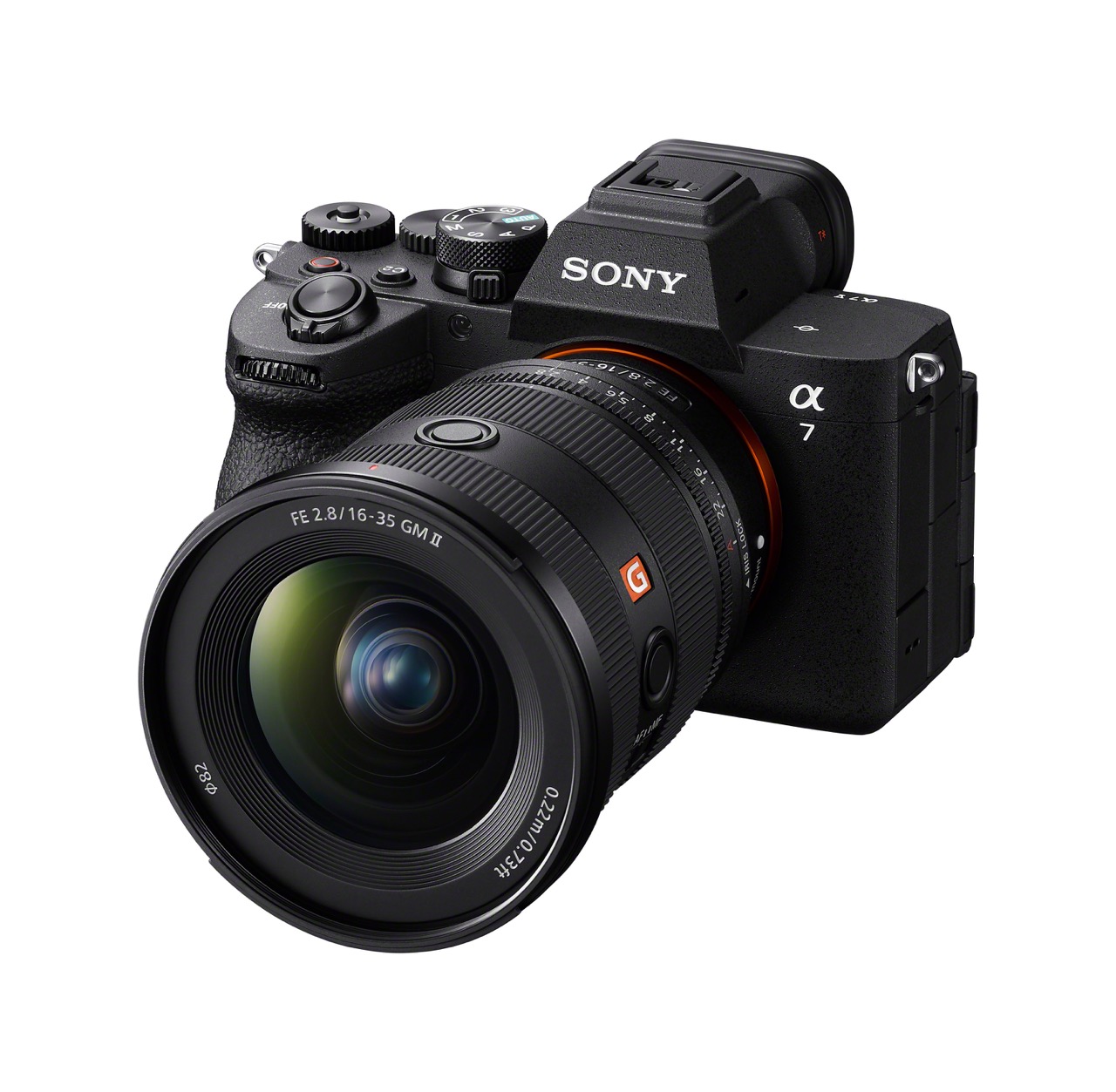
Sony’s also pointed to the video features in their press materials, and in photos like this, Sony is clearly appealing to a customer who is invested in video.
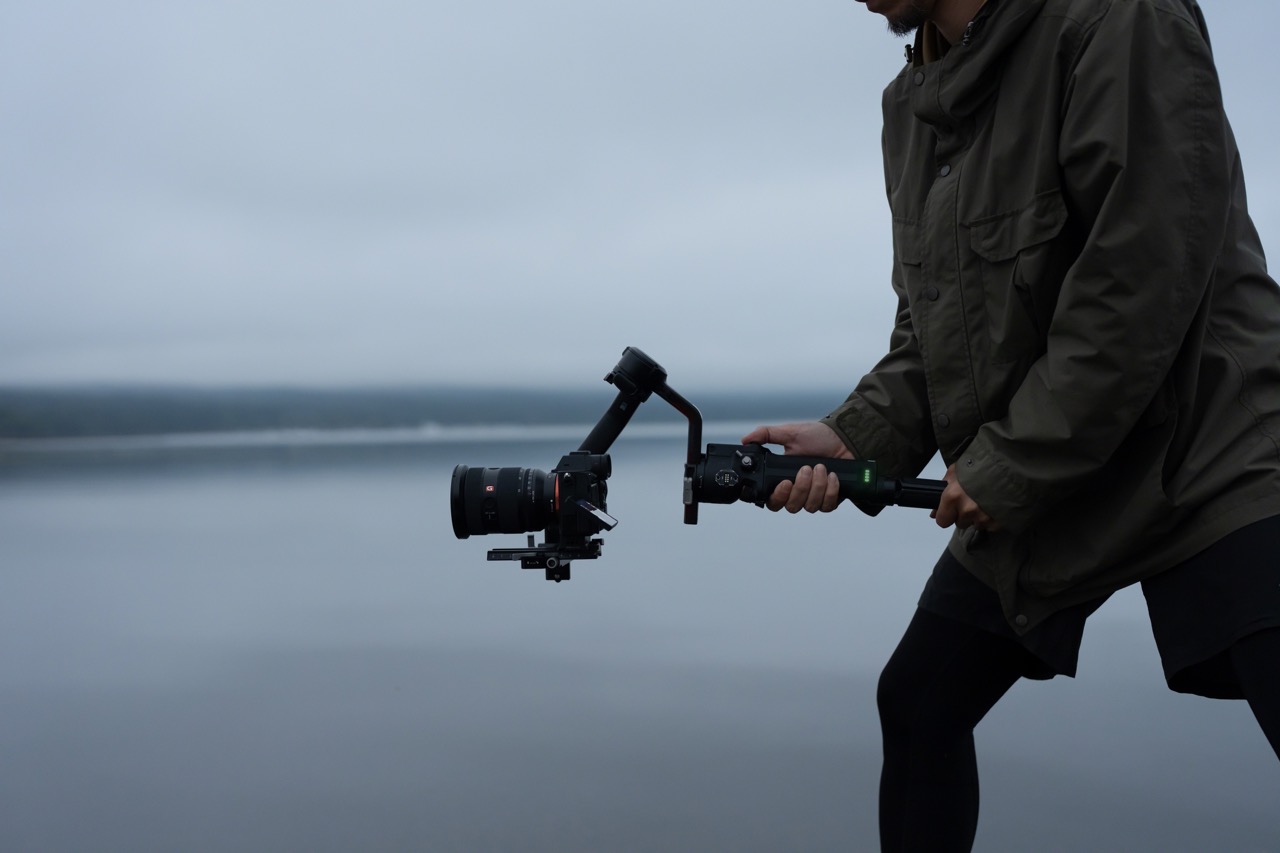
The Nikon Z5 II is $1,900 and is very similar on paper to the Sony in terms of video. It’s missing a lot of photo features that this Sony has, but it’s easy to give up some features for $1,000 less than Sony’s “basic” camera if your main content is video.
The problem is that the target audience for a “basic” camera will likely never use Open Gate recording, but for nearly $3,000, many customers will be above “basic”.
The A7 V appears to have the ability to record in at least 6K and open gate, because it’s got Sony’s brand new processor. It records 7K video and downsamples that on the fly to 4K. I can’t imagine that recording open gate right off the sensor is less processor-intensive than converting 6K to 4K.
Final Thoughts
So the Sony a7 V coulda, woulda, shoulda have 6K recording and Open Gate. The lack of 6K is a bigger issue. With 6K recording a slightly wider framing, a shooter could easily crop to a 16:9 format with no image quality lost.
The A7V is an excellent camera for its intended market. The backlash we’re seeing is driven more by YouTube’s need for controversial content than by genuine customer disappointment. It’s entirely fair for a reviewer to call out features that they think are missing. But acting like its absence makes Sony a failure? That’s rage-baiting, not honest reviewing.
Before joining the chorus of criticism about any camera, ask yourself if you are the target customer. Do I actually need these features? Or am I just caught up in manufactured outrage?
Context matters. Understanding who a camera is designed for matters. And recognizing the difference between genuine criticism and clickbait matters most of all.