NASA Reveals How Artemis II Cameras Were Tested in Extreme Conditions


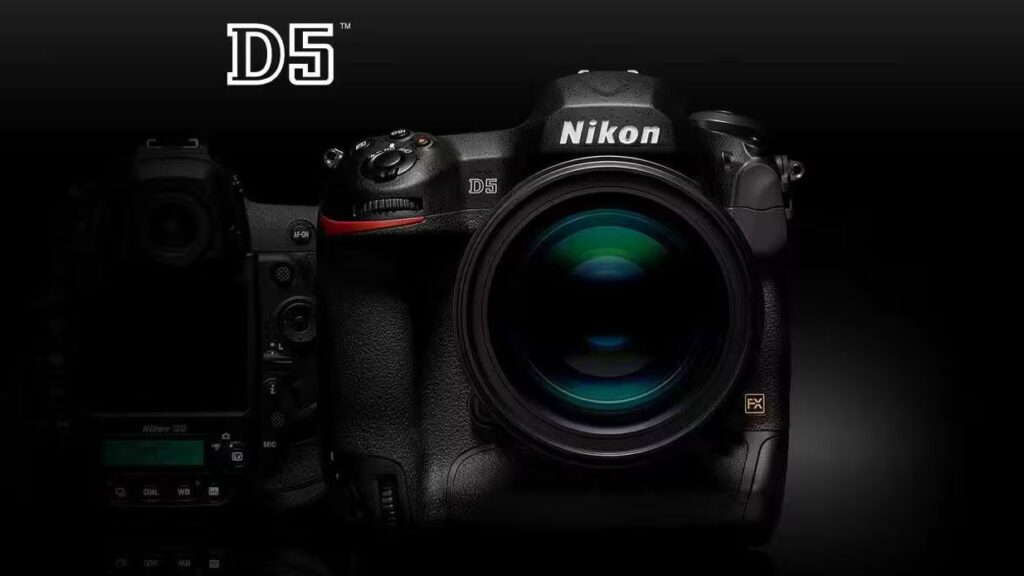
Table of Contents
 Not Just Specs—Real-World Testing
NASA has shared new details about how it selected and tested cameras for the Artemis II mission—and it turns out, getting a camera into space is no small feat.
With so much attention on the gear used during the lunar flyby, NASA has now pulled back the curtain on the rigorous process behind those decisions.
Not Just Specs—Real-World Testing
Rather than relying on manufacturer specs alone, NASA put several cameras through extreme environmental testing years before the mission.
Among the models tested were the Canon EOS R5, Nikon Z7 II, and Nikon D6 DSLR. These cameras were subjected to thermal vacuum conditions ranging from -30°C to +40°C while capturing both stills and 4K video.
What Passed (and What Didn’t)
Results were mixed depending on the camera.
The Canon R5 reportedly had “no critical failures” during testing, while the Nikon D6 was described as “stable and reliable overall.” The D6 was tested under more controlled conditions, partly due to connectivity concerns seen in other Nikon models.
The Nikon Z7 II, however, didn’t complete full testing due to connectivity issues inside the vacuum environment.
Memory Cards Also Put to the Test
NASA didn’t stop at cameras—it also evaluated CFexpress cards from Lexar, SanDisk, ProGrade, and Sony.
All cards passed read-function testing, but NASA noted that SanDisk showed the highest reliability in simulated lunar conditions.
Why the Nikon D5 Was Chosen
Despite testing newer mirrorless models, NASA ultimately chose the Nikon D5 as the primary camera for Artemis II.
The decision came down to reliability and proven performance. The D5 has already been used extensively aboard the International Space Station and is known for its excellent high-ISO capabilities—something critical in low-light space environments.
The Z9’s Role in Future Missions
While the D5 handled most of the workload, the Nikon Z9 also made it onto the mission—albeit at the last minute.
Looking ahead, the Z9 is expected to play a much bigger role. It will serve as the foundation for NASA’s upcoming Handheld Universal Lunar Camera (HULC), a heavily modified version designed for lunar use.
The HULC will include a custom grip, redesigned controls for use with spacesuit gloves, and specialized thermal protection.
New Images From the Mission
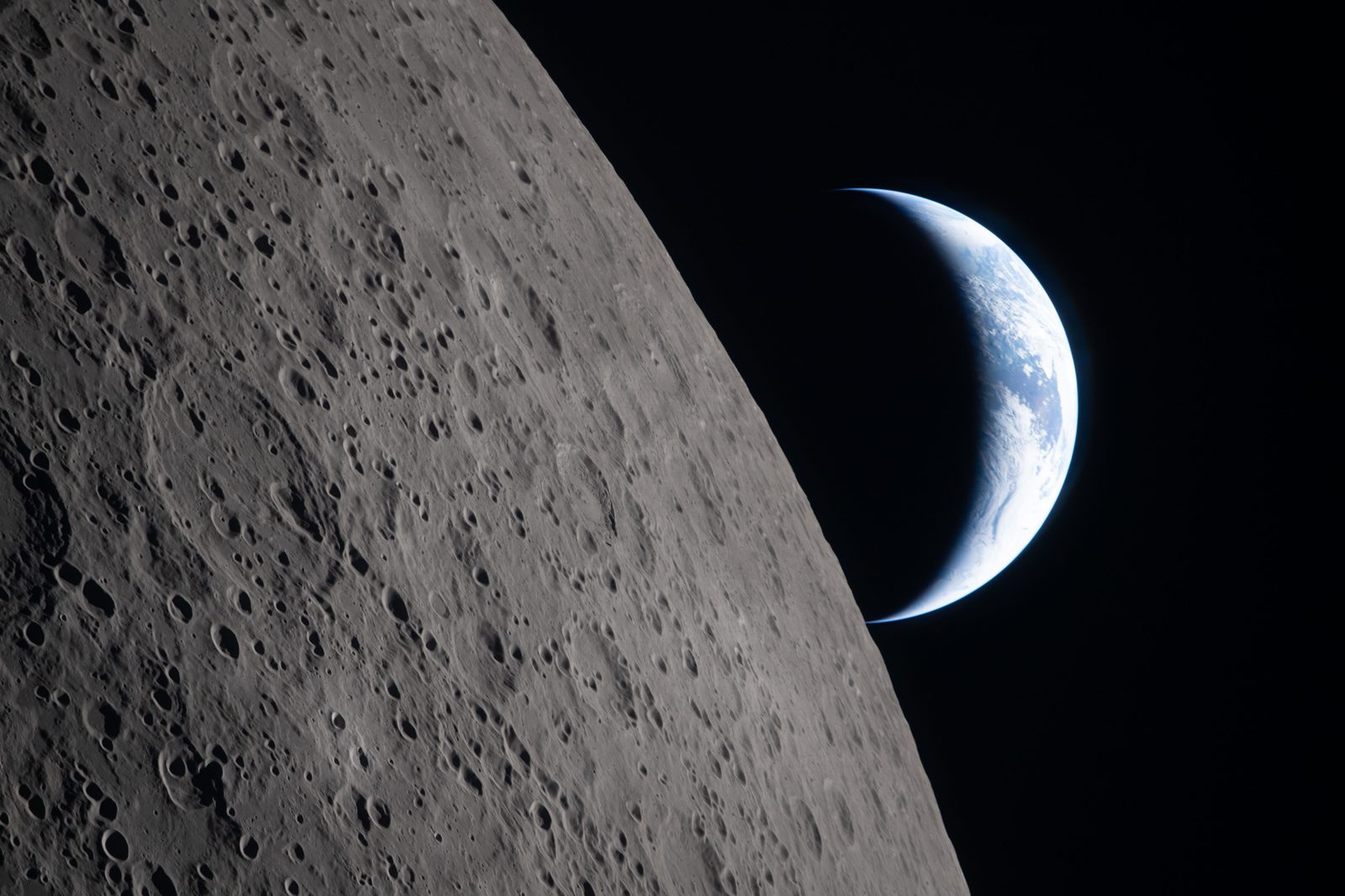
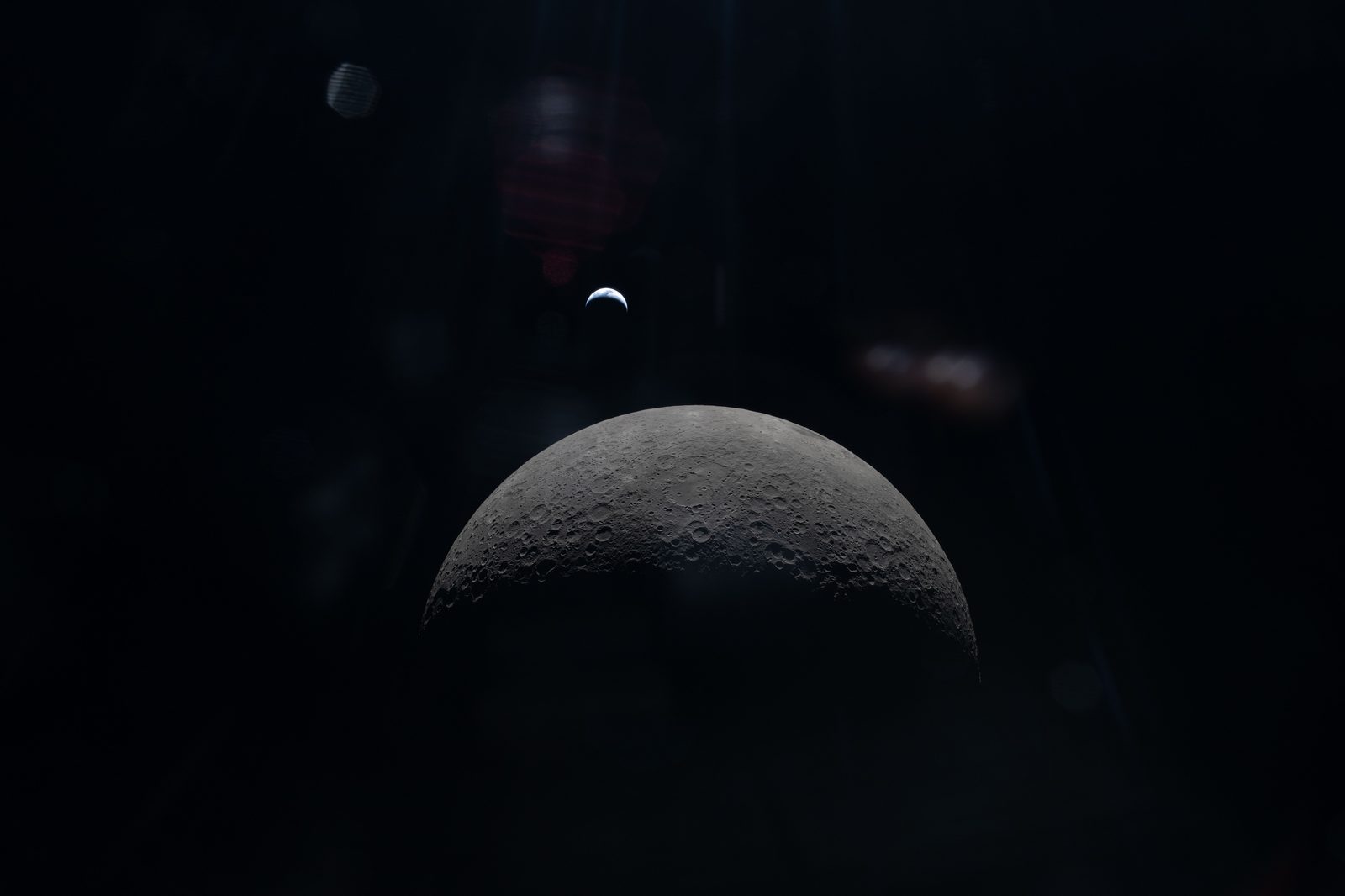
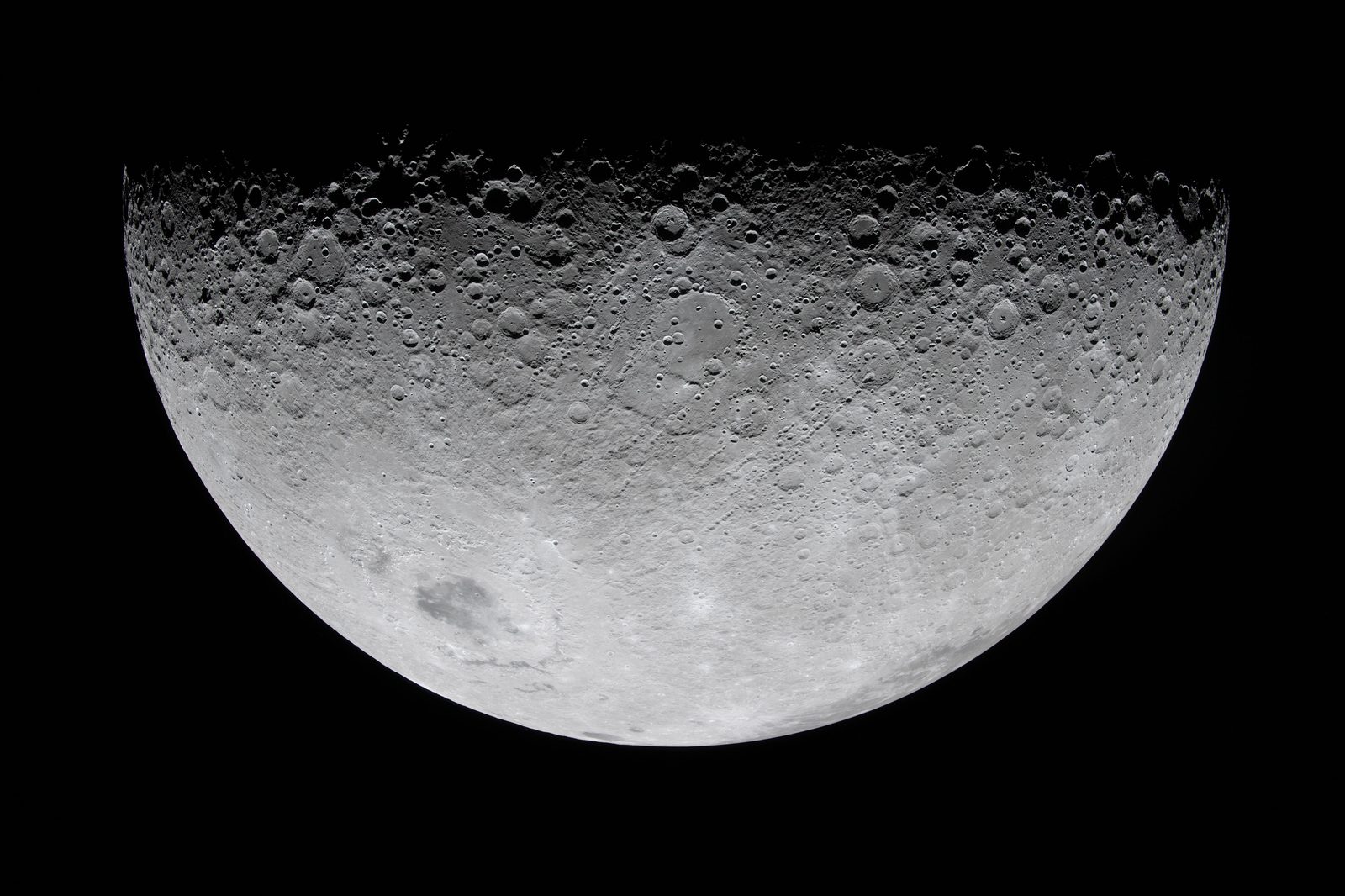
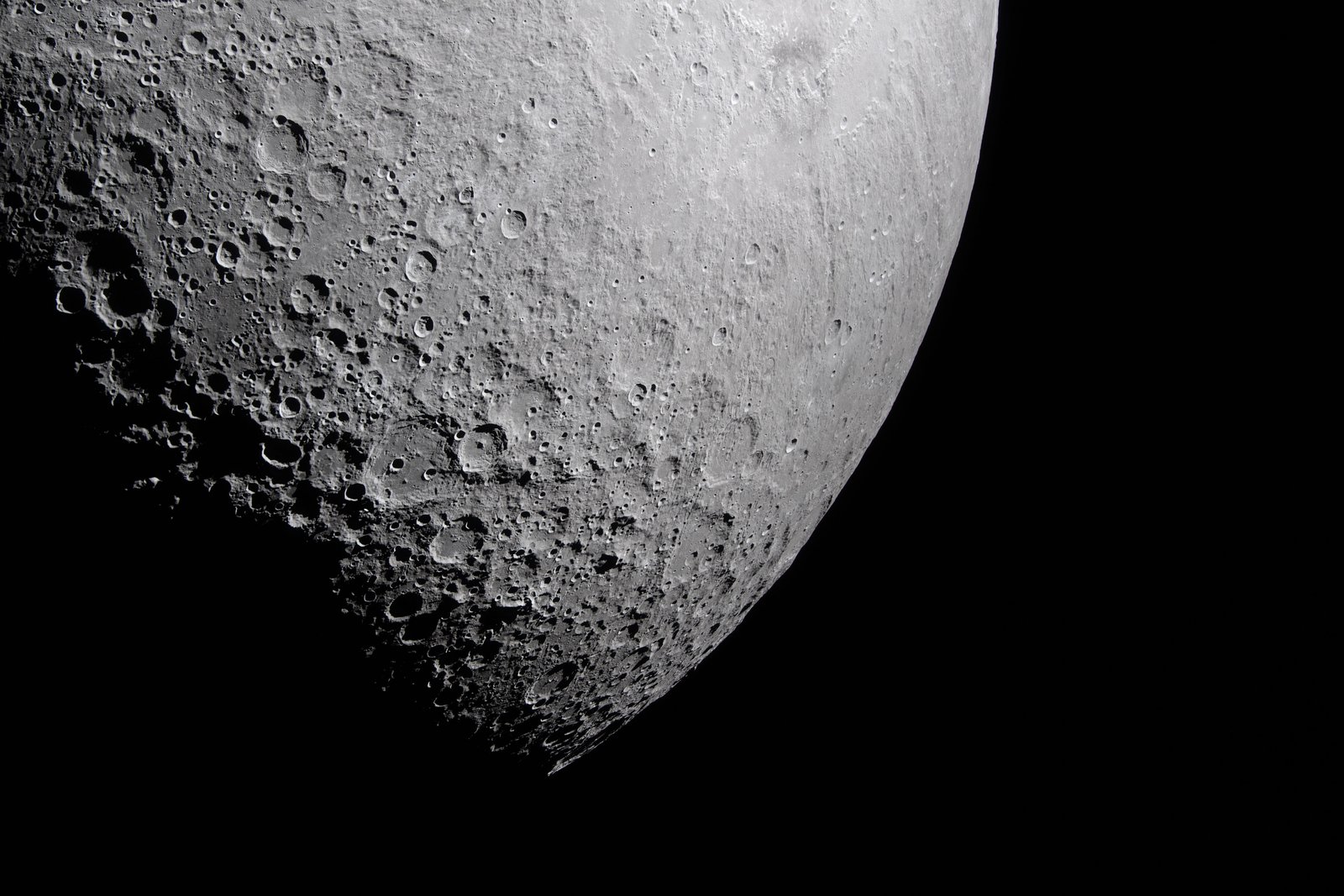
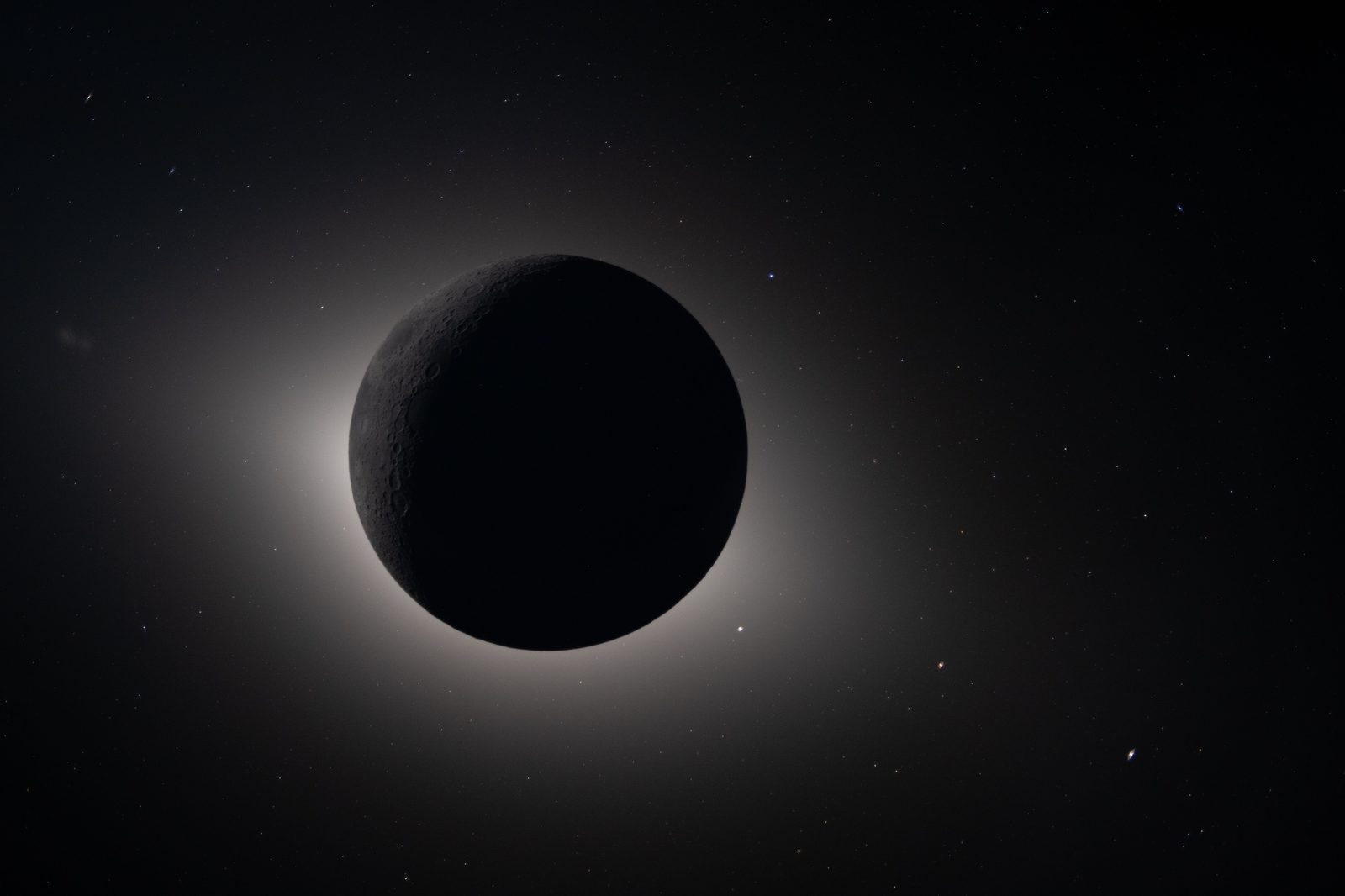
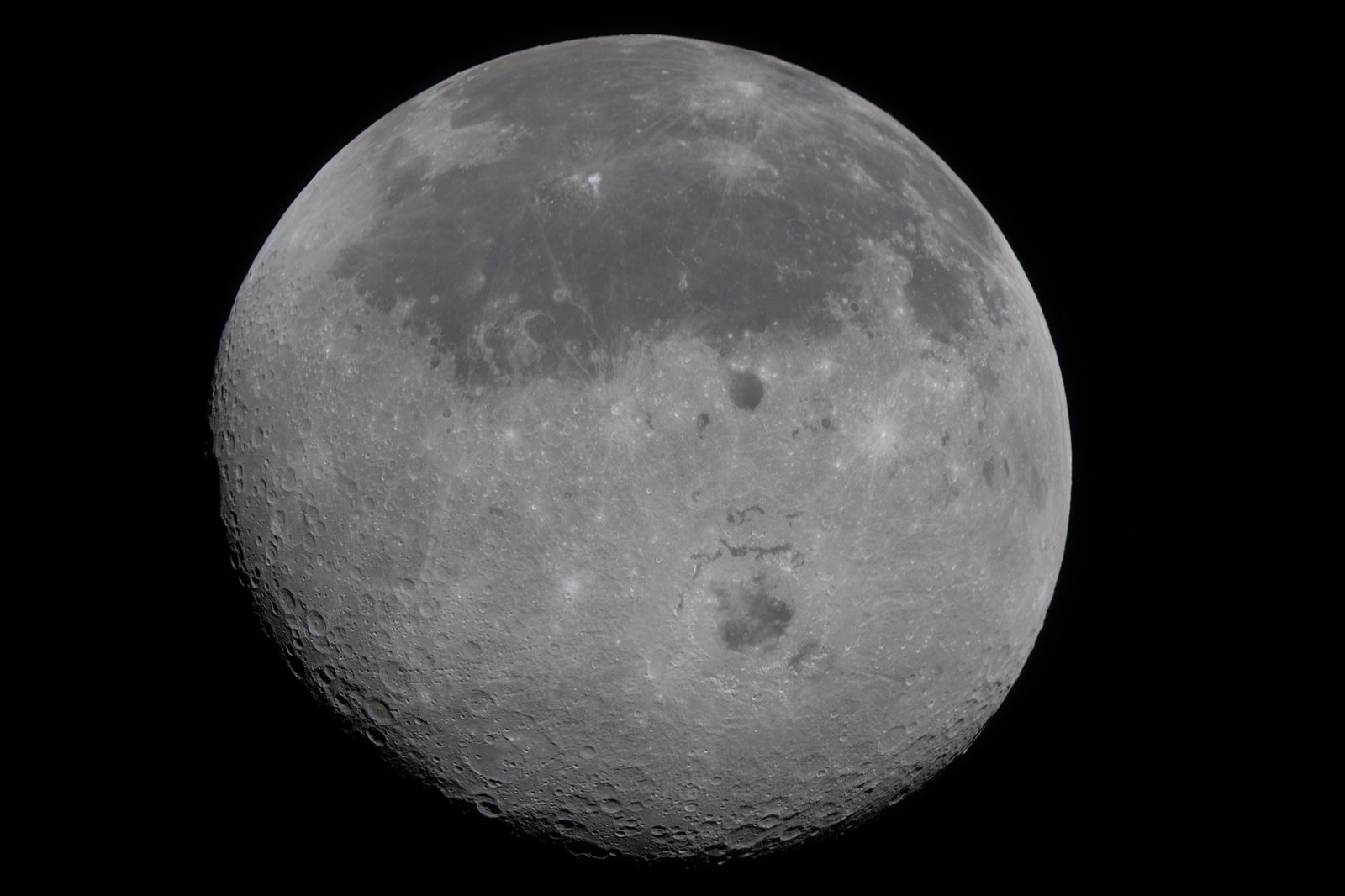
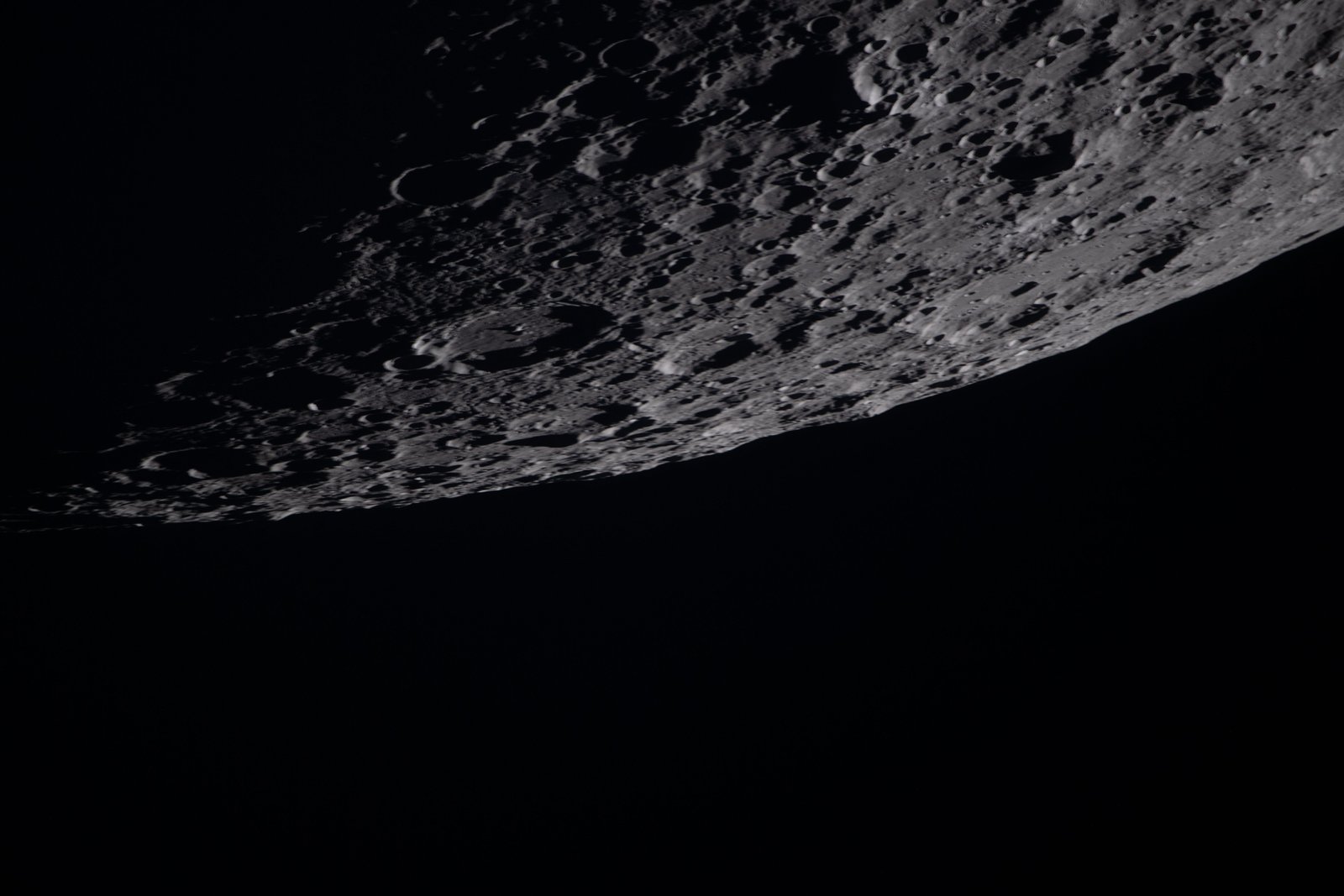
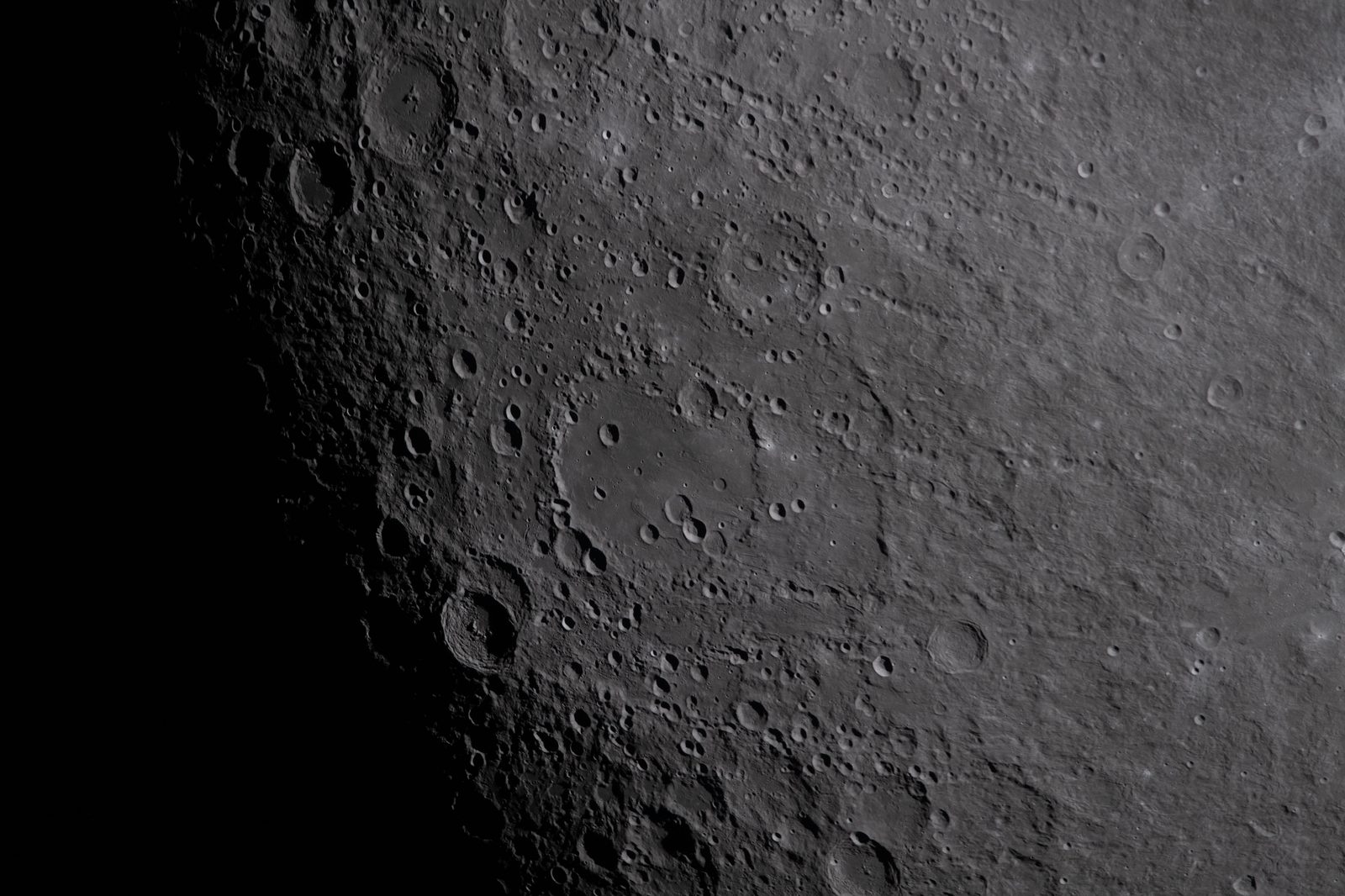
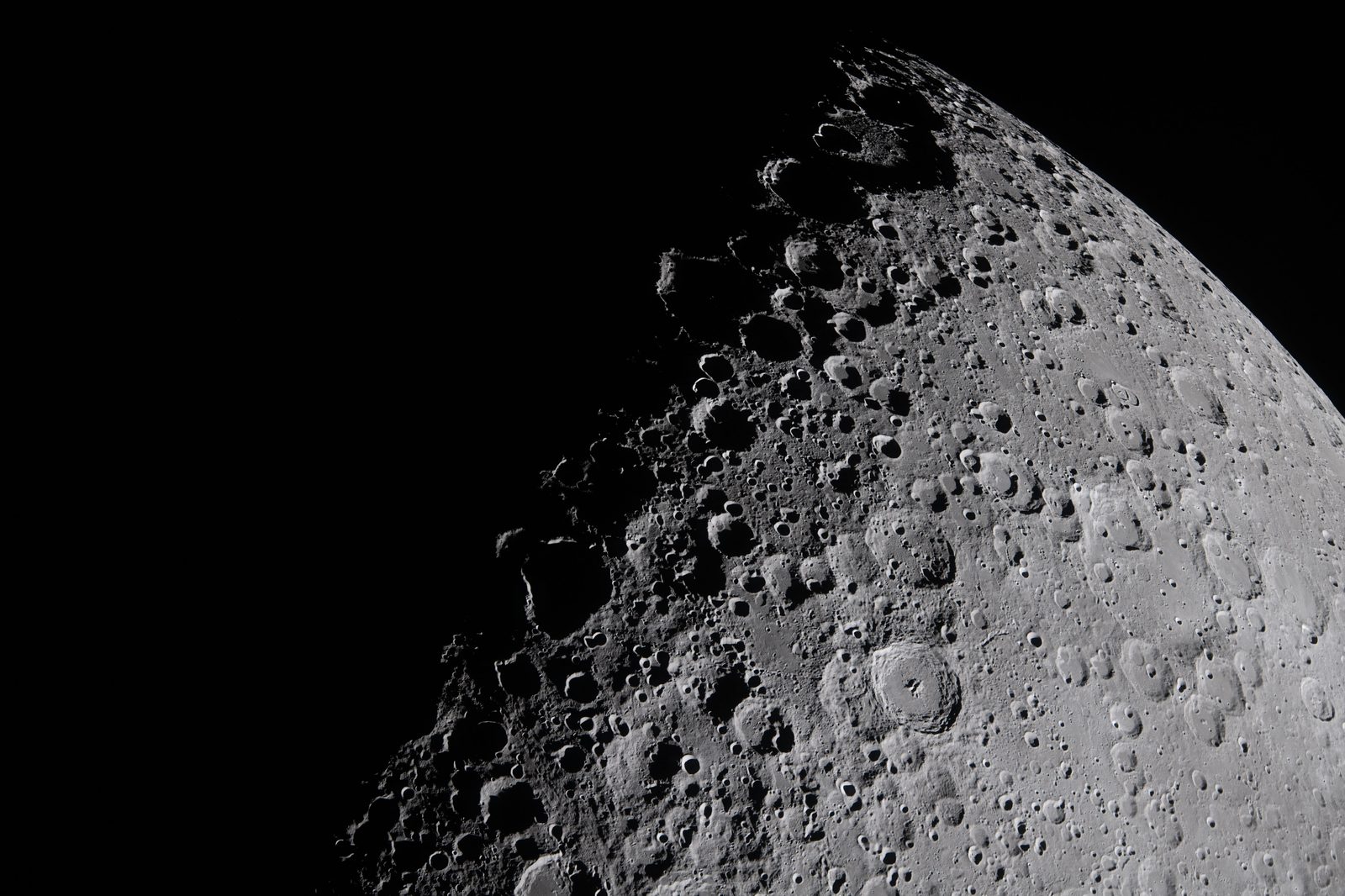
Alongside the testing details, NASA also released a fresh batch of images from Artemis II.
The new set includes photos captured before, during, and after the lunar flyby. NASA’s interactive timeline even lets viewers switch between shots taken with the Nikon D5 and the Z9, offering a closer look at how each camera performed in space.
It’s a fascinating look behind the scenes—and a reminder that in space, reliability often matters more than having the latest tech.